CraveU

The Drifter in Modern Storytelling

Explore the captivating world of the drifter character in storytelling. Discover their archetypal roots, defining traits, and enduring appeal.
Start Now
craveu cover image

Archetypal Roots of the Drifter

The concept of the wanderer, the outsider, the one who walks alone, is deeply embedded in human mythology and folklore. From Odysseus, the epic hero whose journey home was fraught with wandering, to the biblical Cain, cursed to be a wanderer on the earth, these figures have long represented both the perils and the possibilities of life outside established structures. In a more modern context, the archetype of the drifter often draws from the romanticized image of the lone cowboy, the beatnik poet, or the existentialist philosopher, all of whom, in their own ways, rejected conformity in pursuit of authenticity or a deeper truth.

Consider the archetypal journey. It often begins with a departure from the known, a severance from home or community. The drifter embodies this departure, not necessarily as a temporary phase, but as a permanent state of being. This isn't just physical displacement; it's often a psychological and emotional detachment from conventional anchors. They might be running from a past trauma, a societal injustice, or simply an internal restlessness that cannot be quelled. This rootlessness, while isolating, also grants them a unique vantage point, allowing them to observe the world with a clarity unburdened by vested interests or ingrained loyalties.

The drifter's journey is rarely about reaching a specific destination. Instead, the journey itself is the purpose. It's about the experiences encountered, the lessons learned, and the self-discovery that unfolds along the way. This emphasis on process over product is a key differentiator from characters driven by a singular, achievable goal. Their narrative arc is often less about achieving an external victory and more about internal transformation, a shedding of old skins, and an evolving understanding of themselves and the world.

Defining Traits of the Drifter

What makes a character a drifter? While the specifics can vary wildly, several core traits tend to define them:

  • Independence and Self-Reliance: Drifters are almost invariably self-sufficient. They rely on their wits, skills, and resourcefulness to survive. This often translates into a distrust of authority or reliance on others, as such dependencies can be perceived as constraints. They are masters of making do, of finding solutions in seemingly impossible situations. This self-reliance isn't just a practical necessity; it's often a philosophical stance, a commitment to their own agency.
  • Rootlessness and Transience: The defining characteristic is their lack of a permanent home or fixed social ties. They move from place to place, often without a clear itinerary. This transience can be a source of freedom, allowing them to avoid commitment and responsibility, but it also breeds a profound sense of isolation and a yearning for connection that may never be fully satisfied. They are the perpetual outsiders, never quite belonging anywhere.
  • Observational Acuity: Because they are not deeply invested in any particular community or social structure, drifters often possess a keen ability to observe and analyze human behavior and societal dynamics. They see the flaws, the hypocrisies, and the hidden truths that those embedded within the system might miss. This detached perspective can make them insightful commentators, even if their observations are rarely shared in a structured way.
  • Internal Conflict and Mystery: Drifters are rarely simple. Their past is often shrouded in mystery, hinted at through fragmented memories, scars, or a guarded demeanor. This ambiguity fuels their enigmatic quality. They grapple with internal demons, past regrets, or philosophical quandaries that drive their nomadic existence. This internal landscape is as important, if not more so, than their external journey.
  • Adaptability: To survive without a stable base, drifters must be incredibly adaptable. They can navigate diverse environments, blend into different social strata, and adjust their behavior to suit the circumstances. This adaptability is a testament to their resilience and their deep understanding of the human condition, learned through constant exposure to new situations and people.
  • A Code of Honor (Often Unconventional): While they may operate outside the law or societal norms, many drifters adhere to a personal, often unwritten, code of ethics. This code might prioritize loyalty to fellow travelers, protection of the vulnerable, or a commitment to a certain ideal, however abstract. This internal moral compass is what often prevents them from becoming purely amoral characters.

Think about a character like the Man With No Name from Sergio Leone's Westerns. He drifts into towns, gets involved in conflicts, and leaves, his past and motivations largely unknown. His actions, however, often reveal a pragmatic, albeit brutal, sense of justice. He embodies the self-reliance and mystery that are hallmarks of the drifter character.

Narrative Functions of the Drifter

The drifter character serves several crucial functions within a narrative:

  • Catalyst for Change: Drifters often enter a story at a pivotal moment, disrupting the status quo and forcing other characters to confront their own beliefs and circumstances. Their arrival can be the spark that ignites a conflict or initiates a journey for others. They are the external force that shakes up a stagnant world.
  • Moral Compass (or Lack Thereof): By operating outside conventional morality, drifters can highlight the limitations and hypocrisies of established ethical systems. They might act in ways that are considered wrong by society but are justified by their own internal logic or the exigencies of their situation. This forces the audience to question their own moral assumptions. Are their actions truly "bad," or simply different?
  • Symbol of Freedom and Rebellion: The drifter represents the ultimate freedom from societal constraints – no job, no mortgage, no family obligations. This can be both aspirational and cautionary. They embody a rejection of conformity, a desire to live life on one's own terms, even if those terms are difficult. This resonates with audiences who feel trapped by their own routines.
  • Vehicle for Exploration: Because they are constantly moving and encountering new environments and people, drifters are ideal vehicles for exploring different facets of a world. They can lead the audience through diverse landscapes, introduce them to a variety of characters, and expose them to different cultural norms or subcultures. Their journey becomes the audience's journey of discovery.
  • Embodiment of Existential Themes: The drifter's life often mirrors existentialist concerns: the search for meaning in a meaningless universe, the burden of freedom, the anxiety of existence, and the confrontation with mortality. Their solitary journey can be a powerful metaphor for the individual's struggle to define themselves in the face of an indifferent cosmos.

Consider the character of Sal Paradise in Jack Kerouac's On the Road. While not a solitary drifter in the strictest sense, his relentless pursuit of experience and his nomadic lifestyle embody the spirit of the drifter, pushing boundaries and seeking authentic moments in a rapidly changing America. His journey is a quest for meaning through movement and connection.

The Enduring Appeal of the Drifter

Why do these characters continue to resonate with audiences across generations?

  • The Romance of the Open Road: There's an inherent romance associated with the idea of leaving everything behind and setting off into the unknown. The drifter taps into a collective fantasy of escape, of shedding the burdens of everyday life and embracing a life of pure possibility. The image of the lone figure against a vast landscape is powerful and evocative.
  • Identification with Alienation: In an increasingly complex and often isolating world, many people feel like outsiders or struggle to find their place. The drifter's alienation, while extreme, can be a relatable experience. Audiences may see a reflection of their own feelings of disconnect in the drifter's solitary existence.
  • The Quest for Authenticity: The drifter's rejection of societal norms and their pursuit of a more authentic existence appeals to a deep-seated human desire to live a life true to oneself. They challenge the audience to consider whether their own lives are lived authentically or are merely a performance of expected behaviors.
  • Mystery and Intrigue: The unknown past and unpredictable nature of drifters create an inherent sense of mystery that draws audiences in. We want to understand what drives them, what haunts them, and what they are truly capable of. This enigma makes them compelling figures to follow.
  • Symbol of Resilience: Despite their hardships and isolation, drifters often demonstrate remarkable resilience. They overcome obstacles, adapt to changing circumstances, and continue their journey, embodying a spirit of perseverance that is inspiring.

The drifter isn't just a plot device; they are a mirror reflecting our own desires for freedom, our fears of isolation, and our ongoing search for meaning. They remind us that life can be lived outside the lines, that the journey itself holds value, and that even in solitude, there can be profound strength and a unique form of wisdom. The drifter character remains a potent archetype because they embody the eternal human struggle between belonging and freedom, between the known and the unknown. They are the wanderers who, in their ceaseless movement, teach us something essential about staying still and finding ourselves.

Variations and Subtypes

The broad category of the drifter encompasses a surprising variety of characters, each with their own nuances:

  • The Philosophical Drifter: This type uses their wandering as a means of intellectual or spiritual exploration. They might be seeking enlightenment, questioning societal structures, or engaging in deep contemplation about the nature of existence. Think of figures like Siddhartha in Hesse's novel, who leaves his privileged life to wander and seek truth.
  • The Escapist Drifter: Driven by a desire to outrun a troubled past, a mistake, or a painful memory, this drifter is perpetually on the run. Their journey is less about discovery and more about avoidance. The constant movement is a way to keep the past at bay, though it rarely succeeds entirely.
  • The Mercenary Drifter: This drifter uses their skills – combat, trade, or otherwise – to survive. They might take on odd jobs, act as hired muscle, or engage in less-than-legal activities to fund their travels. Their independence is often tied to their ability to profit from their transient lifestyle.
  • The Artist Drifter: This character finds inspiration in their travels, observing the world and channeling their experiences into creative works. Their rootlessness fuels their art, providing a constant stream of new material and perspectives. The bohemian artist is a classic example.
  • The Accidental Drifter: Sometimes, a character becomes a drifter not by choice, but due to circumstances beyond their control – war, natural disaster, or societal collapse. They may yearn for stability but are forced into a nomadic existence. Their journey is often one of survival and a longing for home.

Each of these subtypes offers a different lens through which to examine the core themes associated with the drifter. They highlight how the archetype can be adapted to explore various aspects of the human condition, from the pursuit of knowledge to the struggle for survival.

Challenges and Criticisms

While the drifter archetype is compelling, it's not without its complexities and potential criticisms.

  • Romanticization of Hardship: The romantic image of the drifter can sometimes gloss over the harsh realities of homelessness, poverty, and social exclusion. The narrative freedom afforded to fictional drifters is often a luxury unavailable to those forced into similar circumstances by economic hardship or lack of opportunity. Is the narrative portrayal a true reflection, or an idealized fantasy?
  • Potential for Isolation and Loneliness: While independence is often celebrated, the drifter's rootlessness inevitably leads to profound isolation. The lack of deep, sustained relationships can be a significant emotional cost. Stories that focus solely on the freedom often neglect the deep-seated loneliness that must accompany such a lifestyle.
  • Lack of Social Contribution: In some interpretations, the drifter can be seen as unproductive or parasitic, contributing little to the communities they pass through. Their focus on personal journey might be viewed as selfish, especially when contrasted with characters who are building families, communities, or societies.
  • The "Cool" Outsider Trope: The drifter can sometimes fall into the trap of being a "cool" or "mysterious" outsider trope, where their detachment is seen as inherently more interesting or authentic than the perceived mundanity of settled life. This can inadvertently devalue the importance of community, responsibility, and belonging.

It's crucial for storytellers to acknowledge these complexities. A truly nuanced portrayal of a drifter character will often grapple with the downsides of their lifestyle, the sacrifices they make, and the emotional toll of their perpetual journey. The most compelling drifters are often those who are aware of what they've lost or what they lack, even as they embrace their chosen path.

The Drifter in Modern Storytelling

The drifter archetype continues to evolve and find new expressions in contemporary narratives. In a world increasingly defined by globalization, digital nomadism, and a questioning of traditional lifestyles, the drifter resonates perhaps more than ever.

  • Digital Nomads: While often equipped with technology and a global network, the modern digital nomad shares many traits with the classic drifter: a rejection of a fixed location, a reliance on self-discipline, and a life lived in motion. Their journey is often framed by the search for experience and personal growth, albeit with Wi-Fi.
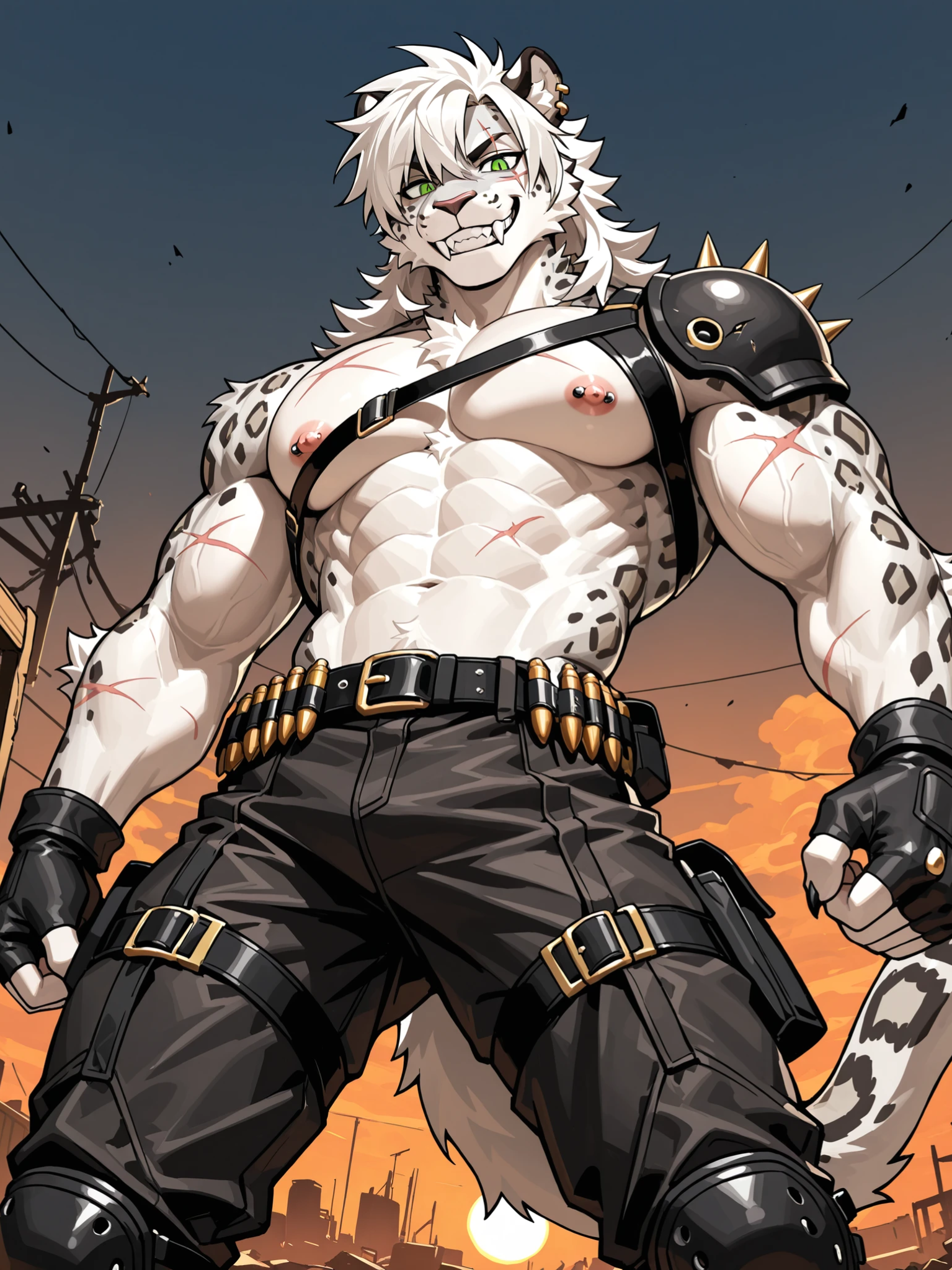
  • Post-Apocalyptic Wanderers: In genres like science fiction and fantasy, the post-apocalyptic setting often creates a world where everyone is, by necessity, a drifter. Characters navigating these ruined landscapes embody the resilience, resourcefulness, and isolation of the archetype, often searching for safety, community, or a lost past.
  • Characters Seeking Self-Discovery: Many contemporary stories feature characters who embark on journeys of self-discovery, shedding their old lives and embracing a period of wandering. This can be a response to personal crisis, career burnout, or a general sense of existential unease. Their "drifting" is a deliberate phase of exploration.
  • The Anti-Hero Drifter: The morally ambiguous drifter continues to be a popular figure, particularly in crime dramas and thrillers. These characters operate in grey areas, their motivations often unclear, their actions unpredictable. They challenge conventional notions of heroism and morality.

The enduring power of the drifter lies in their ability to embody fundamental human desires and anxieties. They represent the pull of the unknown, the allure of freedom, and the universal quest for identity. Whether they are traversing dusty plains or navigating the complexities of the digital age, the drifter remains a compelling figure, a constant reminder of the paths not taken and the journeys yet to be undertaken. They are the embodiment of perpetual motion, forever seeking, forever moving, forever enigmatic.

Features

NSFW AI Chat with Top-Tier Models

Experience the most advanced NSFW AI chatbot technology with models like GPT-4, Claude, and Grok. Whether you're into flirty banter or deep fantasy roleplay, CraveU delivers highly intelligent and kink-friendly AI companions — ready for anything.

NSFW AI Chat with Top-Tier Models feature illustration

Real-Time AI Image Roleplay

Go beyond words with real-time AI image generation that brings your chats to life. Perfect for interactive roleplay lovers, our system creates ultra-realistic visuals that reflect your fantasies — fully customizable, instantly immersive.

Real-Time AI Image Roleplay feature illustration

Explore & Create Custom Roleplay Characters

Browse millions of AI characters — from popular anime and gaming icons to unique original characters (OCs) crafted by our global community. Want full control? Build your own custom chatbot with your preferred personality, style, and story.

Explore & Create Custom Roleplay Characters feature illustration

Your Ideal AI Girlfriend or Boyfriend

Looking for a romantic AI companion? Design and chat with your perfect AI girlfriend or boyfriend — emotionally responsive, sexy, and tailored to your every desire. Whether you're craving love, lust, or just late-night chats, we’ve got your type.

Your Ideal AI Girlfriend or Boyfriend feature illustration

FAQs

What makes CraveU AI different from other AI chat platforms?

CraveU stands out by combining real-time AI image generation with immersive roleplay chats. While most platforms offer just text, we bring your fantasies to life with visual scenes that match your conversations. Plus, we support top-tier models like GPT-4, Claude, Grok, and more — giving you the most realistic, responsive AI experience available.

What is SceneSnap?

SceneSnap is CraveU’s exclusive feature that generates images in real time based on your chat. Whether you're deep into a romantic story or a spicy fantasy, SceneSnap creates high-resolution visuals that match the moment. It's like watching your imagination unfold — making every roleplay session more vivid, personal, and unforgettable.

Are my chats secure and private?

Are my chats secure and private?
CraveU AI
Experience immersive NSFW AI chat with Craveu AI. Engage in raw, uncensored conversations and deep roleplay with no filters, no limits. Your story, your rules.
© 2025 CraveU AI All Rights Reserved