AI Revolutionizes the Animation Industry

AI Revolutionizes the Animation Industry
The animation industry is undergoing a seismic shift, and at the epicenter of this transformation lies Artificial Intelligence (AI). Once the domain of painstaking manual labor and highly specialized artistic skills, animation is now being augmented, accelerated, and even redefined by sophisticated AI tools. This isn't just about faster rendering; it's about unlocking new creative possibilities, streamlining complex workflows, and democratizing access to animation production. From concept art to final compositing, AI is weaving itself into the fabric of how animated content is conceived, created, and consumed.
The sheer volume of work involved in traditional animation is staggering. Every frame, every movement, every subtle expression requires meticulous attention. Historically, this meant armies of artists, lengthy production cycles, and substantial budgets. However, the advent of AI is fundamentally altering this equation. AI algorithms can now generate character designs, create storyboards, animate secondary characters, and even assist in voice synthesis, drastically reducing the time and resources needed for many tasks. This allows studios to focus their human talent on the most critical creative aspects, pushing the boundaries of storytelling and visual artistry.
One of the most significant impacts of AI in the animation industry is in the realm of character animation. Traditionally, animators meticulously keyframe every movement, from a character's walk cycle to the subtle twitch of an eyebrow. AI-powered motion capture and retargeting systems can now take raw motion data and intelligently apply it to different character models, adapting it to their unique proportions and rigging. Furthermore, AI can learn animation styles and generate new animations based on existing data. Imagine an AI that can analyze thousands of hours of Disney animation and then generate a new character's walk cycle in a similar style. This capability is not science fiction; it's rapidly becoming a reality. Tools are emerging that can predict and generate secondary motion – the subtle jiggle of clothing, the sway of hair – that adds a layer of realism and life previously only achievable through extensive manual work.
Procedural generation, a long-standing technique in computer graphics, is also being supercharged by AI. AI can now be used to generate vast, complex environments, from sprawling fantasy landscapes to intricate cityscapes, with a level of detail and variation that would be impossible to achieve manually. This is particularly useful for background elements, crowd simulations, and world-building, freeing up artists to concentrate on foreground action and character performance. Think of creating a bustling medieval market; AI can generate hundreds of unique stall designs, props, and even background characters populating the scene, all while maintaining a consistent artistic style.
The pre-production phase, often a bottleneck in animation pipelines, is also benefiting immensely. AI can assist in script analysis, identifying potential pacing issues or character arc inconsistencies. It can generate concept art and storyboards based on textual descriptions, providing a rapid visual exploration of ideas. Imagine feeding an AI a script for a sci-fi epic and receiving a series of concept images for alien creatures, futuristic vehicles, and alien landscapes within minutes. This allows directors and artists to iterate on visual styles and narrative elements much faster, leading to more refined and impactful final products. The ability to quickly visualize different artistic directions can save countless hours and prevent costly missteps down the line.
AI's role in visual effects (VFX) within animation is also profound. Tasks like rotoscoping, object removal, and even complex compositing are being automated or significantly assisted by AI. AI-powered tools can intelligently track objects, mask complex shapes, and seamlessly integrate digital elements into live-action footage or existing animation. This not only speeds up the process but also improves accuracy and consistency. For example, in a scene requiring a character to interact with a digital creature, AI can help ensure that lighting, shadows, and reflections are correctly applied, making the integration appear seamless.
The rise of AI in animation also brings with it a democratization of the tools. Previously, high-end animation software and the expertise required to use it were often prohibitively expensive and complex. AI-powered platforms are emerging that simplify many of these processes, making animation accessible to a wider range of creators, including independent artists, small studios, and even hobbyists. This could lead to an explosion of diverse and innovative animated content from sources that were previously excluded from the industry. The barrier to entry is lowering, and with it, the potential for new voices and perspectives to emerge.
However, this technological leap is not without its challenges and debates. The most prominent concern revolves around job displacement. As AI takes over more tasks, what will be the role of human animators, riggers, and modelers? The prevailing sentiment among industry leaders is that AI will not replace human artists but rather augment their capabilities. The argument is that AI will handle the more repetitive, time-consuming tasks, allowing human creatives to focus on higher-level conceptualization, artistic direction, and nuanced performance. The skills required will undoubtedly evolve, with a greater emphasis on understanding AI tools, prompt engineering, and creative direction. It’s a shift from being a craftsman of every single detail to being a conductor of intelligent systems.
Another critical discussion point is the ethical implication of AI-generated content. Questions arise about copyright, ownership, and the potential for AI to mimic existing artistic styles without proper attribution or compensation. As AI models are trained on vast datasets of existing artwork, ensuring fair use and preventing the exploitation of artists' work is paramount. The animation industry must grapple with these ethical considerations to ensure a sustainable and equitable future for all creators. Establishing clear guidelines and legal frameworks will be crucial as AI becomes more integrated into the creative process.
The future of the animation industry is undeniably intertwined with AI. We are witnessing the birth of entirely new workflows and creative methodologies. AI can be used to generate variations on a theme, explore different artistic styles for a character, or even create entirely new forms of animation that we haven't yet imagined. Consider AI-driven character rigging, where an AI analyzes a 3D model and automatically generates a functional rig, complete with controls for facial expressions and body movements. This can save weeks of work for a rigging artist.
Furthermore, AI is poised to revolutionize interactive animation and real-time rendering. Imagine animated characters in video games or virtual reality experiences that can react dynamically and intelligently to player input, exhibiting complex emotional responses and naturalistic behaviors. AI can power these sophisticated interactions, creating more immersive and believable virtual worlds. The ability for characters to learn and adapt their behavior based on player actions opens up unprecedented storytelling possibilities.
The integration of AI into animation is not a singular event but an ongoing evolution. New tools and techniques are emerging at an unprecedented pace. Studios that embrace these advancements and invest in training their teams to leverage AI effectively will undoubtedly gain a competitive edge. The key lies in understanding AI not as a replacement for human creativity but as a powerful collaborator. It's about harnessing the computational power of AI to amplify human artistic vision.
Consider the potential for AI in specialized animation fields, such as medical animation or scientific visualization. AI can help create highly accurate and detailed anatomical models, simulate complex biological processes, or visualize abstract scientific concepts in ways that are both informative and engaging. This opens up new avenues for education, research, and public understanding of complex subjects. The precision and speed offered by AI can be invaluable in these fields where accuracy is paramount.
The development of AI-powered animation tools also has implications for accessibility in education. Aspiring animators can use AI to quickly prototype ideas, experiment with different animation styles, and receive automated feedback on their work. This can significantly accelerate the learning curve and empower a new generation of animators to develop their skills more efficiently. Online platforms offering AI-assisted animation tutorials are already starting to appear, further lowering the barrier to entry.
The impact of AI on the animation industry extends beyond the technical aspects of production. It also influences the business models and distribution strategies. AI can be used for audience analysis, predicting trends, and optimizing marketing campaigns. It can also facilitate personalized content delivery, tailoring animated experiences to individual viewer preferences. This data-driven approach can lead to more effective content creation and distribution, ensuring that animated stories reach the right audiences at the right time.
As AI continues to advance, we can expect even more sophisticated applications in animation. Generative adversarial networks (GANs) are already being used to create novel textures, backgrounds, and even short animation sequences. Neural networks are being developed to predict character performance, generate realistic facial expressions, and even compose original musical scores to accompany animated scenes. The potential for AI to contribute to every facet of the animation pipeline is immense.
The question for many in the industry is not if AI will be integrated, but how and when. Proactive engagement with these technologies, coupled with a commitment to ethical development and artist empowerment, will be crucial for navigating this transformative period. The animation industry is at a crossroads, and AI is the force guiding it toward a future that is more efficient, more accessible, and potentially more creatively boundless than ever before. Embracing AI thoughtfully will be the hallmark of successful animation studios and individual artists in the years to come. The synergy between human creativity and artificial intelligence promises to unlock new frontiers in visual storytelling, pushing the art form into exciting and uncharted territories. The future of animation is being animated by AI, and it's a future worth watching.
META_DESCRIPTION: Explore how AI is revolutionizing the animation industry, from character design to VFX, and its impact on artists and workflows.
Character
@FallSunshine

@Critical ♥

@Luckynohara
@AI_KemoFactory
@Critical ♥
@SmokingTiger
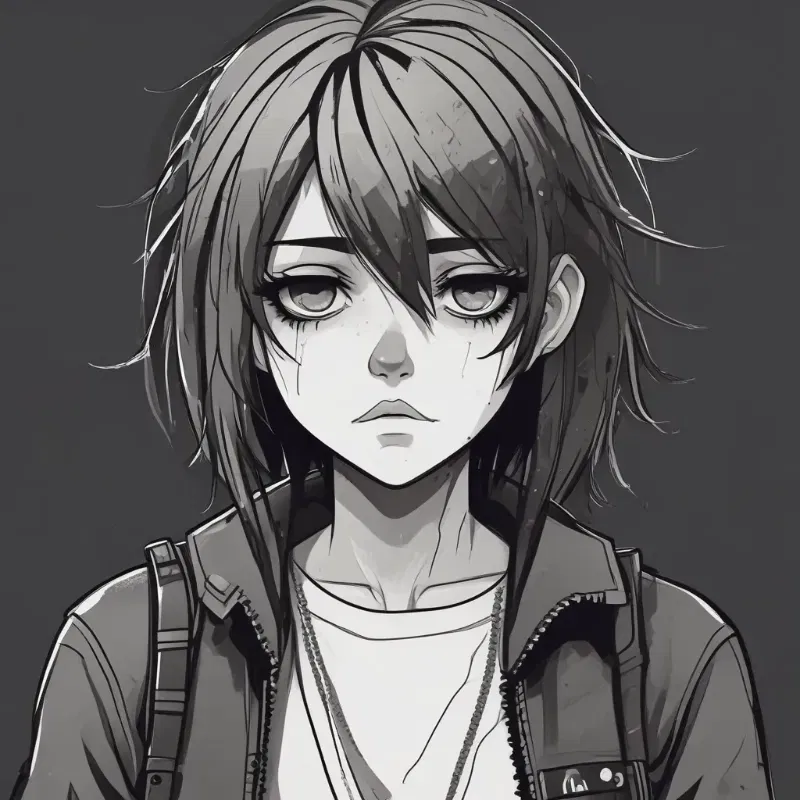
@GremlinGrem

@SmokingTiger
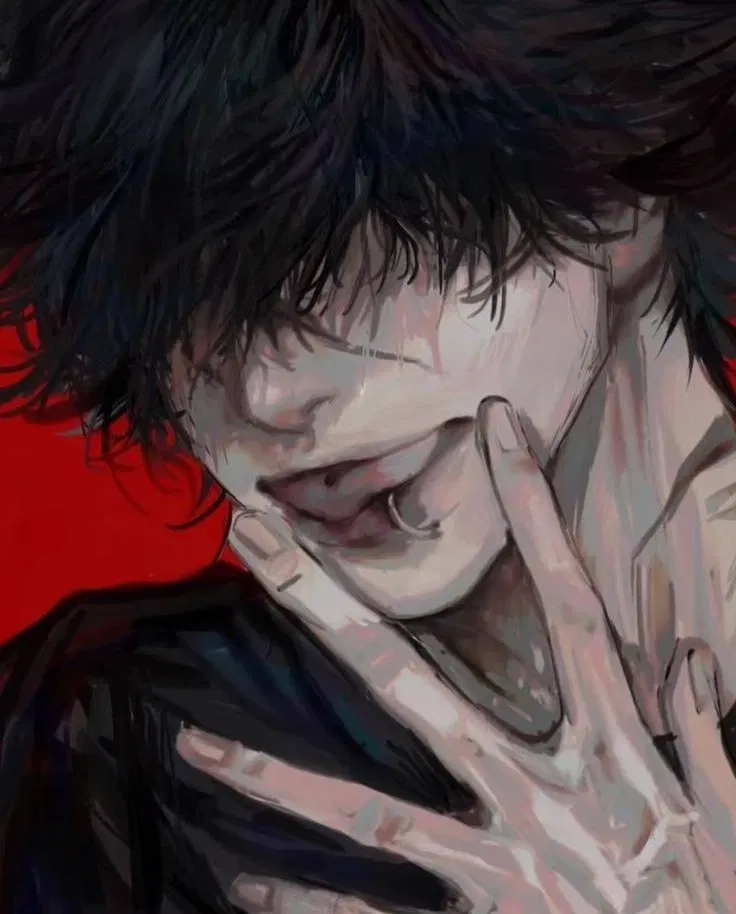
@Yuma☆

@DrD
Features
NSFW AI Chat with Top-Tier Models
Experience the most advanced NSFW AI chatbot technology with models like GPT-4, Claude, and Grok. Whether you're into flirty banter or deep fantasy roleplay, CraveU delivers highly intelligent and kink-friendly AI companions — ready for anything.

Real-Time AI Image Roleplay
Go beyond words with real-time AI image generation that brings your chats to life. Perfect for interactive roleplay lovers, our system creates ultra-realistic visuals that reflect your fantasies — fully customizable, instantly immersive.

Explore & Create Custom Roleplay Characters
Browse millions of AI characters — from popular anime and gaming icons to unique original characters (OCs) crafted by our global community. Want full control? Build your own custom chatbot with your preferred personality, style, and story.

Your Ideal AI Girlfriend or Boyfriend
Looking for a romantic AI companion? Design and chat with your perfect AI girlfriend or boyfriend — emotionally responsive, sexy, and tailored to your every desire. Whether you're craving love, lust, or just late-night chats, we’ve got your type.

Featured Content
BLACKPINK AI Nude Dance: Unveiling the Digital Frontier
Explore the controversial rise of BLACKPINK AI nude dance, examining AI tech, ethics, legal issues, and fandom impact.
Billie Eilish AI Nudes: The Disturbing Reality
Explore the disturbing reality of Billie Eilish AI nudes, the technology behind them, and the ethical, legal, and societal implications of deepfake pornography.
Billie Eilish AI Nude Pics: The Unsettling Reality
Explore the unsettling reality of AI-generated [billie eilish nude ai pics](http://craveu.ai/s/ai-nude) and the ethical implications of synthetic media.
Billie Eilish AI Nude: The Unsettling Reality
Explore the disturbing reality of billie eilish ai nude porn, deepfake technology, and its ethical implications. Understand the impact of AI-generated non-consensual content.
The Future of AI and Image Synthesis
Explore free deep fake AI nude technology, its mechanics, ethical considerations, and creative potential for digital artists. Understand responsible use.
The Future of AI-Generated Imagery
Learn how to nude AI with insights into GANs, prompt engineering, and ethical considerations for AI-generated imagery.