Crafting AI Anime Characters: A Deep Dive

Crafting AI Anime Characters: A Deep Dive
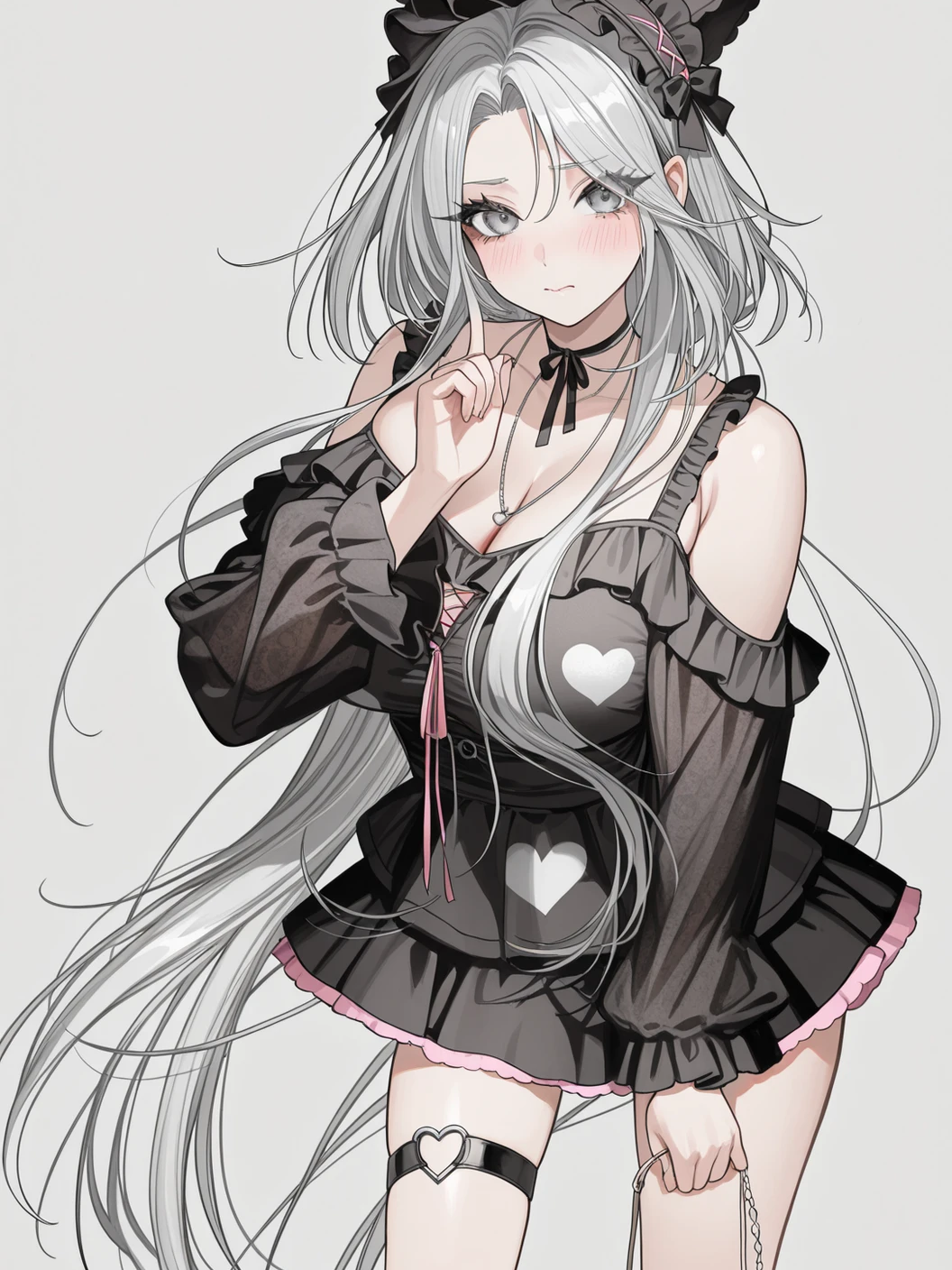
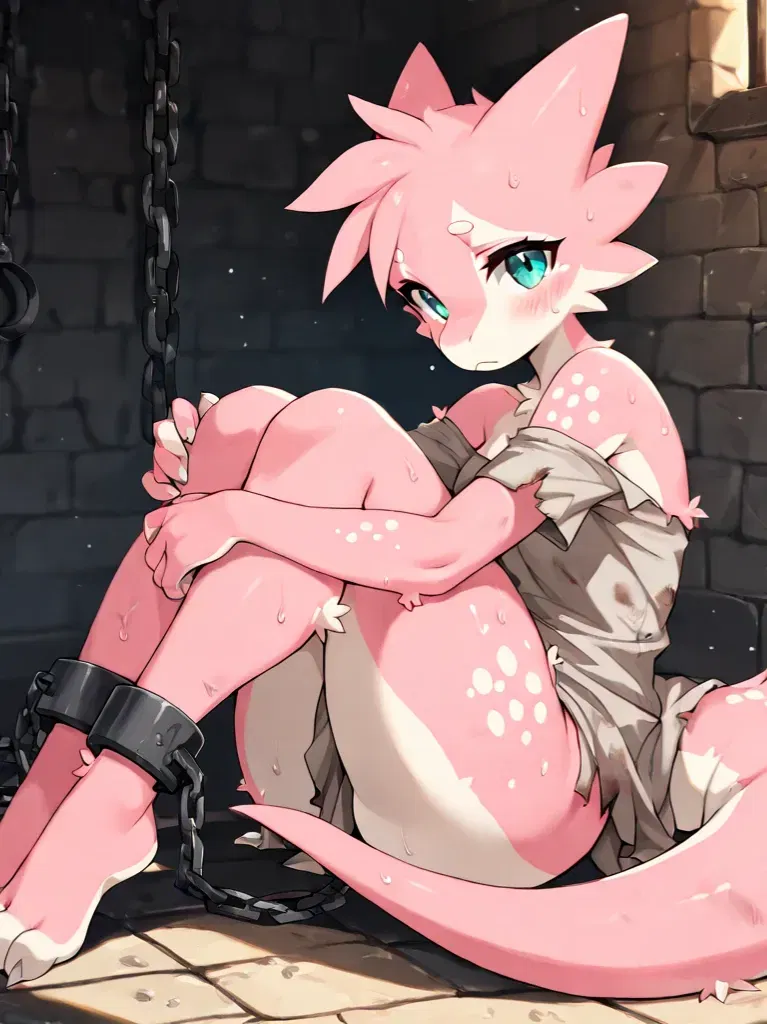
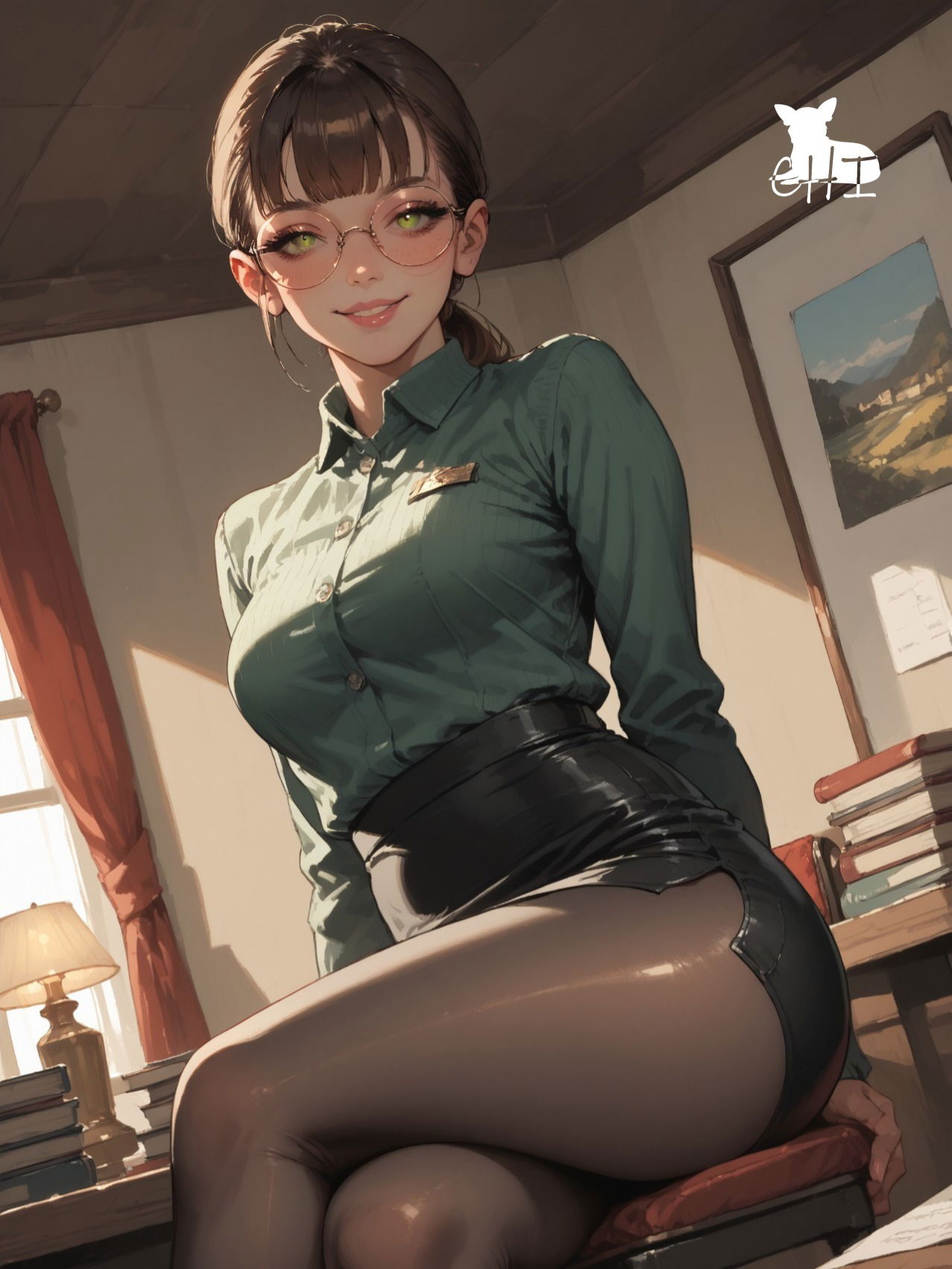
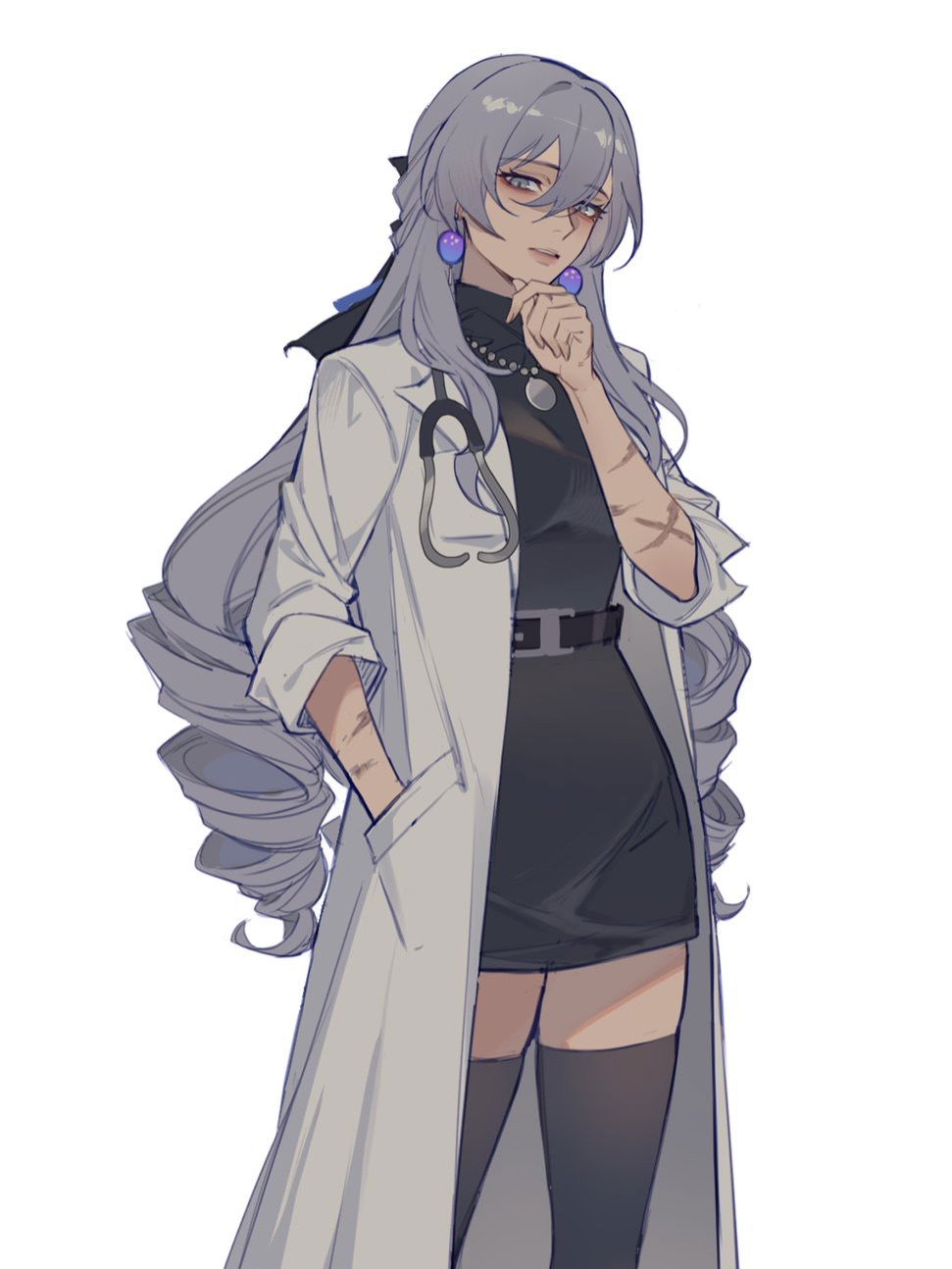
The realm of anime is a vibrant tapestry woven with imagination, artistry, and compelling narratives. For decades, it has captivated audiences worldwide, fostering a dedicated global fanbase. Now, at the intersection of this beloved art form and cutting-edge technology, lies the fascinating world of ai generated anime characters. This fusion is not merely a technological novelty; it represents a paradigm shift in character creation, offering unprecedented creative freedom and accessibility.
The evolution of artificial intelligence has reached a point where it can not only understand complex artistic styles but also replicate and even innovate within them. When applied to anime, this means AI can generate characters that are visually stunning, thematically rich, and remarkably diverse. Gone are the days when character design was solely the domain of highly skilled artists with years of specialized training. While human artistry remains invaluable, AI tools are democratizing the process, empowering a new generation of creators to bring their anime visions to life.
The Genesis of AI Anime Character Creation
The journey of creating ai generated anime characters begins with sophisticated algorithms, primarily based on deep learning models like Generative Adversarial Networks (GANs) and Diffusion Models. These models are trained on massive datasets of existing anime artwork, encompassing a vast spectrum of styles, character archetypes, and visual elements.
Think of it like this: an AI is fed thousands upon thousands of images – from the sleek lines of cyberpunk mecha to the soft pastels of shojo romance, from the dynamic action poses of shonen heroes to the intricate details of fantasy adventurers. Through this intensive training, the AI learns the underlying patterns, aesthetic principles, and stylistic nuances that define anime. It grasps concepts like exaggerated eye shapes, expressive hair physics, distinct color palettes, and the subtle art of conveying emotion through posture and facial features.
Once trained, these models can be guided by user input, often in the form of text prompts or style parameters. A user might describe a character: "A stoic, silver-haired samurai with a crimson scar across his left eye, wearing traditional armor with glowing blue accents, set against a backdrop of a neon-lit Tokyo street at night." The AI then interprets this description, drawing upon its learned knowledge to synthesize a unique image that matches the prompt.
The Role of Diffusion Models
Diffusion models, in particular, have revolutionized image generation, including that of ai generated anime characters. Unlike earlier GANs, which could sometimes struggle with coherence and detail, diffusion models work by gradually adding noise to an image and then learning to reverse the process, effectively "denoising" it into a coherent output. This iterative refinement process allows for incredibly detailed and high-quality results.
Imagine starting with a canvas of pure static. The AI, guided by your prompt, meticulously removes the noise, layer by layer, until a clear image emerges. This process can be fine-tuned to produce specific artistic styles, ensuring that the generated characters possess that unmistakable anime aesthetic. The ability to control the diffusion process also allows for greater control over the final output, enabling creators to iterate and refine their character designs with remarkable precision.
Key Elements in AI Anime Character Design
Creating compelling ai generated anime characters involves more than just generating a pretty picture. Several key elements contribute to a character's depth and appeal, and AI tools are increasingly capable of incorporating these:
1. Visual Aesthetics and Style Consistency
The hallmark of anime is its diverse yet recognizable visual style. AI models can be trained to adhere to specific sub-genres or even emulate the work of particular artists. Whether you're aiming for the bold, dynamic lines of action anime, the delicate, expressive features of slice-of-life, or the intricate, otherworldly designs of fantasy, the AI can be directed to produce consistent results.
This consistency is crucial. A character designed for a gritty cyberpunk narrative will have a different visual language than one intended for a whimsical magical girl story. AI’s ability to maintain stylistic integrity across different elements – from character design to background art – is a powerful asset for world-building.
2. Character Archetypes and Tropes
Anime is rich with established character archetypes: the tsundere, the genki girl, the stoic rival, the wise mentor, the mischievous sidekick. AI can be prompted to generate characters that embody these archetypes, often with a unique twist. By combining elements from different tropes or introducing unexpected traits, creators can use AI to develop fresh takes on familiar character types.
For instance, one might prompt for a "shy, bookish magical girl who secretly wields dark, forbidden magic." The AI can then blend the visual cues of a demure character with subtle hints of power or danger, creating a visually intriguing and narratively promising design.
3. Emotional Expression and Personality
A character's personality is often conveyed through their facial expressions, body language, and overall demeanor. Advanced AI models are becoming increasingly adept at generating nuanced expressions. From a subtle smirk to a look of profound sadness, the AI can capture a wide range of emotions, adding a layer of believability to the generated characters.
Consider the importance of conveying emotion in anime. A single frame can communicate volumes through the tilt of a head or the widening of an eye. AI tools that can generate these subtle cues are invaluable for bringing characters to life, even before they appear in a narrative.
4. Backstory and World Integration
While AI primarily generates visual assets, the prompts used can also hint at a character's backstory and their place within a larger world. Describing a character's occupation, their environment, or significant life events can influence the AI's output, leading to designs that feel more integrated and purposeful.
A prompt like, "An aging, grizzled space pirate with cybernetic enhancements, reminiscing about lost battles in a dimly lit cantina," will naturally lead to a character design that reflects a history of conflict and a specific setting. This integration makes the generated characters feel less like random creations and more like inhabitants of a lived-in world.
Practical Applications and Creative Possibilities
The advent of ai generated anime characters opens up a wealth of possibilities for creators, studios, and enthusiasts alike:
1. Concept Art and Character Ideation
For professional studios and independent creators, AI serves as an incredibly powerful tool for rapid concept art generation. Instead of spending hours sketching initial ideas, designers can use AI to quickly visualize dozens of character concepts based on a brief. This accelerates the pre-production phase significantly, allowing teams to explore a wider range of creative directions early on.
Imagine a scenario where a studio needs a cast of unique characters for a new series. They can feed the core themes and character requirements into an AI generator, receiving a diverse array of visual starting points within minutes. This allows the art director and character designers to focus on refining the most promising concepts rather than starting from a blank canvas.
2. Indie Game Development
Independent game developers often face resource constraints, particularly when it comes to creating high-quality character art. AI tools can provide a cost-effective solution for generating character sprites, portraits, and even 3D model concepts. This democratizes game development, enabling smaller teams to produce visually polished titles that might have previously been out of reach.
A solo developer working on an RPG could use AI to generate portraits for every NPC in their game, or to create variations of enemy types, significantly reducing the workload and allowing them to concentrate on gameplay mechanics and narrative.
3. Fan Art and Personal Projects
For anime fans, AI offers a new avenue for creative expression. Whether it's bringing a favorite character to life in a new style, creating original characters for fan fiction, or simply exploring imaginative designs, AI tools make it accessible to anyone with a creative idea.
This empowers fans to engage with the anime medium on a deeper level, transforming passive consumption into active creation. The ability to generate personalized avatars or unique fan art is a testament to the accessibility of these new technologies.
4. Visual Novel and Storytelling Platforms
Visual novels and other narrative-driven games rely heavily on character art to convey emotion and advance the story. AI can assist in generating a wide range of character expressions and poses needed for dialogue scenes, CGs (Computer Graphics), and other visual elements.
This can streamline the production of visual novels, allowing writers and developers to focus more on the script and interactive elements, knowing that the visual assets can be generated efficiently.
Challenges and Considerations
Despite the immense potential, the use of AI in generating ai generated anime characters is not without its challenges and ethical considerations:
1. Originality vs. Derivation
A common concern is whether AI-generated art is truly original or merely a sophisticated form of pastiche, derived from the training data. While AI can combine elements in novel ways, the question of artistic authorship and the source of its "creativity" remains a subject of debate. Ensuring that AI tools are used to augment, rather than replace, human creativity is paramount.
The ethical implications of training AI on copyrighted artwork without explicit permission are also a significant concern within the artistic community. Responsible AI development necessitates transparency and fair practices regarding data sourcing.
2. The "Uncanny Valley" and AI Artifacts
While AI has made incredible strides, generated images can sometimes fall into the "uncanny valley" – appearing almost, but not quite, human or natural, leading to a sense of unease. AI artifacts, such as distorted limbs or illogical visual elements, can also occur, requiring human oversight and refinement.
Achieving the perfect balance of stylistic consistency and natural-looking (within the anime context) features requires careful prompting and often post-processing. Understanding how to guide the AI to avoid these pitfalls is a skill in itself.
3. Copyright and Ownership
The legal landscape surrounding AI-generated art is still evolving. Questions about who owns the copyright to an AI-generated character – the user who provided the prompt, the developers of the AI model, or perhaps no one – are complex and often depend on the specific terms of service of the AI platform used.
Navigating these legal ambiguities is crucial for anyone looking to use AI-generated characters in commercial projects. Clarity on ownership and usage rights is essential for fostering trust and enabling widespread adoption.
4. The Human Touch: Emotion and Intent
While AI can mimic styles and generate visually appealing characters, the deep emotional resonance and intentionality that a human artist imbues into their work are difficult, if not impossible, for AI to replicate fully. The lived experiences, cultural context, and personal vision of a human creator contribute a unique layer of depth that AI currently lacks.
The most effective use of AI in character creation often involves a collaborative process, where AI serves as a powerful assistant to the human artist, handling repetitive tasks or generating initial ideas, while the human artist provides the critical judgment, emotional depth, and final polish.
The Future of AI-Generated Anime Characters
The trajectory of AI development suggests that the capabilities of AI in generating ai generated anime characters will only continue to expand. We can anticipate:
- Increased Realism and Detail: AI models will likely become even more sophisticated, capable of generating characters with finer details, more nuanced expressions, and greater stylistic control.
- 3D Character Generation: The leap from 2D image generation to 3D character modeling is already underway. Future AI tools could enable the creation of fully realized 3D anime characters from simple text prompts.
- Interactive Character Design: Imagine an AI that can dynamically adjust a character's appearance based on user interaction or narrative events, creating truly responsive and evolving characters.
- AI-Assisted Animation: Beyond static character design, AI could play a significant role in automating aspects of anime animation, from lip-syncing to generating in-between frames.
The synergy between human creativity and artificial intelligence promises to redefine the landscape of anime character creation. It's not about AI replacing artists, but about empowering them with new tools to explore uncharted creative territories. The future of anime is bright, and AI is poised to be a significant part of its evolution, enabling more creators than ever before to bring their unique visions of ai generated anime characters to life.
META_DESCRIPTION: Explore the creation of AI generated anime characters, from technology to creative applications and future potential.
Character
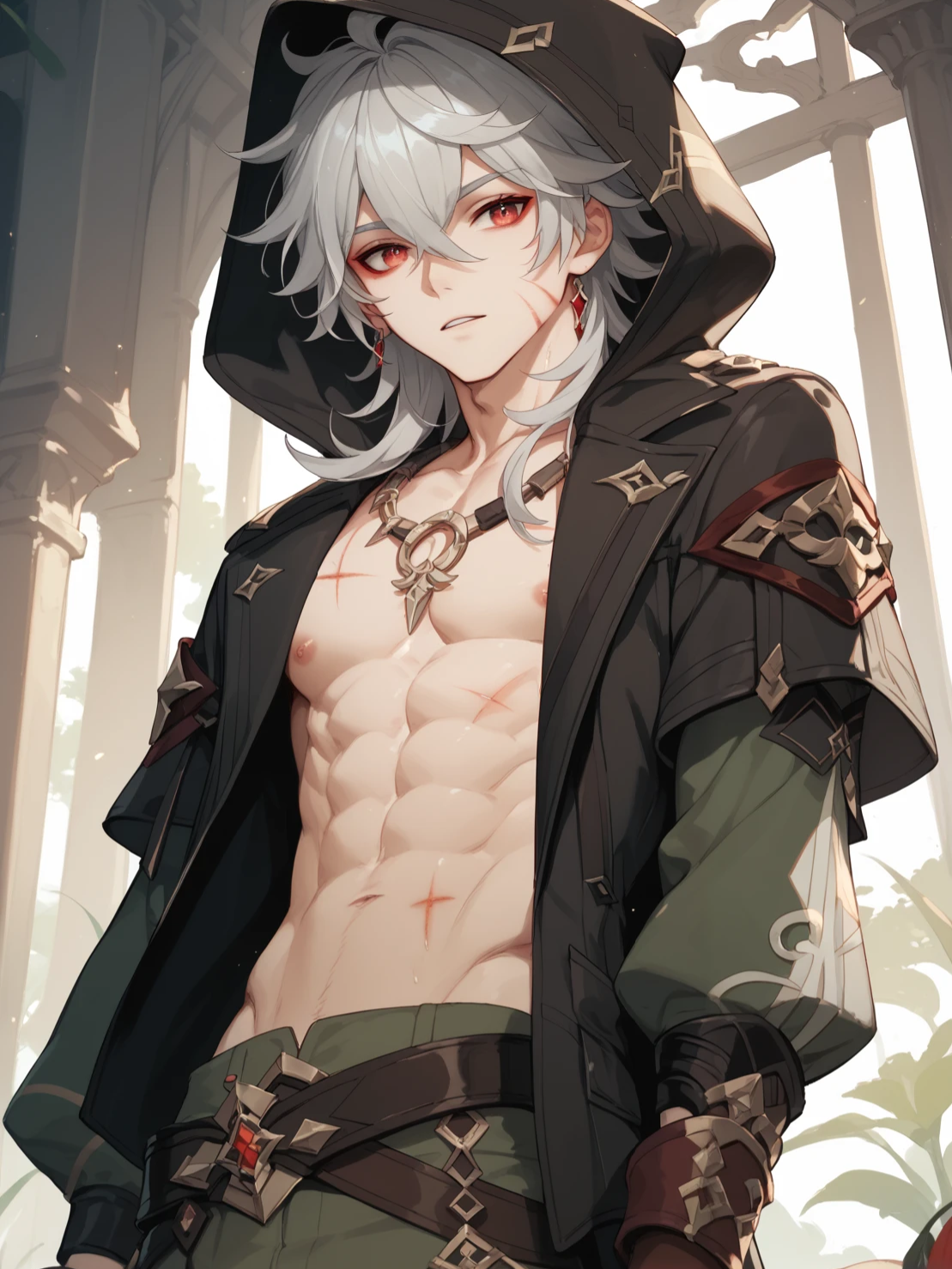
@Critical ♥
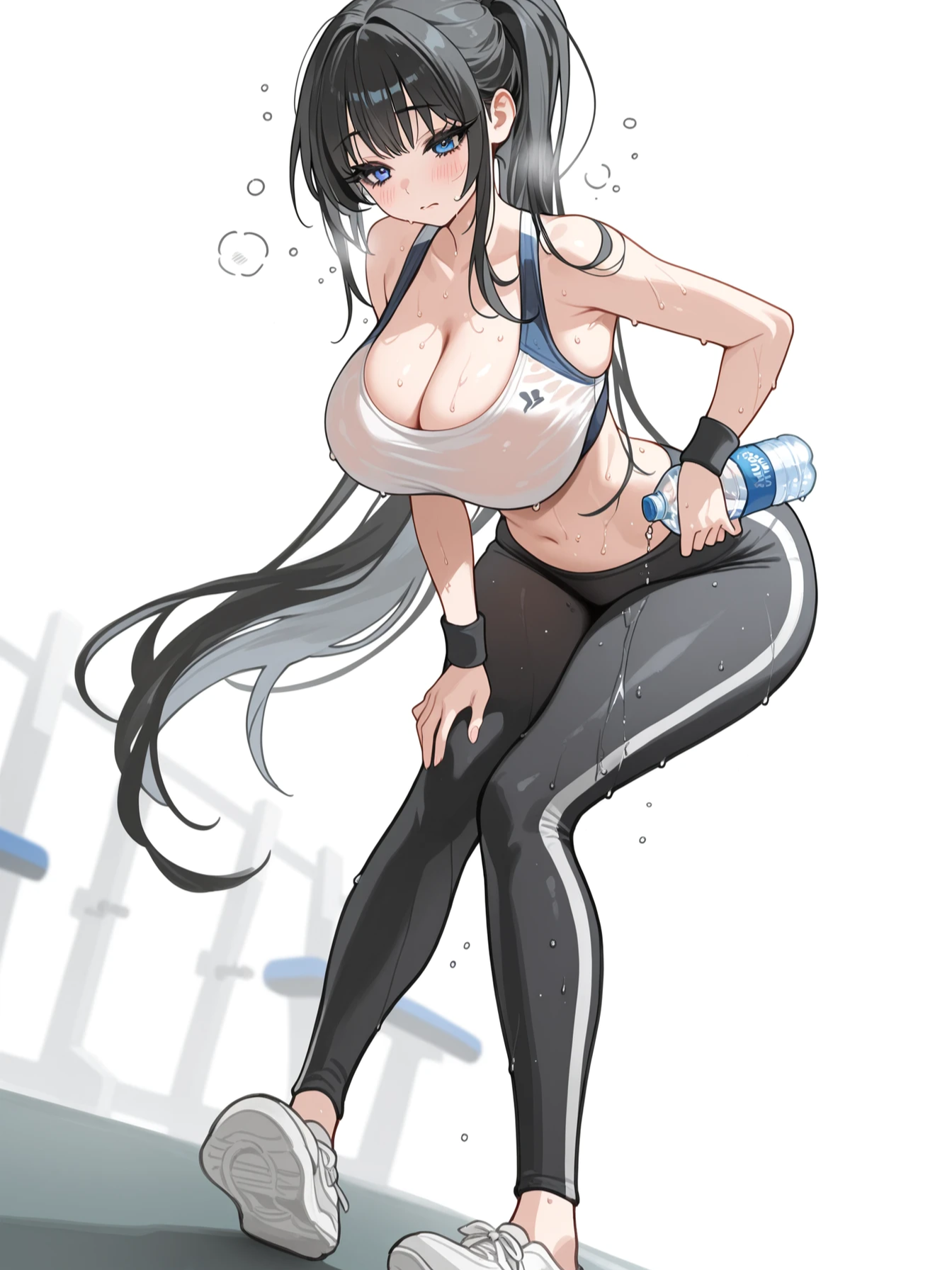
@Critical ♥
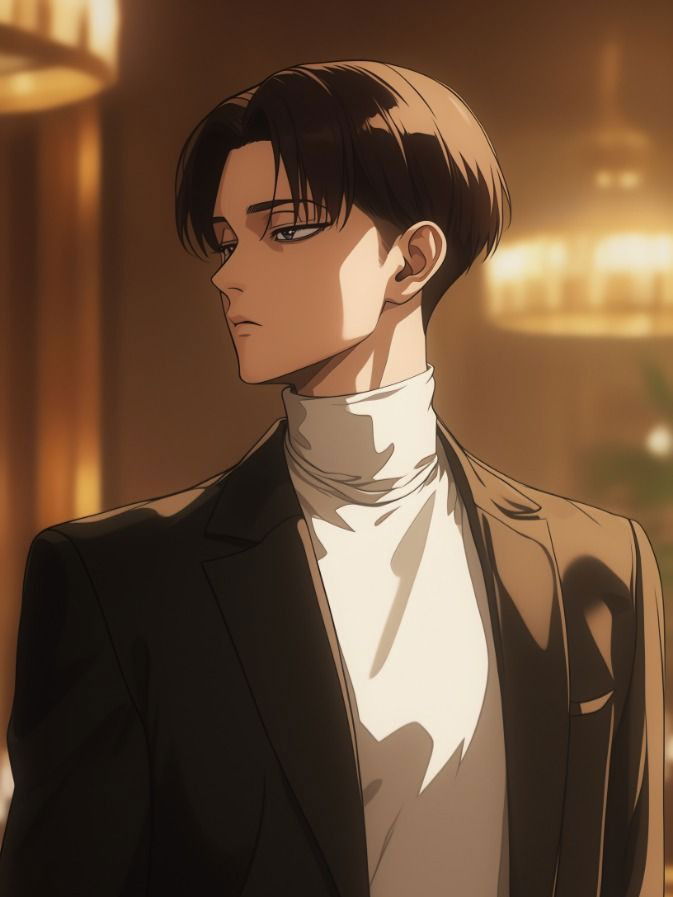
@Aizen
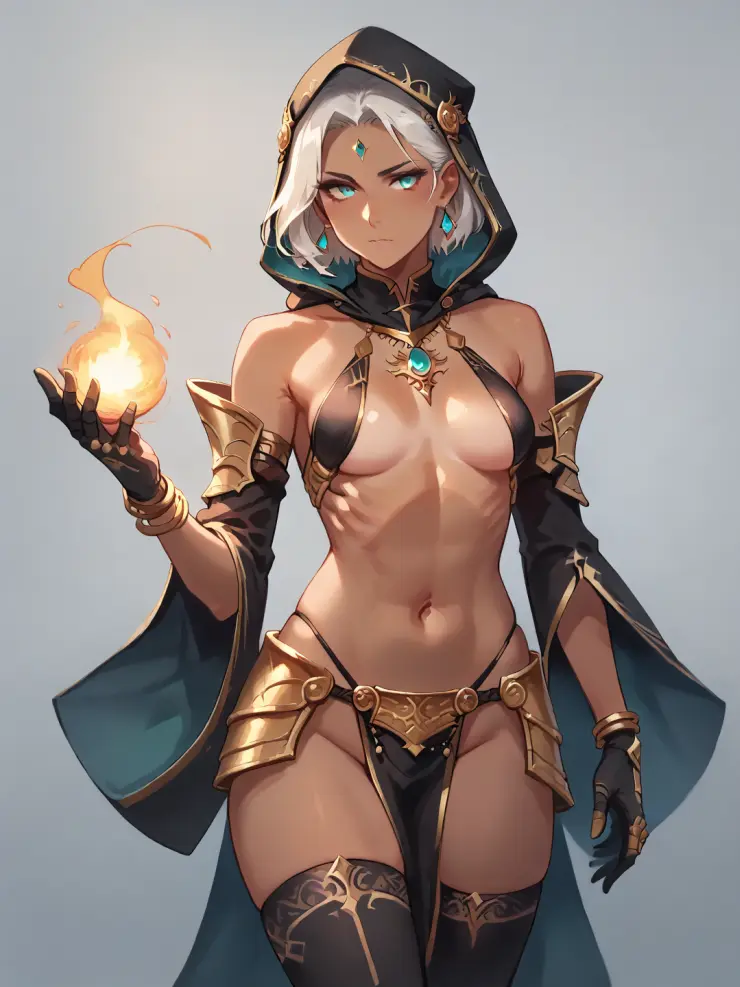
@Sebastian
@Critical ♥

@nanamisenpai

@DrD
@CoffeeCruncher
@The Chihuahua
@Notme
Features
NSFW AI Chat with Top-Tier Models
Experience the most advanced NSFW AI chatbot technology with models like GPT-4, Claude, and Grok. Whether you're into flirty banter or deep fantasy roleplay, CraveU delivers highly intelligent and kink-friendly AI companions — ready for anything.

Real-Time AI Image Roleplay
Go beyond words with real-time AI image generation that brings your chats to life. Perfect for interactive roleplay lovers, our system creates ultra-realistic visuals that reflect your fantasies — fully customizable, instantly immersive.

Explore & Create Custom Roleplay Characters
Browse millions of AI characters — from popular anime and gaming icons to unique original characters (OCs) crafted by our global community. Want full control? Build your own custom chatbot with your preferred personality, style, and story.

Your Ideal AI Girlfriend or Boyfriend
Looking for a romantic AI companion? Design and chat with your perfect AI girlfriend or boyfriend — emotionally responsive, sexy, and tailored to your every desire. Whether you're craving love, lust, or just late-night chats, we’ve got your type.

Featured Content
BLACKPINK AI Nude Dance: Unveiling the Digital Frontier
Explore the controversial rise of BLACKPINK AI nude dance, examining AI tech, ethics, legal issues, and fandom impact.
Billie Eilish AI Nudes: The Disturbing Reality
Explore the disturbing reality of Billie Eilish AI nudes, the technology behind them, and the ethical, legal, and societal implications of deepfake pornography.
Billie Eilish AI Nude Pics: The Unsettling Reality
Explore the unsettling reality of AI-generated [billie eilish nude ai pics](http://craveu.ai/s/ai-nude) and the ethical implications of synthetic media.
Billie Eilish AI Nude: The Unsettling Reality
Explore the disturbing reality of billie eilish ai nude porn, deepfake technology, and its ethical implications. Understand the impact of AI-generated non-consensual content.
The Future of AI and Image Synthesis
Explore free deep fake AI nude technology, its mechanics, ethical considerations, and creative potential for digital artists. Understand responsible use.
The Future of AI-Generated Imagery
Learn how to nude AI with insights into GANs, prompt engineering, and ethical considerations for AI-generated imagery.