Yandere vs Tsundere: Anime Archetype Showdown

Yandere vs Tsundere: Anime Archetype Showdown
The vibrant world of anime is populated by a dazzling array of character archetypes, each with their own unique charm and appeal. Among the most enduring and discussed are the "Yandere" and "Tsundere" types. While both represent complex emotional dynamics, their manifestations are starkly different, often leading to passionate debates among fans about which is superior. Understanding the nuances between a yandere and a tsundere is key to appreciating the intricate character development that makes anime so captivating. This exploration will delve deep into the core characteristics, behavioral patterns, and underlying psychological drivers of both archetypes, providing a comprehensive comparison that illuminates their distinct roles in storytelling.
Defining the Yandere: Love's Dark Obsession
The Yandere archetype is characterized by an initial outward display of affection, kindness, and gentleness, which masks a deeply rooted, obsessive, and often violent fixation on their love interest. The term "yandere" itself is a portmanteau of "yanderu" (to be sick) and "deredere" (lovestruck). This duality is the cornerstone of the yandere's identity. They are, at first glance, the ideal partner – doting, caring, and seemingly devoted. However, this facade crumbles when their possessiveness is triggered, leading to extreme jealousy, paranoia, and a willingness to resort to violence to eliminate any perceived rivals or obstacles to their affection.
What drives a yandere to such extremes? It's often a profound insecurity and a fear of abandonment, amplified to a pathological degree. Their love is not a healthy, reciprocal emotion but a desperate need for control and validation. They see their beloved as an object to be possessed, rather than an individual with their own agency. This possessiveness can manifest in various ways, from stalking and constant surveillance to more sinister actions like kidnapping, blackmail, or even murder. The psychological underpinnings of the yandere are complex, often stemming from past trauma, neglect, or a distorted understanding of love and relationships. They genuinely believe their actions are a testament to their overwhelming love, a twisted justification for their destructive behavior.
Consider the classic yandere narrative: a character who appears sweet and innocent, perhaps even shy, but whose internal monologue is a torrent of possessive thoughts. They might meticulously track their love interest's every move, create elaborate fantasies of a future together, and react with extreme hostility to anyone who dares to interact with their beloved. The thrill of the yandere archetype lies in this unpredictable shift from saccharine sweetness to terrifying menace. It’s a portrayal of love pushed to its absolute, dangerous limit, exploring the darker aspects of human emotion and attachment. The allure for some viewers is the sheer intensity of their devotion, however warped, and the dramatic tension created by their volatile nature.
Defining the Tsundere: The Harsh Exterior, Tender Interior
In stark contrast, the Tsundere archetype presents a personality that is initially cold, hostile, aloof, or even aggressive towards their love interest, only to gradually reveal a softer, warmer, and more affectionate side over time. The term "tsundere" combines "tsuntsun" (aloof, irritable, standoffish) and "deredere" (lovestruck). The tsundere's journey is one of emotional thawing, where their prickly exterior slowly melts away to expose their true feelings. This evolution is often driven by external circumstances, growing familiarity, or a gradual realization of their own affections.
The tsundere's initial harshness is typically a defense mechanism. They might be embarrassed by their own feelings, afraid of vulnerability, or simply unsure how to express their burgeoning affection in a healthy way. This can lead to them lashing out, denying their feelings, or resorting to insults and physical (though usually comedic) aggression. Common tsundere behaviors include blushing furiously when complimented, stuttering denials of affection, and physically pushing away the object of their desire while their heart races. The "tsun" phase is characterized by verbal abuse, dismissiveness, and a general air of disdain.
However, the "dere" phase is where the true appeal of the tsundere lies. As they become more comfortable and their feelings deepen, they begin to show moments of genuine kindness, concern, and protectiveness. These moments are often fleeting and quickly followed by a return to their usual prickly demeanor, creating a captivating push-and-pull dynamic. The tsundere's development is about overcoming their own emotional barriers and learning to be vulnerable. Their eventual confessions of love are often hard-won, making them feel incredibly rewarding for both the characters involved and the audience.
The appeal of the tsundere is rooted in the satisfaction of seeing a guarded individual open up and reveal their true, loving nature. It’s a journey of emotional growth and the triumph of affection over pride or fear. The gradual reveal of their softer side creates anticipation and a sense of earned intimacy. Many find the tsundere relatable because their struggle with expressing emotions is a common human experience, albeit exaggerated for dramatic effect in anime. The humor often derived from their flustered reactions and denials adds another layer to their charm.
Yandere vs Tsundere: A Comparative Analysis
When we place the yandere and tsundere side-by-side, the fundamental differences in their approach to love and relationships become strikingly clear.
Emotional Expression:
- Yandere: Their emotional expression is characterized by extremes. They oscillate between overwhelming, suffocating affection and violent, possessive rage. Their love is a consuming fire that burns everything in its path.
- Tsundere: Their emotional expression is a gradual unveiling. They start with hostility and gradually reveal warmth and affection. Their love is a slow bloom, often hidden beneath layers of defense.
Motivation:
- Yandere: Driven by deep-seated insecurity, fear of abandonment, and a pathological need for control. Their actions stem from a distorted perception of love as ownership.
- Tsundere: Driven by shyness, fear of vulnerability, pride, or simply not knowing how to express their feelings. Their actions are a way to protect themselves from emotional hurt.
Behavioral Patterns:
- Yandere: Stalking, manipulation, threats, violence, elimination of rivals. Their behavior is consistently dangerous and destructive.
- Tsundere: Insults, denial, physical (comedic) aggression, avoidance, followed by moments of kindness, concern, and eventual affection. Their behavior evolves from harsh to tender.
Relationship Dynamics:
- Yandere: Creates a relationship built on fear, control, and possessiveness. It is a toxic and ultimately unsustainable dynamic.
- Tsundere: Creates a relationship characterized by a dynamic push-and-pull, with eventual growth towards trust and open affection. It is a journey of overcoming emotional barriers.
The "Love" Aspect:
- Yandere: Their "love" is a form of obsession and ownership. It is not reciprocal or healthy. They want to possess the person entirely.
- Tsundere: Their "love" is genuine but initially suppressed. It is a developing emotion that they struggle to articulate. They want a connection, but fear the vulnerability it entails.
The Appeal of Extremes vs. Gradual Growth
The enduring popularity of both the yandere and tsundere archetypes speaks to different facets of human psychology and storytelling preferences.
The yandere appeals to a fascination with the extreme, the forbidden, and the dangerous. There's a dark allure in witnessing love pushed to its absolute, destructive limits. For some, the intensity of a yandere's devotion, however terrifying, can be seen as a testament to the power of emotion. It taps into a primal fear and a morbid curiosity about what happens when love goes terribly wrong. The unpredictability of a yandere keeps audiences on edge, constantly wondering what they will do next. This archetype often serves to explore themes of obsession, mental illness, and the destructive potential of unchecked emotions.
On the other hand, the tsundere appeals to the satisfaction of witnessing personal growth and the reward of emotional investment. The journey of a tsundere from aloofness to affection is often a central arc in their character development. Audiences root for them to overcome their defenses and embrace their true feelings. The eventual "dere" moments are cherished precisely because they are earned. This archetype resonates with the relatable struggle of vulnerability and the slow, often awkward, process of building intimacy. The humor and the eventual payoff of a tsundere's confession make them incredibly endearing to many.
Common Misconceptions:
A common misconception about yanderes is that all possessive characters are yanderes. While possessiveness is a key trait, the defining characteristic is the extreme shift from sweetness to violence driven by that possessiveness. A character who is simply jealous or controlling without the underlying "yanderu" sickness is not necessarily a yandere.
Similarly, not all characters who are initially mean are tsunderes. The crucial element for a tsundere is the eventual revelation of a softer, affectionate side directly related to their romantic interest. A character who is simply mean-spirited throughout a story does not fit the tsundere mold.
Yandere and Tsundere in Modern Media
Both archetypes continue to be prevalent in anime, manga, light novels, and even video games. Creators often play with these established tropes, subverting expectations or blending elements to create unique characters.
For instance, a character might start with tsundere tendencies but then reveal a darker, more possessive streak that borders on yandere behavior under extreme stress. Conversely, a character might be presented as a yandere but have their violent tendencies tempered by genuine affection, creating a more nuanced portrayal.
The exploration of these archetypes often delves into the psychology of love, attachment, and the societal pressures that shape how individuals express their emotions. Whether it's the terrifying intensity of a yandere or the endearing struggle of a tsundere, these characters provide rich ground for exploring the complexities of human relationships.
The ability to engage with characters who embody such distinct emotional spectrums is a testament to the depth and creativity found within anime storytelling. The debate over which archetype is "better" is less about objective superiority and more about personal preference for different narrative styles and character arcs. Do you prefer the thrill of the unpredictable and dangerous, or the satisfaction of watching a guarded heart slowly open up?
The impact of these archetypes extends beyond simple character labels. They serve as vehicles for exploring profound themes: the nature of love, the consequences of trauma, the importance of emotional vulnerability, and the fine line between passion and obsession. Understanding the yandere vs tsundere dichotomy allows for a deeper appreciation of the intricate character writing that defines so much of anime's appeal.
For those seeking intense emotional drama and a glimpse into the darker side of devotion, the yandere offers a compelling, albeit cautionary, tale. Their actions, while extreme, highlight the devastating impact of unchecked possessiveness and the desperate need for validation. The narrative often serves as a stark reminder of the importance of healthy emotional boundaries and the dangers of idealizing unhealthy relationship dynamics.
For those who prefer stories of personal growth and the gradual unfolding of affection, the tsundere provides a more relatable and ultimately heartwarming experience. Their journey from a place of emotional defense to one of open vulnerability is a powerful narrative of overcoming internal obstacles. The satisfaction derived from seeing a tsundere finally admit their feelings is a testament to the appeal of earned intimacy and the triumph of genuine emotion over pride and fear.
Ultimately, the yandere and tsundere archetypes, despite their opposing natures, both contribute significantly to the rich tapestry of anime characterization. They offer distinct yet equally compelling ways to explore the multifaceted nature of love and human connection. Whether you are drawn to the fiery passion of a tsundere or the obsessive devotion of a yandere, both offer unique insights into the complexities of the human heart. The dynamic between these two archetypes is a cornerstone of many beloved series, providing endless material for discussion and debate among fans. The nuanced portrayal of these characters allows for a deeper understanding of emotional expression and the varied ways individuals navigate the landscape of romantic relationships. The contrasting approaches to love, from the suffocating embrace of obsession to the hesitant warmth of guarded affection, showcase the breadth of human experience that anime so effectively captures.
Character
@AI_KemoFactory
@Aizen
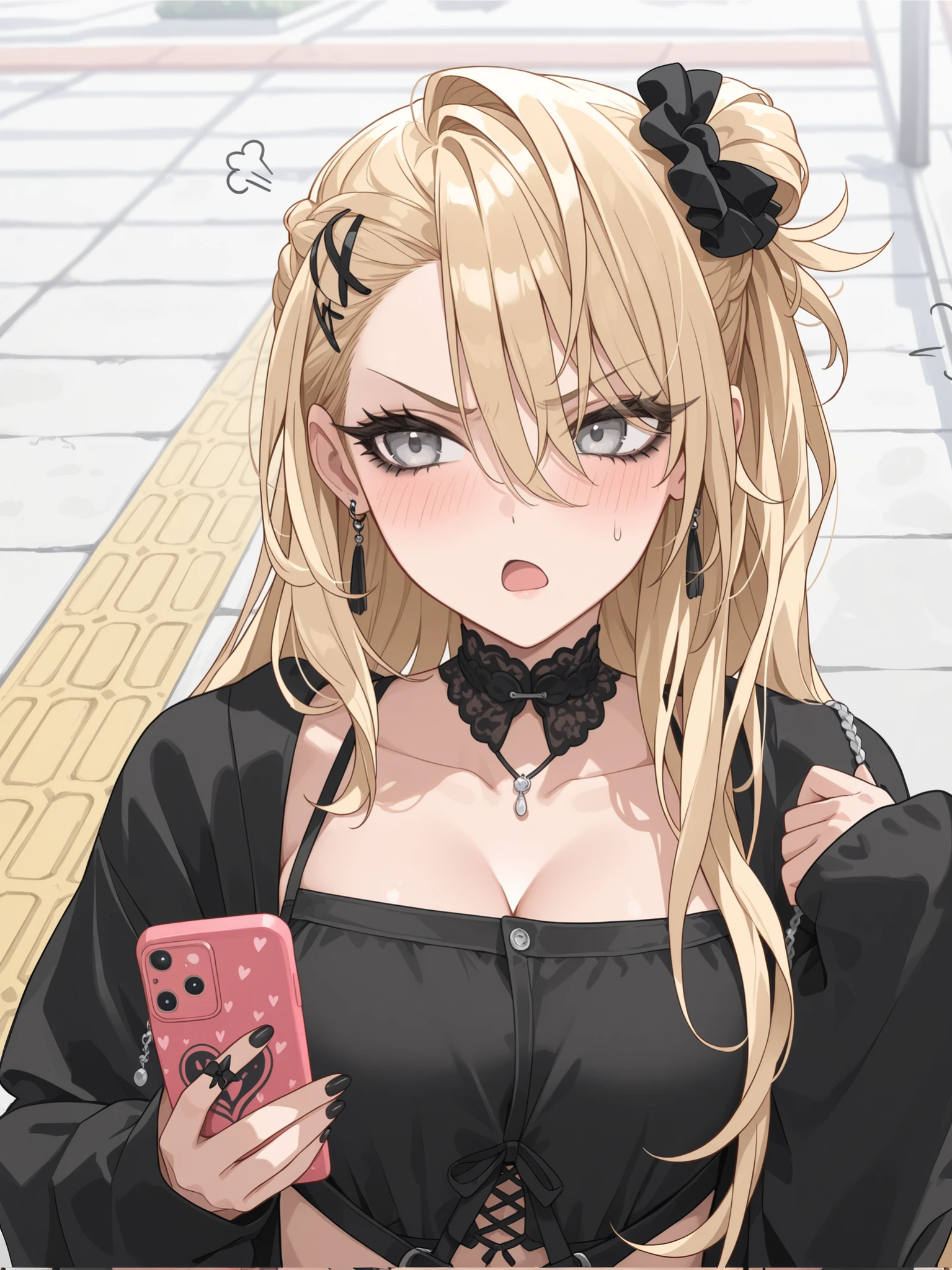
@Critical ♥
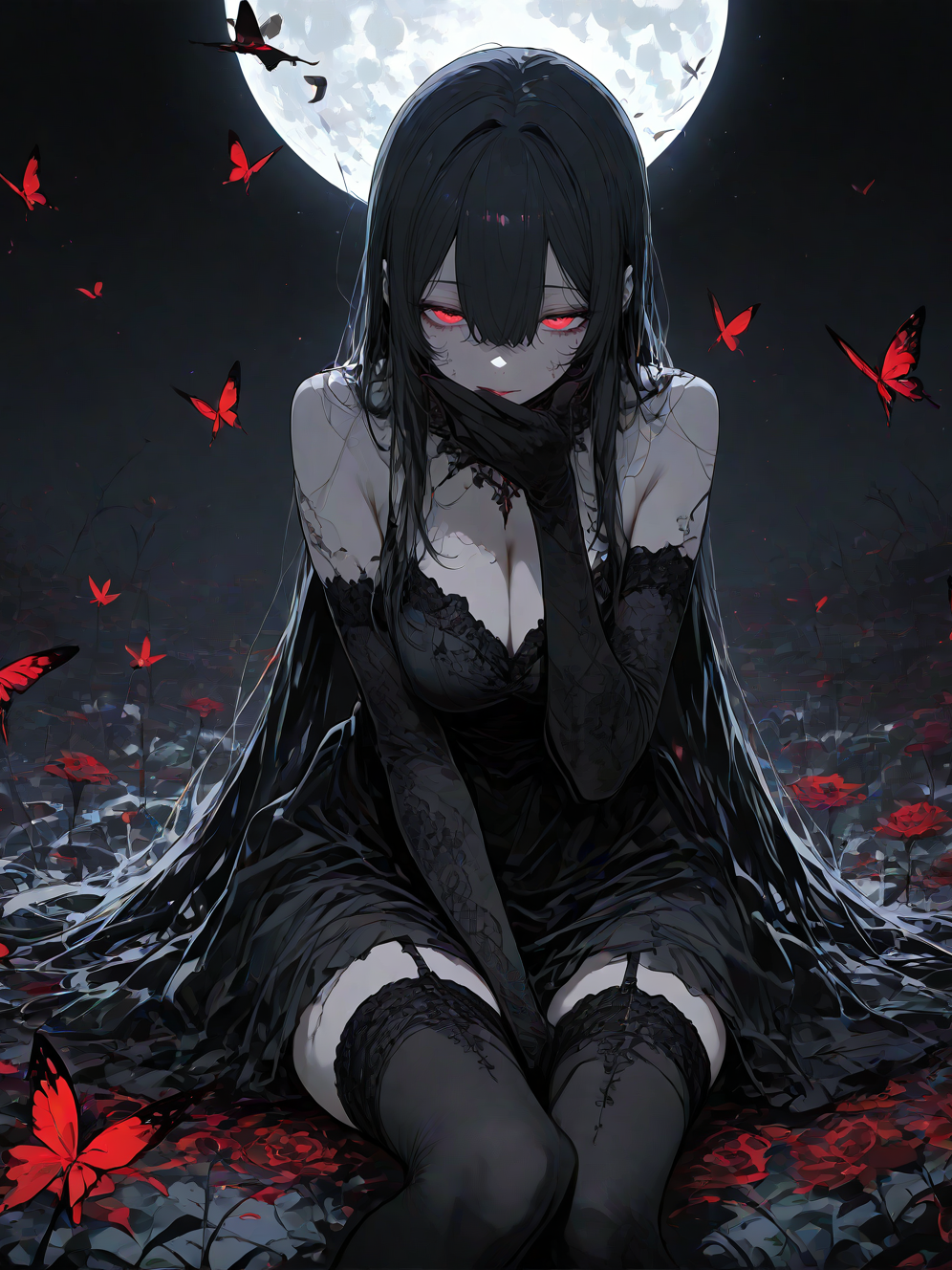
@Venom Master
@CoffeeCruncher
@Shakespeppa
@_Goose_
@Luckynohara
@SmokingTiger
@SmokingTiger
Features
NSFW AI Chat with Top-Tier Models
Experience the most advanced NSFW AI chatbot technology with models like GPT-4, Claude, and Grok. Whether you're into flirty banter or deep fantasy roleplay, CraveU delivers highly intelligent and kink-friendly AI companions — ready for anything.

Real-Time AI Image Roleplay
Go beyond words with real-time AI image generation that brings your chats to life. Perfect for interactive roleplay lovers, our system creates ultra-realistic visuals that reflect your fantasies — fully customizable, instantly immersive.

Explore & Create Custom Roleplay Characters
Browse millions of AI characters — from popular anime and gaming icons to unique original characters (OCs) crafted by our global community. Want full control? Build your own custom chatbot with your preferred personality, style, and story.

Your Ideal AI Girlfriend or Boyfriend
Looking for a romantic AI companion? Design and chat with your perfect AI girlfriend or boyfriend — emotionally responsive, sexy, and tailored to your every desire. Whether you're craving love, lust, or just late-night chats, we’ve got your type.

Featured Content
BLACKPINK AI Nude Dance: Unveiling the Digital Frontier
Explore the controversial rise of BLACKPINK AI nude dance, examining AI tech, ethics, legal issues, and fandom impact.
Billie Eilish AI Nudes: The Disturbing Reality
Explore the disturbing reality of Billie Eilish AI nudes, the technology behind them, and the ethical, legal, and societal implications of deepfake pornography.
Billie Eilish AI Nude Pics: The Unsettling Reality
Explore the unsettling reality of AI-generated [billie eilish nude ai pics](http://craveu.ai/s/ai-nude) and the ethical implications of synthetic media.
Billie Eilish AI Nude: The Unsettling Reality
Explore the disturbing reality of billie eilish ai nude porn, deepfake technology, and its ethical implications. Understand the impact of AI-generated non-consensual content.
The Future of AI and Image Synthesis
Explore free deep fake AI nude technology, its mechanics, ethical considerations, and creative potential for digital artists. Understand responsible use.
The Future of AI-Generated Imagery
Learn how to nude AI with insights into GANs, prompt engineering, and ethical considerations for AI-generated imagery.