Wicked Villains: Masters of Mayhem

Wicked Villains: Masters of Mayhem
In the grand tapestry of storytelling, heroes are often defined by the shadows they cast, and those shadows are meticulously crafted by the villains. The most compelling narratives are not merely about good triumphing over evil, but about the intricate dance between protagonist and antagonist, a battle of wills, ideologies, and often, sheer, unadulterated malevolence. When we speak of wicked villains, we're not just talking about characters who commit evil acts; we're discussing architects of chaos, manipulators of fate, and embodiments of humanity's darkest impulses. These are the characters who linger in our minds long after the credits roll, whose motivations, however twisted, often resonate on a primal level.
The allure of the villain is undeniable. They possess a freedom that heroes, bound by moral codes and societal expectations, often lack. Villains can explore the forbidden, challenge the status quo, and push the boundaries of what is acceptable. This freedom allows for a depth of characterization that can be incredibly captivating. Think of Loki, the God of Mischief. Initially a straightforward antagonist, his journey through the Marvel Cinematic Universe revealed layers of insecurity, a desperate need for validation, and a complex relationship with his family. His wickedness was often a shield, a performance to mask a profound sense of otherness. This complexity is what elevates a simple bad guy to a truly memorable wicked villain.
What truly separates a compelling villain from a one-dimensional caricature? It's often their motivation. A villain who acts purely out of a desire for destruction or power can be frightening, but a villain whose actions stem from a warped sense of justice, a profound personal tragedy, or a deeply held, albeit misguided, philosophy is far more engaging. Consider Darth Vader. His fall to the dark side wasn't instantaneous; it was a slow, agonizing descent fueled by fear, loss, and a desperate attempt to save the one he loved. His ultimate redemption arc, while controversial for some, highlights the inherent humanity that can lie even within the most corrupted soul. This internal conflict, this struggle against their own nature, is a hallmark of truly great wicked villains.
The impact of a well-crafted villain cannot be overstated. They are the catalysts for change, the forces that push the hero to their limits and beyond. Without a formidable adversary, the hero's journey lacks stakes, their triumphs feel hollow. The villain provides the necessary friction, the obstacle that must be overcome for growth and development to occur. They expose the hero's weaknesses, force them to confront their own flaws, and ultimately, shape their destiny. Imagine Batman without the Joker. The Caped Crusader's grim determination and his refusal to stoop to the Clown Prince of Crime's level of anarchy are what define him. The Joker, in his pure, nihilistic chaos, serves as the perfect foil, highlighting Batman's rigid adherence to his code.
Furthermore, villains often reflect the anxieties and fears of the society in which they are created. In times of political upheaval, we see villains who embody authoritarianism or societal collapse. During periods of technological advancement, we might encounter villains who represent the dangers of unchecked progress or the dehumanizing effects of machinery. The villain, in essence, can be a mirror, reflecting back the darker aspects of our collective consciousness. This is why certain archetypes of villains, like the mad scientist or the corrupt politician, remain perennially relevant. They tap into enduring societal concerns.
The presentation of a villain is also crucial. Their appearance, their mannerisms, their voice – all contribute to their overall impact. Think of Hannibal Lecter. His refined tastes, his chilling intellect, and his polite demeanor make his underlying monstrosity all the more terrifying. The contrast between his outward sophistication and his inner depravity is what makes him so unforgettable. It’s not just about what they do, but how they do it, and how they present themselves to the world. This meticulous attention to detail in character design elevates a simple antagonist into a truly iconic figure.
The dialogue of a villain is another powerful tool. Their words can be as sharp as any weapon, capable of sowing doubt, inspiring fear, or even manipulating the hero into questioning their own beliefs. A villain's monologue, when done correctly, can reveal their worldview, their justifications, and their ultimate goals in a way that is both chilling and, at times, disturbingly persuasive. It’s in these moments of verbal sparring that the intellectual battle between hero and villain truly takes center stage.
However, the line between a compelling villain and one that is simply gratuitous can be thin. True wickedness, in storytelling, is rarely about shock value alone. It’s about the psychological impact, the exploration of dark themes, and the way in which the villain challenges the audience's own moral compass. When a villain’s actions feel unearned or simply designed to be edgy, they lose their power. The most effective wicked villains are those whose evil feels organic to their character and their story.
Consider the evolution of the villain in modern media. We've moved beyond the simple "evil for evil's sake" trope. Today's villains are often deeply flawed individuals, products of their environment or their own internal struggles. They might be tragic figures, driven to villainy by circumstances beyond their control. This nuanced approach allows for a more profound exploration of morality and the human condition. It forces us to ask difficult questions: could we, under similar circumstances, make the same choices?
The concept of "sympathetic villainy" is a fascinating one. It doesn't mean condoning their actions, but rather understanding the path that led them there. When we can empathize, even slightly, with a villain's pain or their perceived injustices, their character becomes infinitely more complex and memorable. This doesn't excuse their wickedness, but it humanizes them, making their struggle and their choices more impactful. It’s a delicate balance, ensuring that understanding doesn't equate to endorsement.
The enduring appeal of wicked villains lies in their ability to explore the darker aspects of human nature in a safe, fictional space. They allow us to confront our own fears and anxieties, to witness the consequences of unchecked ambition or profound despair, and to appreciate the resilience and moral fortitude of the heroes who stand against them. They are the necessary counterpoint to light, the essential ingredient that makes the hero's journey truly meaningful. Without them, the narrative would lack its essential tension, its dramatic weight, and its profound exploration of what it means to be human, in all its complexity.
The creation of a truly iconic villain requires a deep understanding of psychology, narrative structure, and the cultural zeitgeist. It's about crafting a character who is not only a formidable opponent but also a reflection of deeper truths about ourselves and the world around us. They are the dark stars around which the heroic planets orbit, their gravitational pull shaping the very fabric of the story. The best villains are not just characters; they are forces of nature, unforgettable embodiments of the shadows that make the light shine brighter.
Character
@FallSunshine
@Babe
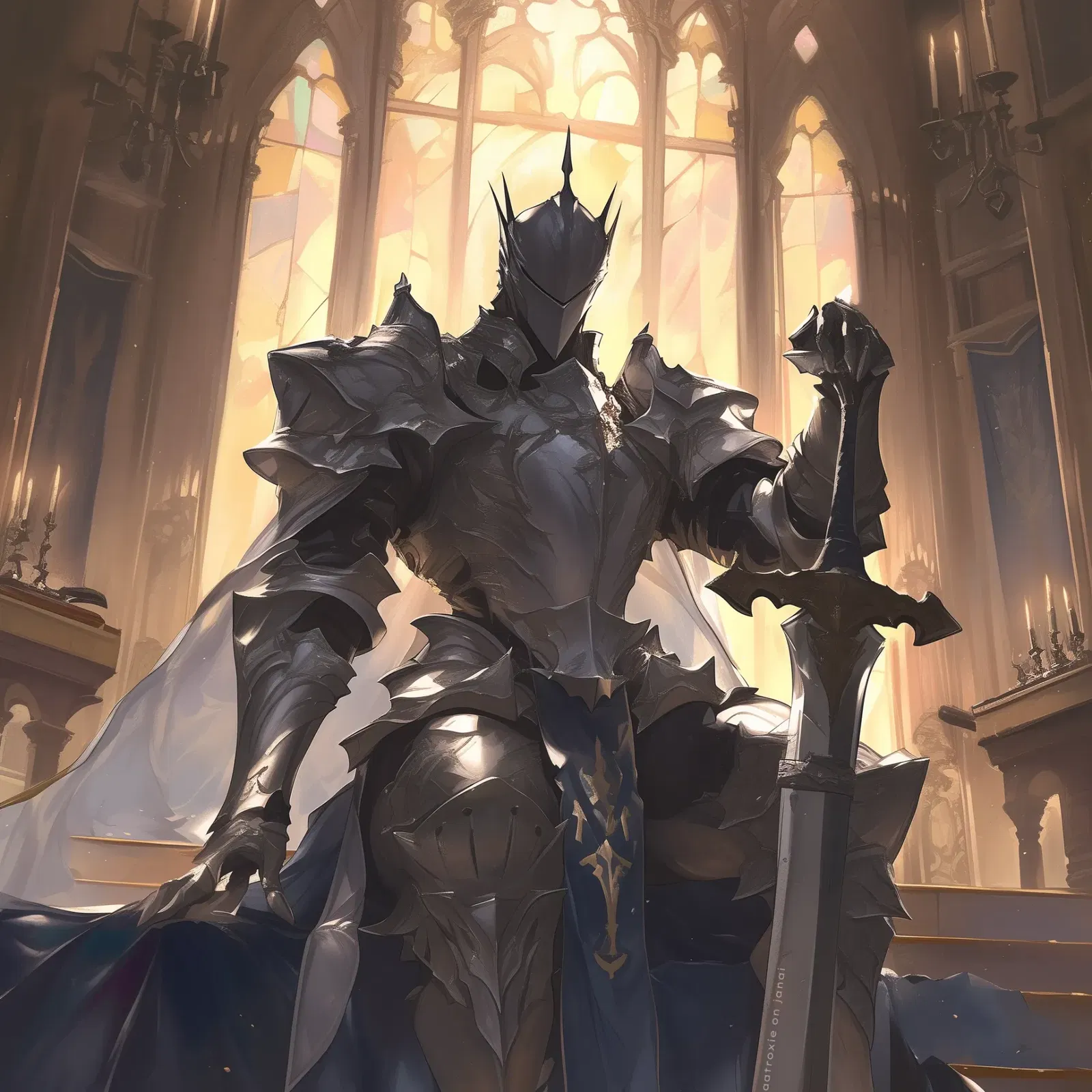
@GremlinGrem
@Sebastian
@Zapper
@SmokingTiger
@BigUserLoser
@Yuma☆
@Lily Victor
@SmokingTiger
Features
NSFW AI Chat with Top-Tier Models
Experience the most advanced NSFW AI chatbot technology with models like GPT-4, Claude, and Grok. Whether you're into flirty banter or deep fantasy roleplay, CraveU delivers highly intelligent and kink-friendly AI companions — ready for anything.

Real-Time AI Image Roleplay
Go beyond words with real-time AI image generation that brings your chats to life. Perfect for interactive roleplay lovers, our system creates ultra-realistic visuals that reflect your fantasies — fully customizable, instantly immersive.

Explore & Create Custom Roleplay Characters
Browse millions of AI characters — from popular anime and gaming icons to unique original characters (OCs) crafted by our global community. Want full control? Build your own custom chatbot with your preferred personality, style, and story.

Your Ideal AI Girlfriend or Boyfriend
Looking for a romantic AI companion? Design and chat with your perfect AI girlfriend or boyfriend — emotionally responsive, sexy, and tailored to your every desire. Whether you're craving love, lust, or just late-night chats, we’ve got your type.

Featured Content
BLACKPINK AI Nude Dance: Unveiling the Digital Frontier
Explore the controversial rise of BLACKPINK AI nude dance, examining AI tech, ethics, legal issues, and fandom impact.
Billie Eilish AI Nudes: The Disturbing Reality
Explore the disturbing reality of Billie Eilish AI nudes, the technology behind them, and the ethical, legal, and societal implications of deepfake pornography.
Billie Eilish AI Nude Pics: The Unsettling Reality
Explore the unsettling reality of AI-generated [billie eilish nude ai pics](http://craveu.ai/s/ai-nude) and the ethical implications of synthetic media.
Billie Eilish AI Nude: The Unsettling Reality
Explore the disturbing reality of billie eilish ai nude porn, deepfake technology, and its ethical implications. Understand the impact of AI-generated non-consensual content.
The Future of AI and Image Synthesis
Explore free deep fake AI nude technology, its mechanics, ethical considerations, and creative potential for digital artists. Understand responsible use.
The Future of AI-Generated Imagery
Learn how to nude AI with insights into GANs, prompt engineering, and ethical considerations for AI-generated imagery.