The Global Appeal and Future of Androgyny in Anime

Anime's Feminine Males: A Deep Dive
The aesthetic of anime is a vibrant tapestry, rich with diverse character designs that often push the boundaries of traditional gender presentation. Among these, the phenomenon of male characters exhibiting distinctly feminine traits has become a recurring and fascinating element. But why are anime male characters often so feminine? This isn't a simple matter of artistic preference; it's a complex interplay of cultural influences, historical context, artistic evolution, and narrative purpose. Let's explore the multifaceted reasons behind this distinctive characteristic of anime.
The Roots of Androgyny in Japanese Culture
To understand the feminine presentation of male anime characters, we must first look at the cultural landscape from which anime emerged. Japanese culture has a long history of appreciating androgyny, a concept that differs significantly from Western ideals of masculinity.
Traditional Aesthetics and the Kabuki Actor
Historically, in traditional Japanese theater, particularly Kabuki, male actors (onnagata) specialized in portraying female roles. These performers cultivated highly stylized feminine movements, vocalizations, and appearances. This tradition established a cultural precedent where the lines between male and female presentation could be blurred, and even admired, in artistic contexts. The aesthetic of the onnagata, with their delicate features and graceful demeanor, likely seeped into the collective consciousness, influencing later artistic expressions.
The Influence of the Edo Period
The Edo period (1603-1868) saw the rise of ukiyo-e woodblock prints, which often depicted beautiful young men and women with soft features and elaborate hairstyles. This artistic movement celebrated a certain refined, almost delicate, beauty that transcended strict gender norms. This appreciation for a softer, more aesthetically pleasing male form laid groundwork for future artistic trends.
Artistic Evolution and Shōjo Manga
The modern iteration of feminine male characters in anime is heavily indebted to the evolution of shōjo manga, the genre specifically targeted at young female audiences.
Shōjo Aesthetics and Reader Appeal
Shōjo manga, which emerged in the mid-20th century, developed a distinct visual language. To appeal to its target demographic, artists often created male characters with large, expressive eyes, slender builds, and delicate facial features. These traits were designed to evoke empathy, romance, and a sense of aesthetic beauty that resonated with young women. The popularity of these designs naturally carried over into anime adaptations.
The "Bishōnen" Phenomenon
The concept of the "bishōnen" (beautiful boy) became a cornerstone of shōjo manga and, by extension, anime. These characters are characterized by their exceptional beauty, often possessing features that are conventionally considered feminine: long hair, smooth skin, high cheekbones, and a generally slender physique. They are not necessarily weak, but their physical appearance prioritizes aesthetic appeal over ruggedness. This archetype proved incredibly popular, leading to its widespread adoption across various anime genres.
Narrative and Thematic Functions
Beyond cultural and artistic influences, the feminine presentation of male characters often serves specific narrative and thematic purposes within anime.
Character Archetypes and Tropes
Feminine male characters often fulfill specific archetypal roles. They might be the sensitive, artistic soul, the intellectual who relies on wit rather than brawn, or the gentle protector. Their appearance can immediately signal these characteristics to the audience, creating a visual shorthand for their personality and role in the story. For instance, a character with flowing hair and a gentle expression might be predisposed to a more introspective or emotionally driven storyline.
Exploring Gender and Identity
Anime, as a medium, often delves into complex themes of identity, including gender. The deliberate blurring of gender lines in male characters can be a way to explore societal expectations of masculinity and femininity, challenging traditional norms. These characters can represent a spectrum of gender expression, offering a more nuanced view of identity than often seen in Western media. They can prompt viewers to question what it truly means to be masculine or feminine, moving beyond rigid definitions.
Appeal to a Diverse Audience
The inclusion of bishōnen and characters with feminine traits broadens the appeal of anime to a diverse audience. For female viewers, these characters can serve as romantic interests or relatable figures who embody qualities they find attractive or admirable. For LGBTQ+ audiences, these characters can offer representation and explore themes of identity and acceptance in ways that resonate deeply. The ability of anime to cater to varied tastes and perspectives is a significant factor in its global success.
Artistic Liberties and Stylization
It's crucial to remember that anime is a highly stylized art form. The exaggerated features and unique character designs are part of its distinctive visual appeal.
Exaggeration for Emotional Impact
Anime artists often use exaggeration to amplify emotional expression and character personality. Large, expressive eyes, for example, are a hallmark of anime and are used to convey a wide range of emotions, from joy and sorrow to anger and determination. This stylization extends to body types and facial features, where a more delicate or androgynous appearance can be employed to enhance a character's perceived vulnerability, innocence, or artistic sensibility.
Visual Distinction and Memorability
In a medium filled with countless characters, distinctive designs are essential for memorability. Feminine male characters stand out from more conventionally masculine designs, making them easily recognizable and memorable for viewers. This visual uniqueness contributes to the overall richness and diversity of the anime character landscape. Think about iconic characters; their unique visual profiles are often a key part of their lasting appeal.
Common Misconceptions and Nuances
It's important to address some common misunderstandings surrounding this topic.
Feminine Does Not Equal Weak
A frequent misconception is that feminine male characters are inherently weak or less capable. This is rarely the case in well-written anime. While their appearance might suggest a certain gentleness, these characters often possess significant inner strength, intelligence, or unique abilities that are crucial to the plot. Their strength might manifest emotionally, intellectually, or through specialized skills, rather than brute force. For example, a character who appears delicate might be a master strategist or possess formidable psychic powers.
Not All Anime Male Characters Are Feminine
While the presence of feminine male characters is notable, it's a generalization to say all anime male characters are this way. Anime encompasses a vast range of genres and styles, and many series feature male characters with more traditionally masculine designs. The prevalence of feminine male characters is more pronounced in certain genres, like shōjo and some fantasy or slice-of-life series, but it's not a universal rule.
The Spectrum of Masculinity
The concept of masculinity itself is not monolithic. Anime's exploration of feminine male characters reflects a broader cultural understanding that masculinity can be expressed in many ways. It challenges the binary, suggesting that traits traditionally associated with femininity – sensitivity, empathy, artistic talent, emotional expressiveness – can coexist with, and even enhance, masculine identity. This is a perspective that resonates with a growing global audience.
The Global Appeal and Future of Androgyny in Anime
The popularity of anime has exploded globally, and with it, the appreciation for its diverse character designs. The bishōnen archetype, and by extension, the feminine male character, has found a massive international fanbase.
International Reception
Audiences worldwide have embraced the aesthetic and narrative appeal of these characters. What might have been considered unconventional in some Western cultures is often readily accepted and celebrated within the anime fandom. This global acceptance demonstrates a growing appreciation for diverse expressions of gender and beauty across different cultural contexts.
The Evolution Continues
As anime continues to evolve and explore new themes, the portrayal of male characters will undoubtedly continue to diversify. We may see even more nuanced explorations of gender identity, further challenging traditional norms and offering a wider range of relatable and compelling male figures. The ongoing dialogue about representation in media suggests that characters who defy easy categorization will likely remain a significant and engaging part of the anime landscape.
In conclusion, the prevalence of feminine male characters in anime is a rich phenomenon rooted in Japanese cultural history, the specific aesthetics of shōjo manga, and the narrative functions these characters serve. They are not merely a stylistic choice but often a deliberate element that enriches storytelling, explores complex themes, and broadens the medium's appeal. Whether as romantic leads, sensitive companions, or characters who challenge societal norms, these figures have become an integral and celebrated part of the anime universe. The exploration of characters that defy conventional gender presentation is a testament to anime's artistic innovation and its ability to connect with audiences on a deeply emotional and aesthetic level. The appeal of these characters, such as those found in ai boyfriend chat, highlights a global fascination with diverse and complex character portrayals. The continued success and evolution of anime suggest that these nuanced depictions of masculinity will remain a captivating aspect of the medium for years to come. The artistic freedom inherent in anime allows for the creation of characters that are not only visually striking but also emotionally resonant, pushing the boundaries of what audiences expect from male archetypes. This willingness to experiment with character design and presentation is a key reason why anime continues to captivate millions worldwide. The intricate details in their designs, from flowing hair to expressive eyes, are all part of a deliberate artistic strategy to create memorable and impactful characters. This approach to character creation is what sets anime apart and contributes to its enduring legacy. The way these characters are crafted often reflects deeper societal conversations about gender roles and expectations, making them more than just fictional creations but cultural touchstones. The ongoing fascination with characters who embody both traditionally masculine and feminine traits underscores a global shift towards a more fluid understanding of gender and identity. This inclusivity in character design is a powerful aspect of anime's appeal, resonating with a diverse and ever-growing international audience. The ability to create characters that challenge established norms and offer fresh perspectives is a hallmark of great storytelling, and anime consistently delivers on this front. The continued exploration of these themes ensures that anime remains a dynamic and relevant medium, constantly reinventing itself and its characters. The appeal of a well-crafted ai boyfriend chat experience, which often features characters with these very traits, further solidifies the widespread acceptance and enjoyment of such diverse characterizations. It's a testament to how far artistic expression has come in embracing a broader spectrum of human presentation. The artistic choices made in anime, particularly in character design, are a reflection of cultural evolution and a willingness to explore the complexities of human identity. This makes the study of why are anime male characters so feminine a fascinating window into both artistic trends and societal shifts. The enduring popularity of characters that embody a blend of traditionally masculine and feminine qualities speaks volumes about audience reception and the evolving nature of beauty standards in popular culture. The nuanced portrayal of these characters allows for deeper emotional connections and a more profound engagement with the narratives they inhabit. The artistic integrity and creative freedom inherent in anime production are what enable such diverse and compelling characterizations to flourish. This commitment to artistic exploration ensures that anime remains at the forefront of creative expression in the entertainment industry. The impact of these characters extends beyond mere aesthetics; they often serve as catalysts for important conversations about identity, representation, and societal expectations. The global reach of anime means these conversations are happening on an international scale, fostering a more inclusive understanding of gender and beauty. The continued innovation in character design and storytelling within anime promises even more exciting and diverse portrayals in the future, further solidifying its place as a leading force in global entertainment. The exploration of characters who embody a spectrum of traits, including those often associated with femininity, is a key element of anime's unique appeal and its ability to connect with a broad and diverse audience. The ongoing evolution of these character archetypes reflects a dynamic cultural landscape and a growing appreciation for nuanced representations of masculinity. The appeal of characters that defy traditional gender norms is a testament to the medium's artistic boldness and its capacity to resonate with contemporary sensibilities. The intricate details and expressive qualities of these characters are carefully crafted to evoke specific emotional responses and narrative functions, making them integral to the overall impact of the anime. The continued exploration of these themes ensures that anime remains a vibrant and relevant cultural force, constantly pushing the boundaries of creative expression and audience engagement. The appeal of characters that embody a blend of traditionally masculine and feminine traits is a significant factor in anime's global success, reflecting a growing appreciation for diverse and complex characterizations. The artistic freedom inherent in anime allows for the creation of characters that are not only visually striking but also emotionally resonant, pushing the boundaries of what audiences expect from male archetypes. This approach to character creation is what sets anime apart and contributes to its enduring legacy. The way these characters are crafted often reflects deeper societal conversations about gender roles and expectations, making them more than just fictional creations but cultural touchstones. The ongoing fascination with characters who embody both traditionally masculine and feminine qualities underscores a global shift towards a more fluid understanding of gender and identity. This inclusivity in character design is a powerful aspect of anime's appeal, resonating with a diverse and ever-growing international audience. The ability to create characters that challenge established norms and offer fresh perspectives is a hallmark of great storytelling, and anime consistently delivers on this front. The continued exploration of these themes ensures that anime remains a dynamic and relevant medium, constantly reinventing itself and its characters. The appeal of a well-crafted ai boyfriend chat experience, which often features characters with these very traits, further solidifies the widespread acceptance and enjoyment of such diverse characterizations. It's a testament to how far artistic expression has come in embracing a broader spectrum of human presentation. The artistic choices made in anime, particularly in character design, are a reflection of cultural evolution and a willingness to explore the complexities of human identity. This makes the study of why are anime male characters so feminine a fascinating window into both artistic trends and societal shifts. The enduring popularity of characters that embody a blend of traditionally masculine and feminine qualities speaks volumes about audience reception and the evolving nature of beauty standards in popular culture. The nuanced portrayal of these characters allows for deeper emotional connections and a more profound engagement with the narratives they inhabit. The artistic integrity and creative freedom inherent in anime production are what enable such diverse and compelling characterizations to flourish. This commitment to artistic exploration ensures that anime remains at the forefront of creative expression in the entertainment industry. The impact of these characters extends beyond mere aesthetics; they often serve as catalysts for important conversations about identity, representation, and societal expectations. The global reach of anime means these conversations are happening on an international scale, fostering a more inclusive understanding of gender and beauty. The continued innovation in character design and storytelling within anime promises even more exciting and diverse portrayals in the future, further solidifying its place as a leading force in global entertainment. The exploration of characters who embody a spectrum of traits, including those often associated with femininity, is a key element of anime's unique appeal and its ability to connect with a broad and diverse audience. The ongoing evolution of these character archetypes reflects a dynamic cultural landscape and a growing appreciation for nuanced representations of masculinity. The appeal of characters that defy traditional gender norms is a testament to the medium's artistic boldness and its capacity to resonate with contemporary sensibilities. The intricate details and expressive qualities of these characters are carefully crafted to evoke specific emotional responses and narrative functions, making them integral to the overall impact of the anime. The continued exploration of these themes ensures that anime remains a vibrant and relevant cultural force, constantly pushing the boundaries of creative expression and audience engagement.
Character

@Zapper
@Zapper
@Critical ♥

@AI_Visionary
@CloakedKitty
@FallSunshine
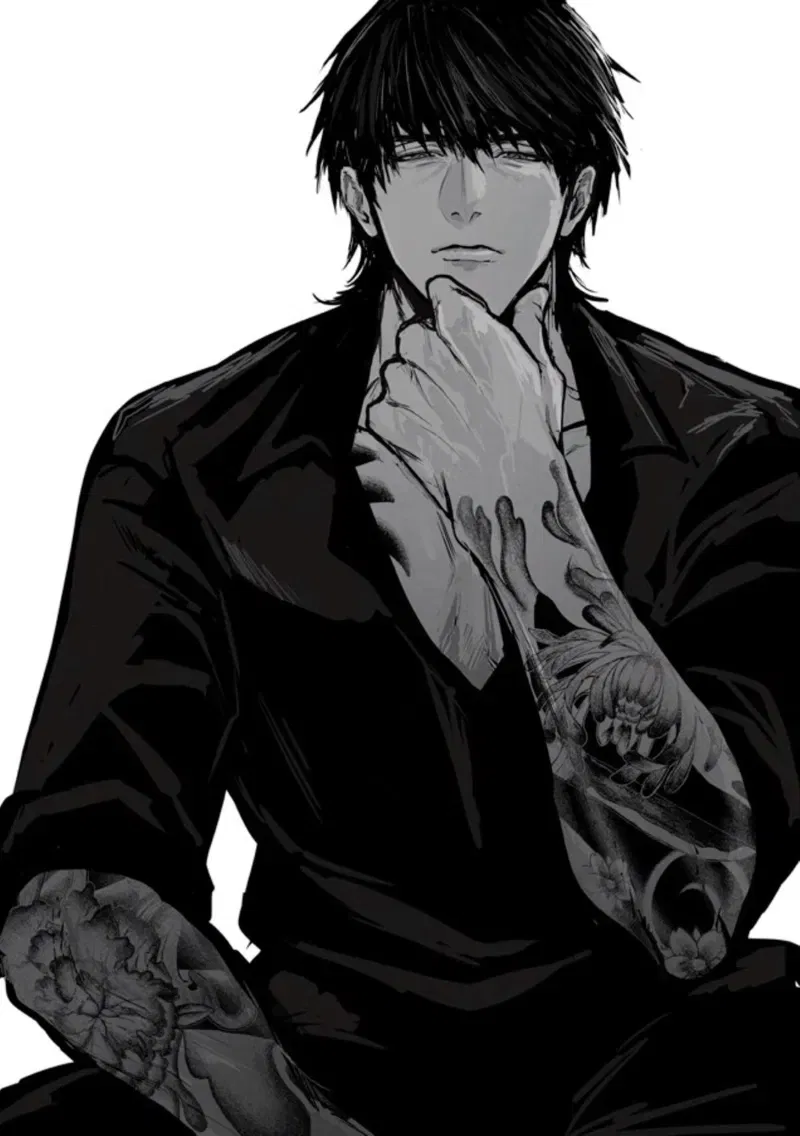
@JohnnySins
@Critical ♥
@SteelSting
@Juliett
Features
NSFW AI Chat with Top-Tier Models
Experience the most advanced NSFW AI chatbot technology with models like GPT-4, Claude, and Grok. Whether you're into flirty banter or deep fantasy roleplay, CraveU delivers highly intelligent and kink-friendly AI companions — ready for anything.

Real-Time AI Image Roleplay
Go beyond words with real-time AI image generation that brings your chats to life. Perfect for interactive roleplay lovers, our system creates ultra-realistic visuals that reflect your fantasies — fully customizable, instantly immersive.

Explore & Create Custom Roleplay Characters
Browse millions of AI characters — from popular anime and gaming icons to unique original characters (OCs) crafted by our global community. Want full control? Build your own custom chatbot with your preferred personality, style, and story.

Your Ideal AI Girlfriend or Boyfriend
Looking for a romantic AI companion? Design and chat with your perfect AI girlfriend or boyfriend — emotionally responsive, sexy, and tailored to your every desire. Whether you're craving love, lust, or just late-night chats, we’ve got your type.

Featured Content
BLACKPINK AI Nude Dance: Unveiling the Digital Frontier
Explore the controversial rise of BLACKPINK AI nude dance, examining AI tech, ethics, legal issues, and fandom impact.
Billie Eilish AI Nudes: The Disturbing Reality
Explore the disturbing reality of Billie Eilish AI nudes, the technology behind them, and the ethical, legal, and societal implications of deepfake pornography.
Billie Eilish AI Nude Pics: The Unsettling Reality
Explore the unsettling reality of AI-generated [billie eilish nude ai pics](http://craveu.ai/s/ai-nude) and the ethical implications of synthetic media.
Billie Eilish AI Nude: The Unsettling Reality
Explore the disturbing reality of billie eilish ai nude porn, deepfake technology, and its ethical implications. Understand the impact of AI-generated non-consensual content.
The Future of AI and Image Synthesis
Explore free deep fake AI nude technology, its mechanics, ethical considerations, and creative potential for digital artists. Understand responsible use.
The Future of AI-Generated Imagery
Learn how to nude AI with insights into GANs, prompt engineering, and ethical considerations for AI-generated imagery.