CraveU

Unraveling Sou YTTD: A Deep Dive into Shin Tsukimi's Complex Mind

Explore Sou YTTD, Shin Tsukimi's complex psyche in Your Turn To Die, his manipulations, relationships, and desperate fight for survival.
Start Now
craveu cover image

The Genesis of "Sou Hiyori": From Shin Tsukimi to Survivalist

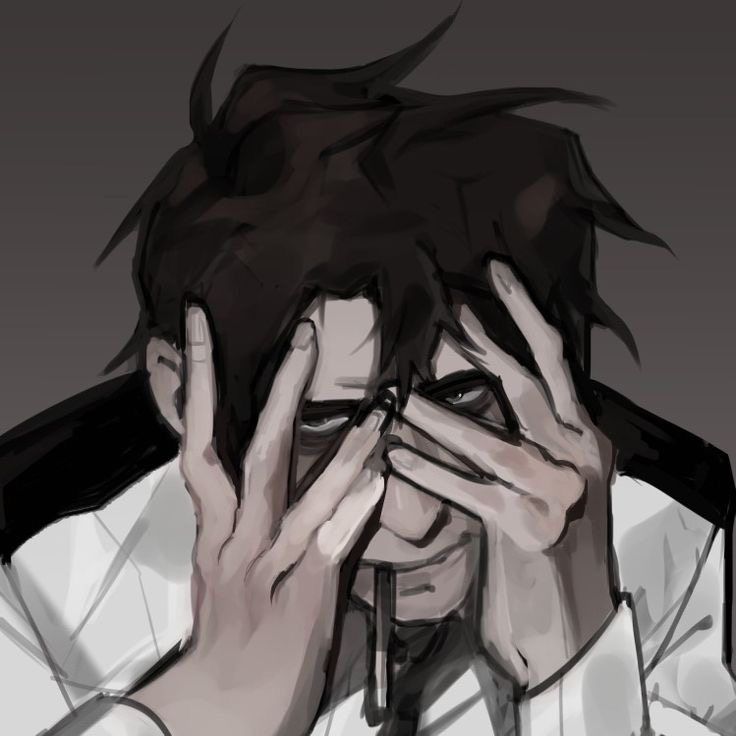
Before delving into the complexities of "Sou Hiyori," it’s crucial to understand the man behind the alias: Shin Tsukimi. Shin was, by all accounts, a nervous, awkward, and fundamentally harmless individual before being ensnared in the Death Game. His initial demeanor upon meeting Sara and the other participants in Chapter 1 is one of shyness, even timidity, coupled with an underlying secrecy. This facade, however, is quickly pierced by the player's early suspicion, a premonition fueled by fleeting glimpses of a mysterious silhouette in the prologue that bears a striking resemblance to him. The true identity of "Sou Hiyori" is not merely an alias but a persona Shin Tsukimi adopts to navigate the treacherous landscape of the death game. The name itself, "Sou Hiyori," belonged to another character—a malevolent figure known as Midori, who profoundly tormented Shin in the past. This abusive relationship with Midori, an individual described as a manipulator who pretended to be Shin's friend while inflicting suffering, left an indelible mark on Shin's psyche. It's theorized that Shin chose this name either out of a twisted homage to his tormentor, internalizing the ruthlessness he learned, or perhaps as a shield, a name he could use to distance himself from his true, vulnerable self, knowing that the game would demand a colder, more calculating individual to survive. Shin’s transformation into "Sou Hiyori" is born from a chilling revelation: his 0.0% chance of survival within the death game. This brutal statistic, presented to him during his "First Trial" by the enigmatic organization Asunaro, instilled in him a profound sense of panic and a desperate, frantic drive for self-preservation. Faced with an overwhelming disadvantage, Shin concluded that his only path to survival lay in shedding his true self and adopting a ruthless, manipulative persona. He believed he had no chance of winning by conventional means, forcing him to embrace the role of the "bad guy." This backstory provides a crucial lens through which to view Sou's often antagonistic actions – they are not born of inherent malice, but a deeply ingrained fear and a distorted understanding of what it takes to survive in an impossible scenario.

The Web of Deception: Sou's Role in the Death Game

Sou Hiyori’s primary role in Your Turn To Die is that of a complex, often antagonistic force, whose actions are meticulously designed to tip the scales of survival in his favor, even at the expense of others. He is a master of psychological warfare, leveraging information, distrust, and emotional manipulation to his advantage. One of Sou’s earliest and most significant deceptions occurs in the first Main Game. Despite Sara Chidouin holding the actual "Keymaster" card, Sou brazenly claims to be the Keymaster himself. This audacious lie immediately casts doubt on Sara, making her appear dishonest to the other participants who have witnessed Sou’s earlier, seemingly timid demeanor. His motive here is clear: to erode the trust placed in Sara, the protagonist who naturally assumes a leadership role, and to sow seeds of discord within the group, making them question everyone's sincerity. As the player, witnessing this manipulation unfold, it creates an immediate sense of unease and establishes Sou as a character who cannot be trusted at face value. Beyond direct lies, Sou employs subtle yet potent manipulative tactics. He is observed placing the "role cards" for the first Main Game, an act that foreshadows his deep understanding of the game's mechanics and his willingness to exploit them. A prime example is his manipulation of Kanna Kizuchi. He strategically leaves the "Sacrifice" card for her to find, then, in a feigned act of benevolence, offers to swap it for a harmless "Commoner" card. This move positions him as Kanna's savior, creating a debt of gratitude and ensuring her cooperation, even though he was the one who initially placed her in jeopardy. This intricate dance of calculated risk and false altruism is a hallmark of Sou's survival strategy. Sou’s actions are not always purely self-serving in their immediate outcome, but they are always driven by his core objective. He actively tries to dismantle the bonds forming between other participants, particularly between Sara and her closest allies. For instance, he attempts to sow distrust between Sara and Keiji Shinogi, or to turn Sara against Q-taro Burgerberg, by twisting conversations and suggesting ulterior motives. He seeks to isolate individuals, making them more vulnerable and easier to control, thereby increasing his own relative strength within the group. His infamous line, "You'll never know who will come to attack you," delivered to Sara with peculiar intensity, underscores his paranoia and his belief that everyone is a potential threat.

The Nuances of Character: A Lying, Yet Empathetic Soul?

While often presented as an antagonist, Sou Hiyori is far from a one-dimensional villain. His character is imbued with a striking moral ambiguity that makes him one of Your Turn To Die's most fascinating and human elements. Despite his manipulative exterior, glimpses of Shin Tsukimi's true, more vulnerable self frequently surface, creating a compelling internal conflict. One of the most profound instances of this duality is seen in his relationship with Kanna Kizuchi. Despite his manipulations, Sou develops a fiercely protective, almost sibling-like bond with Kanna. He is shown to be genuinely distraught if Kanna is voted to die, even going to extreme lengths to take her place in one route of Chapter 2. This protective instinct, often referred to by fans as the "green blings" dynamic, suggests a deeper capacity for care and affection than his ruthless persona would imply. It implies that even within the confines of his self-preservation, certain relationships transcend his cynical view of humanity. The contrast between his harsh treatment of Sara and his genuine concern for Kanna highlights the selective nature of his perceived alliances. Furthermore, Sou’s personality isn't consistently cold and calculating. When his meticulously constructed lies are exposed, he can "pull a Nagito Komaeda," breaking down and revealing the raw, uncontained fear and trust issues that drive him. This volatile reaction, accompanied by his distinctive theme song "Not So, Sou," underscores his deeply fractured mental state. He insults others for their ability to form bonds so easily in a death game, projecting his own profound inability to trust onto them. Yet, this outburst, while abrasive, is also a window into his genuine pain and the immense psychological pressure he is under due to his 0.0% survival rate. The path chosen by the player significantly impacts Sou's character development and his relationship with Sara. In the route where Sou himself dies (often seen as a more "heroic" death), his true personality and feelings are revealed. In his final moments, he expresses gratitude towards Sara and even goes as far as to program a comforting AI version of Joe Tazuna for her, designed to alleviate her hallucinations and provide solace. This act of profound kindness from a character who largely antagonized Sara throughout the game reveals the buried empathy of Shin Tsukimi, proving that even in his darkest hours, a spark of genuine goodwill could shine through. Conversely, in the route where Kanna dies and Sou survives, he becomes consumed by vengeance, directing extreme hostility towards Sara and the others, showcasing the potential for his fear and grief to manifest as destructive rage. This divergence emphasizes the game's exploration of how extreme circumstances can shape, or deform, an individual's moral compass.

The Psychological Depth: Why Sou Resonates

The enduring appeal and controversy surrounding Sou Hiyori stem from his profound psychological depth and his embodiment of complex moral questions. He is a character designed to challenge the player's empathy, forcing them to look beyond surface-level antagonism to understand the motivations behind his actions. Sou's distrust is not unfounded; it's a direct consequence of his grim survival probability within the death game. Imagine being told, unequivocally, that you have virtually no chance of escaping alive. Such a revelation would undoubtedly shatter one's sense of security and foster a deep paranoia. His constant questioning of others' motives, while frustrating for the player, is a defense mechanism born from this existential dread. He views trust as a weakness, a luxury he cannot afford, especially when faced with Sara, who appears to garner trust effortlessly despite being a high school student. This contrast fuels his suspicion that Sara might be "wearing a mask" or conspiring against him, leading him to interpret her actions unfavorably. Moreover, Sou's manipulative tendencies are theorized to be a learned behavior, potentially stemming from his own past experiences with Midori. If he was a victim of manipulation, it makes sense that he would adopt similar tactics to survive, viewing them as necessary tools in a world where he is constantly disadvantaged. This cyclical nature of abuse, where the victim becomes a perpetrator out of desperation, adds another layer of tragedy to his character. The narrative design around Sou challenges players to confront their own biases and capacity for empathy. The game often presents Sou's actions in a way that encourages immediate judgment, yet later revelations invite a re-evaluation. For instance, the game doesn't explicitly state that Sou intentionally gave Joe the Sacrifice card, though characters (and players) might assume it. This ambiguity forces players to consider whether their interpretations are based on concrete evidence or their own ingrained distrust of Sou. It's a deliberate choice by the game's creator, Nankidai, to make Sou "YTTD's ultimate test" of empathy, prompting players to ask: "Did he put Kanna in his debt, or was he helping her out? Did he force her to take the hit in the first Main Game, or did she come out as Sage to help him?" The answers often lie in the player's willingness to look beyond the immediate villainous presentation and consider the deep-seated fear and trauma that underpin Sou's every move.

Relationships: A Mirror to His Soul

Sou's interactions with the other participants of the death game are not merely plot devices; they serve as critical reflections of his inner turmoil and the faint embers of his true self. The relationship between Sou and Kanna is arguably the most poignant and revealing of Sou's connections. Despite his general distrust and manipulative nature, Sou harbors a deep, almost paternal, protectiveness towards Kanna. Their dynamic is often described as sibling-like, with fans affectionately calling them "green blings" (green siblings). Sou's willingness to literally sacrifice himself to save Kanna in Chapter 2, a stark contrast to his self-preservation instincts, powerfully demonstrates the depth of his care. He struggles immensely with the thought of her dying, even when he himself initiated the dangerous card swap that put her at risk. This complexity highlights that his manipulations are not born of pure malice, but a desperate, albeit misguided, attempt to ensure her survival alongside his own. Some fan theories even speculate a biological relation between them, further emphasizing the protective instinct. Sou’s relationship with Sara Chidouin, the protagonist, is defined by antagonism and a profound lack of trust, yet it is also inextricably linked to his core motivations. Sou perceives Sara as a threat due to her high survival rate and the innate trust she commands from others. He sees her as someone who effortlessly gathers allies and wields influence, a stark contrast to his own precarious position. This fuels his attempts to sabotage her, discredit her, and isolate her from the group. His nightmare of Sara killing him, described as her "true self," underscores his deep-seated fear and suspicion of her. However, their dynamic is not static. The outcome of the second Main Game profoundly alters their relationship. If Kanna dies, Sou’s grief and rage are directed squarely at Sara, whom he blames for the outcome. This leads to a route where he becomes relentlessly hostile and vengeful. Conversely, if Sou dies, his final act of creating a comforting AI Joe for Sara reveals a surprising depth of genuine care, a realization that even his antagonist had some empathy for the protagonist's suffering. This route offers a glimpse of what their relationship could have been, had circumstances not forced Sou into his defensive, manipulative persona. The relationship between Shin Tsukimi and Midori (the original Sou Hiyori) is the dark foundation upon which Shin's persona is built. Midori was an abuser who manipulated and tormented Shin, leaving him deeply scarred. This toxic past informs much of Shin's subsequent actions, particularly his distrust and his adoption of the "Sou Hiyori" alias. It’s a classic case of the tormented becoming the tormentor, not out of inherent evil, but out of a desperate attempt to gain control and agency after being so thoroughly stripped of it. The confrontation with Midori, especially in later chapters, is a deeply personal battle for Shin, representing his struggle to overcome the psychological chains of his past.

Theories and Speculations: Peering Deeper into Sou YTTD

The enigmatic nature of Sou Hiyori has spawned a multitude of fan theories, each attempting to unravel the layers of his deception and trauma. These theories not only enrich the Your Turn To Die experience but also highlight the game's success in crafting a character that compels endless analysis. One prominent theory posits that Sou (Shin) was manipulated in the past, leading him to adopt similar manipulative tactics. This "learned behavior" theory suggests that his cunning is a survival mechanism honed by prior trauma, rather than an inherent personality trait. It adds a layer of tragic irony, as he inflicts upon others the very psychological pain he himself endured. Another compelling theory revolves around the idea that Shin's 0.0% survival rate wasn't just a number but a deliberate psychological weapon used by Asunaro to break him and force his transformation into the "Sou Hiyori" persona. If he was truly given no chance from the outset, it explains his extreme measures and his deep-seated paranoia, reinforcing the idea that his villainy is a desperate act born of impossible odds. The familial connection theory, suggesting that Kanna, Shin (Sou), and even Midori might be related, continues to circulate. While speculative, it would provide a powerful narrative backbone for Sou’s intense protectiveness over Kanna, transforming it from a mere bond into a deep-seated biological drive. This theory leverages visual similarities (teal eyes, greenish hair) and the narrative's penchant for hidden connections. Sou's dreams, particularly the one at the start of Chapter 2 Part 2, are also subjects of intense scrutiny. This dream, which sees him dead in the Hidden Room and ultimately killed by Sara, contains lines that mirror Sara's own prophetic dreams, suggesting a deeper, perhaps subconscious, understanding of their intertwined fates and the game's mechanisms. Analyzing these dream sequences allows fans to explore the characters' subconscious fears and the symbolic nature of the death game. Beyond these specific theories, there's a broader philosophical discussion among fans: Is Sou Hiyori truly evil, or is he a victim of circumstances forced to make impossible choices? The consensus leans towards the latter, viewing him as a deeply broken individual whose actions, while harmful, stem from a primal fear of annihilation. This perspective transforms him from a simple antagonist into a tragic figure, making Your Turn To Die a compelling exploration of human nature under duress.

The Narrative Impact: Why Sou YTTD Matters

Sou Hiyori's presence in Your Turn To Die is indispensable to its narrative richness and thematic depth. He serves multiple crucial functions: * Driving Conflict: Sou consistently challenges the protagonist, Sara, and her attempts to foster unity. His manipulations and distrust force Sara to grow, adapt, and make difficult moral choices, thereby propelling the plot forward and escalating the stakes. * Moral Ambiguity: He embodies the central theme of moral grayness within the death game. In a situation where survival is paramount, the lines between right and wrong blur. Sou forces players to question their own moral frameworks and consider what they would do in similar impossible circumstances. * Psychological Realism: Sou's fear, paranoia, and manipulative tendencies are uncomfortably realistic portrayals of how an individual might crack under extreme pressure. His descent into a "bad guy" persona, born from a 0.0% survival rate, makes him a relatable, albeit disturbing, exploration of human fragility. * Player Empathy Test: As mentioned, Sou is a deliberate challenge to the player's capacity for empathy. The game encourages judging him, then slowly peels back layers to reveal his trauma, forcing a re-evaluation. This makes the player an active participant in his character analysis, rather than a passive observer. * Dynamic Relationships: His complex relationships, especially with Kanna and Sara, add significant emotional weight and narrative branching. The choices made around Sou directly impact the flow of the story and the emotional resonance of character deaths. His character forces players to engage not just with the puzzles and votes, but with the profound ethical dilemmas presented by the death game. Could you trust someone who has betrayed you, even if their motives stem from an understandable place of fear? How far is too far for survival? These are the questions Sou Hiyori relentlessly poses.

Enduring Legacy and Fan Reception in 2025

Even in 2025, years after its initial release, Your Turn To Die and its cast of complex characters, especially Sou YTTD, maintain a dedicated and passionate fanbase. Discussions surrounding his motivations, his "true" nature, and the moral implications of his actions continue to thrive across online communities and fan content platforms. From detailed character analyses to fan theories exploring every subtle nuance of his dialogue and expressions, Sou remains a cornerstone of the YTTD fandom. His journey from the timid Shin Tsukimi to the manipulative Sou Hiyori, and the faint glimpses of empathy that pierce through his carefully constructed facade, resonate deeply with players. He serves as a powerful reminder that in the crucible of a death game, humanity is stripped bare, revealing both its capacity for cruelty and its enduring spark of connection. The sheer volume of fan-made content—from character discussions on YouTube to fan fiction exploring alternative routes and relationships—attests to his enduring appeal and the lasting impression he has left on players. The ongoing development of Your Turn To Die, with Chapter 3 Part 1-B available and Chapter 3 Part 2 still anticipated, means that Sou’s story is not yet fully concluded. This anticipation only fuels further speculation and discussion, ensuring that "Sou YTTD" will remain a topic of intense interest for years to come. The potential for further revelations about his past, his connection to Midori, and his ultimate fate continues to captivate players, cementing his status as one of the most memorable and psychologically rich characters in modern indie gaming.

Conclusion

Sou Hiyori, or more accurately, Shin Tsukimi, is a testament to sophisticated character design in interactive storytelling. He is a character that challenges, frustrates, and ultimately captivates. His journey through the Your Turn To Die game is a harrowing exploration of fear, manipulation, and the desperate struggle for survival. Yet, within his cunning lies a fragile individual, a victim of circumstance and past trauma, whose rare moments of genuine kindness and vulnerability illuminate the complex tapestry of human nature. By meticulously crafting a character so morally ambiguous, so driven by fear yet capable of profound connection, Nankidai has ensured that Sou Hiyori is more than just a participant in a death game; he is a mirror reflecting the player’s own biases, fears, and capacity for empathy. His enduring presence in fan discussions and the game's ongoing narrative solidifies his legacy as a deeply compelling and unforgettable figure in the world of visual novels. Understanding Sou YTTD is not just about dissecting a character, but about engaging with the very essence of survival, morality, and the human condition. ---

Features

NSFW AI Chat with Top-Tier Models

Experience the most advanced NSFW AI chatbot technology with models like GPT-4, Claude, and Grok. Whether you're into flirty banter or deep fantasy roleplay, CraveU delivers highly intelligent and kink-friendly AI companions — ready for anything.

NSFW AI Chat with Top-Tier Models feature illustration

Real-Time AI Image Roleplay

Go beyond words with real-time AI image generation that brings your chats to life. Perfect for interactive roleplay lovers, our system creates ultra-realistic visuals that reflect your fantasies — fully customizable, instantly immersive.

Real-Time AI Image Roleplay feature illustration

Explore & Create Custom Roleplay Characters

Browse millions of AI characters — from popular anime and gaming icons to unique original characters (OCs) crafted by our global community. Want full control? Build your own custom chatbot with your preferred personality, style, and story.

Explore & Create Custom Roleplay Characters feature illustration

Your Ideal AI Girlfriend or Boyfriend

Looking for a romantic AI companion? Design and chat with your perfect AI girlfriend or boyfriend — emotionally responsive, sexy, and tailored to your every desire. Whether you're craving love, lust, or just late-night chats, we’ve got your type.

Your Ideal AI Girlfriend or Boyfriend feature illustration

FAQs

What makes CraveU AI different from other AI chat platforms?

CraveU stands out by combining real-time AI image generation with immersive roleplay chats. While most platforms offer just text, we bring your fantasies to life with visual scenes that match your conversations. Plus, we support top-tier models like GPT-4, Claude, Grok, and more — giving you the most realistic, responsive AI experience available.

What is SceneSnap?

SceneSnap is CraveU’s exclusive feature that generates images in real time based on your chat. Whether you're deep into a romantic story or a spicy fantasy, SceneSnap creates high-resolution visuals that match the moment. It's like watching your imagination unfold — making every roleplay session more vivid, personal, and unforgettable.

Are my chats secure and private?

Are my chats secure and private?
CraveU AI
Experience immersive NSFW AI chat with Craveu AI. Engage in raw, uncensored conversations and deep roleplay with no filters, no limits. Your story, your rules.
© 2025 CraveU AI All Rights Reserved