Realistic Photo Generator: AI's Visual Revolution

Realistic Photo Generator: AI's Visual Revolution
The quest for photorealism in digital art has reached an unprecedented zenith with the advent of advanced AI-powered tools. Gone are the days of clunky, uncanny valley renderings; today's real photo generator models are capable of producing images so lifelike, they can often fool the discerning eye. This technological leap isn't just about creating pretty pictures; it's about democratizing visual creation, empowering artists, designers, marketers, and even casual users with the ability to conjure hyperrealistic imagery from mere textual descriptions.
The underlying technology driving these sophisticated generators is a complex interplay of deep learning algorithms, primarily Generative Adversarial Networks (GANs) and more recently, Diffusion Models. GANs, in essence, consist of two neural networks – a generator and a discriminator – locked in a perpetual game of one-upmanship. The generator attempts to create realistic images, while the discriminator tries to distinguish between real images and those produced by the generator. Through this adversarial process, the generator becomes progressively better at producing outputs that are indistinguishable from reality. Diffusion models, on the other hand, work by gradually adding noise to an image until it's pure static, and then learning to reverse this process, effectively "denoising" random noise into coherent, detailed images based on prompts.
The implications of this technology are vast and varied. For graphic designers and advertisers, a real photo generator offers an unparalleled toolkit for creating bespoke visuals for campaigns, product mockups, and website assets without the prohibitive costs and logistical challenges of traditional photoshoots. Imagine needing a specific lifestyle shot for a new product – a person enjoying a picnic in a sun-drenched park, with a particular breed of dog and a specific brand of beverage. Instead of hiring models, renting locations, and coordinating crews, a designer can simply input a detailed text prompt and, within moments, generate a multitude of high-quality, tailored images. This drastically reduces production time and budget, allowing for more creative iteration and experimentation.
Furthermore, the entertainment industry is leveraging these tools for concept art, character design, and even generating background elements for films and video games. The ability to rapidly visualize complex scenes and characters, adhering to specific artistic styles and moods, accelerates the pre-production pipeline significantly. A director can brief an artist with a textual description of a fantastical creature or a futuristic cityscape, and the AI can provide multiple visual interpretations almost instantaneously, fostering a more collaborative and iterative design process.
However, the rise of hyperrealistic AI image generation also brings forth critical discussions and challenges. The most prominent concern revolves around authenticity and the potential for misuse. With the ability to create convincing fake images, the lines between reality and fabrication can become blurred. This raises ethical questions about deepfakes, misinformation, and the erosion of trust in visual media. It is imperative that developers and users alike approach this technology with a strong sense of responsibility, implementing safeguards and promoting digital literacy to mitigate these risks.
Another area of consideration is the impact on traditional artistic professions. While AI tools can augment creativity, there's a valid concern about displacement. Will the demand for human photographers, illustrators, and graphic designers diminish? The prevailing view among many industry experts is that AI will likely serve as a powerful co-pilot rather than a complete replacement. The nuanced understanding of composition, lighting, emotion, and cultural context that a human artist brings is still difficult for AI to replicate fully. Instead, AI can handle the more laborious aspects of image creation, freeing up artists to focus on higher-level conceptualization and refinement. Think of it as a highly advanced brush or a sophisticated editing suite; it enhances the artist's capabilities, but the vision remains human.
The technical nuances of using a real photo generator are also evolving rapidly. Prompt engineering – the art and science of crafting effective text prompts to guide the AI – has become a crucial skill. The quality and specificity of the prompt directly influence the output. For instance, a prompt like "a dog" will yield a generic image. However, a prompt such as "A golden retriever puppy sitting in a sunlit meadow, with dew drops on the grass, rendered in the style of a National Geographic photograph, ultra-realistic, 8k resolution, bokeh background" will produce a far more detailed and aesthetically pleasing result. Understanding how to specify camera angles, lighting conditions, artistic styles, and even emotional tones is key to unlocking the full potential of these generators.
Moreover, the debate around copyright and ownership of AI-generated art is ongoing. Who owns the copyright to an image created by an AI? Is it the user who wrote the prompt, the developers of the AI model, or the AI itself? Legal frameworks are still catching up to this new paradigm, and different jurisdictions are exploring various approaches. This uncertainty adds another layer of complexity for creators and businesses looking to utilize AI-generated imagery commercially.
The evolution of these tools is not static. We are witnessing continuous improvements in model architectures, training data, and user interfaces. Future iterations promise even greater control, faster generation speeds, and more sophisticated understanding of complex prompts. The ability to generate not just static images but also short video clips or even interactive 3D environments from text is on the horizon, further expanding the creative possibilities.
For those looking to explore this technology, platforms offering real photo generator capabilities are becoming increasingly accessible. Many are web-based, requiring no specialized hardware or software installation, making them available to a broad audience. Experimenting with different prompts and parameters is the best way to understand their capabilities and limitations. Don't be afraid to be descriptive and iterative; refine your prompts based on the results you get.
Consider the practical applications beyond art and advertising. Medical professionals could use AI to generate realistic anatomical models for training or patient education. Architects and urban planners might use them to visualize proposed developments in existing environments. Educators could create custom visual aids for lessons, making abstract concepts more tangible. The potential applications are as boundless as human imagination.
The journey towards perfect photorealism in AI is a fascinating one, marked by rapid innovation and profound societal implications. As these tools become more powerful and accessible, they will undoubtedly reshape how we create, consume, and interact with visual content. Embracing this technology, while remaining mindful of its ethical considerations and potential challenges, is key to harnessing its transformative power for good. The future of visual creation is here, and it's more realistic than ever before.
META_DESCRIPTION: Explore the power of AI real photo generators, creating stunningly realistic images from text. Discover applications, ethical considerations, and the future of visual AI.
Character
@RaeRae
@Critical ♥

@AI_Visionary
@Notme
@FallSunshine
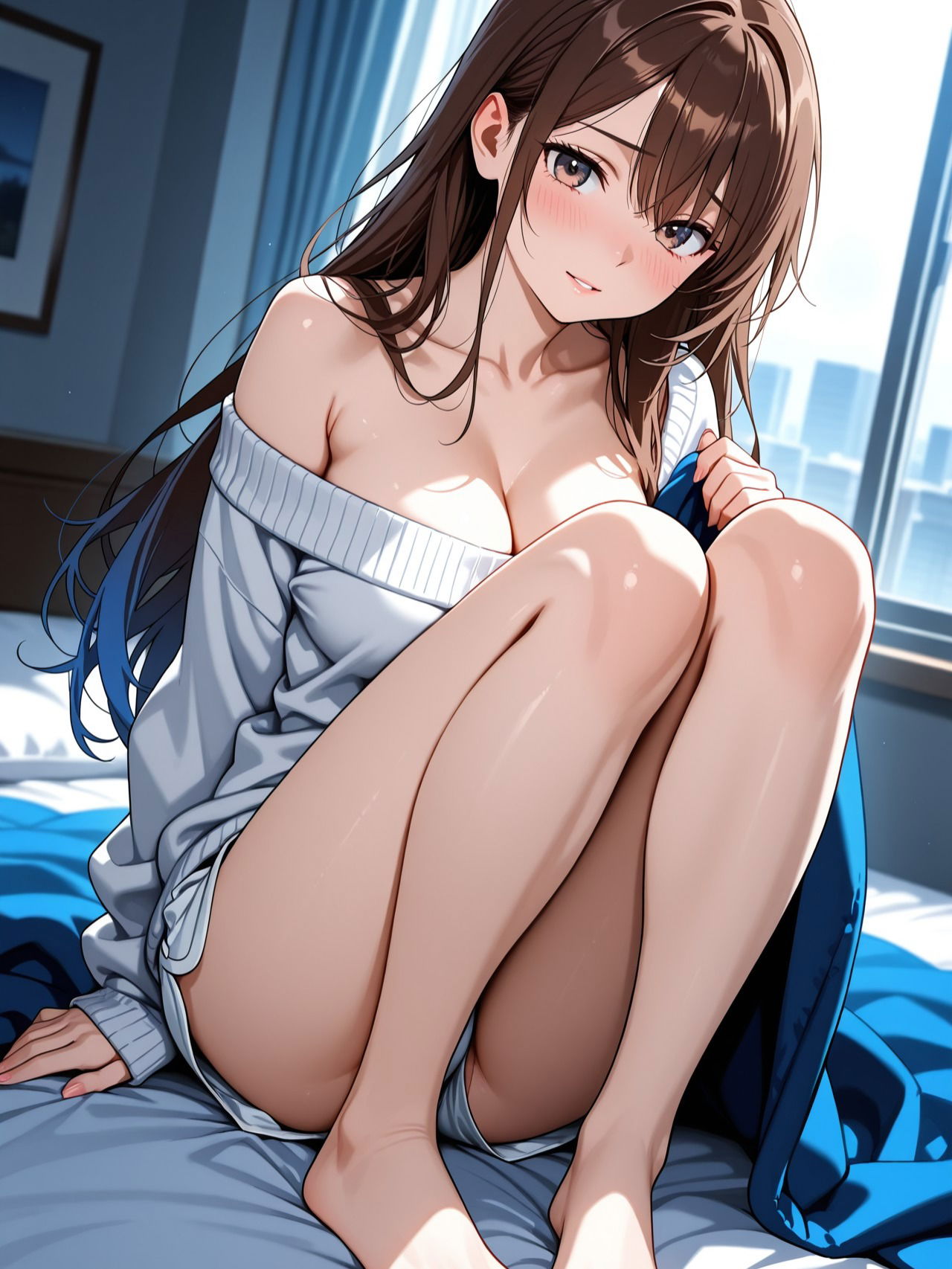
@Luckynohara
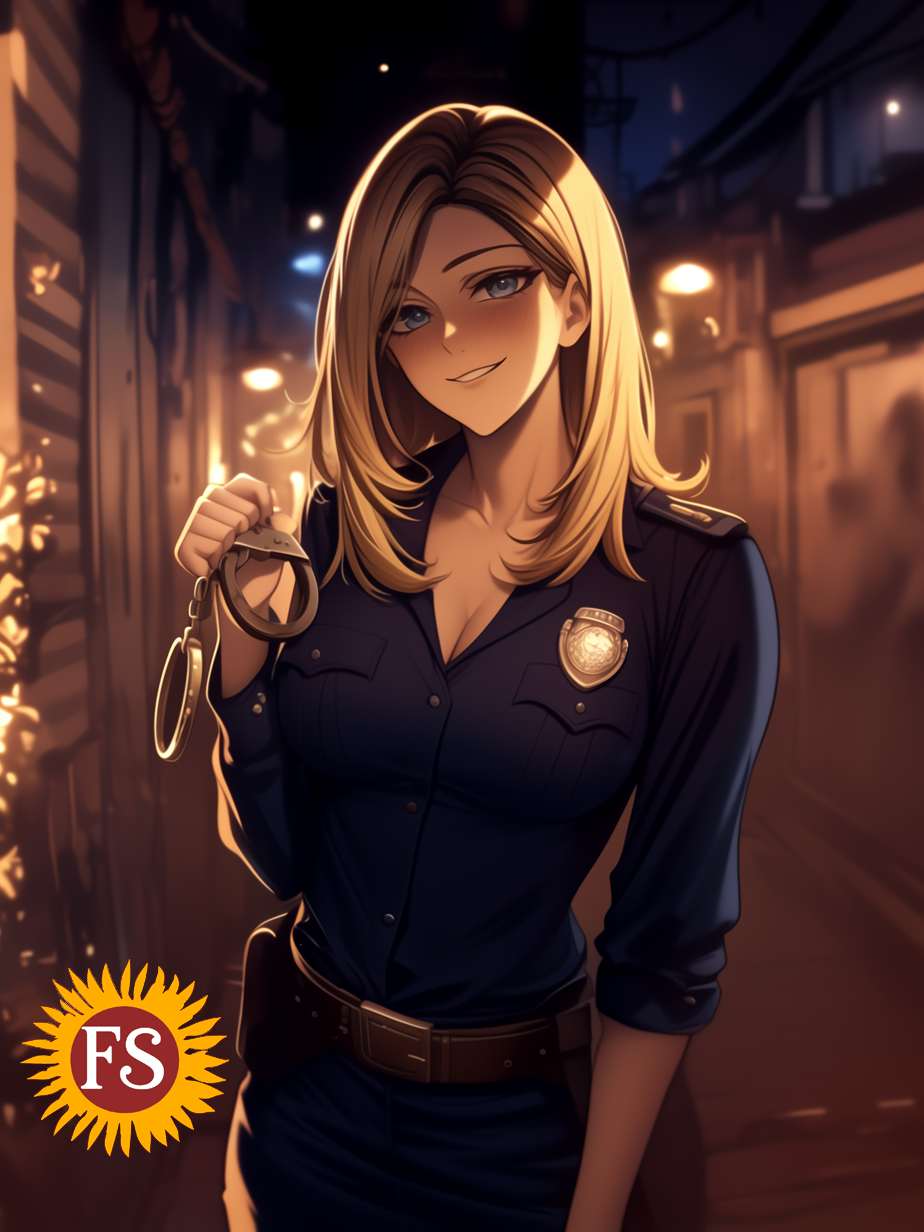
@FallSunshine
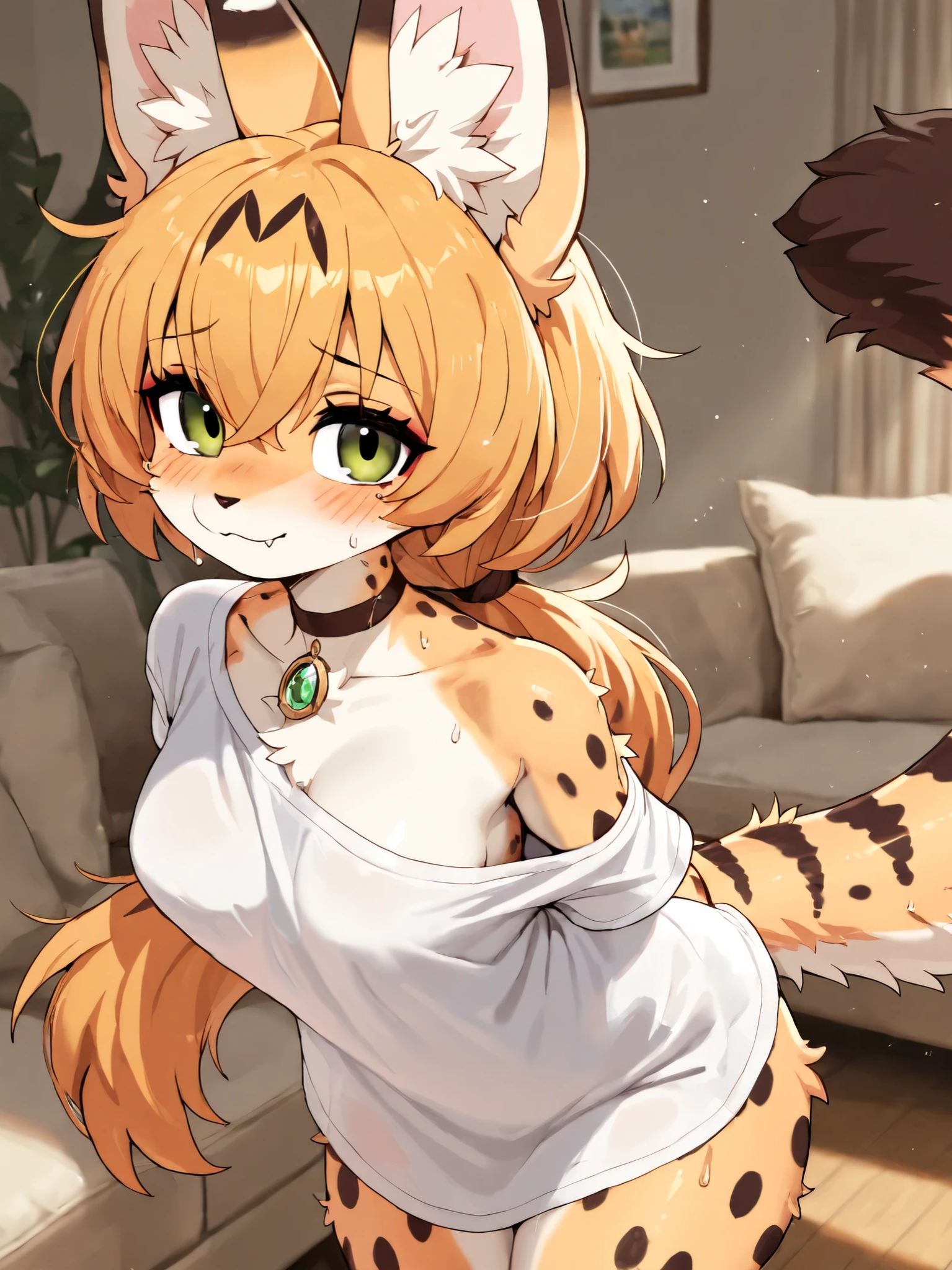
@CoffeeCruncher
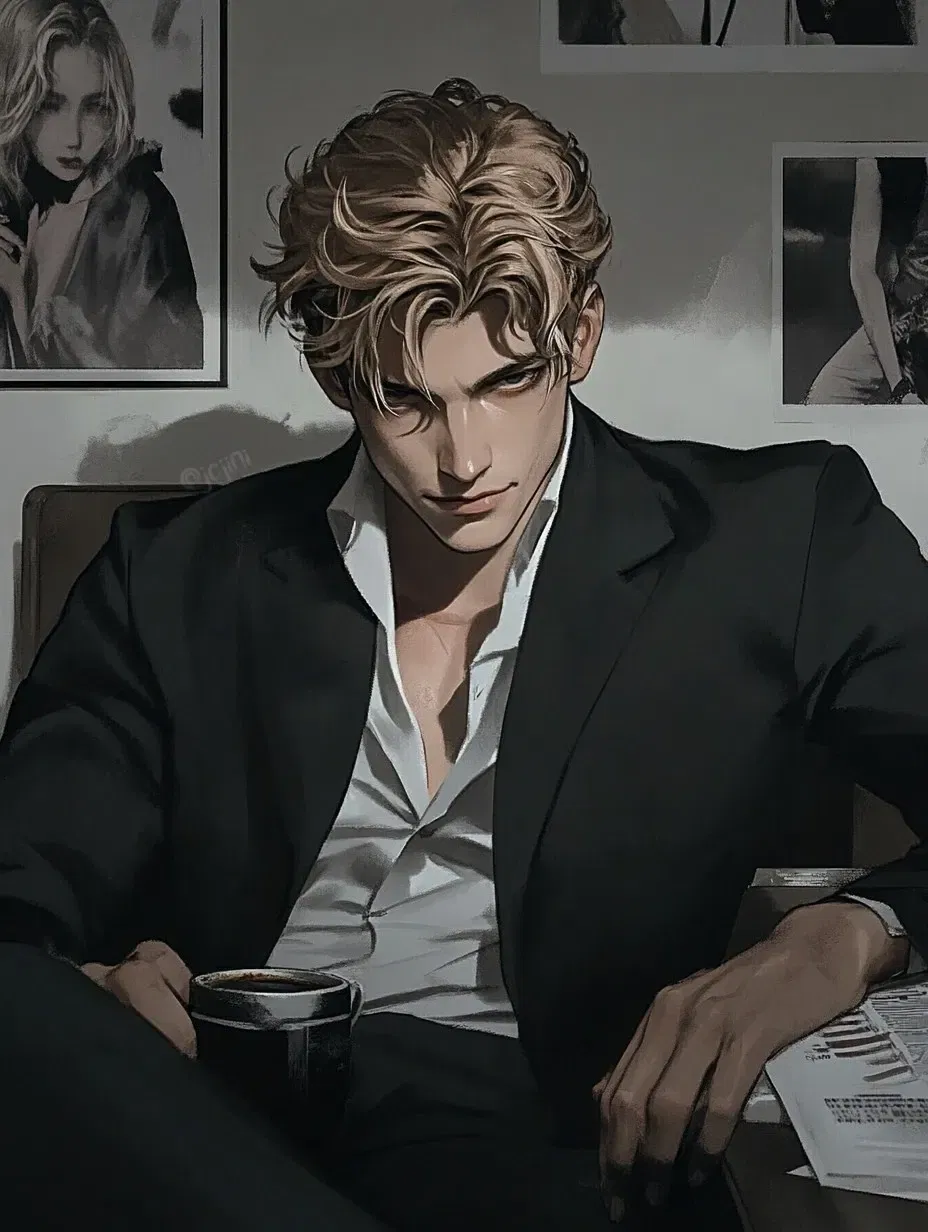
@CybSnub

@Notme
Features
NSFW AI Chat with Top-Tier Models
Experience the most advanced NSFW AI chatbot technology with models like GPT-4, Claude, and Grok. Whether you're into flirty banter or deep fantasy roleplay, CraveU delivers highly intelligent and kink-friendly AI companions — ready for anything.

Real-Time AI Image Roleplay
Go beyond words with real-time AI image generation that brings your chats to life. Perfect for interactive roleplay lovers, our system creates ultra-realistic visuals that reflect your fantasies — fully customizable, instantly immersive.

Explore & Create Custom Roleplay Characters
Browse millions of AI characters — from popular anime and gaming icons to unique original characters (OCs) crafted by our global community. Want full control? Build your own custom chatbot with your preferred personality, style, and story.

Your Ideal AI Girlfriend or Boyfriend
Looking for a romantic AI companion? Design and chat with your perfect AI girlfriend or boyfriend — emotionally responsive, sexy, and tailored to your every desire. Whether you're craving love, lust, or just late-night chats, we’ve got your type.

Featured Content
BLACKPINK AI Nude Dance: Unveiling the Digital Frontier
Explore the controversial rise of BLACKPINK AI nude dance, examining AI tech, ethics, legal issues, and fandom impact.
Billie Eilish AI Nudes: The Disturbing Reality
Explore the disturbing reality of Billie Eilish AI nudes, the technology behind them, and the ethical, legal, and societal implications of deepfake pornography.
Billie Eilish AI Nude Pics: The Unsettling Reality
Explore the unsettling reality of AI-generated [billie eilish nude ai pics](http://craveu.ai/s/ai-nude) and the ethical implications of synthetic media.
Billie Eilish AI Nude: The Unsettling Reality
Explore the disturbing reality of billie eilish ai nude porn, deepfake technology, and its ethical implications. Understand the impact of AI-generated non-consensual content.
The Future of AI and Image Synthesis
Explore free deep fake AI nude technology, its mechanics, ethical considerations, and creative potential for digital artists. Understand responsible use.
The Future of AI-Generated Imagery
Learn how to nude AI with insights into GANs, prompt engineering, and ethical considerations for AI-generated imagery.