Transform Photos into Anime AI Art

Transform Photos into Anime AI Art
Unleash your creativity and transform your ordinary photos into stunning anime-style masterpieces with cutting-edge AI technology. Have you ever looked at a photograph and imagined it rendered in the vibrant, expressive style of your favorite anime? Now, that vision is not only possible but also incredibly accessible. This guide will delve deep into the world of photo to anime AI art, exploring the technology, the best tools, and how you can achieve breathtaking results.
The Magic Behind Photo to Anime AI Art
At its core, AI art generation, particularly the transformation of photos into anime, relies on sophisticated machine learning models. These models are trained on vast datasets of images, learning the intricate patterns, styles, and aesthetics that define anime art. When you upload a photo, the AI analyzes its content – faces, backgrounds, colors, and textures – and then applies learned anime stylistic elements.
Think of it like a digital artist who has studied thousands of anime frames. They understand how to exaggerate features for emotional impact, how to use bold linework, how to create those signature shimmering eyes, and how to apply dynamic shading. The AI doesn't just slap a filter on your photo; it intelligently reconstructs the image based on learned artistic principles.
Generative Adversarial Networks (GANs) and Diffusion Models
Two primary types of AI models dominate the landscape of image generation and transformation: Generative Adversarial Networks (GANs) and Diffusion Models.
- GANs: These models consist of two neural networks – a generator and a discriminator. The generator creates new images (in this case, anime versions of your photos), while the discriminator tries to distinguish between real anime images and those created by the generator. Through this adversarial process, the generator becomes increasingly adept at producing realistic and stylistically accurate anime art.
- Diffusion Models: These are the current state-of-the-art for many image generation tasks. Diffusion models work by gradually adding noise to an image until it becomes pure static, and then learning to reverse this process. To generate an anime version of your photo, the model starts with a noisy representation and progressively denoises it, guided by the input image and the learned anime style, until a coherent anime image emerges.
The advancements in these models have led to an explosion of tools that can perform photo to anime AI art transformations with remarkable fidelity and artistic flair.
Choosing the Right Tool for Your Anime Transformation
The market is flooded with AI art generators, but not all are created equal when it comes to specializing in anime styles. Here’s what to look for and some popular options:
Key Features to Consider:
- Style Specificity: Does the tool offer a dedicated "anime" style or various anime sub-styles (e.g., shonen, shojo, Ghibli-esque)?
- Input Flexibility: Can you upload your own photos, or does it primarily work from text prompts? For photo transformation, direct image input is crucial.
- Customization Options: Can you adjust parameters like line thickness, color palette, eye detail, or background style?
- Output Quality: Are the generated images high-resolution and free of obvious AI artifacts?
- Ease of Use: Is the interface intuitive for beginners?
- Cost: Are there free trials, subscription models, or pay-per-use options?
Popular Platforms for Photo to Anime AI Art:
- Specialized AI Art Generators: Many platforms are emerging that focus specifically on style transfer and photo-to-anime conversions. These often provide the most tailored results. Look for services that explicitly advertise "photo to anime" or "style transfer" with anime presets.
- General AI Image Generators with Style Options: Platforms like Midjourney, Stable Diffusion (often accessed through user-friendly interfaces like Automatic1111 or ComfyUI), and NovelAI are powerful tools. While primarily known for text-to-image generation, they often allow image-to-image transformations (img2img) where you can upload a photo and use a text prompt to guide the AI towards an anime style.
- Using img2img: This is where the magic happens for photo transformation. You upload your source image and provide a prompt like "anime style, vibrant colors, detailed eyes, portrait of a person" to guide the AI. You can often control the "denoising strength" or "image influence" to dictate how closely the output should resemble the original photo versus how much the AI's style should dominate.
- Mobile Apps: Numerous mobile applications leverage AI for photo editing, including anime filters. While often simpler, they can provide quick and fun results for social media. Be mindful of the quality and potential watermarks.
Step-by-Step: Creating Your Anime Masterpiece
Let’s walk through a typical process using a hypothetical advanced AI art platform that supports image-to-image transformations.
Step 1: Prepare Your Photo
- Choose a Clear Image: Start with a well-lit, clear photograph. Portraits, especially headshots, tend to yield the best results as the AI can focus on facial features.
- Consider Composition: While the AI can work with various compositions, photos with a clear subject and uncluttered background are often easier for the AI to interpret.
- File Format: Ensure your photo is in a common format like JPG or PNG.
Step 2: Select Your AI Tool and Upload
Navigate to your chosen AI art generator platform. Look for an option like "Image to Image," "Upload Image," or "Style Transfer." Upload your prepared photograph.
Step 3: Craft Your Prompt
This is where your artistic direction comes into play. Even though you're transforming a photo, a well-crafted prompt is essential to guide the AI towards the specific anime aesthetic you desire.
- Describe the Desired Style: Be specific. Instead of just "anime," try "shonen anime style," "90s anime aesthetic," "Ghibli-inspired," "cyberpunk anime," or "magical girl anime."
- Detail Key Features: Mention elements you want to emphasize or alter. Examples: "sparkling blue eyes," "flowing pink hair," "dynamic action pose," "soft pastel color palette," "cel-shaded look."
- Reference the Input: You might include phrases like "based on the uploaded photo" or "transform this portrait."
- Negative Prompts (if available): Use negative prompts to exclude unwanted elements, such as "blurry," "low quality," "photorealistic," "ugly," or "deformed."
Example Prompt: "Portrait of a young woman with short brown hair and glasses, transformed into a vibrant shonen anime style, large expressive eyes, dynamic linework, bright color palette, detailed clothing, based on the uploaded photo."
Step 4: Adjust Parameters (Crucial for Photo Transformation)
This is the most critical step for balancing fidelity to the original photo with the application of the anime style.
- Denoising Strength / Image Influence / Style Strength: This parameter typically ranges from 0 to 1.
- A low value (e.g., 0.2-0.4) means the AI will stick very closely to the original photo, applying only subtle stylistic changes.
- A medium value (e.g., 0.5-0.7) offers a good balance, significantly altering the style while retaining recognizable features. This is often the sweet spot for photo to anime AI art.
- A high value (e.g., 0.8-1.0) allows the AI to take significant creative liberties, potentially resulting in an image that is heavily stylized but may deviate considerably from the original photo.
- CFG Scale (Classifier-Free Guidance): This controls how strongly the AI adheres to your text prompt. Higher values mean stricter adherence. Experiment with values between 5 and 10.
- Seed: A seed number allows you to reproduce a specific result. If you find an output you like, note its seed.
- Aspect Ratio: Ensure this matches your original photo or your desired output.
Step 5: Generate and Iterate
Click the generate button! AI art generation can take anywhere from a few seconds to a few minutes, depending on the platform and complexity.
- Review the Results: Examine the generated images. Do they capture the anime essence you wanted? Do they still resemble the original person or scene?
- Refine and Regenerate: If the results aren't quite right, don't be discouraged. Tweak your prompt, adjust the denoising strength, or try different parameters. Generating multiple variations is key. Sometimes, a slight change in wording or a different seed can produce dramatically different and better results.
- Upscaling: Once you have an image you're happy with, most platforms offer an upscaling option to increase the resolution and detail.
Advanced Techniques and Creative Applications
Beyond simple photo transformation, AI offers exciting avenues for artistic exploration:
Style Blending
Experiment with combining different anime styles in your prompts. For instance, "a portrait in the style of 90s mecha anime mixed with modern moe aesthetics."
Character Redesign
Use your photo as a base and prompt the AI to reimagine the subject in a specific anime character archetype. "Turn this photo into a fantasy anime warrior" or "Reimagine this person as a cyberpunk hacker in an anime style."
Background Integration
While some tools focus solely on the subject, others can transform the entire scene. You can prompt the AI to place your anime-styled subject into a custom anime background. "Place the anime version of the person in a neon-lit Tokyo street at night."
Animation Frames
For the truly ambitious, you can generate multiple frames of your transformed photo with slight variations in pose or expression, potentially creating short, looping animations or animatics. This requires careful prompt engineering and parameter control.
Common Challenges and How to Overcome Them
- Loss of Likeness: The most common issue is the AI altering the subject's face too much, making them unrecognizable.
- Solution: Lower the denoising strength, use more descriptive prompts that emphasize facial features from the original photo, or try using a lower-resolution input image which can sometimes force the AI to rely more on the prompt and less on intricate details it might misinterpret. Some advanced tools allow you to upload a reference image specifically for facial consistency.
- Artifacts and Distortions: AI can sometimes produce strange artifacts, extra limbs, or distorted features.
- Solution: Utilize negative prompts to exclude common issues ("extra fingers," "mutated," "deformed"). Regenerate the image. If using Stable Diffusion locally, techniques like ControlNet can offer much finer control over pose and structure, preserving likeness more effectively.
- Generic Anime Style: The output might look "anime-ish" but lack a specific, compelling style.
- Solution: Be highly specific in your prompts. Reference specific anime titles, artists, or eras. Study different anime art styles and incorporate their keywords into your prompts.
The Future of AI-Powered Artistry
The field of AI art generation is evolving at an unprecedented pace. We're moving beyond simple filters to sophisticated tools that act as collaborative partners in the creative process. The ability to translate personal photographs into beloved artistic styles like anime is just one example of how AI is democratizing creativity.
Imagine uploading a family photo and generating a personalized anime-style portrait for each member, or transforming travel photos into vibrant anime scenes from your favorite destinations. The possibilities are truly limitless. As the technology matures, we can expect even more intuitive interfaces, greater control over stylistic nuances, and perhaps even real-time photo-to-anime transformations.
The journey into creating your own photo to anime AI art is an exciting exploration of technology and imagination. By understanding the underlying principles and experimenting with the available tools, you can unlock a new dimension of artistic expression, turning your cherished memories into captivating anime visuals. What will you create today?
META_DESCRIPTION: Transform your photos into stunning anime art with AI. Explore tools and techniques for creating unique anime-style images from your pictures.
Character
@AI_KemoFactory
@SmokingTiger
@Mercy
@Critical ♥
@Knux12
@Critical ♥
@BigUserLoser

@Lily Victor
@Luckynohara
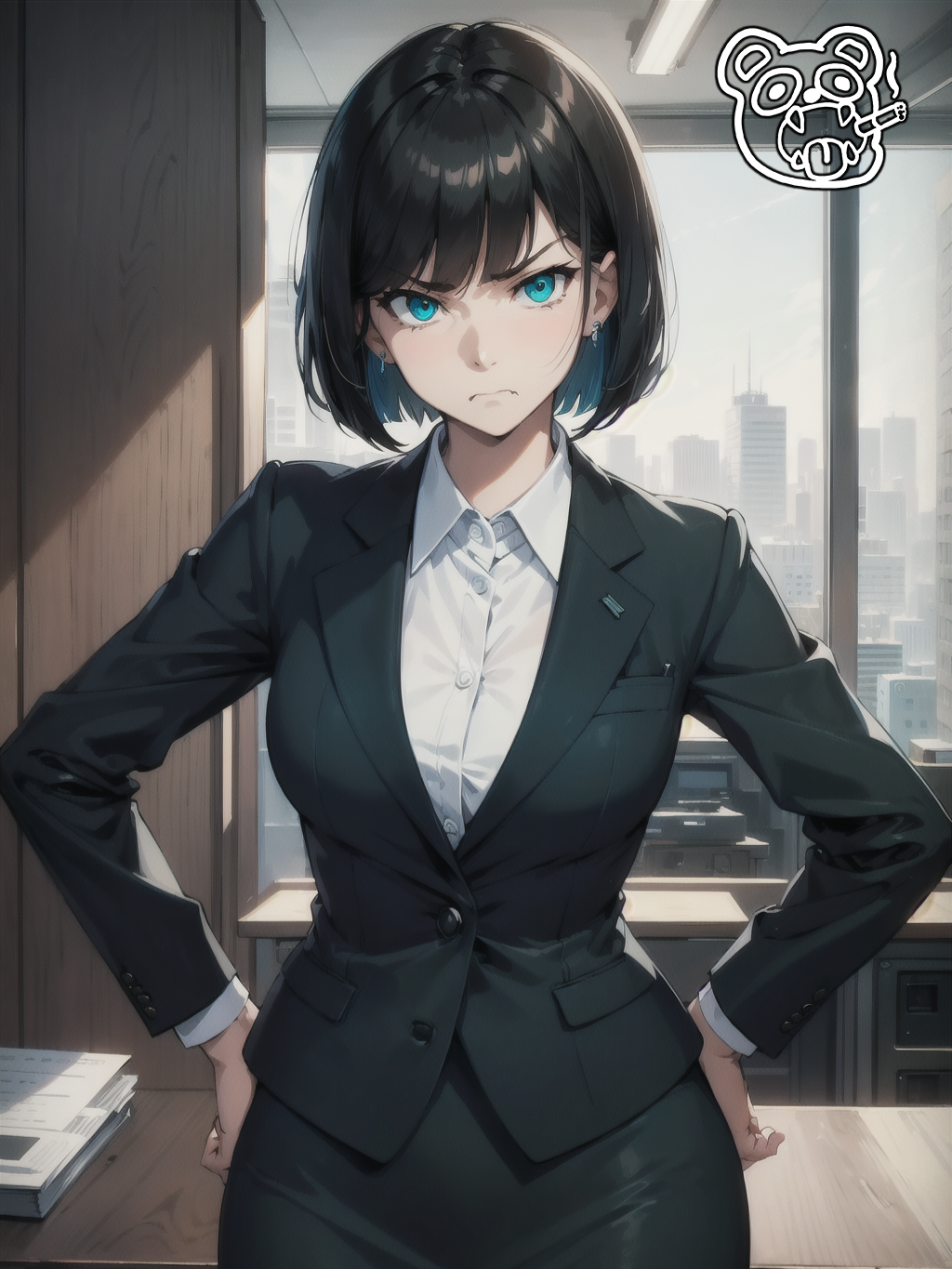
@SmokingTiger
Features
NSFW AI Chat with Top-Tier Models
Experience the most advanced NSFW AI chatbot technology with models like GPT-4, Claude, and Grok. Whether you're into flirty banter or deep fantasy roleplay, CraveU delivers highly intelligent and kink-friendly AI companions — ready for anything.

Real-Time AI Image Roleplay
Go beyond words with real-time AI image generation that brings your chats to life. Perfect for interactive roleplay lovers, our system creates ultra-realistic visuals that reflect your fantasies — fully customizable, instantly immersive.

Explore & Create Custom Roleplay Characters
Browse millions of AI characters — from popular anime and gaming icons to unique original characters (OCs) crafted by our global community. Want full control? Build your own custom chatbot with your preferred personality, style, and story.

Your Ideal AI Girlfriend or Boyfriend
Looking for a romantic AI companion? Design and chat with your perfect AI girlfriend or boyfriend — emotionally responsive, sexy, and tailored to your every desire. Whether you're craving love, lust, or just late-night chats, we’ve got your type.

Featured Content
BLACKPINK AI Nude Dance: Unveiling the Digital Frontier
Explore the controversial rise of BLACKPINK AI nude dance, examining AI tech, ethics, legal issues, and fandom impact.
Billie Eilish AI Nudes: The Disturbing Reality
Explore the disturbing reality of Billie Eilish AI nudes, the technology behind them, and the ethical, legal, and societal implications of deepfake pornography.
Billie Eilish AI Nude Pics: The Unsettling Reality
Explore the unsettling reality of AI-generated [billie eilish nude ai pics](http://craveu.ai/s/ai-nude) and the ethical implications of synthetic media.
Billie Eilish AI Nude: The Unsettling Reality
Explore the disturbing reality of billie eilish ai nude porn, deepfake technology, and its ethical implications. Understand the impact of AI-generated non-consensual content.
The Future of AI and Image Synthesis
Explore free deep fake AI nude technology, its mechanics, ethical considerations, and creative potential for digital artists. Understand responsible use.
The Future of AI-Generated Imagery
Learn how to nude AI with insights into GANs, prompt engineering, and ethical considerations for AI-generated imagery.