CraveU

Unmasking Mafuyu Asahina: A Deep Dive into Her World

Explore Mafuyu Asahina's journey from perfect student to empty soul, her fight to reclaim identity in Project Sekai, and her impact.
Start Now
craveu cover image

Introduction: The Enigma of Mafuyu Asahina

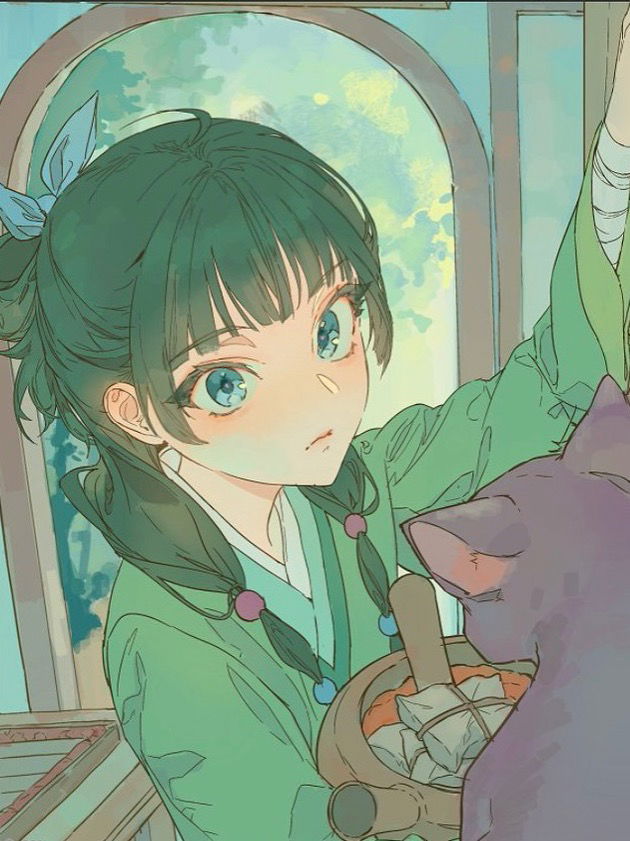
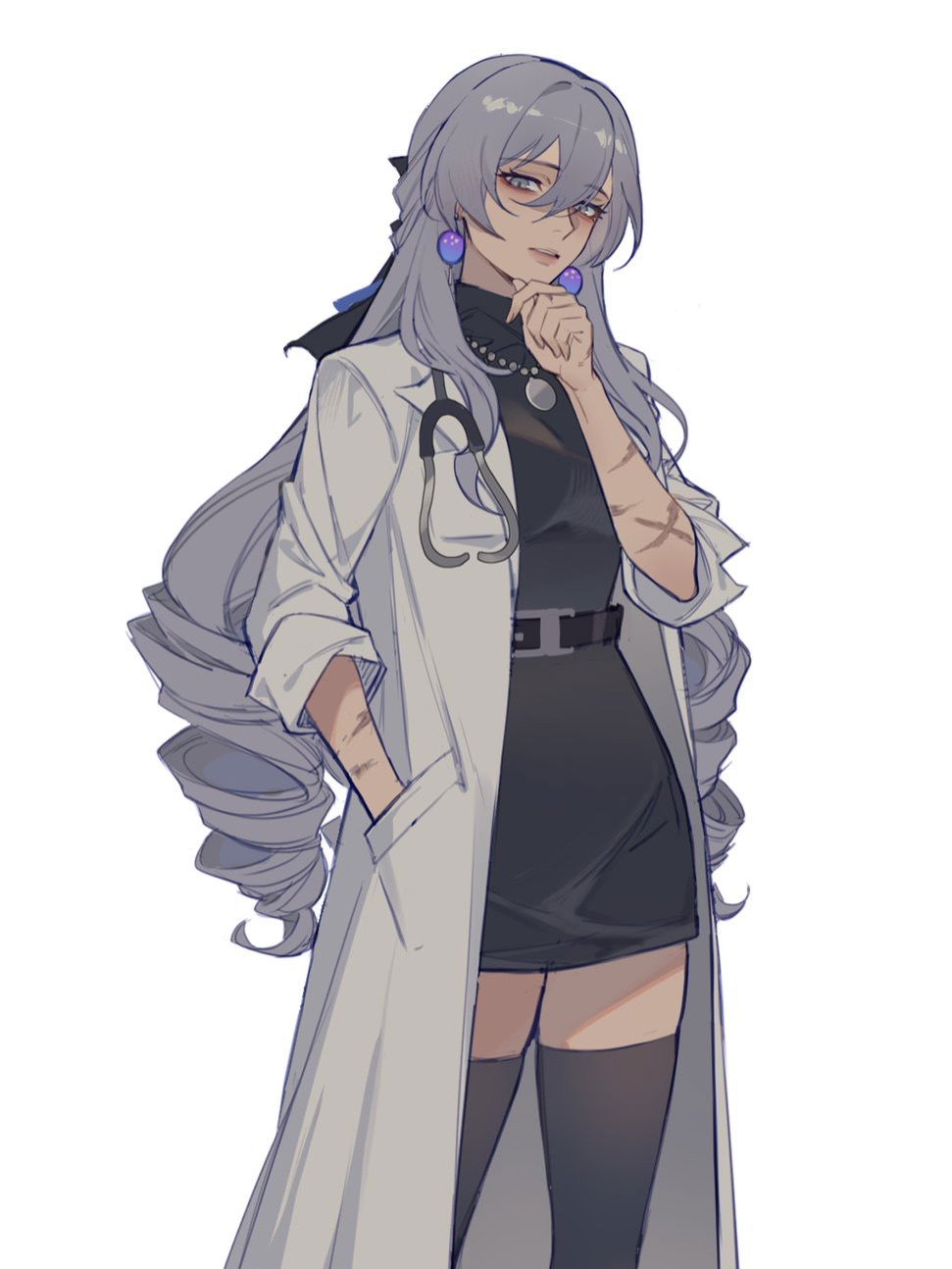
In the vibrant, often tumultuous, landscape of Project Sekai: Colorful Stage!, few characters resonate with as much profound depth and poignant vulnerability as Mafuyu Asahina. Known within the game's narrative as the lyricist "Yuki" for the underground music circle "25-ji, Nightcord de." (often shortened to "Nigo"), Mafuyu presents a captivating dichotomy: a seemingly flawless honor student by day, and a soul grappling with profound emotional emptiness by night. Her journey is not merely one of musical creation, but a deeply personal odyssey to reclaim a lost sense of self from the suffocating grip of external expectations. As we delve into her story in 2025, Mafuyu continues to be a central figure, inspiring countless discussions and offering a mirror to the societal pressures many face in their own lives.

The Genesis of Emptiness: Mafuyu's Burdened Past

To truly understand Mafuyu Asahina, one must peel back the layers of the "perfect girl" facade to expose the origins of her emotional void. From a young age, Mafuyu was exceptionally gifted, excelling in both academics and athletics, and possessing a naturally caring disposition that made her popular among her peers. Her childhood aspiration was to become a nurse, driven by a desire to help others, perhaps even stemming from experiences where her own mother had nursed her back to health during childhood illnesses. However, this innocent dream was swiftly overshadowed by the ambitions of her parents, particularly her mother. Viewing their daughter's natural talents as a stepping stone to greater societal prestige and financial security, they subtly, yet persistently, steered her towards a career as a doctor, a path they deemed "better-paid" and more "respectful." Mafuyu, a quintessential people-pleaser, complied with their wishes, believing that making them happy was paramount. This seemingly innocuous shift marked the beginning of a profound personal crisis. As she grew older, the parental pressure intensified, leading them to discourage any activities not directly related to her academic and future professional prospects, even going so far as to discard her music equipment. The relentless expectation to uphold impossibly high standards, both from her parents and her school, began to erode her internal world. The "perfect" exterior she maintained at Miyamasuzaka Girls Academy became an increasingly heavy mask, under which she experienced a deepening depression and a terrifying loss of self-identity. She gradually lost the ability to discern her own desires, to taste food, or even to genuinely feel emotions, becoming an "empty shell" desperately searching for the person she once was. This personal void physically manifested as the desolate "empty SEKAI," a reflection of her inner state. It's a chilling analogy, much like a beautiful, meticulously crafted clock that, despite its intricate gears and polished exterior, has ceased to tell time because its spring has been wound too tightly, to the point of breaking. Mafuyu's life became a performance for others, devoid of internal drive or authentic joy. This poignant backstory is central to her character, making her one of Project Sekai's most complex and relatable figures.

Nightcord at 25:00: A Sanctuary for the Soul

Mafuyu's lifeline emerged in the unlikeliest of places: an anonymous email from Kanade Yoisaki, inviting her to join an underground music circle. It was Kanade's music, a raw expression of emotion, that first stirred something within Mafuyu – a faint flicker in the desolate landscape of her heart. This was the genesis of "25-ji, Nightcord de.," a group formed with the singular, yet profound, purpose of creating music to "save" people, a mission that resonated deeply with Mafuyu's own unspoken yearning for rescue. Within Nigo, Mafuyu, under her online alias "Yuki," found a sanctuary. Alongside Kanade, Shinonome Ena, and Akiyama Mizuki, she was finally in a space where the stifling facade could begin to crumble. Unlike the outside world, where her "good girl" persona was endlessly reinforced, Nigo offered an environment of acceptance, encouraging her to slowly, painfully, express her true feelings – however blunt or cold they might initially be. Her role as the lyricist is particularly symbolic. While her early compositions, created under the artist name "OWN," were described as intensely cold and sharp, lacking the warmth of Kanade's music, they were nonetheless an authentic outpouring of her inner state. This creative outlet, even when expressing emptiness, became a crucial step in her path toward self-discovery. It's a powerful reminder that even in darkness, creativity can serve as a conduit for healing.

The Intricacies of Relationships: Mirrors to Mafuyu's Soul

Mafuyu's interactions with other characters in Project Sekai are not mere plot devices; they are intricate mirrors reflecting different facets of her internal struggle and offering avenues for her slow, arduous journey of healing. * Yoisaki Kanade: The catalyst for Mafuyu's entry into Nigo, Kanade is perhaps Mafuyu's most vital connection. Fueled by her own "savior complex" and a deep empathy, Kanade is relentlessly dedicated to helping Mafuyu find her "true feelings" through music. She consistently pushes Mafuyu to acknowledge her emotions and even confronts Mafuyu's controlling mother, demonstrating a profound commitment to her well-being. Their relationship is built on Kanade's unwavering support and Mafuyu's gradual trust, as she slowly allows herself to be vulnerable with Kanade. * Shinonome Ena: Their relationship started on rocky ground. Ena, an aspiring artist struggling with her own perceived lack of talent, initially resented Mafuyu's effortless perfection and found Mafuyu's blunt criticisms of her art off-putting. However, through their shared experiences within Nigo, they began to understand each other's struggles – Ena's insecurity about her art mirroring Mafuyu's struggle with self-worth. Ena's directness, while sometimes harsh, is something Mafuyu comes to appreciate, as it offers unvarnished honesty in a world full of pretense. * Akiyama Mizuki: Mizuki, with their own complex identity struggles, often possesses a unique sensitivity to Mafuyu's hidden pain. Mafuyu initially perceives Mizuki as "overly obsessed with cuteness," a superficial observation that belies Mizuki's keen insight. Mizuki is often the first to notice when Mafuyu is struggling and skillfully creates situations where Mafuyu can genuinely relax and shed her facade. Their shared understanding of living with a hidden self creates a powerful, unspoken connection, and Mizuki even feels a touch of envy for Mafuyu's courage in actively seeking her true self. Mafuyu's school life presents a stark contrast to her Nigo interactions. Here, she embodies the "perfect honor student," well-liked and respected, yet this persona is a carefully constructed illusion. * Hinomori Shizuku: As fellow members of the Miyamasuzaka Girls archery club, Mafuyu and Shizuku share a bond. Shizuku, having experienced her own struggles with societal expectations and the pressure to be perceived as perfect, intuitively understands Mafuyu's plight, even if she doesn't fully grasp the extent of Mafuyu's emotional state. Shizuku's gentle attempts to reach out and her desire to help Mafuyu are met with a more "normal" interaction from Mafuyu, hinting at the genuine person beneath the mask. * Otori Emu: Emu, with her almost childlike innocence and uncanny emotional intuition, presents a fascinating dynamic with Mafuyu. Emu is genuinely scared by Mafuyu's fake smile, sensing its inauthenticity, and deeply wishes to see Mafuyu smile for real. Mafuyu, in turn, finds Emu's raw, unfiltered reactions "new" and "different," a rare spark of intrigue in her emotionless world. This interaction highlights Mafuyu's detachment from genuine emotion and the jarring effect her facade has on those with a keen emotional sense. * Other Schoolmates: Characters like Hoshino Ichika and Mochizuki Honami admire Mafuyu, looking up to her academic prowess and well-liked nature. However, Mafuyu is acutely aware that this admiration is directed at the fabricated persona, leading her to feel conflicted and further isolated. She despises the act she puts on at school, recognizing that her peers would likely reject her "real", quiet, and burnt-out self.

The Voice Behind the Silence: Rui Tanabe's Portrayal

A critical element in bringing Mafuyu Asahina's complex character to life is her voice actress, Rui Tanabe. Born on May 23, 1997, Rui Tanabe is a celebrated Japanese voice actress whose nuanced performance imbues Mafuyu with a compelling blend of detached politeness and underlying pain. Her ability to convey Mafuyu's subtle shifts in emotion, from the flat, emotionless tone of her true self to the bright, cheerful facade she presents to the world, is crucial to the character's impact. Fans eagerly anticipate Tanabe's performances, whether in the game's various story events or in the animated projects. Looking ahead to 2025, her voice will once again grace the screen in "Colorful Stage! The Movie: A Miku Who Can't Sing," where Mafuyu Asahina is confirmed to appear. This continued portrayal solidifies Rui Tanabe's integral role in defining Mafuyu's beloved persona.

The Symphony of Struggle: Mafuyu's Musical Contributions

As the lyricist for Nightcord at 25:00, Mafuyu's musical contributions are a direct reflection of her internal landscape. Her initial compositions, released under her independent artist name "OWN," were distinctly cold and sharp, mirroring her detached state. Yet, these pieces, born from a desperate attempt to find herself, were popular and resonated with listeners, including Ena and Mizuki. Within Nigo, Mafuyu collaborates with Kanade, Ena, and Mizuki, creating songs that explore themes of despair, isolation, and the search for light. Her voice, as portrayed by Rui Tanabe, often carries a haunting beauty that perfectly complements the unit's dark and melancholic sound. Some notable songs featuring Mafuyu include: * "Jackpot Sad Girl": A staple of Nightcord at 25:00, this song encapsulates the unit's themes of facing harsh realities and finding connection in sadness. * "Phony": Often associated with Mafuyu, this song's themes of deception and hidden feelings align perfectly with her character. * "Tomoe": Released in 2023, "Tomoe (Feat. Mafuyu Asahina)" is a prominent song on platforms like Apple Music, showcasing her vocal presence. * Alternate Vocals: Mafuyu also provides alternative vocals for several Nigo songs, offering fans a unique interpretation of tracks like "Kanadetomosusora" and "Cutlery," further showcasing her distinct vocal range and emotive capabilities. One commissioned song, "Empurple," has gained significant fan traction and theory discussion, becoming a key point of speculation regarding Mafuyu's deeper connection to the game's lore and her ongoing character development. The music of Nigo, with Mafuyu's lyrics at its core, serves as a powerful narrative tool, allowing players to experience her emotional journey firsthand.

Deeper Themes: Identity, Authenticity, and Societal Pressure

Mafuyu Asahina's narrative transcends a simple character arc; it's a profound exploration of universal themes that resonate deeply with many individuals. At the heart of Mafuyu's story is a profound crisis of identity. Having been systematically molded by external expectations, she literally forgets who she is and what she desires. This isn't just about losing hobbies; it's about losing the very core of her being, the internal compass that guides personal choices and preferences. Her struggle highlights the dangers of living solely to please others, demonstrating how such a path can hollow out an individual until only an empty shell remains. It’s a powerful allegory for anyone who has ever felt pressured to conform, to sacrifice their authentic self for approval. Mafuyu's "perfect girl" persona is a critical element of her character. She excels in everything, from academics to sports, and maintains a flawless reputation. This outward perfection is a self-imposed prison, a constant performance that drains her of energy and reinforces her internal emptiness. The narrative subtly critiques societal pressures that reward outward achievement over internal well-being, suggesting that what appears "perfect" on the surface can mask profound suffering beneath. Her forced smiles and polite demeanor are a constant reminder that appearances can be deceiving, and true happiness often lies in embracing imperfection. The Nightcord at 25:00 unit acts as a microcosm of authentic connection. In this online space, Mafuyu is finally allowed to shed her mask. Her bluntness, her inability to articulate her feelings, and even her coldness are accepted, not judged. This acceptance is crucial for her healing. It demonstrates that true connection thrives not on pretense, but on vulnerability and the courage to show one's true self, flaws and all. Kanade's relentless pursuit of Mafuyu's "true feelings" and Mizuki's empathetic understanding provide the necessary environment for Mafuyu to embark on the painful but essential journey of rediscovering herself. The role of Mafuyu's parents, particularly her mother, is central to her plight. Their well-intentioned, yet ultimately damaging, desire for her success led to emotional manipulation and the suppression of her innate desires. This aspect of her story serves as a cautionary tale about the fine line between parental guidance and stifling control. It emphasizes the importance of fostering a child's individuality and supporting their passions, rather than imposing a pre-defined path. The father's eventual realization and attempt to reconnect offer a glimmer of hope for familial reconciliation and understanding.

Character Development and Future Outlook

Mafuyu's journey is one of gradual, often agonizing, recovery. She doesn't have a sudden epiphany; instead, her progress is marked by small, significant breakthroughs. Moments where she expresses a genuine, even if negative, emotion are celebrated as victories within Nigo. The ability to say "I don't know" or "I don't mind" when asked for her opinion, while seemingly passive, is an honest admission of her current state, which is a step forward from pretending to have feelings she doesn't. The community surrounding Project Sekai deeply engages with Mafuyu's character, creating numerous theories and headcanons, from analyses of her "Empurple" song connection to discussions about potential neurodivergence or even transmasc interpretations. This speaks volumes about her impact and the universal appeal of her struggles. Players empathize with her desire to "disappear" from the pressures of her life, and rejoice in every small step she takes toward self-acceptance. As Project Sekai continues to evolve in 2025, Mafuyu's story remains a cornerstone. Her path is ongoing, a testament to the fact that healing from deep emotional wounds is a long and winding road. Yet, with the unwavering support of Nightcord at 25:00 and her own burgeoning desire to reclaim her identity, Mafuyu Asahina stands as a powerful symbol of hope – a quiet, determined soul fighting to find her own light in a world that tried to extinguish it. Her narrative reminds us that sometimes, the most courageous act is simply to feel, to acknowledge one's own truth, and to seek out those who will accept you, truly, for who you are.

Beyond the Game: Mafuyu's Cultural Impact

Mafuyu Asahina's character has resonated deeply within the rhythm game community and beyond, fostering a vibrant culture of discussion, fan art, and personal identification. Her struggles with parental pressure, identity loss, and mental health have struck a chord with a wide audience, making her a symbol for navigating similar real-world challenges. Many fans, particularly younger individuals, have found Mafuyu's story to be incredibly relatable. The pressure to succeed academically, to pursue specific career paths, and to maintain a "perfect" image is a common experience globally. Mafuyu's inability to feel or express genuine emotions, and her journey to rediscover them, offers a powerful narrative of resilience and the importance of mental well-being. Discussion forums and social media platforms are rife with empathetic analyses, fan theories, and personal anecdotes from individuals who see their own anxieties and hidden struggles reflected in Mafuyu. The sheer volume of fan-created content, from detailed character analyses to heartfelt fan art and music covers, is a testament to her profound impact. Moreover, Mafuyu's narrative indirectly encourages conversations about mental health. While Project Sekai is a game, its sensitive portrayal of Mafuyu's depression and anhedonia (the inability to feel pleasure) subtly raises awareness and reduces stigma. Her slow, non-linear recovery process emphasizes that healing is complex and requires consistent support and self-compassion. This makes her not just a character to enjoy, but one to learn from and connect with on a deeper, more personal level. The concept of a "Sekai" – a virtual world born from a character's true feelings – is brilliantly utilized in Mafuyu's Empty SEKAI. It's a stark, desolate space that visually represents her internal state, allowing players to literally step into her emotional void. As she slowly begins to feel again, the Empty SEKAI also begins to change, reflecting her internal growth. This innovative storytelling mechanism enhances the player's connection to her journey, making her struggles and triumphs incredibly impactful. In 2025, as Project Sekai continues to release new events and stories, Mafuyu's character arc remains a focal point. Fans eagerly anticipate every new development, every small step she takes towards regaining her "true feelings." The recent news of her appearance in "Colorful Stage! The Movie: A Miku Who Can't Sing" further solidifies her enduring popularity and importance within the franchise. Her story is a constant reminder that even the most seemingly perfect individuals can be fighting profound internal battles, and that empathy, understanding, and the courage to be authentic are pathways to genuine healing.

Conclusion: The Enduring Resonance of Mafuyu Asahina

Mafuyu Asahina is more than just a character in Project Sekai: Colorful Stage!; she is a deeply human portrayal of the struggle for identity in a world obsessed with external validation. Her journey from a bright, empathetic child to an emotionally numb shell, and her ongoing fight to reclaim her true self with the help of Nightcord at 25:00, offers a poignant and powerful narrative. She embodies the silent battles many face against overwhelming expectations, the isolating burden of perfection, and the profound difficulty of rediscovering one's authentic voice. Through her compelling backstory, her complex relationships, and the evocative music she creates, Mafuyu's story serves as a beacon of hope for anyone feeling lost or overwhelmed. Her slow, incremental progress reminds us that healing is a process, not an event, and that genuine connection forged in vulnerability can be a lifeline. In 2025 and beyond, Mafuyu Asahina will undoubtedly continue to resonate with audiences, inspiring empathy, encouraging self-reflection, and reinforcing the timeless message that true happiness lies not in meeting others' expectations, but in embracing and nurturing one's own authentic self. Her quiet strength in the face of immense pressure makes her a character who will remain etched in the hearts of players for years to come.

Features

NSFW AI Chat with Top-Tier Models

Experience the most advanced NSFW AI chatbot technology with models like GPT-4, Claude, and Grok. Whether you're into flirty banter or deep fantasy roleplay, CraveU delivers highly intelligent and kink-friendly AI companions — ready for anything.

NSFW AI Chat with Top-Tier Models feature illustration

Real-Time AI Image Roleplay

Go beyond words with real-time AI image generation that brings your chats to life. Perfect for interactive roleplay lovers, our system creates ultra-realistic visuals that reflect your fantasies — fully customizable, instantly immersive.

Real-Time AI Image Roleplay feature illustration

Explore & Create Custom Roleplay Characters

Browse millions of AI characters — from popular anime and gaming icons to unique original characters (OCs) crafted by our global community. Want full control? Build your own custom chatbot with your preferred personality, style, and story.

Explore & Create Custom Roleplay Characters feature illustration

Your Ideal AI Girlfriend or Boyfriend

Looking for a romantic AI companion? Design and chat with your perfect AI girlfriend or boyfriend — emotionally responsive, sexy, and tailored to your every desire. Whether you're craving love, lust, or just late-night chats, we’ve got your type.

Your Ideal AI Girlfriend or Boyfriend feature illustration

FAQs

What makes CraveU AI different from other AI chat platforms?

CraveU stands out by combining real-time AI image generation with immersive roleplay chats. While most platforms offer just text, we bring your fantasies to life with visual scenes that match your conversations. Plus, we support top-tier models like GPT-4, Claude, Grok, and more — giving you the most realistic, responsive AI experience available.

What is SceneSnap?

SceneSnap is CraveU’s exclusive feature that generates images in real time based on your chat. Whether you're deep into a romantic story or a spicy fantasy, SceneSnap creates high-resolution visuals that match the moment. It's like watching your imagination unfold — making every roleplay session more vivid, personal, and unforgettable.

Are my chats secure and private?

Are my chats secure and private?
CraveU AI
Experience immersive NSFW AI chat with Craveu AI. Engage in raw, uncensored conversations and deep roleplay with no filters, no limits. Your story, your rules.
© 2025 CraveU AI All Rights Reserved