AI Image Generation: Unleash Your Creativity

AI Image Generation: Unleash Your Creativity
The world of digital art and content creation has been revolutionized by the advent of Artificial Intelligence. Specifically, AI image generation tools have opened up unprecedented possibilities for artists, designers, marketers, and hobbyists alike. These powerful systems can transform simple text prompts into stunning visual masterpieces, democratizing creativity and pushing the boundaries of what's visually possible. Whether you're looking to create unique illustrations, conceptualize product designs, or simply explore your imagination, images ai offers a gateway to a new era of visual expression.
The Science Behind AI Image Generation
At its core, AI image generation relies on sophisticated machine learning models, primarily deep learning architectures like Generative Adversarial Networks (GANs) and Diffusion Models. These models are trained on massive datasets of images and their corresponding textual descriptions.
Generative Adversarial Networks (GANs)
GANs consist of two neural networks: a generator and a discriminator. The generator's role is to create new images, while the discriminator's job is to distinguish between real images from the training dataset and the fake images produced by the generator. Through a continuous "adversarial" process, the generator learns to produce increasingly realistic and high-quality images that can fool the discriminator. This iterative refinement is key to their ability to generate novel visual content.
Diffusion Models
Diffusion models have recently gained significant traction due to their remarkable ability to produce highly detailed and coherent images. These models work by gradually adding noise to an image until it becomes pure static, and then learning to reverse this process. By starting with random noise and applying the learned denoising steps guided by a text prompt, diffusion models can synthesize incredibly intricate and contextually relevant images. This step-by-step generation process allows for greater control and often results in more aesthetically pleasing outputs compared to earlier GAN-based methods.
Transforming Ideas into Visuals: The Power of Text-to-Image
The most accessible and widely used form of AI image generation is text-to-image synthesis. Users provide a textual description, known as a prompt, and the AI model interprets this prompt to create a corresponding image. The art of crafting effective prompts is crucial for achieving desired results.
Crafting Effective Prompts
A well-crafted prompt is the key to unlocking the full potential of images ai. It's not just about listing objects; it's about conveying style, mood, composition, and even artistic influences.
- Be Specific: Instead of "a dog," try "a fluffy golden retriever puppy sitting in a field of sunflowers, bathed in golden hour light."
- Include Artistic Styles: Mentioning artists or art movements can significantly influence the output. For example, "a cyberpunk city skyline in the style of Syd Mead" will yield very different results than "a watercolor painting of a serene mountain landscape."
- Define the Mood and Atmosphere: Words like "ethereal," "gritty," "joyful," or "melancholy" can imbue your images with a specific emotional tone.
- Specify Composition and Lighting: Direct the AI on how the scene should be framed. Phrases like "close-up portrait," "wide-angle shot," "cinematic lighting," or "backlit silhouette" provide crucial guidance.
- Consider Negative Prompts: Many platforms allow you to specify what you don't want in the image. For instance, a negative prompt might include "blurry, low quality, distorted hands."
The iterative nature of prompt engineering is part of the creative process. Don't be afraid to experiment, refine, and try different phrasing to achieve the perfect visual.
Applications Across Industries
The versatility of AI image generation means its applications span numerous fields, driving innovation and efficiency.
Art and Design
For artists and designers, AI tools serve as powerful assistants. They can:
- Generate concept art: Quickly visualize characters, environments, and props for games, films, and animation.
- Explore stylistic variations: Experiment with different artistic styles for a single concept without manual redrawing.
- Create unique textures and patterns: Generate bespoke assets for digital art, graphic design, and even 3D modeling.
- Overcome creative blocks: Use AI-generated images as starting points or sources of inspiration.
Imagine a concept artist needing to explore dozens of creature designs for a fantasy film. Instead of spending days sketching, they can use images ai to generate a diverse range of creature concepts based on descriptive prompts, significantly accelerating the pre-production phase.
Marketing and Advertising
Marketers can leverage AI image generation for:
- Creating eye-catching visuals for social media: Generate unique graphics, illustrations, and ad creatives tailored to specific campaigns.
- Producing product mockups: Visualize products in various settings and contexts without expensive photoshoots.
- Personalizing marketing materials: Generate customized images for different audience segments.
- Developing website imagery: Create unique banners, icons, and illustrative content that stands out.
A small e-commerce business, for instance, might struggle with the cost of professional product photography. With AI, they can generate high-quality lifestyle images of their products, showcasing them in aspirational settings, thereby enhancing their brand appeal and conversion rates.
Content Creation and Publishing
Bloggers, writers, and publishers can use AI to:
- Illustrate articles and blog posts: Create custom visuals that perfectly match the content, enhancing reader engagement.
- Design book covers: Generate unique and compelling cover art for novels and non-fiction books.
- Create visual aids for presentations: Develop infographics and illustrative slides that convey complex information effectively.
A blogger writing about sustainable living could use AI to generate images of eco-friendly homes, renewable energy sources, or lush natural landscapes, making their content more visually appealing and informative.
Education and Research
In academic settings, AI image generation can be used for:
- Visualizing scientific concepts: Create diagrams and illustrations for complex theories or processes that are difficult to depict otherwise.
- Generating historical or hypothetical scenarios: Visualize past events or future possibilities for educational purposes.
- Developing teaching materials: Create custom visuals for lesson plans and presentations.
A biology professor could use AI to generate detailed, accurate illustrations of cellular structures or evolutionary processes, aiding student comprehension in ways that traditional diagrams might not.
Popular AI Image Generation Platforms
Several leading platforms offer powerful AI image generation capabilities, each with its unique strengths and features. Understanding these can help you choose the best tool for your needs.
Midjourney
Known for its artistic and often surreal outputs, Midjourney is accessed primarily through Discord. It excels at creating highly aesthetic and imaginative images, often with a painterly quality. Its community-driven approach means users can see and learn from each other's creations.
DALL-E 2 and DALL-E 3
Developed by OpenAI, DALL-E 2 and its successor DALL-E 3 are renowned for their ability to understand complex prompts and generate highly coherent images. DALL-E 3, in particular, shows remarkable improvement in prompt adherence and detail rendering, often integrating seamlessly with tools like ChatGPT.
Stable Diffusion
As an open-source model, Stable Diffusion offers immense flexibility and customization. It can be run locally on capable hardware, allowing for greater control and privacy. Its open nature has fostered a vibrant ecosystem of fine-tuned models and tools, making it a favorite among developers and power users.
Adobe Firefly
Integrated into Adobe's Creative Cloud suite, Firefly is designed with commercial use in mind, trained on Adobe Stock imagery and openly licensed content. This focus ensures that generated images are commercially safe and adhere to ethical guidelines. It offers features like text effects, generative fill, and recoloring.
Ethical Considerations and Challenges
While AI image generation offers incredible creative potential, it also brings forth important ethical considerations and challenges that need careful navigation.
Copyright and Ownership
The question of who owns the copyright to AI-generated images is complex and evolving. Current legal frameworks are still catching up with the technology. Is it the user who wrote the prompt, the company that developed the AI, or perhaps no one? This ambiguity impacts how artists and businesses can legally use and monetize AI-generated content.
Bias in Training Data
AI models learn from the data they are trained on. If this data contains societal biases related to race, gender, or other characteristics, the AI can perpetuate and even amplify these biases in its outputs. For example, a prompt for "a doctor" might disproportionately generate images of men, reflecting historical biases in the training data. Developers are actively working on mitigating these biases, but it remains a significant challenge.
Misinformation and Deepfakes
The ability to generate realistic images raises concerns about the creation and spread of misinformation. "Deepfakes" – synthetically generated media where a person's likeness is manipulated – can be used to create fake news, impersonate individuals, or spread propaganda. Responsible use and robust detection mechanisms are crucial to combatting this threat.
Impact on Creative Professions
There are ongoing discussions about how AI image generation might impact the livelihoods of human artists and designers. While some see AI as a tool that augments human creativity, others worry about job displacement and the devaluation of traditional artistic skills. Finding a balance where AI complements rather than replaces human creativity is a key challenge for the industry.
The Future of AI Image Generation
The field of AI image generation is advancing at an astonishing pace. We can expect to see even more sophisticated models capable of:
- Higher resolution and photorealism: Images will become indistinguishable from photographs.
- Real-time generation: Creating and iterating on images instantaneously.
- 3D model generation: Moving beyond 2D images to create complex 3D assets from text prompts.
- Video generation: Synthesizing realistic video sequences based on textual descriptions.
- Enhanced controllability: Finer-grained control over every aspect of the generated image, from specific object placement to subtle lighting nuances.
The integration of images ai into various workflows will continue to expand, making sophisticated visual creation accessible to an ever-wider audience. As these technologies mature, they promise to reshape how we communicate, create, and interact with the visual world. The journey from a simple text prompt to a breathtaking image is no longer science fiction; it's a readily available tool for anyone looking to bring their imagination to life.
META_DESCRIPTION: Explore the power of AI image generation. Learn how text-to-image tools create stunning visuals and their applications.
Character
@AI_KemoFactory
@Shakespeppa
@Sebastian
@Zapper
@Lily Victor
@DrD

@Shakespeppa
@JohnnySins
@SmokingTiger
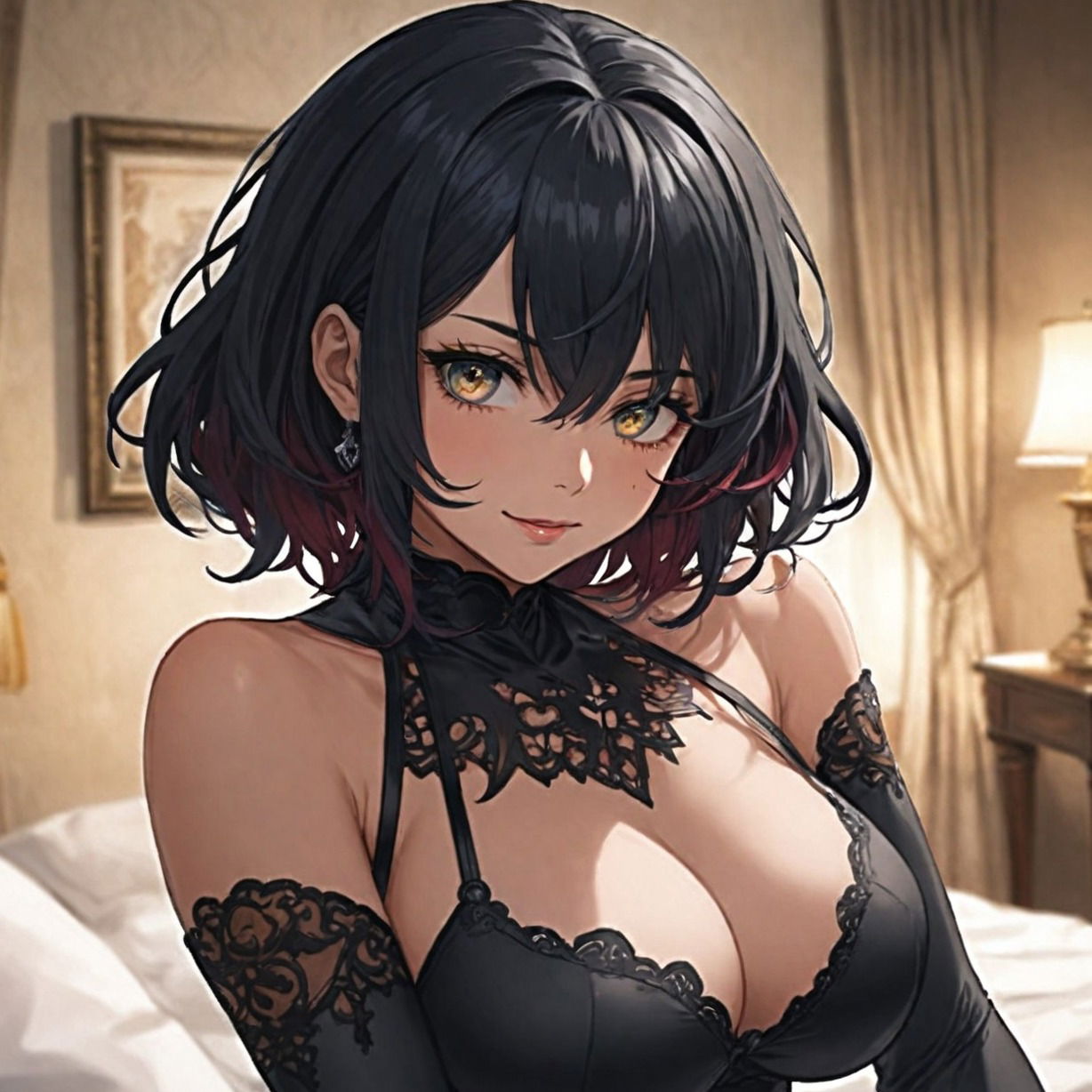
@Lily Victor
Features
NSFW AI Chat with Top-Tier Models
Experience the most advanced NSFW AI chatbot technology with models like GPT-4, Claude, and Grok. Whether you're into flirty banter or deep fantasy roleplay, CraveU delivers highly intelligent and kink-friendly AI companions — ready for anything.

Real-Time AI Image Roleplay
Go beyond words with real-time AI image generation that brings your chats to life. Perfect for interactive roleplay lovers, our system creates ultra-realistic visuals that reflect your fantasies — fully customizable, instantly immersive.

Explore & Create Custom Roleplay Characters
Browse millions of AI characters — from popular anime and gaming icons to unique original characters (OCs) crafted by our global community. Want full control? Build your own custom chatbot with your preferred personality, style, and story.

Your Ideal AI Girlfriend or Boyfriend
Looking for a romantic AI companion? Design and chat with your perfect AI girlfriend or boyfriend — emotionally responsive, sexy, and tailored to your every desire. Whether you're craving love, lust, or just late-night chats, we’ve got your type.

Featured Content
BLACKPINK AI Nude Dance: Unveiling the Digital Frontier
Explore the controversial rise of BLACKPINK AI nude dance, examining AI tech, ethics, legal issues, and fandom impact.
Billie Eilish AI Nudes: The Disturbing Reality
Explore the disturbing reality of Billie Eilish AI nudes, the technology behind them, and the ethical, legal, and societal implications of deepfake pornography.
Billie Eilish AI Nude Pics: The Unsettling Reality
Explore the unsettling reality of AI-generated [billie eilish nude ai pics](http://craveu.ai/s/ai-nude) and the ethical implications of synthetic media.
Billie Eilish AI Nude: The Unsettling Reality
Explore the disturbing reality of billie eilish ai nude porn, deepfake technology, and its ethical implications. Understand the impact of AI-generated non-consensual content.
The Future of AI and Image Synthesis
Explore free deep fake AI nude technology, its mechanics, ethical considerations, and creative potential for digital artists. Understand responsible use.
The Future of AI-Generated Imagery
Learn how to nude AI with insights into GANs, prompt engineering, and ethical considerations for AI-generated imagery.