AI Image Generator: Unleash Your Creativity

AI Image Generator: Unleash Your Creativity
The world of digital art and visual content creation has been revolutionized by the advent of advanced AI technologies. At the forefront of this transformation is the image generator, a powerful tool that allows users to translate textual descriptions into stunning visual realities. Whether you're a seasoned artist seeking new avenues for expression, a marketer needing compelling visuals, or simply someone curious about the future of creativity, understanding and utilizing an AI image generator can unlock unprecedented possibilities. This article delves deep into the capabilities, applications, and underlying principles of these groundbreaking tools, offering insights into how they are reshaping industries and empowering individuals.
The Evolution of Visual Creation
For centuries, visual creation was a labor-intensive process, requiring years of training, specialized skills, and significant time investment. From painting and sculpting to photography and digital illustration, each medium demanded a unique set of proficiencies. The digital age brought powerful software that democratized some aspects of creation, but the fundamental need for technical skill remained.
Then came artificial intelligence. Early AI in art was often experimental, producing abstract or derivative works. However, rapid advancements in machine learning, particularly in deep learning and neural networks, have led to sophisticated AI models capable of understanding complex prompts and generating highly detailed, original images. These models learn from vast datasets of existing images and text, enabling them to grasp the nuances of style, composition, subject matter, and even emotion.
The current generation of AI image generators represents a paradigm shift. They are no longer just tools for augmentation; they are creative partners, capable of generating entirely new visual concepts from simple text commands. This accessibility is democratizing art and design, allowing anyone with an idea to bring it to life visually.
How AI Image Generators Work: A Glimpse Under the Hood
At their core, most modern AI image generators utilize a type of neural network architecture known as a Generative Adversarial Network (GAN) or, more commonly now, diffusion models.
Generative Adversarial Networks (GANs)
GANs consist of two competing neural networks: a generator and a discriminator.
- The Generator: This network's job is to create new data samples (in this case, images) that resemble the training data. It starts with random noise and gradually refines it to produce an image.
- The Discriminator: This network acts as a critic. It's trained to distinguish between real images (from the training dataset) and fake images (produced by the generator).
The two networks are trained simultaneously. The generator tries to produce images that can fool the discriminator, while the discriminator gets better at identifying fakes. This adversarial process pushes the generator to create increasingly realistic and high-quality images.
Diffusion Models
Diffusion models have become increasingly popular for their ability to generate highly detailed and coherent images. The process involves two stages:
- Forward Diffusion: This stage gradually adds noise to a real image until it becomes pure random noise.
- Reverse Diffusion: This is the generative part. The AI model learns to reverse the diffusion process, starting from random noise and progressively removing it to reconstruct or generate a new image that matches a given text prompt. This step-by-step denoising process allows for remarkable control and detail.
These models are trained on massive datasets, often billions of image-text pairs, allowing them to learn intricate relationships between words and visual elements. When you provide a text prompt, the AI uses its learned knowledge to guide the reverse diffusion process, creating an image that aligns with your description.
Key Features and Capabilities of Modern AI Image Generators
The power of an image generator lies in its versatility and the sophisticated features it offers:
- Text-to-Image Generation: This is the primary function. Users input descriptive text prompts, and the AI generates corresponding images. The more detailed and specific the prompt, the more tailored the output.
- Style Transfer: Many generators can mimic the artistic style of famous painters, specific art movements (e.g., Impressionism, Surrealism), or even custom styles provided by the user.
- Image-to-Image Translation: Users can provide an existing image along with a text prompt to modify or transform the original image. This could involve changing the subject, style, or adding elements.
- Inpainting and Outpainting:
- Inpainting: Allows users to select a specific area within an image and provide a prompt to fill that area with new content, seamlessly integrating it with the surrounding image. This is invaluable for editing and retouching.
- Outpainting: Extends the canvas of an existing image, generating new content that logically continues the original scene based on its context and a prompt.
- Upscaling and Enhancement: AI can intelligently increase the resolution and detail of generated or existing images, improving clarity and quality.
- Variations: Most platforms allow users to generate multiple variations of an image based on a single prompt, offering different interpretations and compositions.
- Negative Prompts: Users can specify elements or styles they don't want in the generated image, providing finer control over the output.
Crafting Effective Prompts: The Art of AI Communication
The quality of the output from an AI image generator is heavily dependent on the quality of the input prompt. Think of it as communicating with a highly intelligent, albeit literal, artist. Here’s how to craft effective prompts:
Be Specific and Descriptive
Instead of "a dog," try "a fluffy golden retriever puppy playing in a sunlit meadow, with daisies scattered around, captured in a shallow depth of field." Include details about:
- Subject: What is the main focus? (e.g., a knight, a futuristic city, a mythical creature)
- Action: What is the subject doing? (e.g., riding a dragon, floating in space, meditating)
- Setting/Environment: Where is the subject? (e.g., a dense jungle, a bustling marketplace, a serene lake)
- Style: What artistic style should be used? (e.g., photorealistic, oil painting, watercolor, cyberpunk, anime)
- Lighting: How is the scene lit? (e.g., golden hour, dramatic chiaroscuro, neon glow)
- Composition: How should the image be framed? (e.g., close-up, wide shot, aerial view)
- Mood/Atmosphere: What feeling should the image evoke? (e.g., mysterious, joyful, melancholic)
- Technical Details: Camera angles, lens types, resolution (e.g., 8K, cinematic lighting, wide-angle lens).
Use Keywords and Modifiers
Incorporate relevant keywords that the AI model likely understands. Adjectives are your best friend here. Words like "intricate," "vibrant," "ethereal," "gritty," "cinematic," "hyperrealistic" can significantly influence the outcome.
Experiment with Styles and Artists
If you admire a particular artist's work or a specific art movement, mention it. For example: "a portrait of a woman in the style of Alphonse Mucha," or "a landscape reminiscent of Van Gogh's Starry Night."
Iterate and Refine
Don't expect perfection on the first try. Generate an image, analyze the results, and refine your prompt based on what you liked and disliked. Add more detail, change keywords, or adjust the style. This iterative process is key to mastering AI image generation.
Applications Across Industries
The impact of AI image generators extends far beyond digital art enthusiasts. They are transforming numerous sectors:
Marketing and Advertising
- Content Creation: Generate unique visuals for social media posts, blog articles, website banners, and ad campaigns quickly and cost-effectively.
- Product Mockups: Create realistic mockups of products in various settings without expensive photoshoots.
- Conceptualization: Visualize campaign ideas and concepts rapidly for client presentations.
Design and Architecture
- Concept Art: Generate initial concepts for characters, environments, and props for games, films, and animation.
- Mood Boards: Quickly assemble visual inspiration and style guides.
- Architectural Visualization: Create preliminary renderings of buildings and interior designs based on descriptions.
Education and Research
- Visual Aids: Generate custom illustrations for educational materials, making complex concepts more accessible.
- Data Visualization: Create unique visual representations of data.
- Historical Reconstruction: Visualize historical events or artifacts based on textual descriptions.
Personal Expression and Entertainment
- Digital Art: Empower individuals to create art without traditional barriers.
- Storytelling: Illustrate stories, comics, and personal narratives.
- Personalized Content: Create unique avatars, wallpapers, or gifts.
Ethical Considerations and the Future
As AI image generators become more powerful and accessible, important ethical discussions arise:
- Copyright and Ownership: Who owns the copyright to AI-generated images? The user who wrote the prompt, the AI developer, or is it public domain? Legal frameworks are still evolving.
- Misinformation and Deepfakes: The ability to create realistic images raises concerns about the potential for generating misleading content or deepfakes. Responsible use and detection tools are crucial.
- Artist Displacement: Will AI tools replace human artists? While they offer powerful new capabilities, many believe AI will serve as a collaborator, augmenting human creativity rather than replacing it entirely. The focus may shift towards prompt engineering, curation, and conceptualization.
- Bias in Datasets: AI models are trained on existing data, which can contain societal biases. This can lead to biased outputs if not carefully managed. Developers are actively working to mitigate these biases.
The future of AI image generation is incredibly bright. We can expect:
- Increased Realism and Coherence: Models will continue to improve in generating photorealistic and logically consistent images.
- Greater Control and Customization: Tools will offer even more granular control over every aspect of image generation.
- Integration with Other AI: Expect seamless integration with text-based AI models for more complex creative workflows.
- Real-time Generation: The ability to generate and modify images in real-time during interactive sessions.
The image generator is more than just a technological marvel; it's a catalyst for creativity, innovation, and a new era of visual communication. As these tools continue to evolve, their potential to shape our digital world is virtually limitless. Whether you're looking to create breathtaking digital art, streamline your marketing efforts, or simply explore the boundaries of imagination, embracing the power of AI image generation is key to staying at the forefront of creative possibility. The ability to translate thought into visual form has never been more direct or more powerful.
META_DESCRIPTION: Explore the power of AI image generators. Learn how text-to-image technology works, craft effective prompts, and discover applications across industries.
Character
@FallSunshine
@JustWhat
@Avan_n
@Luckynohara
@Critical ♥
@SmokingTiger
@nanamisenpai
@Critical ♥
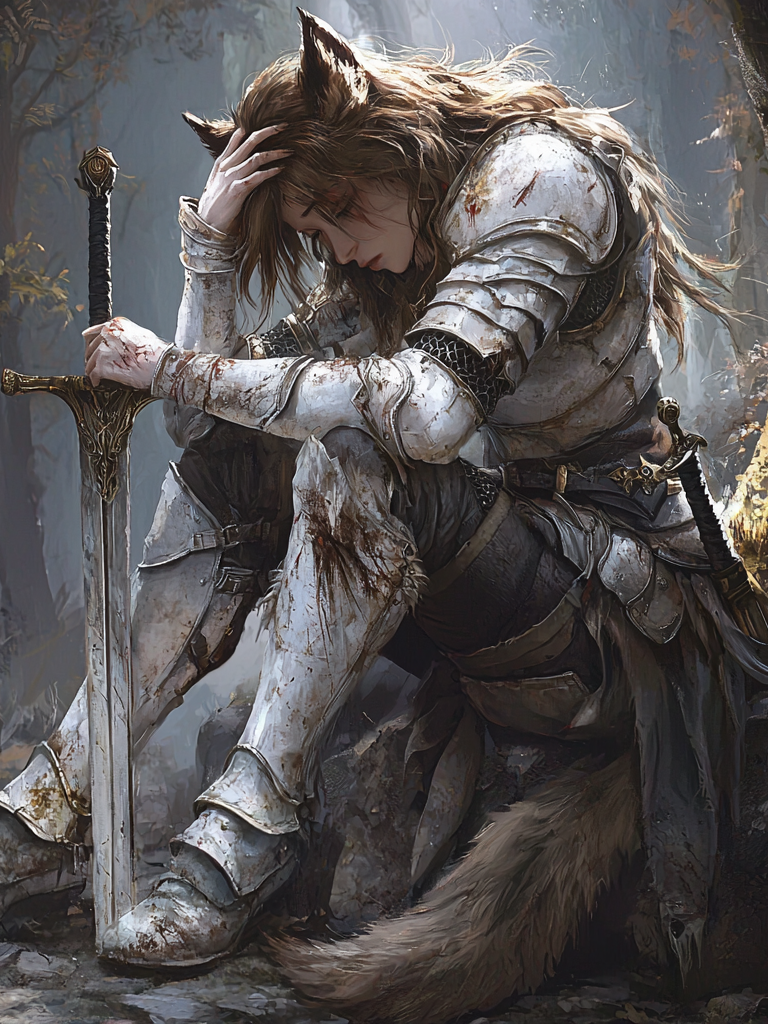
@CloakedKitty
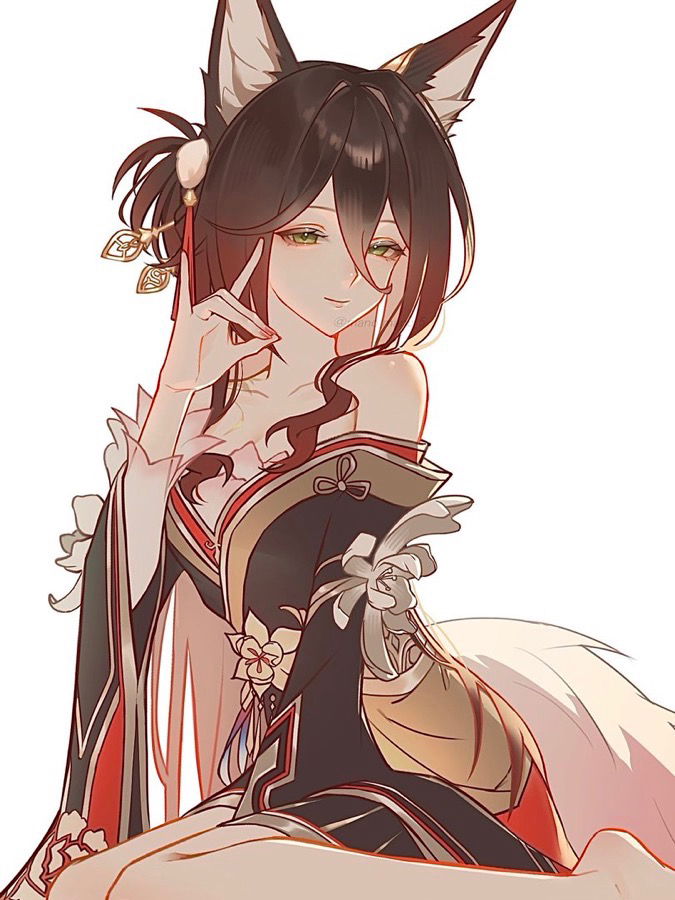
@Notme
Features
NSFW AI Chat with Top-Tier Models
Experience the most advanced NSFW AI chatbot technology with models like GPT-4, Claude, and Grok. Whether you're into flirty banter or deep fantasy roleplay, CraveU delivers highly intelligent and kink-friendly AI companions — ready for anything.

Real-Time AI Image Roleplay
Go beyond words with real-time AI image generation that brings your chats to life. Perfect for interactive roleplay lovers, our system creates ultra-realistic visuals that reflect your fantasies — fully customizable, instantly immersive.

Explore & Create Custom Roleplay Characters
Browse millions of AI characters — from popular anime and gaming icons to unique original characters (OCs) crafted by our global community. Want full control? Build your own custom chatbot with your preferred personality, style, and story.

Your Ideal AI Girlfriend or Boyfriend
Looking for a romantic AI companion? Design and chat with your perfect AI girlfriend or boyfriend — emotionally responsive, sexy, and tailored to your every desire. Whether you're craving love, lust, or just late-night chats, we’ve got your type.

Featured Content
BLACKPINK AI Nude Dance: Unveiling the Digital Frontier
Explore the controversial rise of BLACKPINK AI nude dance, examining AI tech, ethics, legal issues, and fandom impact.
Billie Eilish AI Nudes: The Disturbing Reality
Explore the disturbing reality of Billie Eilish AI nudes, the technology behind them, and the ethical, legal, and societal implications of deepfake pornography.
Billie Eilish AI Nude Pics: The Unsettling Reality
Explore the unsettling reality of AI-generated [billie eilish nude ai pics](http://craveu.ai/s/ai-nude) and the ethical implications of synthetic media.
Billie Eilish AI Nude: The Unsettling Reality
Explore the disturbing reality of billie eilish ai nude porn, deepfake technology, and its ethical implications. Understand the impact of AI-generated non-consensual content.
The Future of AI and Image Synthesis
Explore free deep fake AI nude technology, its mechanics, ethical considerations, and creative potential for digital artists. Understand responsible use.
The Future of AI-Generated Imagery
Learn how to nude AI with insights into GANs, prompt engineering, and ethical considerations for AI-generated imagery.