Hyper Realistic AI Art: The Future Now

Hyper Realistic AI Art: The Future Now
The digital canvas has been revolutionized. We're no longer bound by the limitations of traditional mediums or the constraints of human dexterity. Instead, we stand at the precipice of an artistic renaissance, powered by artificial intelligence. Hyper realistic AI art is not just a trend; it's a paradigm shift, offering unprecedented possibilities for creators and enthusiasts alike. This isn't about replacing human artists; it's about augmenting their capabilities, democratizing creation, and pushing the boundaries of what we consider art.
The Genesis of AI-Powered Realism
For decades, the pursuit of photorealism in art has been a cornerstone of many artistic movements. From the meticulous detail of Dutch Masters to the hyperrealist painters of the 20th century, the goal has always been to capture the world with breathtaking accuracy. AI art generators have taken this pursuit to an entirely new level. Utilizing sophisticated neural networks, particularly Generative Adversarial Networks (GANs) and diffusion models, these tools can synthesize images that are virtually indistinguishable from high-resolution photographs.
These models are trained on massive datasets of existing images, learning the intricate patterns, textures, lighting, and compositional elements that define realism. When you provide a prompt, the AI doesn't just "copy" existing images; it understands the underlying concepts and generates novel visuals based on that learned knowledge. This allows for the creation of scenes that have never existed, yet appear utterly plausible. Think of a bustling alien marketplace bathed in the light of twin suns, or a historical figure rendered with such detail you can almost feel the texture of their clothing. The potential is staggering.
Decoding the Magic: How AI Achieves Hyperrealism
Understanding the technology behind hyper realistic AI art can demystify the process and highlight its incredible power. At its core, much of this technology relies on deep learning algorithms.
- Generative Adversarial Networks (GANs): GANs consist of two neural networks – a generator and a discriminator. The generator creates images, while the discriminator tries to distinguish between real images from the training data and the fake images produced by the generator. Through this adversarial process, the generator becomes increasingly adept at producing highly realistic outputs. It's a constant battle of refinement, pushing the AI to create ever more convincing visuals.
- Diffusion Models: More recently, diffusion models have gained significant traction. These models work by gradually adding noise to an image until it becomes pure static, and then learning to reverse this process. By starting from random noise and progressively "denoising" it according to a text prompt, these models can generate incredibly detailed and coherent images. They excel at capturing subtle nuances in texture, lighting, and form, which are crucial for hyperrealism.
The key to achieving hyperrealism lies in the quality and diversity of the training data and the sophistication of the model architecture. When these elements are combined effectively, the AI can learn to replicate the complexities of light, shadow, material properties, and even subtle imperfections that make an image feel truly alive.
Crafting Your Hyper Realistic Masterpiece: The Art of Prompt Engineering
While the AI does the heavy lifting, the human element remains crucial. The quality of the output is directly tied to the quality of the input, specifically the text prompt. This is where "prompt engineering" comes into play – the art and science of crafting descriptive and specific instructions for the AI.
To achieve hyperrealistic results, prompts need to go beyond simple descriptions. Consider these elements:
- Subject Matter: Be precise. Instead of "a dog," try "a golden retriever puppy with wet fur, panting happily."
- Artistic Style/Medium: Specify "photorealistic," "cinematic lighting," "macro photography," "shot on a Canon EOS R5," or even reference specific photographers known for their realism.
- Lighting: This is paramount for realism. Use terms like "golden hour lighting," "dramatic chiaroscuro," "soft diffused light," "rim lighting," or "volumetric lighting."
- Camera Details: Mentioning camera settings like "f/1.8 aperture," "shallow depth of field," "wide-angle lens," or "telephoto lens" can significantly influence the final image's realism.
- Atmosphere and Emotion: Describe the mood. "Serene," "intense," "melancholy," "vibrant."
- Details and Textures: "Intricate lace details," "rough bark texture," "dewdrops on petals," "reflections in glass."
For example, a prompt like: "A hyperrealistic portrait of an elderly fisherman, weathered face, deep wrinkles, piercing blue eyes, wearing a thick wool sweater, standing on a pier at dawn, misty atmosphere, soft morning light, shot on a Hasselblad X1D with a 80mm lens, f/2.8, shallow depth of field, incredibly detailed texture on skin and fabric" will yield far more realistic results than a generic request. Experimentation is key. What works for one AI model might need slight adjustments for another.
Applications of Hyper Realistic AI Art
The implications of hyper realistic AI art extend far beyond digital galleries. Its ability to generate convincing visuals opens up a myriad of practical applications across various industries:
- Concept Art and Design: Game developers, filmmakers, and product designers can rapidly prototype ideas, visualize complex scenes, and create stunning concept art without the need for extensive manual illustration. Imagine generating multiple variations of a futuristic cityscape or a fantastical creature in minutes.
- Marketing and Advertising: Businesses can create unique and eye-catching visuals for campaigns, product mockups, and social media content. This allows for highly targeted and personalized imagery that resonates with specific demographics.
- Virtual and Augmented Reality: The creation of immersive virtual environments and realistic avatars is significantly enhanced by AI's ability to generate high-fidelity assets. This is crucial for developing more believable and engaging VR/AR experiences.
- Education and Training: Complex scientific concepts, historical events, or anatomical structures can be visualized with unprecedented clarity, aiding in comprehension and retention for students.
- Personal Expression: For individuals without traditional artistic skills, AI art generators provide a powerful outlet for creativity, allowing them to bring their wildest imaginations to life visually.
The speed and cost-effectiveness of generating these visuals are transformative. What once took days or weeks of skilled labor can now be achieved in hours or even minutes, democratizing high-quality visual creation.
Navigating the Ethical Landscape and Potential Pitfalls
As with any powerful new technology, the rise of hyper realistic AI art brings with it important ethical considerations and potential challenges:
- Copyright and Ownership: The legal framework surrounding AI-generated art is still evolving. Questions about who owns the copyright – the user who wrote the prompt, the AI developer, or the AI itself – are complex and subject to ongoing debate and legal precedent.
- Deepfakes and Misinformation: The ability to create photorealistic images can be misused to generate convincing fake content (deepfakes), potentially spreading misinformation or damaging reputations. Responsible use and critical evaluation of visual content are more important than ever.
- Bias in Training Data: AI models are only as good as the data they are trained on. If the training data contains biases (e.g., underrepresentation of certain demographics), these biases can be reflected in the generated art. Developers are actively working to mitigate these issues through more diverse and representative datasets.
- The Definition of Art and Authenticity: Does art created by an algorithm possess the same value or authenticity as art created by a human? This philosophical debate questions the role of human intention, emotion, and lived experience in the artistic process. While AI can replicate aesthetics, the subjective experience of creation remains a uniquely human domain.
It's crucial to approach AI art generation with a critical eye, understanding its capabilities and limitations, and engaging in responsible practices. Transparency about the use of AI in image creation is also becoming increasingly important.
The Future is Now: Embracing the Evolution
The journey into hyper realistic AI art is just beginning. As the technology continues to advance at an exponential rate, we can expect even more sophisticated capabilities, greater accessibility, and novel applications we haven't even conceived of yet. The tools are becoming more intuitive, the results more stunning, and the potential for creative expression boundless.
Are we witnessing the end of traditional art forms? Absolutely not. Instead, we are seeing the birth of new collaborative possibilities between human creativity and artificial intelligence. AI art generators are not replacements for artists but powerful new brushes and canvases in the hands of creators. They empower us to visualize the impossible, to explore new aesthetic frontiers, and to communicate ideas with unprecedented visual fidelity.
The democratization of creation means that anyone with an idea and access to these tools can become a visual storyteller. This shift will undoubtedly lead to a richer, more diverse, and more visually dynamic digital landscape. The question is no longer if AI will change the art world, but how we will harness this transformative power to shape a more creative and imaginative future. The era of hyper realistic AI art is here, and its potential is limited only by our imagination.
Character

@Dean17

@SmokingTiger
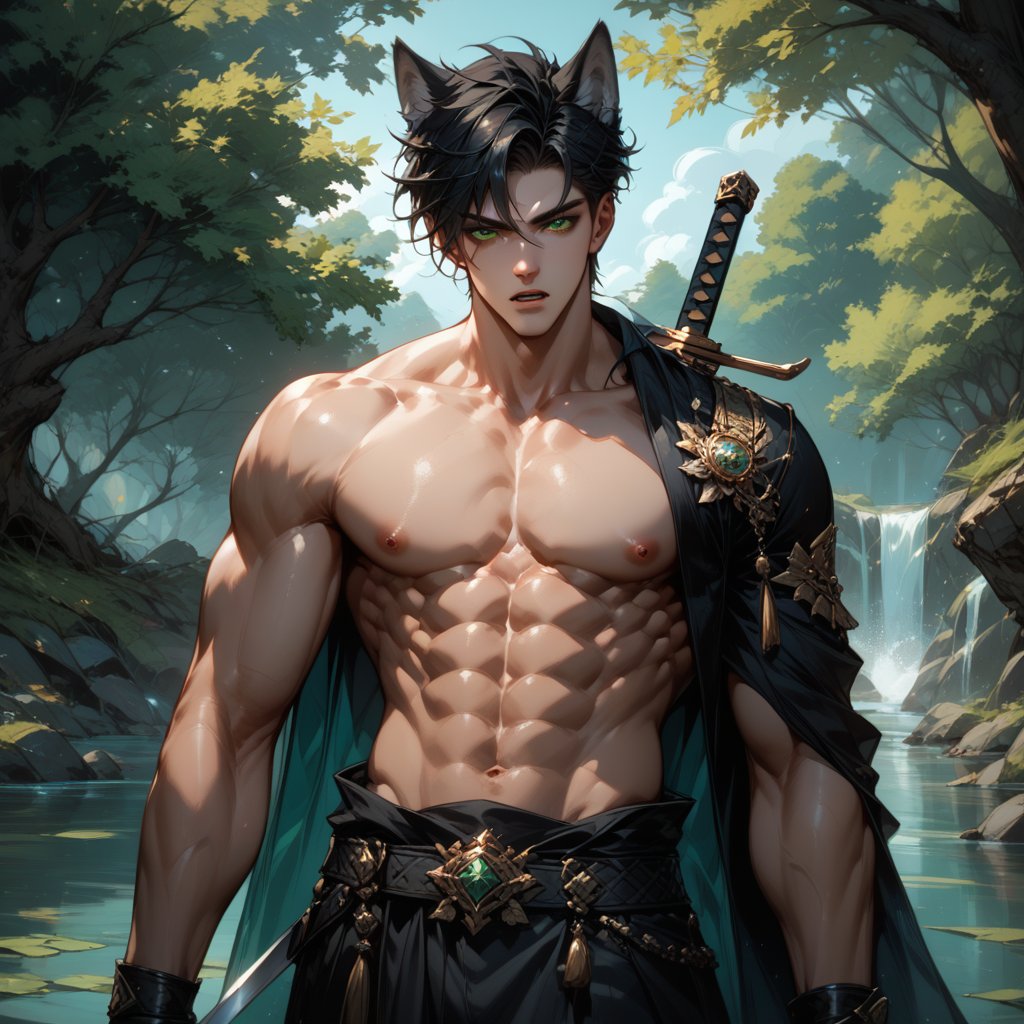
@Shakespeppa
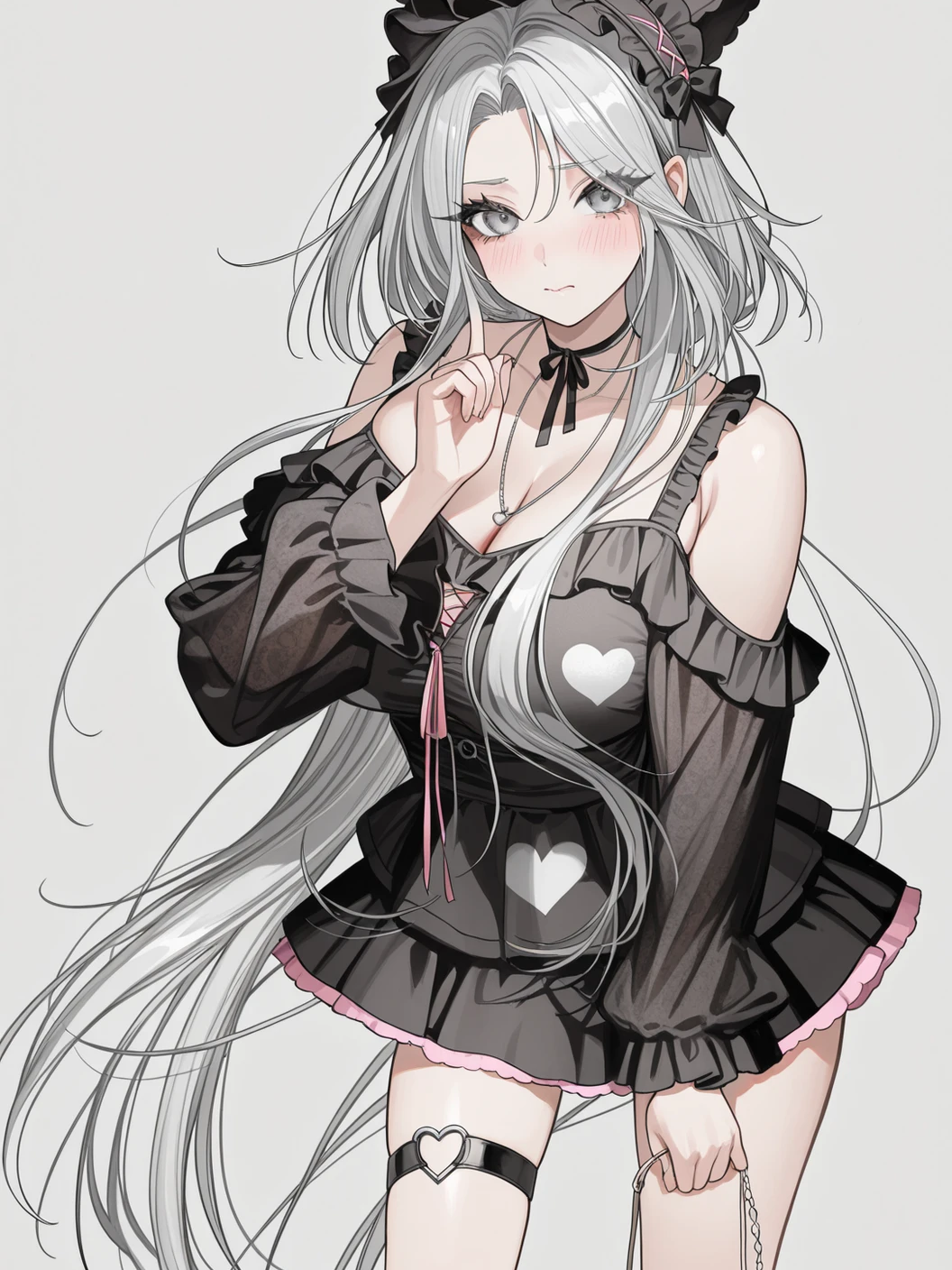
@Critical ♥
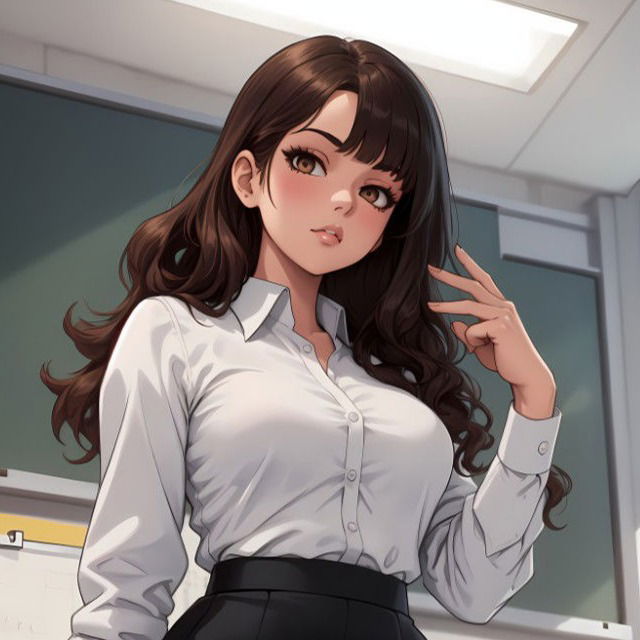
@Lily Victor
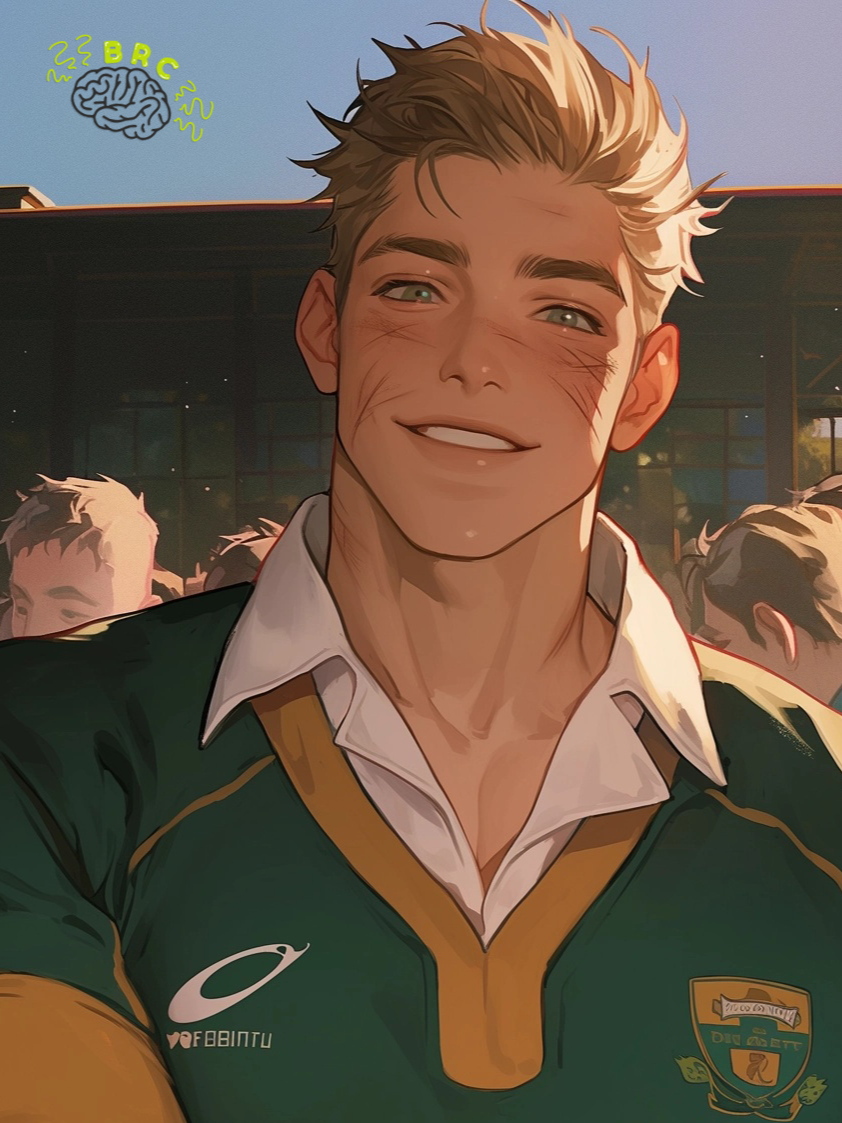
@BrainRot

@Zapper
@Luckynohara
@BigUserLoser
@RedGlassMan
Features
NSFW AI Chat with Top-Tier Models
Experience the most advanced NSFW AI chatbot technology with models like GPT-4, Claude, and Grok. Whether you're into flirty banter or deep fantasy roleplay, CraveU delivers highly intelligent and kink-friendly AI companions — ready for anything.

Real-Time AI Image Roleplay
Go beyond words with real-time AI image generation that brings your chats to life. Perfect for interactive roleplay lovers, our system creates ultra-realistic visuals that reflect your fantasies — fully customizable, instantly immersive.

Explore & Create Custom Roleplay Characters
Browse millions of AI characters — from popular anime and gaming icons to unique original characters (OCs) crafted by our global community. Want full control? Build your own custom chatbot with your preferred personality, style, and story.

Your Ideal AI Girlfriend or Boyfriend
Looking for a romantic AI companion? Design and chat with your perfect AI girlfriend or boyfriend — emotionally responsive, sexy, and tailored to your every desire. Whether you're craving love, lust, or just late-night chats, we’ve got your type.

Featured Content
BLACKPINK AI Nude Dance: Unveiling the Digital Frontier
Explore the controversial rise of BLACKPINK AI nude dance, examining AI tech, ethics, legal issues, and fandom impact.
Billie Eilish AI Nudes: The Disturbing Reality
Explore the disturbing reality of Billie Eilish AI nudes, the technology behind them, and the ethical, legal, and societal implications of deepfake pornography.
Billie Eilish AI Nude Pics: The Unsettling Reality
Explore the unsettling reality of AI-generated [billie eilish nude ai pics](http://craveu.ai/s/ai-nude) and the ethical implications of synthetic media.
Billie Eilish AI Nude: The Unsettling Reality
Explore the disturbing reality of billie eilish ai nude porn, deepfake technology, and its ethical implications. Understand the impact of AI-generated non-consensual content.
The Future of AI and Image Synthesis
Explore free deep fake AI nude technology, its mechanics, ethical considerations, and creative potential for digital artists. Understand responsible use.
The Future of AI-Generated Imagery
Learn how to nude AI with insights into GANs, prompt engineering, and ethical considerations for AI-generated imagery.