Crafting AI Anime Art: A Comprehensive Guide

Crafting AI Anime Art: A Comprehensive Guide
The digital art landscape is undergoing a seismic shift, and at its forefront is the burgeoning field of AI-generated anime art. Gone are the days when creating intricate anime characters and vibrant scenes required years of dedicated practice and specialized software. Today, with the advent of sophisticated artificial intelligence models, anyone with a creative spark and a clear vision can embark on the journey of how to generate AI anime art. This guide will delve deep into the methodologies, tools, and creative considerations that empower artists and enthusiasts alike to harness the power of AI for anime creation.
The Dawn of AI in Anime Artistry
For decades, anime has captivated audiences worldwide with its distinctive visual style, rich storytelling, and deeply resonant characters. Traditionally, bringing these elements to life involved painstaking manual illustration, frame by frame. However, the integration of artificial intelligence has democratized this process, offering unprecedented accessibility and speed. AI art generators, powered by complex neural networks trained on vast datasets of images and artistic styles, can now interpret textual prompts and translate them into stunning visual outputs. This technological leap has opened up exciting new avenues for both established artists looking to augment their workflow and newcomers eager to explore their creative potential.
Understanding the Core Technologies
At the heart of AI anime art generation lie several key technologies:
- Generative Adversarial Networks (GANs): These are a class of machine learning frameworks where two neural networks, a generator and a discriminator, compete against each other. The generator creates new data instances (in this case, images), while the discriminator evaluates them for authenticity. Through this adversarial process, the generator learns to produce increasingly realistic and high-quality outputs.
- Diffusion Models: More recently, diffusion models have gained prominence. These models work by gradually adding noise to an image until it becomes pure noise, and then learning to reverse this process to generate a clean image from noise. This iterative denoising process allows for remarkable control and detail in the generated artwork.
- Transformer Architectures: Often used in conjunction with diffusion models, transformers, originally developed for natural language processing, are adept at understanding the relationships between different parts of an input, such as words in a prompt. This enables them to interpret complex textual descriptions and translate them into coherent visual elements.
The synergy between these technologies allows AI models to understand nuanced prompts and generate images that are not only visually appealing but also aligned with the user's specific artistic intent.
Navigating the Tools: Your AI Anime Art Studio
The market is now flooded with various AI art generation platforms, each offering a unique set of features and capabilities. Choosing the right tool is crucial for an efficient and satisfying creative process. When considering how to generate AI anime art, it's essential to explore options that cater to the specific aesthetics and requirements of anime.
Popular AI Art Generation Platforms
Several platforms stand out for their ability to produce high-quality anime-style art:
- Midjourney: Renowned for its artistic flair and ability to generate highly stylized images, Midjourney is a popular choice for many AI artists. Its Discord-based interface, while initially unconventional, fosters a strong community and allows for rapid iteration. Midjourney excels at capturing the mood and atmosphere characteristic of anime.
- Stable Diffusion: This open-source model offers unparalleled flexibility and control. Users can run it locally on their own hardware, fine-tune models for specific styles, and access a vast ecosystem of community-developed tools and extensions. For those who want deep customization when learning how to generate AI anime art, Stable Diffusion is a powerful option.
- NovelAI: Specifically tailored for anime and manga enthusiasts, NovelAI provides a user-friendly interface and models trained on a massive dataset of anime imagery. It's particularly adept at generating character designs, backgrounds, and even narrative sequences in a consistent anime style.
- Leonardo.Ai: This platform offers a suite of AI tools for game asset creation, including character generation. It provides a good balance of ease of use and advanced features, with specific models and training options geared towards anime aesthetics.
Key Features to Look For
When evaluating these platforms, consider the following:
- Model Specialization: Does the platform offer models specifically trained on anime datasets? This is paramount for achieving authentic anime aesthetics.
- Prompting Capabilities: How well does the platform interpret natural language prompts? Look for features like negative prompting (specifying what you don't want) and prompt weighting.
- Customization and Control: Can you adjust parameters like aspect ratio, style strength, and seed values? Advanced users will appreciate the ability to fine-tune the generation process.
- Upscaling and Editing Tools: Does the platform offer built-in tools for enhancing image resolution or making minor edits?
- Community and Resources: A supportive community and readily available tutorials can significantly accelerate your learning curve.
Mastering the Art of Prompt Engineering
The effectiveness of any AI art generator hinges on the quality of the input prompts. Prompt engineering is the art and science of crafting descriptive text that guides the AI to produce the desired output. For anime art, this involves understanding the nuances of the style and translating them into precise language.
Deconstructing an Effective Anime Prompt
A well-structured prompt typically includes several key components:
-
Subject: Clearly define the main character or element. Be specific about their appearance, clothing, pose, and expression.
- Example: "A young woman with long, flowing silver hair, wearing a crimson kimono, standing on a moonlit bridge."
-
Style: Specify the desired anime aesthetic. This could be a particular era, a well-known artist's style, or a general descriptor.
- Example: "in the style of Studio Ghibli," "80s anime aesthetic," "shonen manga art."
-
Setting/Background: Describe the environment in which the subject is placed. Include details about lighting, atmosphere, and any relevant objects.
- Example: "a serene Japanese garden with cherry blossoms in full bloom," "a futuristic neon-lit cityscape," "a mystical forest shrouded in fog."
-
Composition and Camera Angle: Indicate how the scene should be framed.
- Example: "close-up portrait," "wide-angle shot," "from a low angle."
-
Artistic Modifiers: Add details that enhance the visual quality or mood.
- Example: "cinematic lighting," "highly detailed," "vibrant colors," "soft focus."
-
Negative Prompts: Specify elements to exclude, such as "blurry," "low quality," "deformed hands," or "text."
Advanced Prompting Techniques
- Keyword Weighting: Many platforms allow you to assign weights to specific keywords, giving them more or less influence on the final image. This is often done using parentheses or numerical values.
- Example:
(silver hair:1.3), crimson kimono, moonlit bridge
- Example:
- Seed Values: Using a specific seed number allows you to reproduce a particular generation, making it easier to iterate on a successful result.
- Image Prompts (Image-to-Image): Some tools allow you to upload an existing image as a reference, guiding the AI's generation based on its composition, colors, or style. This is incredibly useful for refining existing concepts or creating variations.
Experimentation is key. Don't be afraid to try different combinations of words, styles, and parameters. The journey of how to generate AI anime art is as much about learning the tools as it is about refining your creative vision through iterative prompting.
Achieving Specific Anime Styles
The term "anime" encompasses a vast spectrum of visual styles, from the iconic designs of the 1980s to the modern, hyper-detailed aesthetics of contemporary series. To truly master how to generate AI anime art, you need to understand how to evoke these specific styles.
Classic vs. Modern Anime Aesthetics
- Classic (70s-90s): Characterized by softer lines, often simpler color palettes, and a distinct, sometimes nostalgic, feel. Think of early Gundam, Dragon Ball Z, or Sailor Moon. Prompts might include terms like "vintage anime," "retro anime," "cel animation," "90s anime style."
- Modern (2000s-Present): Features sharper lines, more complex shading, often brighter and more saturated colors, and highly detailed character designs. Examples include Attack on Titan, Demon Slayer, or Jujutsu Kaisen. Prompts could incorporate "modern anime style," "high detail anime," "digital anime art," "shonen anime."
Evoking Specific Studio Styles
Many AI models can mimic the distinctive styles of famous anime studios:
- Studio Ghibli: Known for its painterly backgrounds, expressive character designs, and often whimsical or melancholic atmosphere. Use prompts like "Studio Ghibli style," "Hayao Miyazaki inspired," "hand-drawn anime."
- Kyoto Animation (KyoAni): Celebrated for its fluid animation, detailed character expressions, and often vibrant, pastel color palettes. Keywords: "KyoAni style," "Kyoto Animation aesthetic," "beautiful character animation."
- Trigger: Famous for its dynamic action sequences, bold character designs, and often exaggerated, energetic animation. Prompts: "Studio Trigger style," "Gainax style," "energetic anime," "dynamic action."
Character Design Specifics
When focusing on character creation, be precise:
- Hair: Color, style (ponytail, braids, messy), length.
- Eyes: Color, shape (large, almond, sharp), expression (determined, sad, playful).
- Facial Features: Nose shape, mouth expression, presence of freckles or scars.
- Clothing: Type of garment, color, material, accessories.
- Pose: Action pose, standing still, sitting, dynamic movement.
By combining these elements in your prompts, you can guide the AI to generate characters that align with your vision, whether it's a stoic warrior or a cheerful magical girl.
Refining Your AI-Generated Anime Art
The initial generation is often just the first step. To achieve truly polished results when learning how to generate AI anime art, post-processing and refinement are essential.
Upscaling and Detail Enhancement
AI models can sometimes produce images with slightly soft details or artifacts. Upscaling tools, often integrated into the generation platforms or available as standalone software, can increase the resolution and clarity of your artwork. Some advanced techniques involve using AI upscalers that intelligently add detail rather than simply stretching the image.
Post-Processing with Digital Art Software
For ultimate control, integrating your AI-generated images into traditional digital art software like Adobe Photoshop, Clip Studio Paint, or Krita is highly recommended. Here, you can:
- Color Correction: Adjust hues, saturation, and brightness to achieve the perfect palette.
- Detail Painting: Manually add finer details, refine linework, or correct anatomical inconsistencies.
- Compositing: Combine multiple AI generations or add hand-drawn elements to create complex scenes.
- Adding Effects: Incorporate atmospheric effects like bloom, lens flares, or particle systems to enhance the visual appeal.
This hybrid approach, combining the speed of AI generation with the precision of manual editing, allows for the creation of truly unique and professional-quality anime art.
Common Challenges and Solutions
Even with powerful tools, you might encounter obstacles. Understanding these common issues can help you overcome them more efficiently.
The "AI Look" and How to Avoid It
Sometimes, AI-generated art can have a distinct, slightly uncanny feel, often due to repetitive patterns or unnatural blending. To combat this:
- Vary Your Prompts: Avoid overly generic terms. Be descriptive and specific.
- Use Negative Prompts: Actively exclude elements that contribute to the "AI look," such as "smooth gradients," "plastic texture," or "overly clean."
- Post-Processing: Manual touch-ups in digital art software are the most effective way to break away from a purely AI-generated aesthetic. Adding subtle imperfections, texture, or painterly strokes can humanize the image.
Anatomical Inconsistencies
Hands and limbs are notoriously difficult for AI models to render perfectly.
- Specific Prompting: Try adding phrases like "detailed hands," "anatomically correct limbs," or specifying the number of fingers.
- Iterative Generation: Generate multiple variations and select the best one.
- Manual Correction: Be prepared to correct these areas in post-processing. Many artists find it easier to generate a base pose and then redraw or refine problematic areas by hand.
Achieving Coherent Character Consistency
Generating the same character across multiple images with consistent features can be challenging.
- Seed Values: Use the same seed value for multiple generations if the platform allows.
- Reference Images: Utilize image-to-image generation with a previously generated character image as a strong reference.
- Character Sheets: For complex projects, consider generating a character reference sheet with various angles and expressions, then using these as prompts for specific scenes.
The Future of AI Anime Art Creation
The field of AI art generation is evolving at an astonishing pace. As models become more sophisticated, we can expect even greater control, realism, and stylistic versatility. The ability to generate AI anime art is no longer a niche pursuit but a powerful tool accessible to a broad audience. Whether you're a hobbyist looking to create fan art, a professional artist seeking to streamline your workflow, or a storyteller aiming to visualize your narratives, AI offers a gateway to boundless creative possibilities.
The intersection of artificial intelligence and artistic expression is creating a new era of digital creativity. By understanding the underlying technologies, mastering the art of prompting, and embracing post-processing techniques, you can unlock the full potential of AI to bring your anime visions to life. The journey of how to generate AI anime art is an exciting exploration into the future of visual storytelling, and the canvas is yours to paint.
META_DESCRIPTION: Learn how to generate AI anime art with our comprehensive guide. Explore tools, prompting techniques, and styles for creating stunning anime visuals.
Character
@Lily Victor
@SmokingTiger

@RaeRae
@CloakedKitty
@NetAway
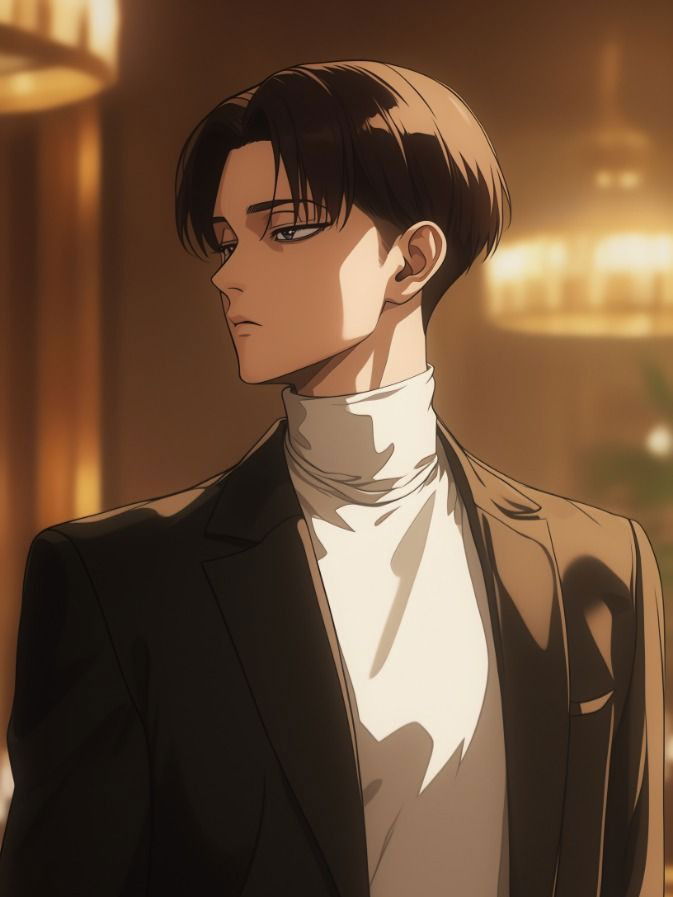
@Aizen
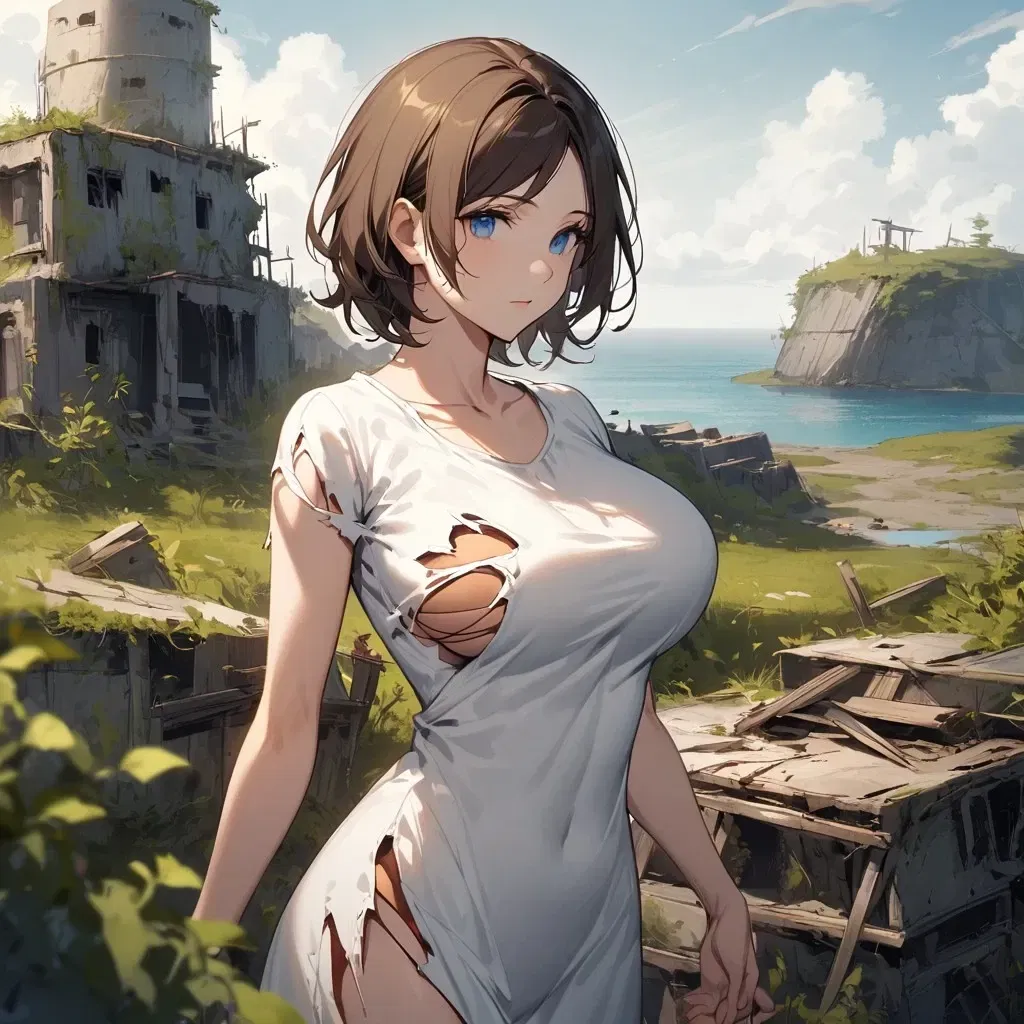
@Knux12
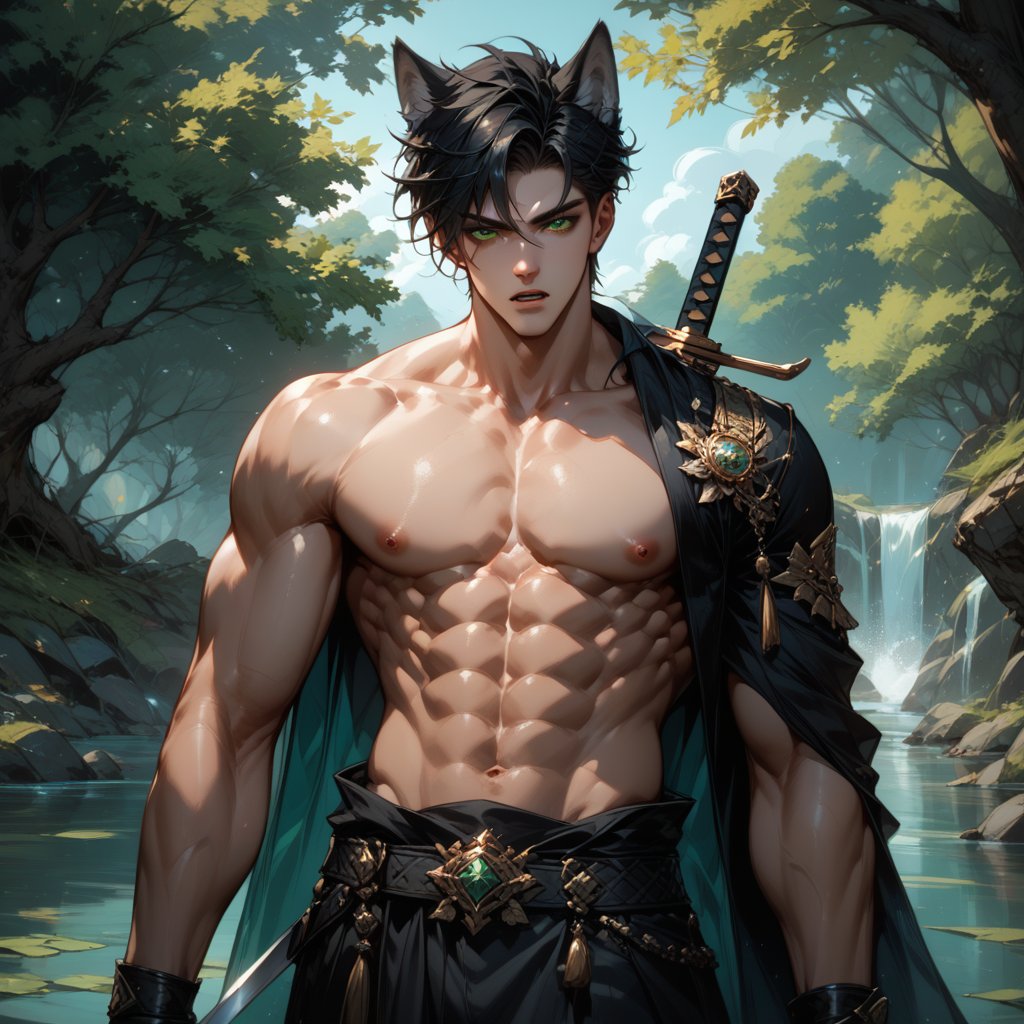
@Shakespeppa
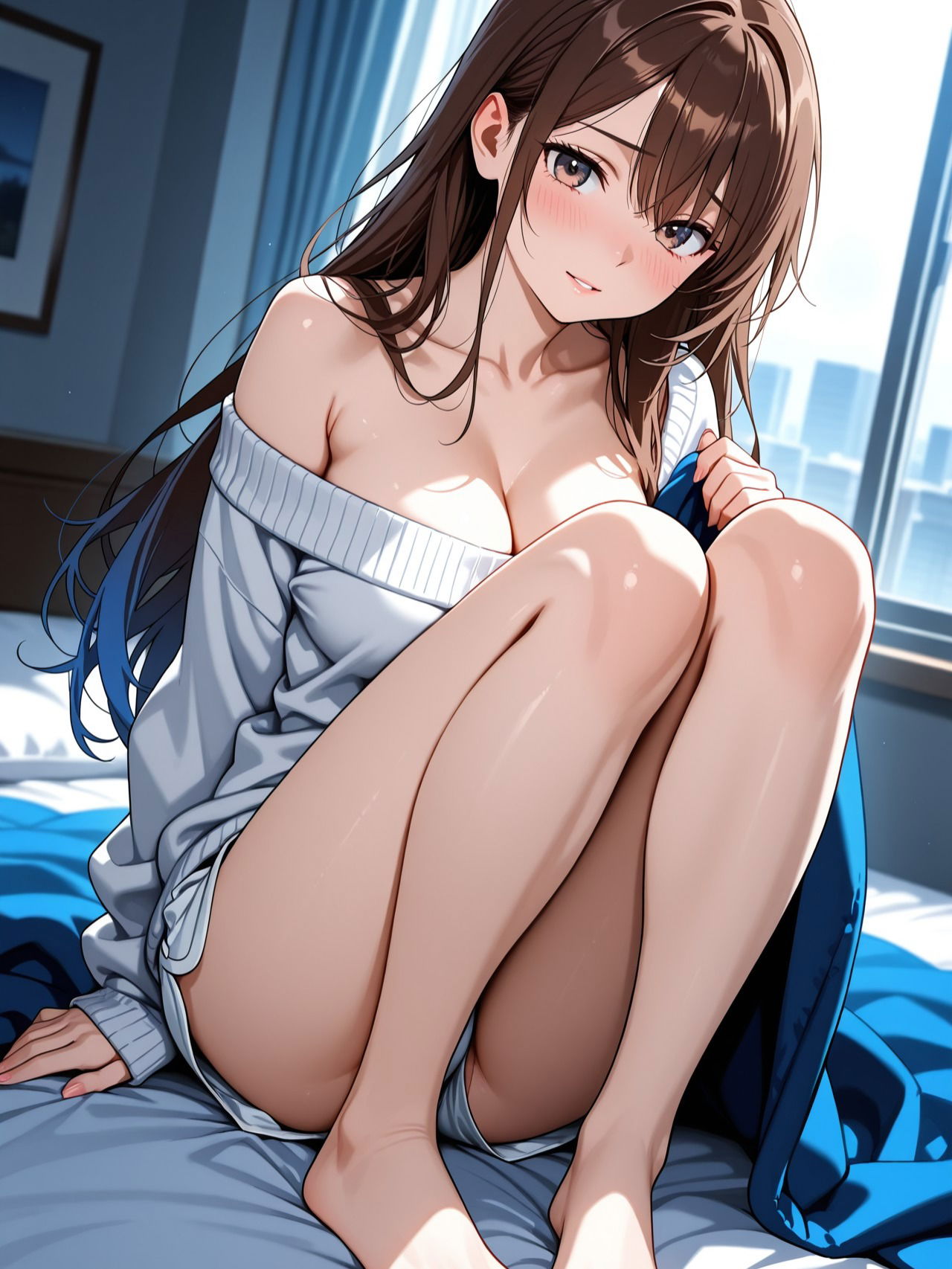
@Luckynohara
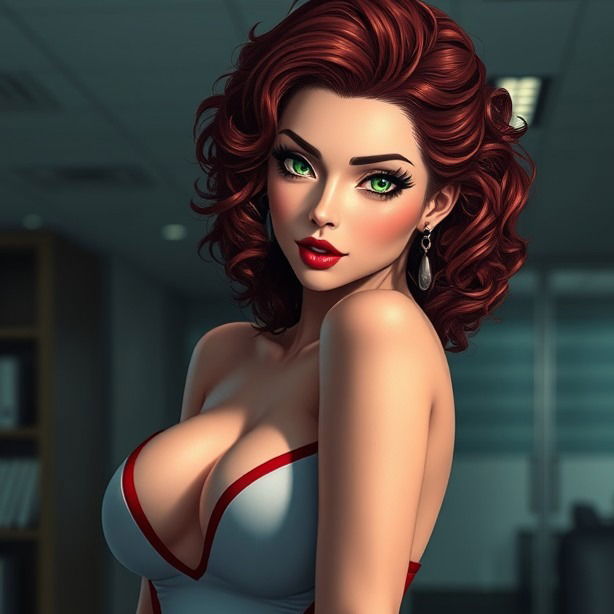
@Lily Victor
Features
NSFW AI Chat with Top-Tier Models
Experience the most advanced NSFW AI chatbot technology with models like GPT-4, Claude, and Grok. Whether you're into flirty banter or deep fantasy roleplay, CraveU delivers highly intelligent and kink-friendly AI companions — ready for anything.

Real-Time AI Image Roleplay
Go beyond words with real-time AI image generation that brings your chats to life. Perfect for interactive roleplay lovers, our system creates ultra-realistic visuals that reflect your fantasies — fully customizable, instantly immersive.

Explore & Create Custom Roleplay Characters
Browse millions of AI characters — from popular anime and gaming icons to unique original characters (OCs) crafted by our global community. Want full control? Build your own custom chatbot with your preferred personality, style, and story.

Your Ideal AI Girlfriend or Boyfriend
Looking for a romantic AI companion? Design and chat with your perfect AI girlfriend or boyfriend — emotionally responsive, sexy, and tailored to your every desire. Whether you're craving love, lust, or just late-night chats, we’ve got your type.

Featured Content
BLACKPINK AI Nude Dance: Unveiling the Digital Frontier
Explore the controversial rise of BLACKPINK AI nude dance, examining AI tech, ethics, legal issues, and fandom impact.
Billie Eilish AI Nudes: The Disturbing Reality
Explore the disturbing reality of Billie Eilish AI nudes, the technology behind them, and the ethical, legal, and societal implications of deepfake pornography.
Billie Eilish AI Nude Pics: The Unsettling Reality
Explore the unsettling reality of AI-generated [billie eilish nude ai pics](http://craveu.ai/s/ai-nude) and the ethical implications of synthetic media.
Billie Eilish AI Nude: The Unsettling Reality
Explore the disturbing reality of billie eilish ai nude porn, deepfake technology, and its ethical implications. Understand the impact of AI-generated non-consensual content.
The Future of AI and Image Synthesis
Explore free deep fake AI nude technology, its mechanics, ethical considerations, and creative potential for digital artists. Understand responsible use.
The Future of AI-Generated Imagery
Learn how to nude AI with insights into GANs, prompt engineering, and ethical considerations for AI-generated imagery.