Cute Pose Reference Guide for Artists

Cute Pose Reference Guide for Artists
Are you an artist struggling to find that perfect, captivating pose for your characters? Do you want to inject more life and personality into your drawings, but feel stuck in a rut of repetitive stances? You're not alone. Many artists find themselves searching for fresh, inspiring ways to depict their subjects, especially when aiming for that sought-after "cute" aesthetic. This comprehensive guide delves deep into the world of cute pose reference, offering insights, examples, and practical advice to elevate your artistic repertoire. We'll explore what makes a pose "cute," how to find and utilize references effectively, and provide a wealth of ideas to spark your creativity.
Understanding the Essence of "Cute" in Poses
Before we dive into specific references, let's dissect what constitutes a "cute" pose. It's more than just a simple stance; it's a combination of body language, expression, and context that evokes feelings of endearment, innocence, and charm.
- Body Language: Think about how children or small animals move. They often exhibit a certain vulnerability, openness, and playfulness. This can translate into:
- Slightly hunched or rounded shoulders: Suggests a softer, less imposing presence.
- Tilted head: Conveys curiosity, innocence, or a listening posture.
- Crossed legs or arms: Can indicate shyness or a desire for comfort.
- Exaggerated curves or soft lines: Avoid sharp, angular movements; opt for flowing, rounded forms.
- Hands tucked away or held close: Can imply shyness or a desire to be protected.
- Facial Expressions: While not strictly part of the pose itself, the expression is intrinsically linked. Wide eyes, a gentle smile, rosy cheeks, or a slightly furrowed brow in concentration can all enhance the cuteness factor.
- Context and Props: The environment and any objects a character interacts with can significantly amplify the cuteness. Holding a plush toy, peeking from behind an object, or interacting with a small animal all contribute to the overall impression.
It's a delicate balance. Too much of any one element can tip the scales from "cute" to "childish" or "awkward." The goal is to capture a natural, endearing quality.
The Power of Reference: Why You Need It
Many artists, especially those new to character design or illustration, underestimate the importance of good cute pose reference. Relying solely on imagination can lead to anatomical inaccuracies, stiff-looking figures, and a lack of dynamism. References are not about copying; they are about understanding form, weight, balance, and gesture.
- Anatomical Accuracy: Even stylized characters need to adhere to basic anatomical principles to feel believable. References help you understand how limbs connect, how weight is distributed, and how muscles and bones affect the silhouette.
- Dynamic Poses: Real life is rarely static. References capture the subtle nuances of movement and emotion, allowing you to create poses that feel alive and engaging.
- Emotional Resonance: A well-chosen pose can communicate a character's personality and emotional state without a single word. References provide a visual dictionary of these expressions.
- Overcoming Artist's Block: When inspiration wanes, a good reference can be the spark you need to get back into the creative flow.
Think of references as your visual mentors. They teach you the language of the body, allowing you to speak it fluently through your art.
Where to Find High-Quality Cute Pose References
The digital age has made finding artistic references easier than ever. However, quality and relevance can vary wildly. Here are some of the best places to look:
1. Online Art Communities and Platforms
- Pinterest: A visual search engine par excellence. Search for terms like "cute character poses," "anime pose reference," "chibi poses," "shy poses," or "playful poses." Create dedicated boards to organize your findings. Be mindful of image quality and source attribution where possible.
- ArtStation: While often showcasing polished final pieces, many artists also share process work, sketches, and pose studies. Look for character concept artists and illustrators whose style you admire.
- DeviantArt: A long-standing community with a vast array of user-submitted art. Use specific search terms and filter by "poses" or "references." Many artists offer pose packs or tutorials.
- Tumblr: Similar to Pinterest, Tumblr is a treasure trove of visual content, often with a strong focus on anime, manga, and illustration.
2. Stock Photo Websites (with a Twist)
While not always explicitly labeled "cute," many stock photos can be adapted. Look for:
- Lifestyle Photography: Candid shots of people interacting, playing, or expressing emotions can be excellent sources.
- Children's Photography: Captures natural, uninhibited movements and expressions that often translate to cuteness.
- Fashion Photography: Sometimes features playful or dynamic poses that can be stylized.
When using stock photos, focus on the gesture and silhouette rather than the specific details. You can then adapt these to your character's design.
3. 3D Model Reference Tools
- Posemaniacs: Offers a vast library of 3D models in various poses, with options to view from different angles and toggle muscle overlays. Excellent for understanding anatomy in motion.
- JustSketchMe: A popular tool for creating custom poses with 3D models. You can manipulate the model, adjust lighting, and even import your own models.
- Magic Poser: A mobile app that allows you to create and pose 3D models, offering a convenient way to generate references on the go.
These tools are invaluable for understanding the three-dimensional aspects of a pose, which is crucial for drawing from any angle.
4. Observing Real Life and Media
Don't forget the world around you!
- People Watching: Observe how people sit, stand, walk, and interact in everyday situations. Pay attention to children playing – they are natural masters of cute and expressive body language.
- Animation and Comics: Study your favorite animated films, TV shows, and comic books. Analyze how characters are posed to convey emotion and personality. Many animators use specific cute pose reference sheets for their characters.
- Animals: Small animals, especially pets, often exhibit endearing behaviors and postures. A cat curled up, a dog tilting its head, or a rabbit twitching its nose can all provide inspiration.
Categories of Cute Poses and Examples
Let's break down some common types of cute poses and provide specific examples you can try.
1. Shy and Reserved Poses
These poses convey a sense of bashfulness, innocence, or gentle introversion.
- The Peek-a-Boo: Character peeking out from behind an object (a wall, a large book, a potted plant) with only their eyes and perhaps a hand visible. Head might be slightly tilted.
- Arms Crossed (Softly): Arms crossed loosely in front, perhaps with hands tucked into sleeves or holding onto opposite elbows. Shoulders might be slightly rounded.
- Hands Clasped: Hands held together in front of the body, perhaps fidgeting slightly.
- Looking Down: Eyes cast downwards, perhaps with a slight blush on the cheeks. Body might be slightly curled inward.
- Hiding Face: Using hands or hair to partially or fully obscure the face, conveying shyness or embarrassment.
Example Scenario: A character being called upon unexpectedly in class. They might shrink back slightly, hands clasped tightly, eyes wide and looking down.
2. Playful and Energetic Poses
These poses capture a sense of joy, mischief, and exuberance.
- The Hop/Skip: One leg bent, the other extended slightly, with arms perhaps outstretched or held in a dynamic, mid-motion pose. Body might be leaning forward.
- Jumping for Joy: Mid-air, limbs splayed slightly, a wide smile on the face.
- Chasing/Running: Leaning forward, one leg extended back, arms pumping. A sense of motion is key.
- Playful Pounce: Crouching low, ready to spring, with a mischievous glint in the eyes.
- Waving Enthusiastically: Arm raised high, hand waving energetically, body perhaps leaning into the gesture.
Example Scenario: A character receiving a long-awaited gift. They might jump up and down, arms flailing slightly, a huge grin on their face.
3. Curious and Inquisitive Poses
These poses suggest wonder, interest, and a desire to explore.
- Head Tilt: A classic. Tilting the head to one side, perhaps with a finger to the chin in thought.
- Leaning In: Body angled forward, perhaps reaching out slightly with a hand or just focusing intently on something.
- Looking Up: Eyes directed upwards, perhaps with a sense of awe or wonder.
- Examining an Object: Holding an object (a flower, a bug, a strange artifact) and looking at it closely, perhaps bringing it nearer to the face.
Example Scenario: A character discovering a hidden garden. They might stand at the entrance, head tilted, eyes wide with wonder, perhaps reaching a tentative hand towards a glowing flower.
4. Cozy and Comforting Poses
These evoke feelings of warmth, safety, and contentment.
- Curled Up: Sitting or lying down, knees drawn up to the chest, perhaps hugging a pillow or blanket.
- Hugging Self: Arms wrapped around the body, conveying a sense of self-comfort or slight chill.
- Leaning Against Something: Resting against a wall, a tree, or another character, conveying a relaxed and trusting posture.
- Sitting with Legs Dangling: Sitting on an elevated surface (a ledge, a chair) with legs dangling freely, suggesting a relaxed and carefree attitude.
Example Scenario: A character settling down to read a book on a rainy day. They might curl up on a sofa, knees tucked up, a warm mug in hand.
5. Pouting or Sulking Poses
While sometimes associated with negative emotions, a mild pout can also be perceived as cute, especially in certain character archetypes.
- The Pout: Lower lip pushed out slightly, perhaps accompanied by crossed arms or a sideways glance.
- Sulking: Sitting slightly apart from others, looking away, perhaps with slumped shoulders.
- Exaggerated Sadness: Big, teary eyes (even if not crying), a downturned mouth.
Example Scenario: A character being told they can't have a second dessert. They might cross their arms, pout their lips, and give a dramatic sigh.
Tips for Using Pose References Effectively
Simply finding a reference isn't enough. You need to know how to integrate it into your workflow.
- Don't Copy Blindly: Use references as a guide, not a template. Understand the underlying structure and gesture, then adapt it to your character's unique design and personality. Change the limb positions slightly, adjust the proportions, add details that fit your style.
- Break Down Complex Poses: If a pose seems too difficult, break it down into simpler shapes. Start with the gesture line, then add the torso, head, and limbs as basic forms (cylinders, spheres, boxes).
- Consider the Silhouette: A strong silhouette is crucial for character recognition and readability. Ensure the pose creates an interesting and clear outline.
- Think About the Narrative: What story does the pose tell? Does it align with the character's current situation and personality? A cute pose should enhance, not detract from, the narrative.
- Exaggerate for Effect (Carefully): For a "cute" aesthetic, slight exaggeration of certain features or movements can be effective. A slightly larger head, wider eyes, or a more pronounced tilt can enhance the charm. However, avoid overdoing it, which can lead to uncanny valley effects or unintended comedic results.
- Practice Gesture Drawing: Regularly practice drawing quick gestures from references (30 seconds to 2 minutes per pose). This trains your eye to capture the essence of movement and form rapidly, improving your ability to create dynamic poses from imagination.
- Combine References: Don't be afraid to take elements from multiple references. Perhaps you like the head tilt from one, the body posture from another, and the hand position from a third. Mix and match to create something unique.
- Draw from Multiple Angles: If possible, try to find references or use 3D tools to see the pose from different viewpoints (front, side, back, three-quarter). This builds a more robust understanding of the form in space.
Common Pitfalls and How to Avoid Them
- Stiff or Lifeless Poses: This often stems from drawing from memory without consulting references or relying on overly rigid references. Combat this by actively seeking dynamic poses and practicing gesture drawing.
- Anatomical Errors: Forgetting about the underlying skeleton and musculature. Always consider how the pose affects the body's structure. Use anatomical references alongside your "cute" pose references.
- Repetitive Poses: Falling into a habit of drawing the same few poses over and over. Make a conscious effort to explore new categories and search for diverse references regularly.
- "Uncanny Valley" Cuteness: Sometimes, trying too hard to be cute can result in something unsettling. This often happens with extreme proportions or unnatural expressions. Aim for naturalism, even within a stylized context. Subtle cues are often more effective than overt ones.
- Ignoring the Narrative: Using a cute pose simply because it's cute, without considering if it fits the character or scene. Always ask: "Does this pose serve the story?"
Conclusion: Mastering the Art of Cute Poses
Finding and utilizing cute pose reference is an essential skill for any artist looking to imbue their characters with charm, personality, and life. By understanding the core elements of what makes a pose "cute," knowing where to find high-quality resources, and applying effective drawing techniques, you can break free from creative ruts and elevate your artwork.
Remember, references are tools for learning and inspiration. They empower you to understand form, movement, and emotion, enabling you to create poses that are not only visually appealing but also narratively compelling. So, go forth, explore, observe, and practice. Your characters will thank you for it, radiating an undeniable charm that captivates every viewer. What new pose will you try today?
META_DESCRIPTION: Discover essential cute pose reference guides and examples for artists. Learn to draw captivating characters with charm and personality.
Character
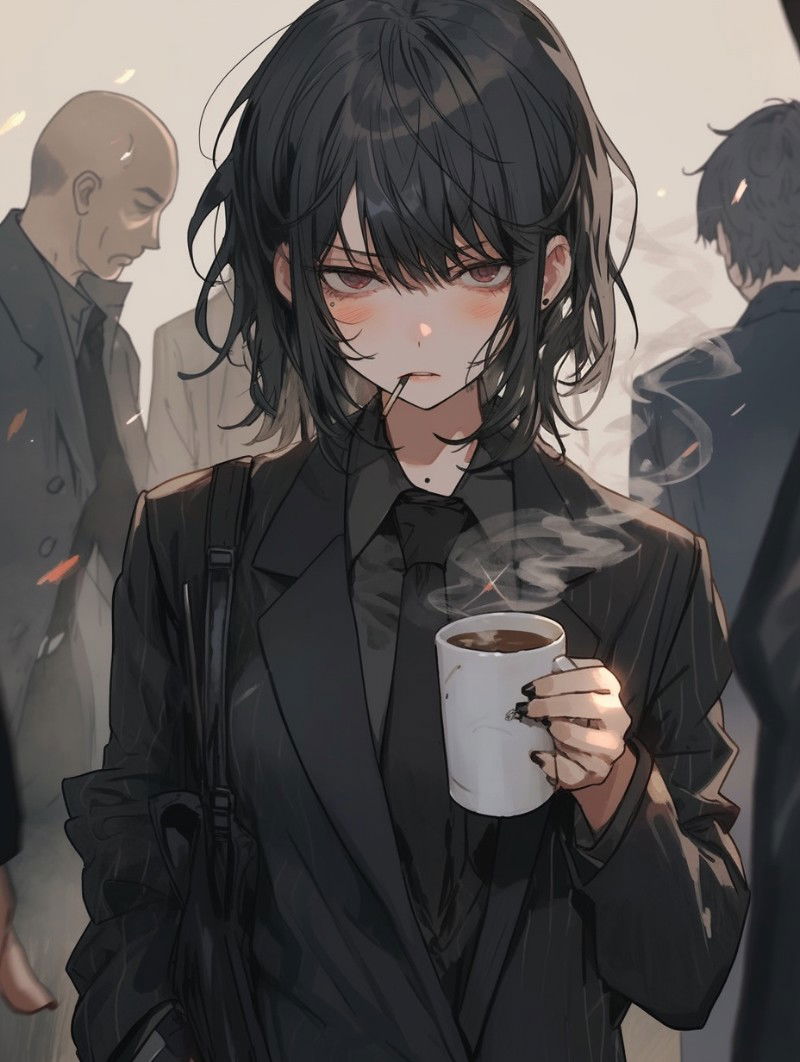
@AI_KemoFactory
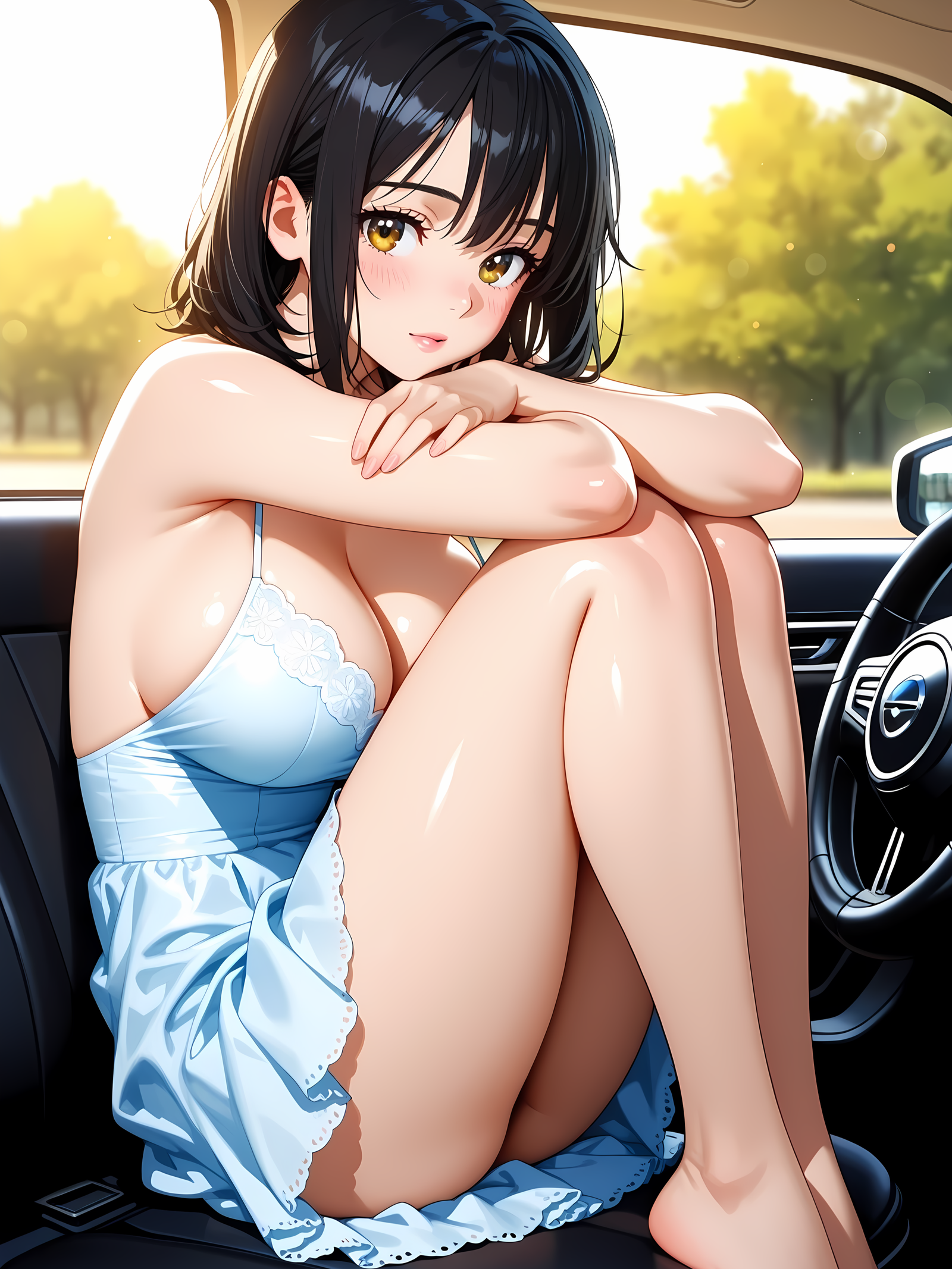
@Luckynohara
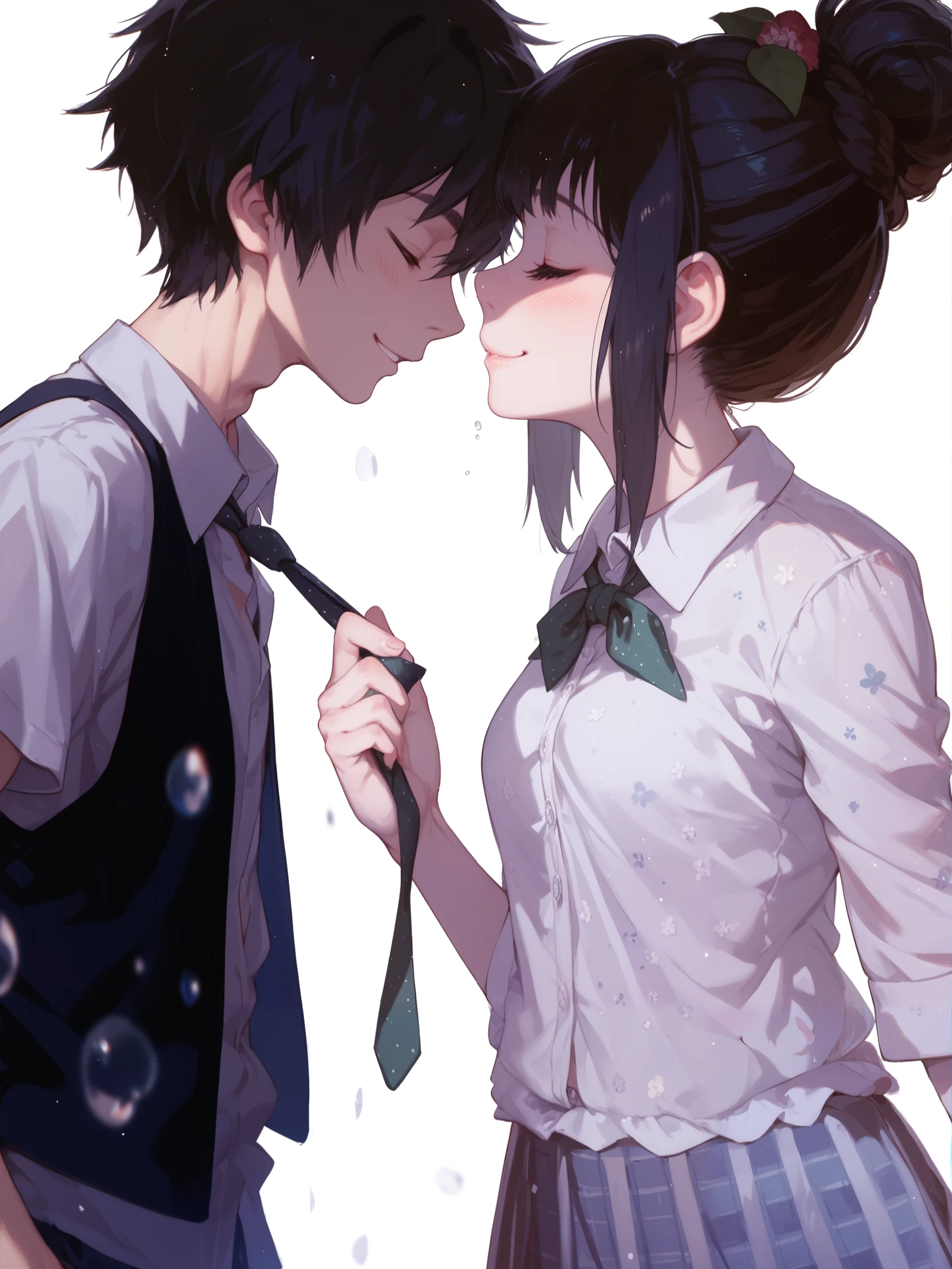
@Critical ♥

@Knux12

@Notme
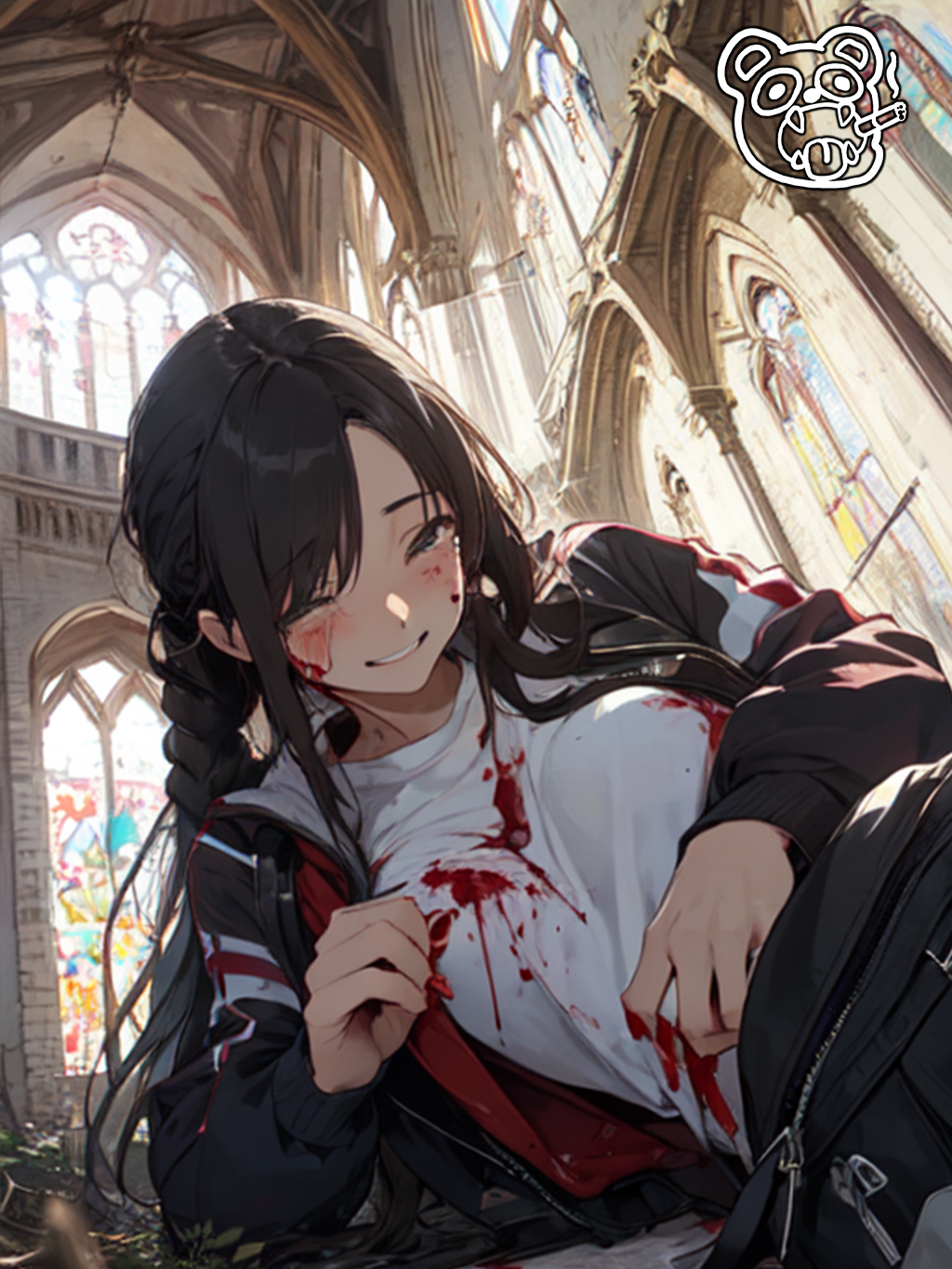
@SmokingTiger

@FallSunshine
@جونى

@Notme

@Lily Victor
Features
NSFW AI Chat with Top-Tier Models
Experience the most advanced NSFW AI chatbot technology with models like GPT-4, Claude, and Grok. Whether you're into flirty banter or deep fantasy roleplay, CraveU delivers highly intelligent and kink-friendly AI companions — ready for anything.

Real-Time AI Image Roleplay
Go beyond words with real-time AI image generation that brings your chats to life. Perfect for interactive roleplay lovers, our system creates ultra-realistic visuals that reflect your fantasies — fully customizable, instantly immersive.

Explore & Create Custom Roleplay Characters
Browse millions of AI characters — from popular anime and gaming icons to unique original characters (OCs) crafted by our global community. Want full control? Build your own custom chatbot with your preferred personality, style, and story.

Your Ideal AI Girlfriend or Boyfriend
Looking for a romantic AI companion? Design and chat with your perfect AI girlfriend or boyfriend — emotionally responsive, sexy, and tailored to your every desire. Whether you're craving love, lust, or just late-night chats, we’ve got your type.

Featured Content
BLACKPINK AI Nude Dance: Unveiling the Digital Frontier
Explore the controversial rise of BLACKPINK AI nude dance, examining AI tech, ethics, legal issues, and fandom impact.
Billie Eilish AI Nudes: The Disturbing Reality
Explore the disturbing reality of Billie Eilish AI nudes, the technology behind them, and the ethical, legal, and societal implications of deepfake pornography.
Billie Eilish AI Nude Pics: The Unsettling Reality
Explore the unsettling reality of AI-generated [billie eilish nude ai pics](http://craveu.ai/s/ai-nude) and the ethical implications of synthetic media.
Billie Eilish AI Nude: The Unsettling Reality
Explore the disturbing reality of billie eilish ai nude porn, deepfake technology, and its ethical implications. Understand the impact of AI-generated non-consensual content.
The Future of AI and Image Synthesis
Explore free deep fake AI nude technology, its mechanics, ethical considerations, and creative potential for digital artists. Understand responsible use.
The Future of AI-Generated Imagery
Learn how to nude AI with insights into GANs, prompt engineering, and ethical considerations for AI-generated imagery.