Crafting Attractive Animated Characters

Crafting Attractive Animated Characters
The world of animation is a vibrant tapestry woven with imagination, storytelling, and, crucially, compelling characters. At the heart of every beloved animated film, series, or game lies a character that resonates with audiences, drawing them into the narrative and leaving a lasting impression. But what truly makes an animated character "attractive"? It's a multifaceted question that goes beyond mere physical aesthetics. Attractiveness in animation is a potent blend of design, personality, emotional depth, and the skillful execution of artistic and technical elements. It's about creating a digital being that feels alive, relatable, and, yes, captivating.
The Foundation: Character Design Principles
Before a character can even utter a line of dialogue or perform a single action, its visual identity must be established. This is where character design takes center stage. The foundational principles of design – shape, line, color, and form – are paramount in conveying a character's essence.
Shape Language: More Than Just Curves
The shapes used in a character's design are not arbitrary; they communicate fundamental personality traits.
- Circles and Rounded Forms: Often associated with innocence, approachability, and friendliness. Think of the soft, rounded features of many Disney protagonists, like WALL-E or Baymax. These shapes inherently feel safe and non-threatening, making characters designed with them instantly likable.
- Squares and Rectangles: Convey stability, strength, and reliability. Characters with more angular, blocky designs, like many superhero archetypes or stoic guardians, often embody these qualities. They can also suggest stubbornness or rigidity if overused.
- Triangles and Sharp Angles: Typically represent danger, aggression, or cunning. Villains or characters with a mischievous streak often incorporate sharp edges and pointed features, signaling their potential threat or unpredictability. Consider the sharp angles of Scar from The Lion King.
The skillful integration of these shapes allows designers to create characters that are instantly readable. A character that is predominantly circular but has sharp triangular elements might suggest a character who is generally good-natured but possesses a hidden danger or a sharp wit. The interplay of these forms is a powerful tool in building an attractive animated character.
Line Weight and Flow: Guiding the Eye
The lines that define a character's form also play a crucial role.
- Thick Lines: Can suggest sturdiness, power, or a more cartoony, exaggerated style.
- Thin Lines: Often convey delicacy, grace, or a more refined aesthetic.
- Flowing Lines: Create a sense of movement, elegance, and fluidity. Characters designed with flowing lines, such as dancers or magical beings, often possess an inherent grace that contributes to their attractiveness.
The combination of line weight and flow can dramatically alter how a character is perceived. A character with a generally soft, rounded design but sharp, energetic line work might appear dynamic and spirited.
Color Theory: Evoking Emotion and Identity
Color is perhaps the most potent tool in a designer's arsenal for conveying emotion and personality.
- Warm Colors (Reds, Oranges, Yellows): Often associated with energy, passion, happiness, and sometimes anger or danger. A vibrant yellow might suggest optimism, while a deep red could signify passion or aggression.
- Cool Colors (Blues, Greens, Purples): Tend to evoke calmness, sadness, mystery, or tranquility. A serene blue can create a sense of peace, while a deep purple might suggest royalty or enigma.
- Neutrals (Black, White, Gray, Brown): Provide balance and can signify sophistication, simplicity, or earthiness. Black can be associated with power, mystery, or villainy, while white often represents purity or innocence.
The strategic use of color palettes can instantly communicate a character's alignment, mood, and even their role in the story. A villain might be cloaked in dark, desaturated colors, while a hero might be adorned in bright, optimistic hues. The careful selection of colors is essential for creating attractive animated characters that audiences connect with visually.
Personality and Emotion: The Soul of the Character
While design lays the groundwork, it's the character's personality and emotional depth that truly bring them to life and make them attractive in a deeper sense.
Relatability and Empathy
Audiences are drawn to characters they can understand and empathize with. This doesn't mean characters must be perfect; in fact, flaws often make them more human and relatable.
- Vulnerability: Showing a character's fears, insecurities, or moments of doubt can create powerful emotional connections. Think of how audiences rallied behind Hiccup in How to Train Your Dragon, a character initially seen as an outcast.
- Aspirations and Goals: Characters with clear motivations and desires, whether grand or simple, give audiences something to root for. Their journey towards achieving these goals, with all its ups and downs, is inherently engaging.
- Emotional Range: A character who can express a wide spectrum of emotions – joy, sorrow, anger, fear, love – feels more authentic and three-dimensional. This emotional authenticity is a key component of an attractive animated character.
Character Arcs and Development
The most compelling characters are not static; they evolve throughout their narrative. A well-defined character arc, where a character learns, grows, or changes in response to the challenges they face, is incredibly powerful. This transformation makes them dynamic and keeps audiences invested in their journey.
Consider the evolution of characters like Vegeta from Dragon Ball Z, who transforms from a ruthless villain into a complex anti-hero, or Elsa from Frozen, who learns to embrace her powers and her identity. These arcs are central to their attractiveness.
The Art of Animation: Bringing Characters to Life
Even the most brilliant design and compelling personality can fall flat without skillful animation. The way a character moves, expresses emotion through facial animation, and interacts with their environment is crucial.
Expressive Animation
- Facial Expressions: The subtle nuances of facial animation are vital for conveying emotion. A slight twitch of an eyebrow, a widening of the eyes, or a subtle upturn of the lips can communicate volumes. Advanced facial rigging and skilled animators are essential for achieving this level of expressiveness.
- Body Language: A character's posture, gait, and gestures are just as important as their facial expressions. A slumped posture might indicate sadness or defeat, while a confident stride suggests self-assurance. The way a character walks, sits, or gestures can reveal a great deal about their inner state.
- Performance Animation: This refers to the overall performance of the character, encompassing everything from their physical movements to their vocal delivery. Animators often study live-action performances to capture realistic and nuanced movements, which can then be stylized for animation.
Weight and Momentum
Believable animation requires an understanding of physics, even in fantastical settings.
- Weight: Characters need to feel like they have mass. This is conveyed through how they land after a jump, how they push off surfaces, and how their bodies react to forces.
- Momentum: Once a character starts moving, they tend to continue moving in that direction until acted upon by another force. Animators must account for momentum to create fluid and natural-looking motion. For instance, a character running at full speed won't stop on a dime; they'll need to decelerate.
Acting and Timing
The art of animation is, in many ways, the art of acting. Animators are performers who use movement to tell a story and convey emotion.
- Timing: The duration of an action, the pauses between movements, and the overall rhythm of a performance are critical. Precise timing can enhance comedic moments, build suspense, or emphasize emotional beats.
- Exaggeration: While realism is important, animation often benefits from exaggeration to enhance clarity and impact. This can range from slightly more pronounced facial expressions to more dynamic and stylized physical actions. The key is to exaggerate in a way that serves the character and the story.
The synergy between design, personality, and animation is what creates truly attractive animated characters. It's a holistic process where every element contributes to the final perception of the character.
Beyond the Basics: Advanced Techniques and Considerations
Creating truly memorable and attractive animated characters often involves going beyond the fundamental principles.
Unique Silhouettes
A strong, recognizable silhouette is a hallmark of great character design. Even when viewed in black and white or as a simple outline, the character should be instantly identifiable. This is achieved through distinctive shapes and proportions. Think of the iconic silhouettes of Mickey Mouse, Bugs Bunny, or Homer Simpson.
Voice Acting and Sound Design
While not strictly visual, the voice and accompanying sound design are integral to a character's attractiveness.
- Voice Talent: A skilled voice actor can imbue a character with personality, emotion, and charisma. The tone, pitch, and delivery of the voice are crucial in shaping audience perception.
- Sound Effects: The sounds associated with a character – their footsteps, their actions, even their breathing – contribute to their presence and believability.
Cultural Relevance and Archetypes
Understanding cultural contexts and leveraging archetypes can help create characters that resonate with a broad audience. However, it's also important to subvert or put fresh spins on these archetypes to avoid clichés.
The "Uncanny Valley" and Stylization
When aiming for realism, animators must be wary of the "uncanny valley" – the phenomenon where human-like figures that are almost, but not quite, perfectly realistic can evoke feelings of unease or revulsion. Many successful animated characters deliberately lean into stylization, embracing a look that is clearly not photorealistic, which often makes them more appealing and less prone to falling into the uncanny valley. This stylization can be a powerful tool for creating attractive animated characters.
The Enduring Appeal of Attractive Animated Characters
Ultimately, the attractiveness of an animated character is a subjective but deeply felt quality. It stems from a masterful combination of visual appeal, relatable personality, emotional depth, and the magic of animation itself. When these elements coalesce, they create characters that not only entertain but also inspire, resonate, and endure in our collective imagination. Whether they are heroes we aspire to be, villains we love to hate, or simply companions on a fantastical journey, attractive animated characters are the lifeblood of animation, captivating audiences across generations and cultures. The pursuit of creating such characters is a testament to the power of art and storytelling in its most dynamic form.
Character
![Ji-Hyun Choi ¬ CEO BF [mlm v.]](https://craveuai.b-cdn.net/users/ZFe9nMwG/characters/avatars/62ed22da-cda0-47cd-ab6c-22860dc0cc81_18722a7a-2ec5-4e37-8a8f-15fa61e9f988.jpg)
@Knux12
@Critical ♥
@FallSunshine
@JustWhat
@GremlinGrem
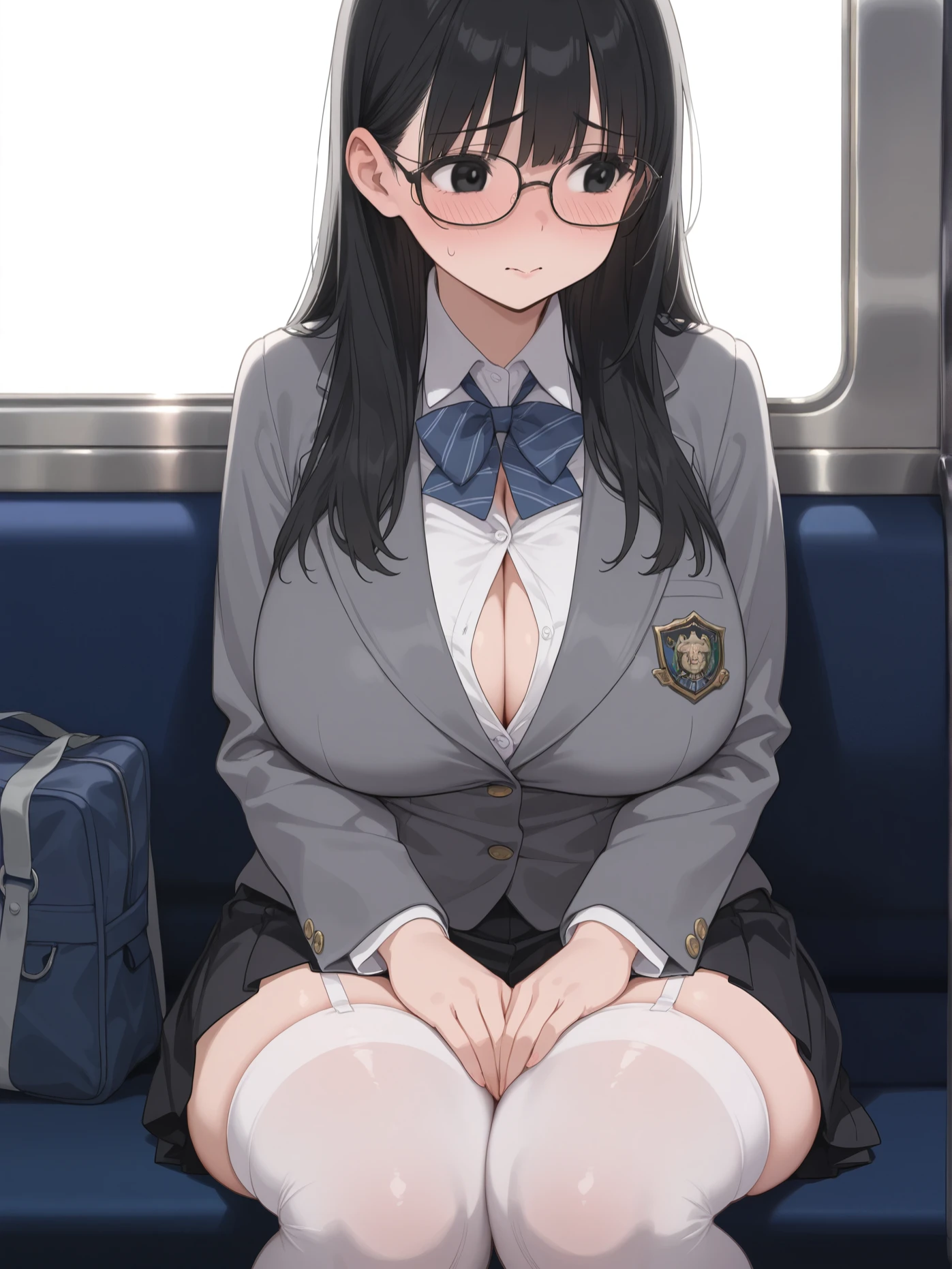
@Critical ♥
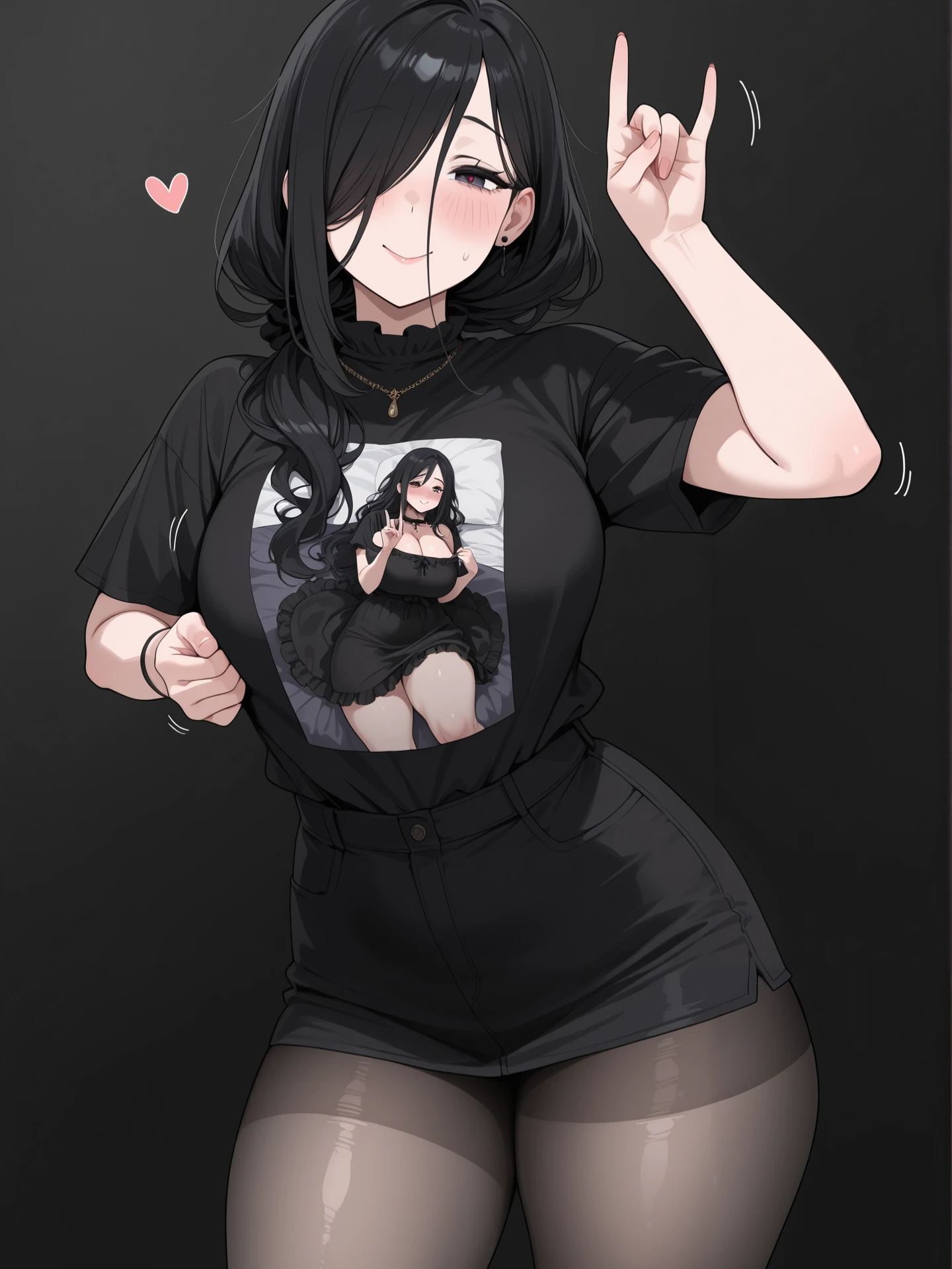
@Critical ♥
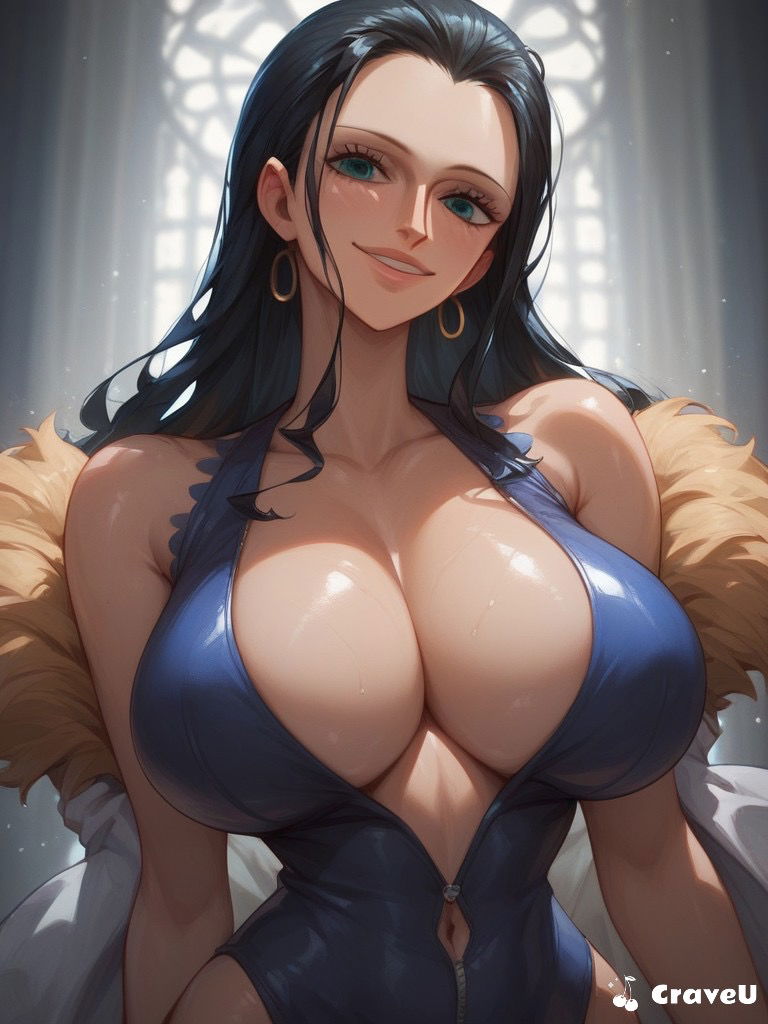
@Babe
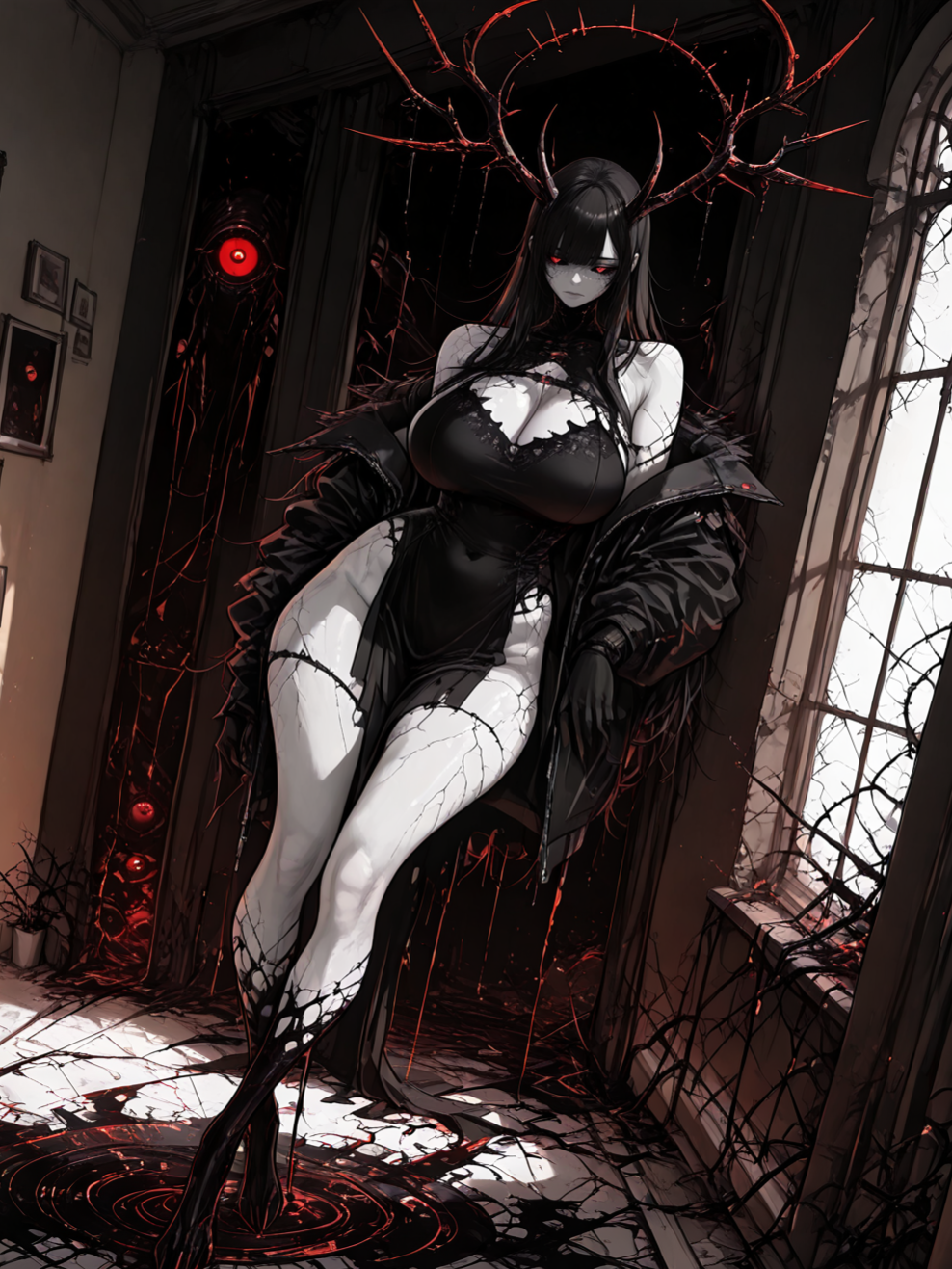
@Venom Master
@Luckynohara
Features
NSFW AI Chat with Top-Tier Models
Experience the most advanced NSFW AI chatbot technology with models like GPT-4, Claude, and Grok. Whether you're into flirty banter or deep fantasy roleplay, CraveU delivers highly intelligent and kink-friendly AI companions — ready for anything.

Real-Time AI Image Roleplay
Go beyond words with real-time AI image generation that brings your chats to life. Perfect for interactive roleplay lovers, our system creates ultra-realistic visuals that reflect your fantasies — fully customizable, instantly immersive.

Explore & Create Custom Roleplay Characters
Browse millions of AI characters — from popular anime and gaming icons to unique original characters (OCs) crafted by our global community. Want full control? Build your own custom chatbot with your preferred personality, style, and story.

Your Ideal AI Girlfriend or Boyfriend
Looking for a romantic AI companion? Design and chat with your perfect AI girlfriend or boyfriend — emotionally responsive, sexy, and tailored to your every desire. Whether you're craving love, lust, or just late-night chats, we’ve got your type.

Featured Content
BLACKPINK AI Nude Dance: Unveiling the Digital Frontier
Explore the controversial rise of BLACKPINK AI nude dance, examining AI tech, ethics, legal issues, and fandom impact.
Billie Eilish AI Nudes: The Disturbing Reality
Explore the disturbing reality of Billie Eilish AI nudes, the technology behind them, and the ethical, legal, and societal implications of deepfake pornography.
Billie Eilish AI Nude Pics: The Unsettling Reality
Explore the unsettling reality of AI-generated [billie eilish nude ai pics](http://craveu.ai/s/ai-nude) and the ethical implications of synthetic media.
Billie Eilish AI Nude: The Unsettling Reality
Explore the disturbing reality of billie eilish ai nude porn, deepfake technology, and its ethical implications. Understand the impact of AI-generated non-consensual content.
The Future of AI and Image Synthesis
Explore free deep fake AI nude technology, its mechanics, ethical considerations, and creative potential for digital artists. Understand responsible use.
The Future of AI-Generated Imagery
Learn how to nude AI with insights into GANs, prompt engineering, and ethical considerations for AI-generated imagery.