Unleash Your Inner Beast: Anthropomorphic Animal Characters

Unleash Your Inner Beast: Anthropomorphic Animal Characters
The world of art and storytelling is richer for the vibrant tapestry of anthropomorphic animal characters. These fascinating creations, blending the familiar forms of animals with distinctly human traits and behaviors, have captivated audiences for centuries. From ancient fables to modern digital art, they offer a unique lens through which to explore complex themes, evoke empathy, and spark imagination. But what exactly makes these hybrid beings so compelling? It's a question that delves into psychology, mythology, and the very essence of what it means to be human – or perhaps, something more.
The Enduring Allure of Animal-Human Hybrids
Why are we so drawn to characters like Bugs Bunny or Zootopia's Judy Hopps? The appeal is multi-faceted. On a primal level, animals represent aspects of ourselves that we often suppress or admire: the cunning of a fox, the loyalty of a dog, the freedom of a bird. By imbuing them with human consciousness and relatable emotions, we create avatars that allow us to explore these traits in a safe, imaginative space. Think about the classic trickster archetype, often embodied by a mischievous monkey or a sly coyote. These characters allow us to engage with our own capacity for rebellion and cleverness without real-world consequences.
Furthermore, anthropomorphic animal characters serve as powerful allegorical tools. Aesop's Fables, for instance, used animals to teach moral lessons about pride, greed, and cooperation. The tortoise and the hare isn't just a story about a race; it's a timeless commentary on perseverance versus overconfidence. This tradition continues today in literature, film, and gaming, where animal characters can tackle sensitive social or political issues in a way that is accessible and engaging for a broad audience. Consider the nuanced portrayal of societal prejudice in Zootopia, where predator and prey species navigate a complex urban landscape.
The visual aspect is also crucial. The inherent diversity of animal forms provides artists with an incredible palette of shapes, textures, and movements to play with. The challenge and reward lie in finding that perfect balance – enough animalistic quality to be recognizable, yet enough human-like expression and posture to convey personality and emotion. This is where the true artistry of creating anthropomorphic animal characters shines. It’s about understanding the underlying anatomy and behavior of the animal and then skillfully layering human-like characteristics onto that foundation.
Crafting Compelling Characters: Beyond the Fur and Feathers
Creating a truly memorable anthropomorphic character goes far beyond simply sticking a tie on a wolf. It requires a deep understanding of character design principles and narrative storytelling.
1. Defining the Core Concept: Animal Meets Human
The first step is to establish the fundamental blend. What animal is the character based on, and what human traits are being emphasized? This isn't just about picking a cute animal; it's about selecting an animal whose natural characteristics can inform the character's personality, abilities, and even their worldview. A character based on a sloth might naturally embody a sense of calm or perhaps a tendency towards procrastination, while a hummingbird character might be energetic and easily distracted.
Consider the iconic Mickey Mouse. His mouse origins inform his small stature, his quick movements, and his often high-pitched voice. Yet, his human-like attire, his expressive face, and his complex emotional range – from joy to frustration – are what make him a relatable and enduring character. The design team had to make deliberate choices about which animalistic traits to retain and which human ones to emphasize to create a cohesive and appealing personality.
2. Personality and Psychology: The Inner Life
Once the visual concept is established, the real work begins: fleshing out the character's inner life. What are their motivations, fears, desires, and flaws? How do their animal instincts clash or harmonize with their human intellect and social conditioning? This internal conflict is often the engine of compelling storytelling.
A character like Robin Hood, often depicted as a fox, plays on the animal's reputation for cunning and slyness. However, his human drive for justice and his moral compass elevate him beyond a mere animalistic portrayal. The tension between his "foxy" nature and his noble intentions creates a dynamic and engaging character. Exploring these psychological layers is key to making anthropomorphic animal characters resonate with audiences on an emotional level.
3. Visual Design: Bringing Them to Life
The visual design is paramount. Artists must consider:
- Anatomy: How much of the original animal anatomy is preserved? Are they bipedal? Do they retain four limbs? How are their facial features adapted to express human emotions?
- Proportions: Are the proportions realistic to the animal, or are they exaggerated for stylistic effect? Think of the large heads and expressive eyes common in many animated animal characters, which enhance their perceived cuteness and emotional expressiveness.
- Clothing and Accessories: What do they wear? Does their attire reflect their personality, social status, or profession? Clothing can be a powerful tool for humanizing an animal character and placing them within a specific narrative context.
- Color Palette: Colors evoke emotions and can be used to reinforce personality traits. A fiery red fox might be passionate and bold, while a cool blue bird could be serene and intellectual.
The process of designing anthropomorphic animal characters often involves iterative sketching and refinement. Artists might explore dozens of variations before landing on a design that perfectly captures the intended essence. This meticulous attention to detail is what separates a generic character from one that audiences will remember and love.
4. Voice and Mannerisms: The Performance
For characters in animation, video games, or even written descriptions, the voice and mannerisms are critical. How do they speak? Do they retain any animalistic vocalizations? What are their characteristic gestures and body language?
The distinctive voice of a character like Winnie the Pooh, with its gentle, comforting tone, is as integral to his identity as his visual design. Similarly, the way a character moves – the swagger of a lion, the skittishness of a rabbit – adds another layer of personality and believability. These elements work in concert to create a fully realized individual, despite their non-human origins.
Genres and Applications: Where Do They Thrive?
Anthropomorphic animal characters are incredibly versatile and have found a home in a vast array of genres and media.
1. Animation and Children's Media
This is perhaps the most obvious domain. Cartoons, animated films, and children's books have long relied on animal characters to entertain and educate young audiences. Their inherent appeal and ability to simplify complex concepts make them ideal for this demographic. Characters like Paddington Bear, Curious George, and the characters from Paw Patrol are beloved by millions, teaching lessons about friendship, problem-solving, and empathy.
2. Literature and Fables
As mentioned earlier, the tradition of animal fables is ancient and continues to be relevant. Modern literature also frequently employs anthropomorphic animals to explore sophisticated themes. George Orwell's Animal Farm is a powerful political allegory, using farm animals to critique the Russian Revolution. Kenneth Grahame's The Wind in the Willows offers a charming portrayal of English life through the eyes of anthropomorphic animals like Mole, Ratty, and Mr. Toad, exploring themes of friendship, adventure, and the comforts of home.
3. Video Games
The interactive nature of video games makes them a perfect playground for anthropomorphic animal characters. From the platforming adventures of Sonic the Hedgehog to the strategic depth of games featuring animal-led factions, these characters offer unique gameplay possibilities and engaging narratives. The ability to imbue characters with distinct animal abilities – a cat's agility, a bear's strength – adds an extra layer of depth to game design.
4. Art and Illustration
Beyond specific narratives, anthropomorphic animals are a popular subject in fine art, digital illustration, and character design communities. Artists explore the aesthetic possibilities, create original characters for personal projects, or contribute to larger franchises. The online art world, in particular, has a vibrant subculture dedicated to creating and sharing anthropomorphic animal characters, often referred to as "furries," showcasing an incredible diversity of styles and concepts.
5. Marketing and Branding
Companies often use anthropomorphic animal characters as mascots to create a friendly, approachable brand image. Think of the Kool-Aid Man, Tony the Tiger, or the M&M's characters. These mascots become instantly recognizable symbols of the brand, fostering a connection with consumers. Their ability to convey personality and emotion in a simple, memorable way makes them highly effective marketing tools.
Common Misconceptions and Challenges
Despite their widespread appeal, creating and portraying anthropomorphic animal characters isn't without its challenges or common misconceptions.
One frequent hurdle is the "uncanny valley" effect. When a character is too human-like in its proportions or expressions, but still clearly an animal, it can sometimes appear unsettling or creepy rather than appealing. Finding that sweet spot where the blend feels natural and engaging is crucial. This often involves leaning into either the animalistic or the humanistic qualities more strongly, rather than attempting a perfect, halfway compromise.
Another challenge is avoiding stereotypes. While drawing on an animal's natural traits can be a great starting point, relying solely on clichés can lead to flat, uninspired characters. The most memorable anthropomorphic characters often subvert expectations or add layers of complexity that go beyond simple animalistic archetypes. A "cowardly lion" who finds his courage, for example, is far more compelling than a lion who is simply always brave.
The question of "humanization" versus "animalization" is also a constant consideration. How much of the animal should remain? Should they walk on two legs or four? Do they wear clothes? These are not just aesthetic choices; they influence how the audience perceives the character's intelligence, social standing, and even their fundamental nature. The creators of BoJack Horseman, for example, made a conscious decision to have their anthropomorphic animal characters interact with human environments and technology in ways that felt both familiar and slightly jarring, highlighting the inherent absurdity and commentary of their world.
The Future of Anthropomorphic Animal Characters
The enduring popularity of anthropomorphic animal characters suggests they will continue to be a staple in storytelling and art for the foreseeable future. As technology advances, particularly in areas like CGI and AI-driven character generation, the possibilities for creating even more sophisticated and lifelike anthropomorphic beings are expanding. We might see characters that blur the lines between digital and physical, or interactive narratives where audiences can deeply influence the development of their animal companions.
The core appeal, however, remains timeless. These characters offer us a mirror to our own humanity, reflecting our virtues, our vices, and our deepest desires through the guise of the animal kingdom. They allow us to explore the world from a different perspective, to understand ourselves better by understanding creatures that are both familiar and alien. Whether for a laugh, a lesson, or a moment of pure imaginative escape, anthropomorphic animal characters will undoubtedly continue to roam the landscapes of our stories, capturing our hearts and minds for generations to come. They are more than just drawings or words; they are vessels for empathy, allegory, and the boundless creativity of the human spirit. The next time you encounter a talking rabbit or a philosophizing badger, take a moment to appreciate the intricate blend of nature and nurture, instinct and intellect, that makes these characters so uniquely captivating.
META_DESCRIPTION: Explore the captivating world of anthropomorphic animal characters in art and storytelling. Discover their enduring appeal and how they're crafted.
Character
@FallSunshine
@CatBananaHat
@Babe
@Sebastian
@FallSunshine
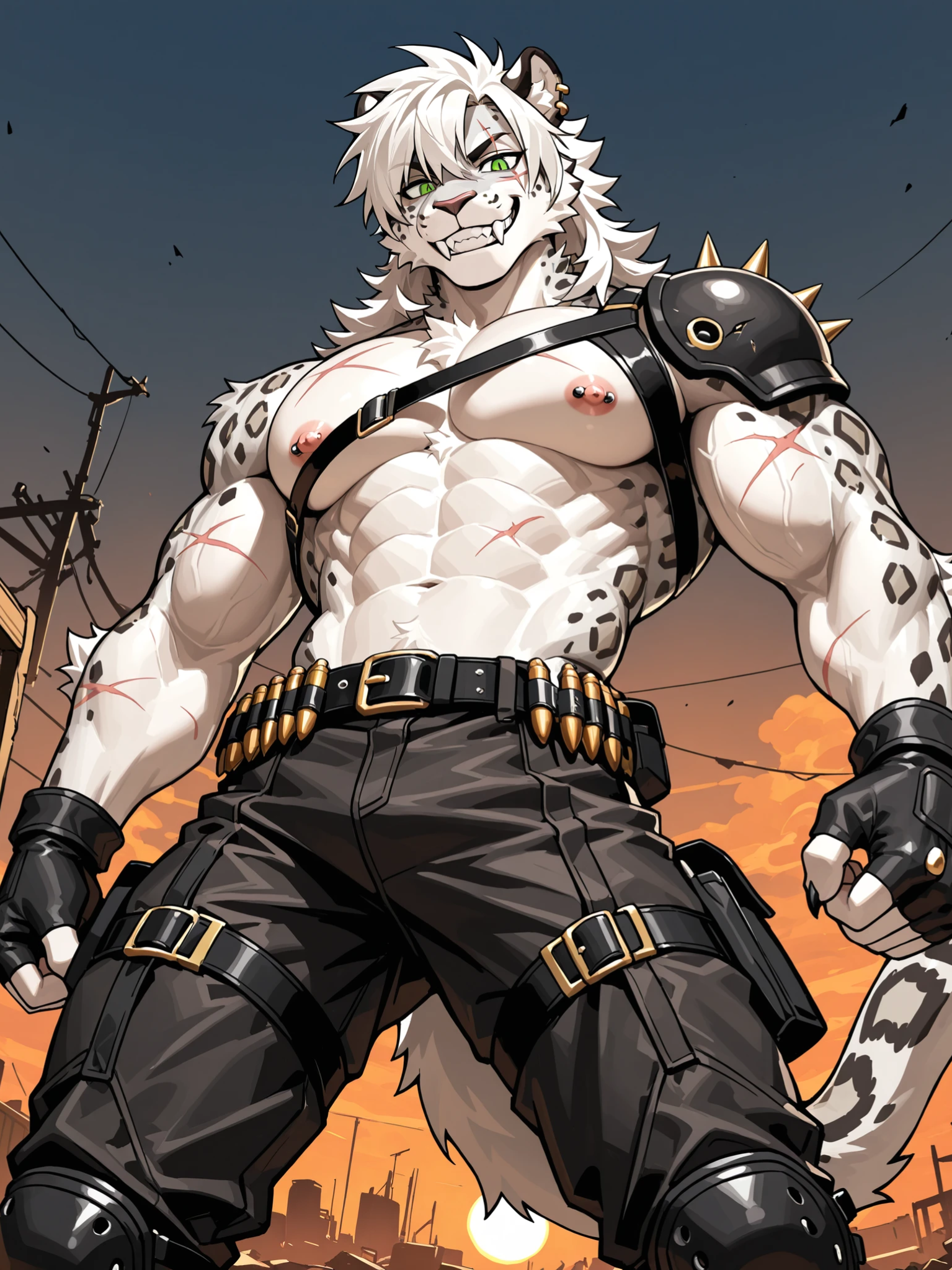
@BigUserLoser
@Mercy
@Notme
@SteelSting
@Shakespeppa
Features
NSFW AI Chat with Top-Tier Models
Experience the most advanced NSFW AI chatbot technology with models like GPT-4, Claude, and Grok. Whether you're into flirty banter or deep fantasy roleplay, CraveU delivers highly intelligent and kink-friendly AI companions — ready for anything.

Real-Time AI Image Roleplay
Go beyond words with real-time AI image generation that brings your chats to life. Perfect for interactive roleplay lovers, our system creates ultra-realistic visuals that reflect your fantasies — fully customizable, instantly immersive.

Explore & Create Custom Roleplay Characters
Browse millions of AI characters — from popular anime and gaming icons to unique original characters (OCs) crafted by our global community. Want full control? Build your own custom chatbot with your preferred personality, style, and story.

Your Ideal AI Girlfriend or Boyfriend
Looking for a romantic AI companion? Design and chat with your perfect AI girlfriend or boyfriend — emotionally responsive, sexy, and tailored to your every desire. Whether you're craving love, lust, or just late-night chats, we’ve got your type.

Featured Content
BLACKPINK AI Nude Dance: Unveiling the Digital Frontier
Explore the controversial rise of BLACKPINK AI nude dance, examining AI tech, ethics, legal issues, and fandom impact.
Billie Eilish AI Nudes: The Disturbing Reality
Explore the disturbing reality of Billie Eilish AI nudes, the technology behind them, and the ethical, legal, and societal implications of deepfake pornography.
Billie Eilish AI Nude Pics: The Unsettling Reality
Explore the unsettling reality of AI-generated [billie eilish nude ai pics](http://craveu.ai/s/ai-nude) and the ethical implications of synthetic media.
Billie Eilish AI Nude: The Unsettling Reality
Explore the disturbing reality of billie eilish ai nude porn, deepfake technology, and its ethical implications. Understand the impact of AI-generated non-consensual content.
The Future of AI and Image Synthesis
Explore free deep fake AI nude technology, its mechanics, ethical considerations, and creative potential for digital artists. Understand responsible use.
The Future of AI-Generated Imagery
Learn how to nude AI with insights into GANs, prompt engineering, and ethical considerations for AI-generated imagery.