Bringing It All Together: The Final Touches

Anime Male Rogue Designs: Unleash Your Inner Shadow
The allure of the rogue archetype in anime is undeniable. These characters, often cloaked in mystery and operating on the fringes of society, captivate audiences with their agility, cunning, and often morally ambiguous nature. From nimble thieves to deadly assassins, their designs speak volumes before they even utter a word. Crafting a compelling anime male rogue character design requires a deep understanding of visual storytelling, blending elements of fashion, posture, and subtle details that hint at their past and profession. This exploration delves into the core components that make these characters so iconic and how you can harness these principles to create your own unforgettable rogue.
The Foundation: Silhouette and Stance
Before we even consider clothing or accessories, the fundamental silhouette and stance of your rogue character are paramount. Rogues are rarely static; they exude a sense of coiled energy, ready to spring into action. Think about characters like Killua Zoldyck from Hunter x Hunter or Loid Forger from Spy x Family. Their typical poses aren't just casual; they convey readiness, a constant awareness of their surroundings.
A common silhouette for a rogue is lean and angular, emphasizing speed and dexterity over brute strength. This can be achieved through sharp lines in their clothing, a slightly hunched or crouched posture, or even a dynamic, mid-movement pose. Avoid bulky, rounded shapes that suggest a lack of agility. Instead, opt for elements that create a sense of verticality or sharp diagonals, drawing the eye and implying swiftness.
Consider the weight distribution. A rogue might stand with their weight shifted to one foot, ready to pivot or dash. Their shoulders might be slightly forward, a subtle indication of their predatory nature. Even in a relaxed pose, there should be an underlying tension, a suggestion that they are never truly at ease. This visual language communicates their profession and personality without a single line of dialogue.
Attire: Function Meets Fashion
The clothing of an anime male rogue is a critical element in defining their character. It's not just about looking cool; it's about practicality and a reflection of their lifestyle. While there’s a wide spectrum of rogue aesthetics, certain common threads emerge.
Dark and Muted Palettes: Rogues often favor darker colors – blacks, grays, deep blues, and forest greens. These hues serve a dual purpose: they aid in camouflage, allowing them to blend into shadows, and they project an aura of mystery and seriousness. However, don't be afraid to introduce a single, striking accent color. A flash of crimson on a scarf, a vibrant blue lining on a cloak, or a metallic sheen on a buckle can add visual interest and hint at a hidden personality or a past affiliation.
Layering and Practicality: Layered clothing is a hallmark of many rogue designs. This can include tunics, vests, cloaks, and bandanas. Layers not only add visual depth but also suggest adaptability. A rogue might shed a cloak to move more freely or reveal a concealed weapon beneath a vest. Think about the materials: worn leather, durable canvas, and supple fabrics that allow for unhindered movement are common choices. Zippers, buckles, straps, and pouches are not just decorative; they imply functionality, suggesting places to store tools, lockpicks, or small weapons.
Footwear: Footwear is crucial for a character who relies on stealth and speed. Soft-soled boots or sturdy, flexible shoes that allow for silent movement are typical. High-top boots can add to the silhouette and offer ankle support, while simpler, more form-fitting footwear emphasizes agility.
Accessories with Purpose: Accessories should serve a narrative purpose. A well-worn leather bracer might conceal a hidden blade. A belt laden with pouches suggests preparedness. A hood or mask can obscure identity, a key trait for many rogues. Even a simple scarf can be used for concealment or as a makeshift bandage. Consider the details: intricate patterns on a dagger hilt, a unique insignia on a cloak clasp, or a subtle scar peeking from beneath a collar. These details enrich the character's backstory.
The Face and Hair: Expressing Personality
While often masked or shadowed, the face and hair of an anime male rogue are vital for conveying personality and background.
Facial Features: Rogues often possess sharp, angular features – high cheekbones, a defined jawline, and piercing eyes. These features can convey intensity and a certain predatory sharpness. Scars are a common motif, hinting at past battles and survival. Even a seemingly innocent face can be made more intriguing with a subtle smirk or a guarded expression.
Eyes: The eyes are often the most expressive element. They can be sharp, calculating, or carry a hint of melancholy or world-weariness. Eye color can also play a role; piercing blues, intense greens, or deep, unreadable browns can all contribute to the rogue's mystique. Consider the pupils: are they narrowed in concentration, or wide with alertness?
Hair: Hair can range from practical, short cuts that stay out of the way during combat, to longer, more flowing styles that can be used to obscure the face or add a dramatic flair. Darker hair colors are prevalent, but vibrant or unusual colors can also be used to make a rogue stand out, perhaps indicating a more flamboyant or attention-seeking personality within the archetype. A messy or unkempt style might suggest a life lived on the road, while a meticulously styled cut could imply a more refined, perhaps even aristocratic, rogue.
Tools of the Trade: Weapons and Gadgets
A rogue's equipment is an extension of their character and abilities. Their weapons and gadgets should reflect their preferred methods of operation.
Daggers and Knives: The quintessential rogue weapon. Daggers are silent, concealable, and perfect for close-quarters combat and surprise attacks. Designs can range from simple, utilitarian blades to ornate, jewel-encrusted daggers that hint at a more sophisticated or wealthy background. Consider the number of daggers carried – one for utility, another for combat, perhaps a hidden one in a boot.
Bows and Crossbows: For rogues who prefer ranged combat, bows and compact crossbows are excellent choices. These weapons allow for silent takedowns from a distance. The design can be sleek and aerodynamic, or more robust and powerful, depending on the character's build and fighting style.
Throwing Knives and Shurikens: These are classic tools for distraction, disabling opponents, or delivering poison. Their compact size makes them easy to carry and deploy quickly.
Grappling Hooks and Tools: For characters who rely on infiltration and traversal, grappling hooks, lockpicks, and other specialized tools are essential. These can be integrated into their gear, appearing as pouches on a belt or cleverly hidden compartments in their clothing.
Poisons and Alchemical Tools: Some rogues specialize in poisons or other alchemical concoctions. This can be represented by vials, small pouches of powders, or even specialized gloves designed for handling dangerous substances.
When designing these items, think about how they are carried. Are they openly displayed, or meticulously concealed? The way a character draws their weapon or accesses their tools can reveal a lot about their confidence and experience.
Archetypes Within the Rogue Class
The term "rogue" is broad, encompassing many sub-archetypes, each with its own visual nuances.
The Assassin: Typically characterized by sleek, dark attire designed for stealth and efficiency. They might wear hoods, masks, or cloaks to obscure their identity and blend into the shadows. Their weapons are often sharp, precise, and easily concealed, such as daggers, poisoned needles, or silenced firearms in more modern settings. Think of characters like Akame from Akame ga Kill! or Kageyama Shigeo (Mob) in his repressed, more dangerous state in Mob Psycho 100. Their designs emphasize lethal grace.
The Thief/Burglar: These rogues often have more practical, less overtly threatening attire. They might wear lighter colors or more common clothing to blend into crowds. Their gear would include lockpicks, climbing tools, and bags for carrying loot. Their posture might be more nimble and acrobatic, emphasizing agility and quick escapes. Consider the visual cues of characters like Lupin III, who, while charming, is undeniably a master thief.
The Spy/Infiltrator: This type of rogue often blends in with various social strata. Their designs might be more adaptable, allowing them to appear as merchants, guards, or nobles depending on the mission. They might carry concealed weapons and tools, and their attire could be more refined, with hidden pockets and compartments. Their expressions are often guarded, their movements economical and precise.
The Bounty Hunter: Bounty hunters often have a more rugged and utilitarian aesthetic. Their clothing might be reinforced leather or durable fabrics, suitable for tracking targets across various terrains. They might carry larger, more imposing weapons like swords, axes, or specialized ranged weapons. Their designs often convey a sense of grit and determination.
Bringing It All Together: The Final Touches
Creating a truly memorable anime male rogue character design involves paying attention to the smallest details.
Expression and Body Language: Even with a mask or hood, a character's body language can convey a wealth of information. Are they confident and swaggering, or cautious and observant? Do they fidget nervously, or remain unnervingly still? These subtle cues are crucial for bringing the character to life.
Color Theory: While dark colors are common, consider how accent colors can be used strategically. A bright color might represent a hidden passion, a past trauma, or a specific allegiance. The interplay of light and shadow on their design is also important. How does light catch the edge of a blade, or glint off a polished buckle?
Dynamic Poses: When illustrating or animating a rogue, dynamic poses are key. Show them in motion – leaping, climbing, drawing a weapon, or in a defensive stance. These poses convey their agility and combat prowess.
Consistency: Ensure that all elements of the design are consistent with the character's personality, background, and abilities. A rogue who relies on stealth shouldn't have brightly colored, noisy armor. A character who is constantly on the move shouldn't be weighed down by excessive, impractical accessories.
The creation of compelling anime male rogue like character designs is an art form that blends visual storytelling with a deep understanding of character archetypes. By focusing on silhouette, attire, facial features, and equipment, you can craft characters that are not only visually striking but also deeply resonant with audiences. Remember that every detail, from the stitching on a glove to the glint in their eye, contributes to the overall narrative.
The rogue archetype, with its inherent duality of danger and allure, offers a rich canvas for creative expression. Whether they operate in the shadows of a fantasy kingdom or the neon-lit alleys of a cyberpunk city, the core elements of their design remain consistent: a blend of practicality, mystery, and a hint of danger. Mastering these elements allows you to create characters that stick with viewers long after the credits roll.
Consider the evolution of rogue designs in anime. Early iterations might have been simpler, focusing on classic tropes. However, modern anime often pushes the boundaries, incorporating unique cultural influences, futuristic technology, and complex psychological profiles into their rogue characters. This continuous innovation ensures that the rogue remains a perpetually fascinating and relevant archetype in visual storytelling.
When developing your own anime male rogue like character designs, don't be afraid to experiment. Draw inspiration from various sources, but always strive to imbue your character with a unique identity. What makes your rogue different from the countless others that have graced the screen? Perhaps it's an unusual weapon, a surprising personality trait, or a distinctive visual motif.
The process of designing an anime male rogue like character designs is iterative. Sketching, refining, and seeking feedback are all crucial steps. Don't be discouraged if your initial concepts aren't perfect. The journey of creation is often about discovery and refinement.
Ultimately, a successful rogue design is one that tells a story. It hints at their past, their skills, and their place in the world. It’s about creating a visual shorthand that allows the audience to understand and connect with the character on a fundamental level. The power of a well-designed rogue lies in their ability to evoke a sense of intrigue, danger, and perhaps even a touch of admiration, all through the careful arrangement of lines, colors, and shapes.
Character
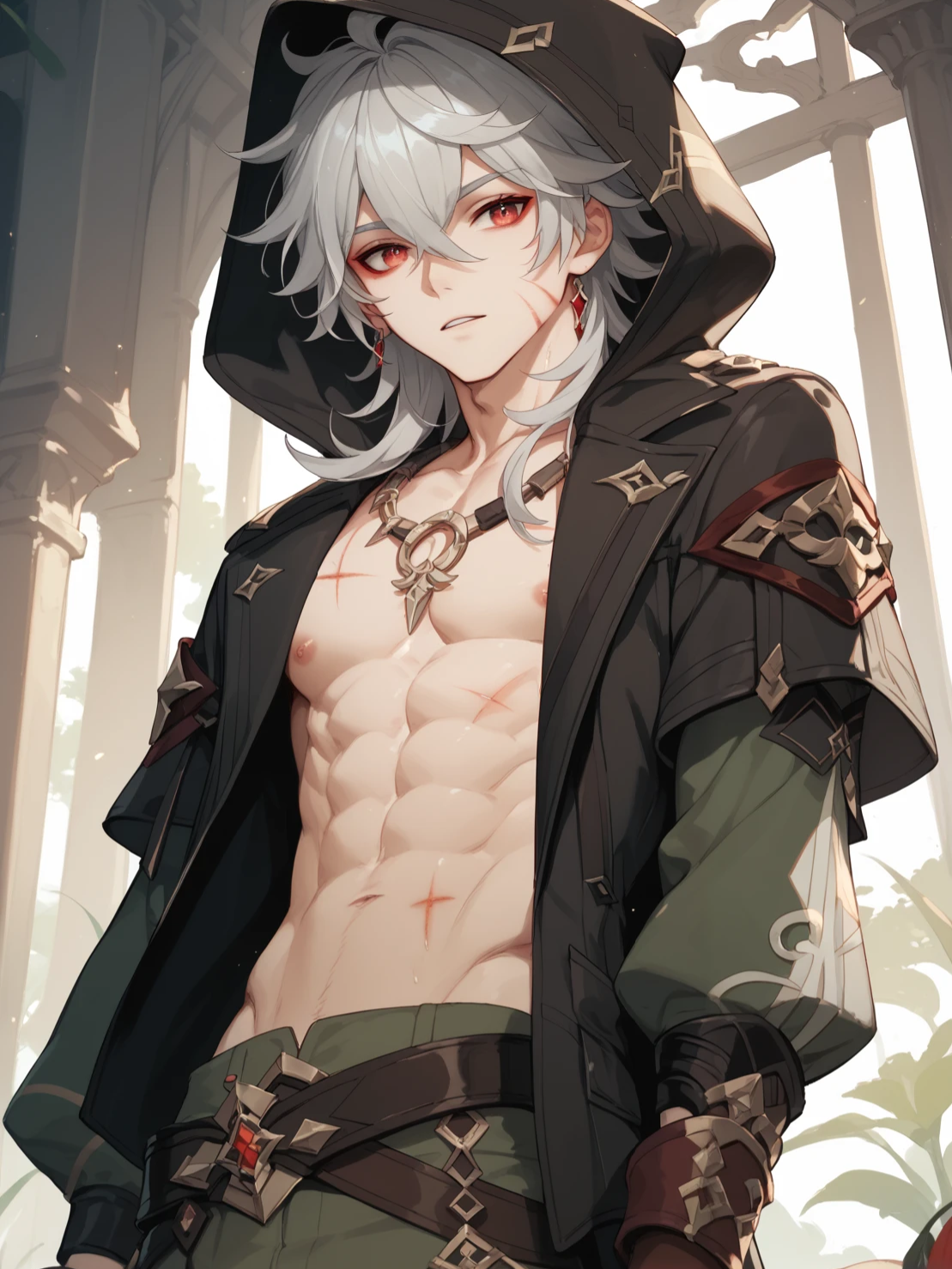
@Critical ♥
@Shakespeppa
@Dean17
@Luckynohara
@SmokingTiger
@CloakedKitty

@RedGlassMan
@nanamisenpai
@Venom Master

@Notme
Features
NSFW AI Chat with Top-Tier Models
Experience the most advanced NSFW AI chatbot technology with models like GPT-4, Claude, and Grok. Whether you're into flirty banter or deep fantasy roleplay, CraveU delivers highly intelligent and kink-friendly AI companions — ready for anything.

Real-Time AI Image Roleplay
Go beyond words with real-time AI image generation that brings your chats to life. Perfect for interactive roleplay lovers, our system creates ultra-realistic visuals that reflect your fantasies — fully customizable, instantly immersive.

Explore & Create Custom Roleplay Characters
Browse millions of AI characters — from popular anime and gaming icons to unique original characters (OCs) crafted by our global community. Want full control? Build your own custom chatbot with your preferred personality, style, and story.

Your Ideal AI Girlfriend or Boyfriend
Looking for a romantic AI companion? Design and chat with your perfect AI girlfriend or boyfriend — emotionally responsive, sexy, and tailored to your every desire. Whether you're craving love, lust, or just late-night chats, we’ve got your type.

Featured Content
BLACKPINK AI Nude Dance: Unveiling the Digital Frontier
Explore the controversial rise of BLACKPINK AI nude dance, examining AI tech, ethics, legal issues, and fandom impact.
Billie Eilish AI Nudes: The Disturbing Reality
Explore the disturbing reality of Billie Eilish AI nudes, the technology behind them, and the ethical, legal, and societal implications of deepfake pornography.
Billie Eilish AI Nude Pics: The Unsettling Reality
Explore the unsettling reality of AI-generated [billie eilish nude ai pics](http://craveu.ai/s/ai-nude) and the ethical implications of synthetic media.
Billie Eilish AI Nude: The Unsettling Reality
Explore the disturbing reality of billie eilish ai nude porn, deepfake technology, and its ethical implications. Understand the impact of AI-generated non-consensual content.
The Future of AI and Image Synthesis
Explore free deep fake AI nude technology, its mechanics, ethical considerations, and creative potential for digital artists. Understand responsible use.
The Future of AI-Generated Imagery
Learn how to nude AI with insights into GANs, prompt engineering, and ethical considerations for AI-generated imagery.