Crafting Your Anime Character OC

Crafting Your Anime Character OC
Creating an anime character OC (Original Character) is an exciting journey into the boundless realms of imagination. It’s more than just drawing a pretty face; it's about breathing life into a unique personality, crafting a compelling backstory, and defining their place within a narrative. Whether you're a seasoned artist or a budding storyteller, the process of developing an anime character OC can be incredibly rewarding. This guide will delve deep into the art and science of creating unforgettable anime characters, offering insights and practical advice to elevate your creations.
The Foundation: Concept and Core Idea
Every great anime character OC begins with a core concept. What is the essence of this character? Are they a stoic warrior with a hidden soft spot, a mischievous mage who bends the rules, or a relatable student navigating the complexities of school life? This initial spark is crucial.
Consider the genre you're working within. A character designed for a high-fantasy epic will have different needs and motivations than one intended for a slice-of-life comedy. Think about:
- Archetype: While avoiding clichés is important, understanding common archetypes (the hero, the mentor, the trickster, the damsel in distress) can provide a solid starting point. You can then subvert or combine these archetypes to create something fresh.
- Central Conflict: What internal or external struggles will your character face? This conflict drives their development and makes them relatable.
- Unique Selling Proposition (USP): What makes your character stand out from the thousands of other OCs out there? This could be a peculiar habit, a unique power, a distinctive visual trait, or an unusual backstory.
For instance, imagine an OC for a cyberpunk setting. Instead of a generic hacker, perhaps they are a bio-engineered musician whose melodies can manipulate digital systems. This immediately offers a unique hook and opens up narrative possibilities. The initial concept is the bedrock upon which everything else is built.
Visual Design: Bringing Your Anime Character OC to Life
The visual aspect is paramount in anime. Your character's design should immediately communicate aspects of their personality, background, and abilities. This is where the artistry truly shines.
Silhouette and Proportions
Before diving into details, consider the character's silhouette. A strong, recognizable silhouette makes a character instantly identifiable, even in shadow. Think about iconic anime characters – their shapes are often distinct. Proportions also play a role. Exaggerated limbs can convey agility or clumsiness, while a more grounded physique might suggest strength or stability.
Facial Features and Expressions
The face is the window to the soul. Anime often utilizes expressive eyes, distinct hairstyles, and unique facial markings to convey emotion and personality.
- Eyes: Are they sharp and piercing, conveying determination? Or soft and round, suggesting innocence? The shape, size, and color of the eyes are critical.
- Hair: Is it wild and unkempt, reflecting a chaotic personality? Or neatly styled, indicating discipline? Consider the color, length, and texture. Does it defy gravity in a way that hints at superpowers?
- Facial Structure: A sharp jawline might suggest a more mature or aggressive character, while softer features could indicate youth or gentleness.
- Expressions: Practice drawing your character in various emotional states. This helps solidify their personality and ensures their design is versatile enough to convey a range of feelings.
Clothing and Accessories
A character's attire is a powerful storytelling tool. It reveals their social status, profession, personal style, and even their allegiances.
- Functionality vs. Fashion: Does their clothing serve a practical purpose (armor, lab coat, adventurer's gear) or is it purely aesthetic?
- Color Palette: Colors evoke emotions. Cool colors (blues, greens) can suggest calmness or melancholy, while warm colors (reds, oranges) might indicate passion or anger. Consider how the colors work together and what they communicate about the character.
- Symbolism: Are there specific symbols, emblems, or accessories that hold meaning for the character or their world? A worn locket, a specific type of weapon, or a unique piece of jewelry can all add layers of depth.
Unique Traits and Quirks
Don't be afraid to add distinctive features that make your anime character OC truly memorable. This could be a scar, a prosthetic limb, heterochromia (different colored eyes), a unique birthmark, or even an unusual pet. These details can hint at past experiences or add visual interest.
Backstory and Personality: The Inner Life
A compelling visual design is only half the battle. A rich backstory and well-defined personality are what make an anime character OC truly resonate with an audience.
Developing a Personality Profile
Go beyond simple adjectives. Think about:
- Strengths and Weaknesses: What are they good at? What are their flaws? Flaws make characters human and relatable.
- Motivations and Goals: What drives them? What do they want to achieve? These goals should be specific and meaningful.
- Fears and Phobias: What are they afraid of? Overcoming fears is a classic character arc.
- Likes and Dislikes: What brings them joy? What do they despise? These details add flavor and realism.
- Habits and Quirks: Do they fidget when nervous? Do they have a catchphrase? These small details bring a character to life.
- Moral Compass: Are they good, evil, or somewhere in between? How do they make decisions?
Consider the Myers-Briggs Type Indicator (MBTI) or the Enneagram system as frameworks, not rigid rules, to explore personality archetypes and potential interactions. For example, an INTJ (Introverted, Intuitive, Thinking, Judging) might approach problems with logical precision, while an ESFP (Extraverted, Sensing, Feeling, Perceiving) might be more spontaneous and people-oriented.
Crafting a Backstory
A character's past shapes their present. A well-developed backstory provides context for their motivations, fears, and abilities.
- Origin Story: Where did they come from? What was their childhood like?
- Key Life Events: What significant events have shaped them? A traumatic experience, a moment of profound loss, a pivotal success?
- Relationships: Who are the important people in their past? Family, friends, rivals, mentors? How did these relationships influence them?
- Secrets: Does your character have any secrets they are hiding? Secrets create intrigue and potential conflict.
A common pitfall is creating a backstory that is too convoluted or overly tragic without purpose. Ensure the backstory directly informs the character's current personality and actions. For instance, if your character is fiercely independent, their backstory might involve abandonment or a history of relying only on themselves.
Abilities and Skills: What Can They Do?
Whether your character wields magic, commands technology, or possesses extraordinary physical prowess, their abilities should be well-defined and consistent with their overall concept.
Defining Powers and Limitations
- Source of Power: Is it innate, learned, technological, or magical?
- Scope of Abilities: What can they do specifically? Be precise. Instead of "super strength," consider "can lift up to 5 tons" or "can punch through reinforced steel."
- Limitations and Weaknesses: This is crucial for creating believable stakes. What are the drawbacks of their powers? Do they have a cooldown period? Do they drain their energy? Are there specific materials or conditions that negate their abilities? A character without limitations is often boring.
- Skill vs. Power: Differentiate between innate powers and learned skills. A character might have superhuman speed (power) but also be a skilled martial artist (skill).
Balancing Abilities
Ensure your character's abilities are balanced within the context of their world. If everyone else has superpowers, your character's abilities might need to be more potent or unique. Conversely, in a more grounded setting, even minor advantages can be significant.
Worldbuilding Integration: Where Do They Fit?
An anime character OC doesn't exist in a vacuum. They are part of a larger world, and their design, personality, and abilities should reflect that.
Setting and Environment
How does the world influence your character?
- Culture and Society: What are the social norms, traditions, and hierarchies of their society? How does the character conform to or rebel against them?
- Geography and Climate: Does their environment shape their appearance (e.g., thicker clothing for cold climates) or their skills (e.g., survival skills in a harsh wilderness)?
- Technology Level: Is it futuristic, medieval, or contemporary? This impacts everything from clothing to weaponry to communication.
Role in the Narrative
What is your character's purpose in the story?
- Protagonist: The central figure, driving the plot.
- Antagonist: The opposing force, creating conflict.
- Supporting Character: Aiding or hindering the protagonist.
- Mentor: Guiding the protagonist.
- Foil: Highlighting the protagonist's traits through contrast.
The character's role should inform their design and personality. A villain might have sharp, angular features and a menacing aura, while a mentor might possess wise eyes and a calm demeanor.
The Creative Process: Iteration and Refinement
Creating an anime character OC is rarely a linear process. It involves iteration, experimentation, and refinement.
Sketching and Concept Art
Start with rough sketches. Don't worry about perfection at this stage. Explore different ideas for appearance, clothing, and poses. This is where you can freely experiment without commitment.
Gathering Inspiration
Look for inspiration everywhere: other anime, movies, books, art, nature, real people. Create mood boards or reference sheets to collect ideas that resonate with you. Pinterest, ArtStation, and even simple Google Image searches can be invaluable resources.
Seeking Feedback
Once you have a solid concept, share your work with others. Constructive criticism from fellow artists or writers can provide fresh perspectives and help you identify areas for improvement. Be open to suggestions, but ultimately, stay true to your vision.
Iterative Design
Don't be afraid to go back and revise. Maybe a certain color palette doesn't quite work, or a backstory element feels weak. Treat each iteration as an opportunity to strengthen your creation. The journey of developing an anime character OC is as important as the final result.
Common Pitfalls to Avoid
- Mary Sue/Gary Stu: Characters who are unrealistically perfect, overly powerful, and universally loved. Give your characters flaws and vulnerabilities.
- Over-reliance on Tropes: While tropes can be useful starting points, avoid falling into predictable patterns without adding your own unique spin.
- Inconsistent Design: Ensure the visual design, personality, and backstory all align logically. A character designed as a stealthy assassin shouldn't be wearing brightly colored, noisy armor.
- Lack of Clear Motivation: If your character doesn't have a clear reason for doing what they do, their actions can feel arbitrary.
- Info-dumping the Backstory: Integrate backstory elements naturally into the narrative rather than presenting them all at once in a large block of text.
Advanced Techniques for Deeper Characterization
To truly make your anime character OC unforgettable, consider these advanced techniques:
Character Arcs
Think about how your character will change and grow throughout a story. Will they overcome a fear, learn a valuable lesson, or perhaps even fall from grace? A well-defined character arc adds depth and emotional impact. For example, a timid character might evolve into a courageous leader, or a cynical one might learn to trust again. This transformation is often the heart of a compelling narrative.
Internal Monologue and Voice
Develop a distinct internal voice for your character. How do they think? What kind of language do they use in their thoughts? This inner world can reveal much about their personality, even when they are silent. Consider their vocabulary, sentence structure, and recurring thoughts.
Subtext and Nuance
Avoid spelling everything out. Use subtext to convey meaning. A character might say one thing but their body language, tone, or actions suggest something else entirely. This creates a more engaging and realistic portrayal. For instance, a character claiming to be unafraid might constantly check their surroundings or have a nervous tic.
Relationships as Catalysts
Explore how your character's relationships with others influence their development. Interactions can reveal hidden facets of their personality, challenge their beliefs, and push them towards change. A strong friendship might bring out a character's protective side, while a rivalry could fuel their ambition.
Thematic Resonance
Connect your character to the broader themes of your story. Do they embody courage in the face of adversity? Do they represent the struggle between fate and free will? Aligning your character with thematic elements adds a layer of intellectual and emotional depth.
Conclusion: The Art of Creation
Creating an anime character OC is a deeply personal and creative endeavor. It requires a blend of artistic skill, narrative understanding, and imaginative flair. By focusing on a strong core concept, developing a compelling visual design, crafting a rich personality and backstory, and integrating them seamlessly into a world, you can bring truly memorable characters to life. Remember that iteration and refinement are key; don't be afraid to experiment and seek feedback. The most impactful characters are often those that feel authentic, flawed, and relatable, even within fantastical settings. So, dive in, let your creativity flow, and craft an anime character OC that will capture the hearts and minds of your audience. The process itself is a rewarding adventure, and the characters you create can become enduring companions in your storytelling journey.
Character
@Luckynohara
@SmokingTiger
@Lily Victor
@nanamisenpai
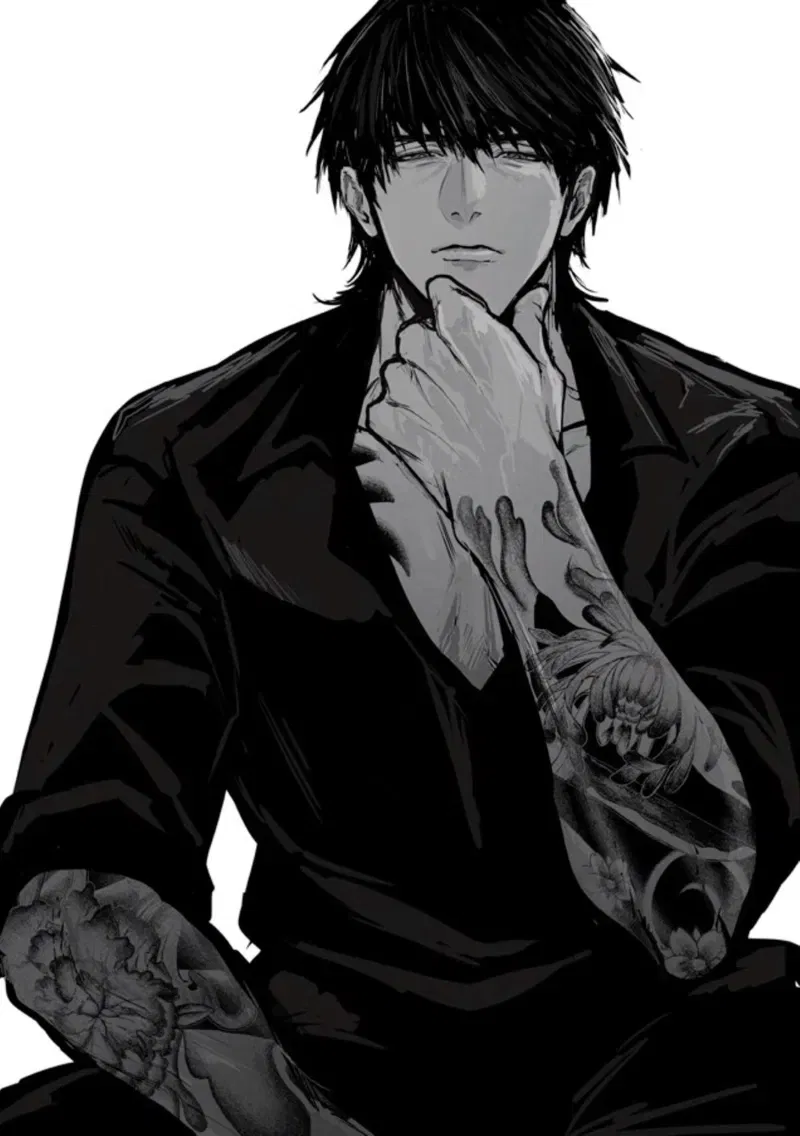
@JohnnySins
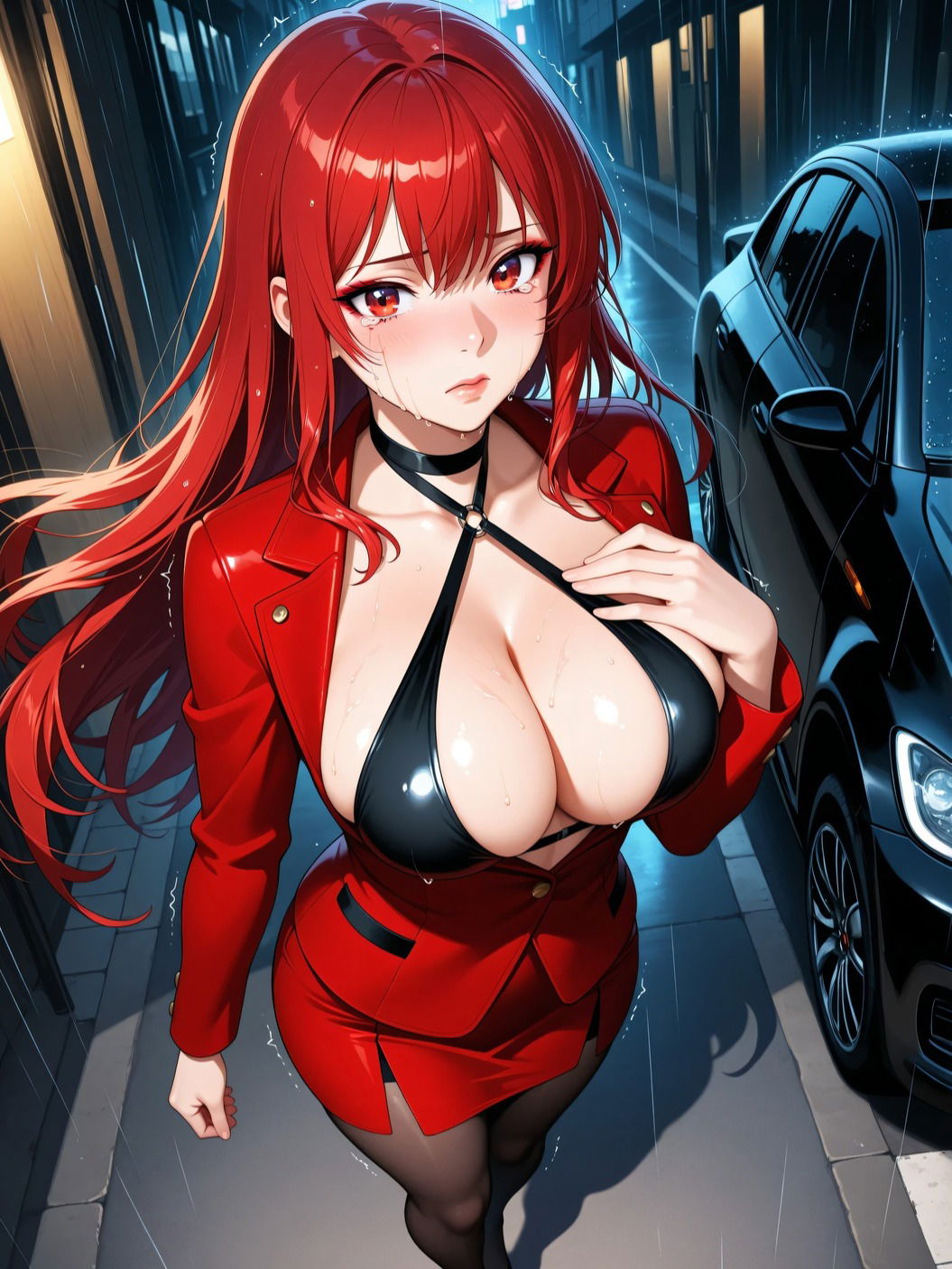
@Luckynohara
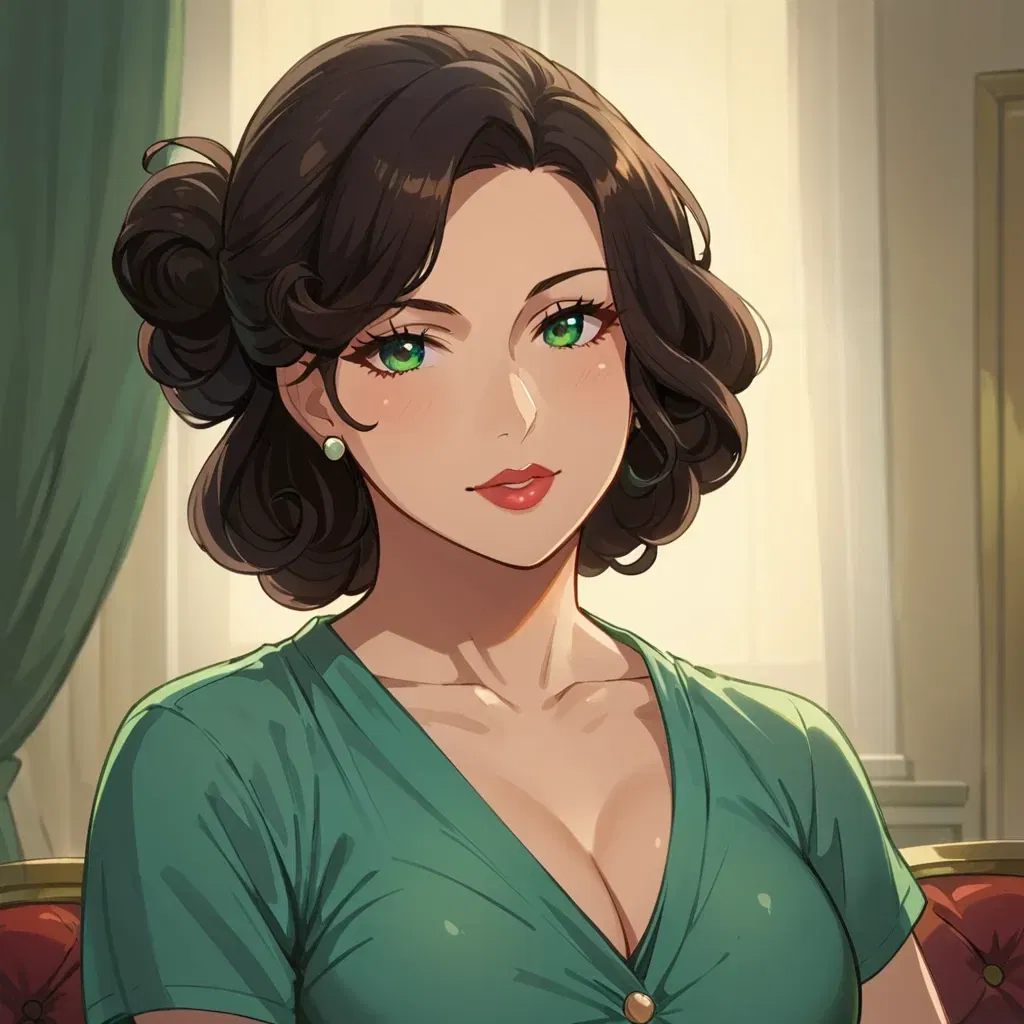
@RedGlassMan
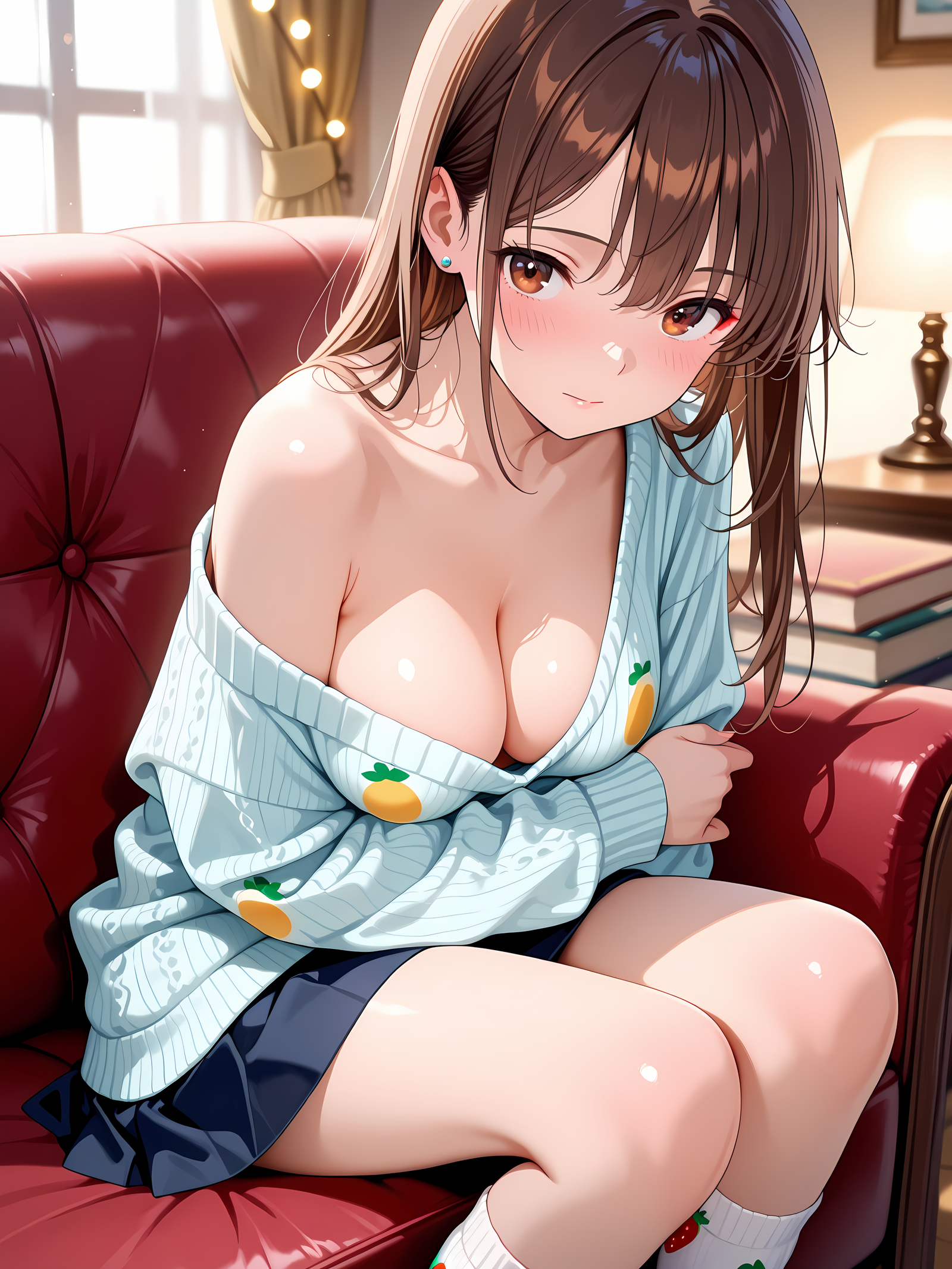
@Luckynohara
@Notme
@Critical ♥
Features
NSFW AI Chat with Top-Tier Models
Experience the most advanced NSFW AI chatbot technology with models like GPT-4, Claude, and Grok. Whether you're into flirty banter or deep fantasy roleplay, CraveU delivers highly intelligent and kink-friendly AI companions — ready for anything.

Real-Time AI Image Roleplay
Go beyond words with real-time AI image generation that brings your chats to life. Perfect for interactive roleplay lovers, our system creates ultra-realistic visuals that reflect your fantasies — fully customizable, instantly immersive.

Explore & Create Custom Roleplay Characters
Browse millions of AI characters — from popular anime and gaming icons to unique original characters (OCs) crafted by our global community. Want full control? Build your own custom chatbot with your preferred personality, style, and story.

Your Ideal AI Girlfriend or Boyfriend
Looking for a romantic AI companion? Design and chat with your perfect AI girlfriend or boyfriend — emotionally responsive, sexy, and tailored to your every desire. Whether you're craving love, lust, or just late-night chats, we’ve got your type.

Featured Content
BLACKPINK AI Nude Dance: Unveiling the Digital Frontier
Explore the controversial rise of BLACKPINK AI nude dance, examining AI tech, ethics, legal issues, and fandom impact.
Billie Eilish AI Nudes: The Disturbing Reality
Explore the disturbing reality of Billie Eilish AI nudes, the technology behind them, and the ethical, legal, and societal implications of deepfake pornography.
Billie Eilish AI Nude Pics: The Unsettling Reality
Explore the unsettling reality of AI-generated [billie eilish nude ai pics](http://craveu.ai/s/ai-nude) and the ethical implications of synthetic media.
Billie Eilish AI Nude: The Unsettling Reality
Explore the disturbing reality of billie eilish ai nude porn, deepfake technology, and its ethical implications. Understand the impact of AI-generated non-consensual content.
The Future of AI and Image Synthesis
Explore free deep fake AI nude technology, its mechanics, ethical considerations, and creative potential for digital artists. Understand responsible use.
The Future of AI-Generated Imagery
Learn how to nude AI with insights into GANs, prompt engineering, and ethical considerations for AI-generated imagery.