AI to Anime: Unleash Your Inner Otaku

AI to Anime: Unleash Your Inner Otaku
The digital landscape is constantly evolving, and with it, the way we interact with art and entertainment. One of the most fascinating developments in recent years is the burgeoning field of AI-to-anime generation. This technology allows users to transform their ideas, prompts, and even existing images into stunning anime-style artwork. Whether you're a seasoned artist looking for new tools, a casual fan wanting to visualize your favorite characters in a new light, or simply curious about the cutting edge of AI creativity, the journey from AI to anime is an exciting one.
The core of this transformation lies in sophisticated machine learning models, particularly Generative Adversarial Networks (GANs) and diffusion models. These AI systems are trained on massive datasets of anime art, learning the intricate details of character design, color palettes, line work, and stylistic nuances that define the genre. By understanding these patterns, the AI can then generate entirely new images that adhere to the aesthetic principles of anime.
The Magic Behind AI to Anime Generation
How exactly does an AI learn to create anime? It's a complex process, but at its heart, it involves pattern recognition and synthesis.
Training the AI: A Digital Art Academy
Imagine an AI as a student in an art academy, but instead of attending lectures, it "studies" millions of images. These images are carefully curated to represent a wide spectrum of anime styles, from the classic fluidity of Studio Ghibli to the sharp, dynamic lines of modern shonen. The AI analyzes:
- Character Anatomy: How are eyes shaped? What are the typical proportions of a face? How do different hair types flow?
- Color Theory: What color combinations evoke specific moods or character archetypes? How are shading and highlights applied?
- Line Art: What is the weight and style of the outlines? How is detail conveyed through linework?
- Composition and Backgrounds: How are scenes framed? What elements constitute a typical anime background?
- Emotional Expression: How are emotions conveyed through facial features and body language?
This extensive training allows the AI to build an internal representation of what constitutes "anime."
Generative Models: The Creative Engine
Once trained, the AI can begin to generate new content. The most common approaches include:
- Text-to-Image Generation: You provide a textual description, and the AI interprets it to create an image. For example, "a shy girl with pink hair and large blue eyes, wearing a school uniform, standing in a cherry blossom garden." The AI then translates these words into pixels, drawing upon its learned knowledge of anime aesthetics.
- Image-to-Image Translation: You provide an existing image (perhaps a photograph or a sketch), and the AI transforms it into an anime style. This is incredibly powerful for personalizing content, such as turning a selfie into an anime avatar.
- Style Transfer: This technique applies the stylistic elements of one image (e.g., a specific anime artwork) to the content of another image (e.g., a photograph).
The ability to go from a simple text prompt or an existing image to a fully realized anime character or scene is what makes AI to anime technology so revolutionary.
Exploring the Applications of AI-to-Anime Technology
The potential uses for AI-generated anime are vast and continue to expand.
Personalization and Fan Art
For fans, this technology offers an unparalleled way to engage with their favorite media. Imagine:
- Creating Your Own Anime Characters: Design unique characters for your personal stories, role-playing games, or just for fun.
- Visualizing Fan Fiction: Bring your favorite characters from books or movies into the anime world with custom artwork.
- Personalized Avatars: Generate unique anime avatars for social media, gaming profiles, or virtual worlds.
- Custom Merchandise: Create one-of-a-kind anime-style art for t-shirts, posters, or phone cases.
The ability to translate personal ideas into a beloved visual style is a dream come true for many.
Content Creation and Storytelling
Beyond personal use, AI to anime is a powerful tool for creators:
- Concept Art and Storyboarding: Quickly generate visual concepts for characters, environments, and scenes, accelerating the pre-production process for animations or games.
- Illustrations for Webcomics and Novels: Produce unique illustrations to accompany written content, adding visual appeal and depth.
- Marketing and Social Media Content: Create eye-catching anime-style graphics for promotional campaigns.
- Educational Tools: Visualize complex concepts or historical events in an engaging anime format.
The speed and versatility of AI generation can significantly streamline creative workflows.
Gaming and Virtual Worlds
The gaming industry, deeply intertwined with anime aesthetics, is a natural fit for this technology:
- Character Customization: Allow players to generate unique, anime-style avatars within games.
- NPC Generation: Create a diverse cast of non-player characters with distinct anime looks.
- Asset Creation: Generate background elements, props, and environmental art in an anime style.
- Virtual Reality Experiences: Populate immersive VR worlds with anime characters and settings.
The demand for authentic anime experiences in gaming is immense, and AI can help meet that demand.
Popular Tools and Platforms for AI-to-Anime Conversion
Several platforms and tools have emerged, making AI to anime accessible to everyone. These range from sophisticated web applications to downloadable software.
Web-Based Generators
These are often the most user-friendly, requiring no installation. You typically interact through a web interface, inputting text prompts or uploading images. Many offer free trials or tiered subscription models.
- Midjourney: Known for its artistic quality and ability to produce highly stylized images, Midjourney is a popular choice for generating anime art from text prompts. Its Discord-based interface is unique and fosters a strong community.
- NovelAI: This platform is specifically geared towards creative writing and image generation, with a strong emphasis on anime and fantasy styles. It allows for detailed control over character design and artistic output.
- Stable Diffusion (and its derivatives): While Stable Diffusion is a powerful open-source model, numerous web UIs and fine-tuned versions exist that specialize in anime generation. These often offer a high degree of customization and control.
- Waifu Labs: As the name suggests, this platform focuses on generating anime-style characters, often with an emphasis on waifu archetypes. It's known for its ease of use.
Software and Local Installations
For users who want more control or prefer to work offline, installing AI models locally can be an option. This often requires a powerful GPU.
- AUTOMATIC1111 Stable Diffusion Web UI: This is a highly popular and feature-rich interface for running Stable Diffusion locally. It supports numerous extensions and custom models (checkpoints and LoRAs) specifically trained on anime datasets, allowing for incredibly precise control over the output.
- InvokeAI: Another robust local solution that offers a user-friendly interface for Stable Diffusion, with features tailored for artists.
When choosing a tool, consider your technical expertise, desired level of control, and budget. Many platforms offer free trials, so experimenting is highly recommended.
Mastering the Art of Prompt Engineering for Anime
The quality of your AI-generated anime heavily depends on the prompts you provide. Prompt engineering is the art and science of crafting effective text descriptions to guide the AI.
Key Elements of an Effective Anime Prompt:
-
Subject: Clearly define the character or scene.
- Example: "A young samurai warrior," "A mystical forest," "A futuristic cityscape."
-
Appearance Details: Be specific about physical attributes.
- Example: "long flowing silver hair," "piercing golden eyes," "wearing ornate samurai armor," "a tattered cloak."
-
Style Modifiers: Specify the desired anime aesthetic.
- Example: "Studio Ghibli style," "shonen anime art," "retro anime aesthetic," "cel-shaded," "detailed illustration."
-
Action and Pose: Describe what the subject is doing.
- Example: "standing defiantly," "casting a spell," "looking thoughtfully into the distance," "mid-jump."
-
Environment and Background: Set the scene.
- Example: "under a full moon," "in a bustling marketplace," "against a backdrop of neon lights," "with cherry blossoms falling."
-
Lighting and Atmosphere: Influence the mood.
- Example: "dramatic lighting," "soft, ethereal glow," "cinematic lighting," "dark and moody atmosphere."
-
Camera Angle and Composition: Guide the framing.
- Example: "close-up portrait," "wide-angle shot," "low-angle view," "dynamic composition."
-
Negative Prompts: Specify what you don't want. This is crucial for refining output and avoiding common AI artifacts.
- Example: "ugly, deformed, extra limbs, blurry, low quality, watermark, text."
Advanced Prompting Techniques:
- Weighting: Some platforms allow you to assign weights to specific terms, emphasizing certain aspects of the prompt.
- Seed Values: Using a specific seed number allows you to reproduce a particular generation, useful for iterating on a successful prompt.
- Iterative Refinement: Start with a simple prompt and gradually add more detail based on the results. Don't be afraid to experiment!
Crafting the perfect prompt is an iterative process. Think of it as a dialogue with the AI, where each prompt is a request, and the generated image is the AI's interpretation. The more precise and descriptive your requests, the closer the output will be to your vision.
Addressing Common Challenges and Misconceptions
While AI-to-anime technology is powerful, it's not without its challenges and common misunderstandings.
Challenge: Anatomical Inconsistencies and Artifacts
- Problem: AI models can sometimes produce images with distorted anatomy, extra limbs, or unnatural proportions, especially in complex poses or detailed areas like hands.
- Solution: Utilize negative prompts to exclude common errors ("extra fingers," "deformed hands"). Experiment with different models or checkpoints known for better anatomical accuracy. Image-to-image generation with a well-drawn base image can also help. Refining the output through editing software or using inpainting features within AI tools can correct minor flaws.
Challenge: Lack of Originality vs. AI Creativity
- Misconception: Some argue that AI-generated art isn't truly creative because it's based on existing data.
- Reality: While AI learns from existing art, the process of combining elements, interpreting prompts, and generating novel compositions can be seen as a form of creativity. The human element lies in the prompt engineering, curation, and refinement process. It's a collaborative form of art creation.
Challenge: Style Consistency
- Problem: Maintaining a consistent art style across multiple generations, especially for character sheets or sequential art, can be difficult.
- Solution: Use specific style keywords in your prompts. Employ techniques like LoRAs (Low-Rank Adaptation) or Dreambooth, which are fine-tuned models designed to replicate specific styles or characters. Using the same seed value can help maintain consistency, though it's not foolproof.
Challenge: Ethical Considerations and Copyright
- Issue: Questions arise about the copyright of AI-generated images and the ethical implications of training models on artists' work without explicit consent.
- Discussion: This is an ongoing debate. Currently, copyright law regarding AI-generated art is evolving. Many platforms have terms of service that outline usage rights. It's important to be aware of the terms of service for any tool you use and to consider the ethical implications of your creations.
Understanding these challenges allows users to approach AI to anime generation with realistic expectations and employ strategies to overcome common hurdles.
The Future of AI and Anime Integration
The synergy between artificial intelligence and the anime medium is only just beginning. We can anticipate several exciting developments:
- Real-time Animation: Imagine AI generating animated sequences on the fly based on user input or interactive narratives.
- Procedural Content Generation: Entire anime worlds could be procedurally generated, offering endless exploration possibilities in games and virtual experiences.
- Personalized Storytelling: AI could dynamically adapt anime narratives based on viewer choices or preferences, creating truly unique viewing experiences.
- Enhanced Creative Tools: AI will likely become an indispensable assistant for human artists, automating tedious tasks and providing new avenues for inspiration.
- Accessibility: As AI technology becomes more sophisticated and user-friendly, more people will be able to express their creativity through the anime medium, regardless of traditional artistic skill.
The journey from prompt to pixel, from concept to character, is becoming increasingly seamless. The ability to translate ideas into the vibrant, expressive world of anime through AI is a testament to the rapid advancements in artificial intelligence. Whether you're looking to create a personal anime avatar, illustrate a story, or simply explore the boundaries of digital art, the tools are now available to bring your anime dreams to life. Dive in, experiment, and discover the incredible potential of AI to anime!
META_DESCRIPTION: Explore the exciting world of AI to anime generation. Learn how to create stunning anime art from text and images with powerful AI tools.
Character
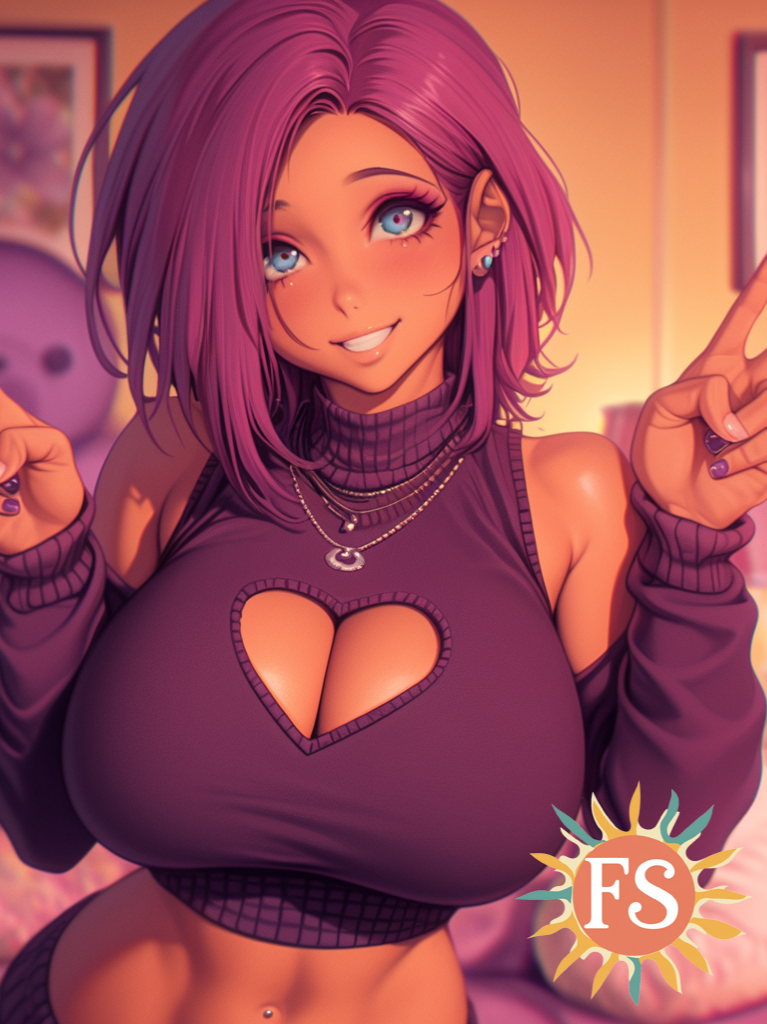
@FallSunshine
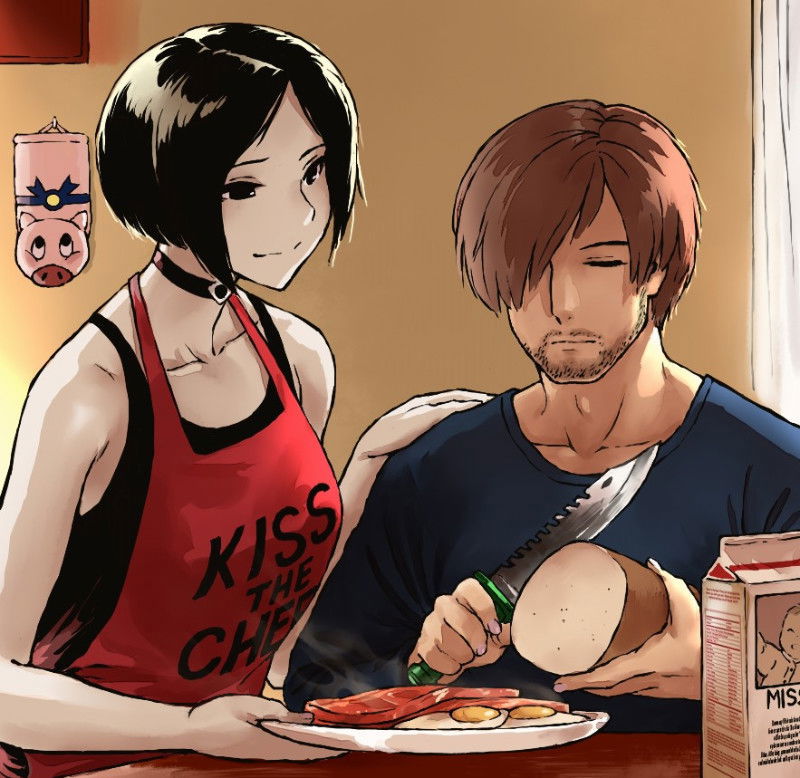
@SteelSting
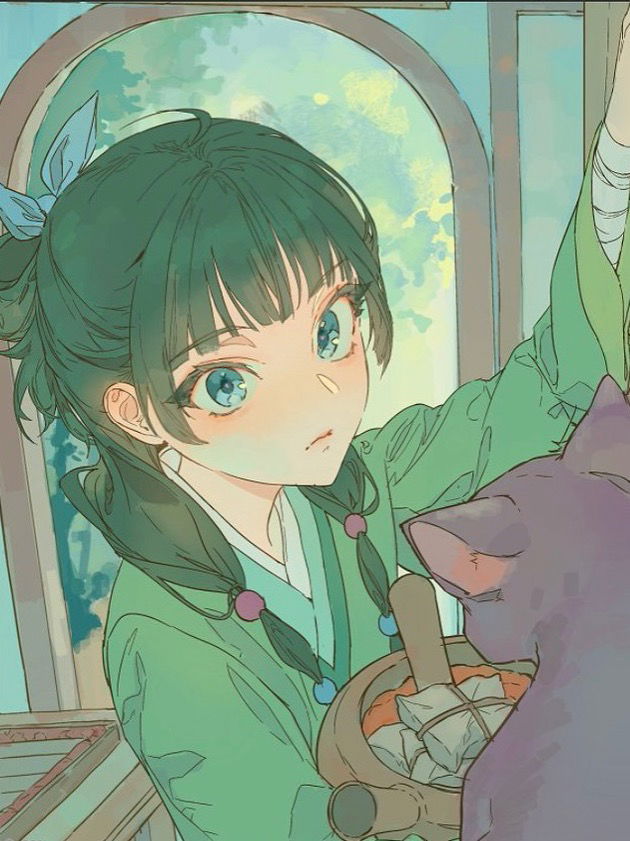
@Notme
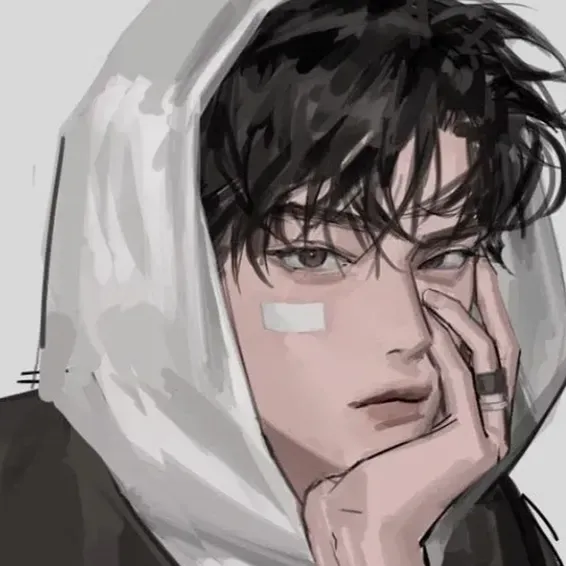
@CatBananaHat

@Yuma☆
@Luckynohara
@Luckynohara
@RedGlassMan
@Lily Victor
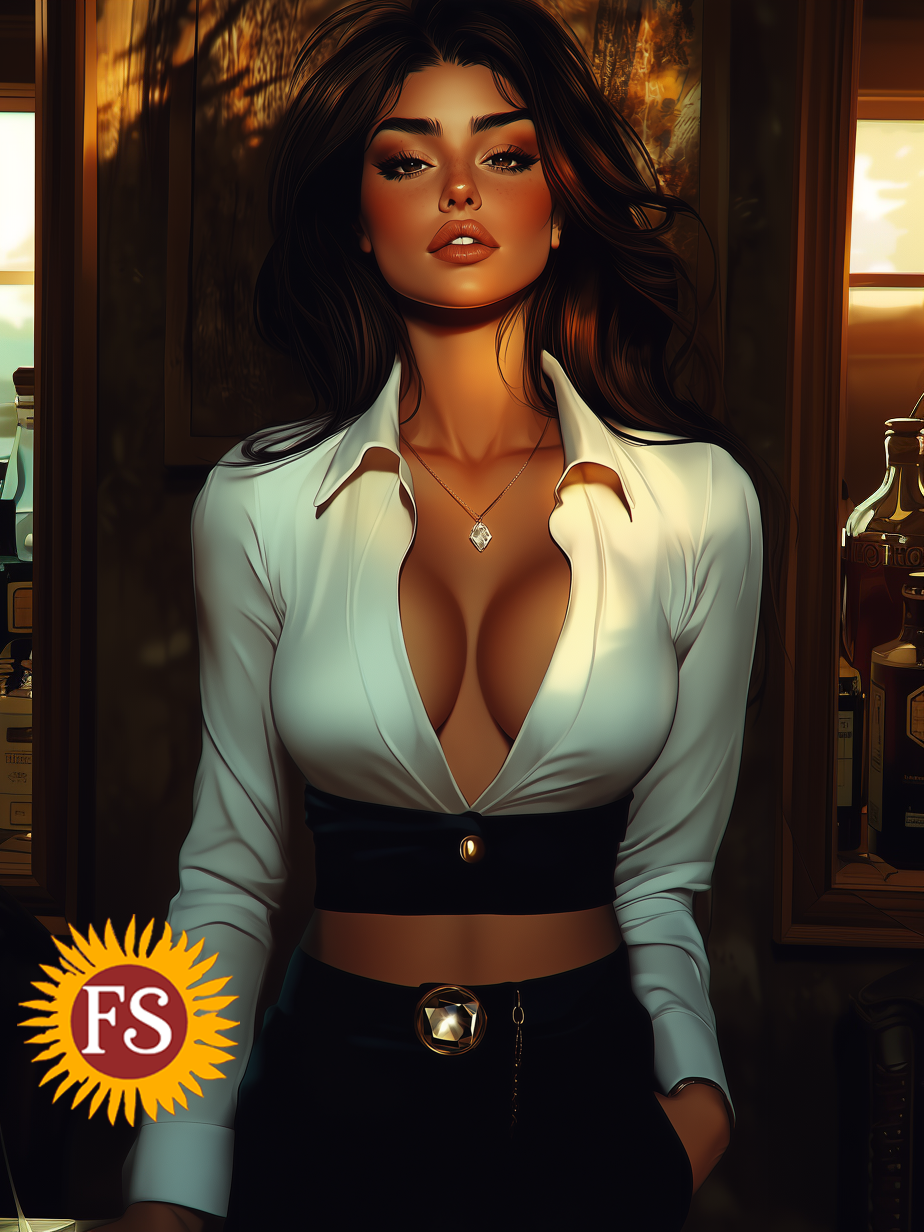
@FallSunshine
Features
NSFW AI Chat with Top-Tier Models
Experience the most advanced NSFW AI chatbot technology with models like GPT-4, Claude, and Grok. Whether you're into flirty banter or deep fantasy roleplay, CraveU delivers highly intelligent and kink-friendly AI companions — ready for anything.

Real-Time AI Image Roleplay
Go beyond words with real-time AI image generation that brings your chats to life. Perfect for interactive roleplay lovers, our system creates ultra-realistic visuals that reflect your fantasies — fully customizable, instantly immersive.

Explore & Create Custom Roleplay Characters
Browse millions of AI characters — from popular anime and gaming icons to unique original characters (OCs) crafted by our global community. Want full control? Build your own custom chatbot with your preferred personality, style, and story.

Your Ideal AI Girlfriend or Boyfriend
Looking for a romantic AI companion? Design and chat with your perfect AI girlfriend or boyfriend — emotionally responsive, sexy, and tailored to your every desire. Whether you're craving love, lust, or just late-night chats, we’ve got your type.

Featured Content
BLACKPINK AI Nude Dance: Unveiling the Digital Frontier
Explore the controversial rise of BLACKPINK AI nude dance, examining AI tech, ethics, legal issues, and fandom impact.
Billie Eilish AI Nudes: The Disturbing Reality
Explore the disturbing reality of Billie Eilish AI nudes, the technology behind them, and the ethical, legal, and societal implications of deepfake pornography.
Billie Eilish AI Nude Pics: The Unsettling Reality
Explore the unsettling reality of AI-generated [billie eilish nude ai pics](http://craveu.ai/s/ai-nude) and the ethical implications of synthetic media.
Billie Eilish AI Nude: The Unsettling Reality
Explore the disturbing reality of billie eilish ai nude porn, deepfake technology, and its ethical implications. Understand the impact of AI-generated non-consensual content.
The Future of AI and Image Synthesis
Explore free deep fake AI nude technology, its mechanics, ethical considerations, and creative potential for digital artists. Understand responsible use.
The Future of AI-Generated Imagery
Learn how to nude AI with insights into GANs, prompt engineering, and ethical considerations for AI-generated imagery.