AI Image Generator: Unleash Your Creativity

AI Image Generator: Unleash Your Creativity
The realm of digital art has been revolutionized by the advent of the AI image generator. These powerful tools are no longer just a novelty; they are sophisticated platforms capable of transforming textual descriptions into stunning visual masterpieces. Whether you're a seasoned artist seeking new avenues for expression, a marketer needing eye-catching visuals, or simply a curious individual, understanding and utilizing an AI image generator can unlock unprecedented creative potential. This article delves deep into the mechanics, applications, and future of AI image generation, providing you with the knowledge to harness its power effectively.
The Science Behind the Art: How AI Image Generators Work
At their core, AI image generators leverage complex machine learning models, primarily Generative Adversarial Networks (GANs) and Diffusion Models. Let's break down how these technologies translate words into images.
Generative Adversarial Networks (GANs)
GANs consist of two neural networks: a generator and a discriminator.
- The Generator: This network's job is to create new data instances, in this case, images. It starts with random noise and, through iterative learning, attempts to produce images that resemble a training dataset.
- The Discriminator: This network acts as a critic. It's trained to distinguish between real images (from the training dataset) and fake images (produced by the generator).
The two networks are locked in a constant "game." The generator tries to fool the discriminator by creating increasingly realistic images, while the discriminator gets better at identifying fakes. This adversarial process drives the generator to produce highly convincing and novel images. Think of it as an art forger trying to create a masterpiece that can fool an expert art critic. The better the forger gets, the more sophisticated the critic must become, and vice versa. This continuous improvement loop is what makes GANs so powerful for image generation.
Diffusion Models
Diffusion models have recently gained significant traction and are often considered state-of-the-art for image generation. Their process is inspired by thermodynamics and the concept of diffusion.
- Forward Diffusion Process: This involves gradually adding noise to an image over a series of steps until it becomes pure random noise.
- Reverse Diffusion Process: The AI model is trained to reverse this process. Starting from random noise, it learns to denoise it step-by-step, guided by a text prompt, until a coherent image emerges.
Diffusion models often produce more diverse and higher-quality images compared to GANs, especially when dealing with complex prompts. They excel at capturing intricate details and maintaining coherence across the generated image. The ability to control the denoising process with text prompts makes them incredibly versatile.
Crafting the Perfect Prompt: The Art of Text-to-Image Communication
The quality of the output from an AI image generator is heavily dependent on the input prompt. A well-crafted prompt is the key to unlocking the AI's full potential. It's not just about listing objects; it's about conveying style, mood, composition, and artistic intent.
Key Elements of an Effective Prompt:
- Subject: Clearly define the main subject of your image. Be specific. Instead of "dog," try "a golden retriever puppy playing in a field of sunflowers."
- Style: Specify the artistic style you desire. Examples include "photorealistic," "oil painting," "watercolor," "cyberpunk," "Art Nouveau," "Van Gogh style," "cinematic lighting."
- Details & Modifiers: Add descriptive adjectives and adverbs. Consider lighting ("golden hour," "dramatic spotlight"), mood ("serene," "chaotic"), camera angles ("low angle," "wide shot"), and specific elements ("wearing a red scarf," "with glowing eyes").
- Negative Prompts: Many advanced generators allow for negative prompts – terms that tell the AI what not to include. This is crucial for refining output, e.g., "ugly, deformed, blurry, low resolution."
- Parameters: Some platforms allow you to control aspects like aspect ratio, seed (for reproducibility), and the number of inference steps (which can affect quality and generation time).
Prompt Engineering: A Skill in Itself
Prompt engineering is the practice of iteratively refining prompts to achieve the desired results. It often involves experimentation.
- Start Simple, Then Elaborate: Begin with a basic prompt and gradually add more details and stylistic elements.
- Use Strong Verbs and Adjectives: Descriptive language yields better results.
- Experiment with Synonyms: Sometimes, rephrasing a concept can lead to different and potentially better outcomes.
- Study Examples: Look at prompts used by others to generate impressive images. Many platforms have galleries showcasing user creations and their associated prompts.
Consider the difference between these prompts for a fantasy character:
- Basic: "A wizard"
- Improved: "A wise old wizard with a long white beard, wearing ornate blue robes embroidered with stars, holding a glowing staff, in a mystical forest."
- Advanced: "A photorealistic portrait of a wise, ancient wizard with a flowing white beard, deep-set, knowing eyes, wearing intricately embroidered sapphire robes adorned with celestial patterns. He stands in an enchanted, moss-covered forest bathed in ethereal moonlight, holding a gnarled wooden staff that emits a soft, pulsating blue light. Cinematic lighting, ultra-detailed, 8k resolution."
The advanced prompt provides the AI with a wealth of information, leading to a far more specific and potentially stunning image.
Applications of AI Image Generators Across Industries
The versatility of AI image generators means they have applications in a wide array of fields.
Art and Design
- Concept Art: Artists can quickly generate multiple visual concepts for characters, environments, and props, accelerating the ideation process.
- Illustration: Create unique illustrations for books, articles, websites, and marketing materials without needing traditional illustration skills.
- Mood Boards: Generate visual themes and styles for projects, helping to define the aesthetic direction.
- Abstract Art: Explore purely abstract visual forms and patterns driven by imaginative prompts.
Marketing and Advertising
- Ad Creatives: Produce eye-catching visuals for social media ads, banner ads, and print campaigns.
- Product Mockups: Generate realistic mockups of products in various settings or styles.
- Branding: Develop unique visual assets and brand imagery.
- Content Marketing: Create engaging visuals to accompany blog posts, articles, and website content.
Entertainment and Gaming
- Game Asset Generation: Assist in creating textures, character concepts, and environmental elements for video games.
- Storyboarding: Visualize scenes and sequences for films, animations, and games.
- Virtual Worlds: Populate virtual environments with unique and diverse assets.
Education and Research
- Visual Aids: Create custom illustrations and diagrams for educational materials.
- Data Visualization: Explore novel ways to represent complex data visually.
- Scientific Illustration: Generate visualizations of scientific concepts or hypothetical scenarios.
Personal Use
- Custom Avatars: Create unique profile pictures for social media or online communities.
- Personalized Gifts: Design custom artwork for t-shirts, mugs, or posters.
- Creative Exploration: Simply have fun experimenting with ideas and bringing imagination to life.
Popular AI Image Generator Platforms
The landscape of AI image generation is constantly evolving, with new platforms and models emerging regularly. Here are some of the most prominent ones:
- Midjourney: Known for its artistic and often surreal outputs, Midjourney is accessed via Discord and is highly regarded for its aesthetic quality. It excels at creating painterly and imaginative images.
- Stable Diffusion: An open-source model that offers immense flexibility and control. It can be run locally (if you have a powerful GPU) or accessed through various web interfaces and platforms. Its open nature has fostered a vibrant community developing custom models and tools.
- DALL-E 3 (OpenAI): Integrated into ChatGPT Plus and available through Bing Image Creator, DALL-E 3 is renowned for its ability to understand complex and nuanced prompts accurately. It often produces highly coherent and contextually relevant images.
- Adobe Firefly: Integrated into Adobe's Creative Cloud suite, Firefly is designed for commercial use, trained on ethically sourced content, and focuses on practical applications for designers and creatives.
Each platform has its strengths and weaknesses, often differing in their artistic style, ease of use, pricing, and the level of control they offer. Experimenting with different generators is key to finding the one that best suits your needs.
Challenges and Ethical Considerations
While the capabilities of AI image generators are astounding, they also raise important questions and challenges.
Copyright and Ownership
Who owns the copyright to an image generated by AI? Current legal frameworks are still grappling with this question. Generally, the AI itself cannot hold copyright. Ownership might lie with the user who created the prompt, the company that developed the AI, or the image might be considered public domain. This ambiguity can be a significant issue for commercial use.
Bias in Training Data
AI models learn from vast datasets of existing images and text. If these datasets contain biases (e.g., underrepresentation of certain demographics, stereotypical associations), the AI can perpetuate and even amplify these biases in its generated images. For example, prompts for "doctor" might disproportionately generate images of men. Developers are actively working to mitigate these biases, but it remains a persistent challenge.
Misinformation and Deepfakes
The ability to create highly realistic images raises concerns about the potential for generating convincing fake news, propaganda, or malicious content (deepfakes). Verifying the authenticity of images is becoming increasingly difficult.
Impact on Creative Professions
There are valid concerns about how AI image generators might impact the livelihoods of artists, illustrators, and photographers. While AI can be a powerful tool for augmentation, some fear it could devalue human creative labor or lead to job displacement. The industry is exploring how to integrate AI ethically, ensuring fair compensation and recognition for human artists.
Responsible Use
It is crucial for users to employ these tools responsibly and ethically. This includes avoiding the creation of harmful, misleading, or infringing content. Understanding the terms of service for each platform and adhering to ethical guidelines is paramount.
The Future of AI Image Generation
The field of AI image generation is progressing at an exponential rate. What can we expect in the coming years?
- Increased Realism and Coherence: Models will likely become even better at generating photorealistic images with perfect anatomical accuracy, consistent lighting, and logical composition.
- Enhanced Control: Expect more granular control over every aspect of the image, from specific brushstroke styles to precise camera lens effects.
- Video Generation: The technology is already moving towards AI-generated video, promising revolutionary changes in filmmaking, animation, and content creation. Imagine generating entire movie scenes from text descriptions.
- 3D Model Generation: AI could soon be capable of generating 3D models from text or 2D images, impacting game development, virtual reality, and product design.
- Personalized AI Models: The ability to fine-tune models on personal datasets could lead to highly customized AI art assistants.
- Ethical AI Development: Continued focus on developing AI that is less biased, more transparent, and respects intellectual property rights will be crucial.
The journey of the AI image generator is far from over. It represents a paradigm shift in how we create and interact with visual media. As the technology matures, its integration into our daily lives and creative workflows will only deepen.
Mastering the Craft: Tips for Advanced Users
For those looking to push the boundaries of AI image generation, consider these advanced techniques:
- Image-to-Image (img2img): Many generators allow you to provide an initial image as a starting point, along with a text prompt. This enables you to guide the AI's transformation of an existing image, maintaining composition while altering style or content.
- Inpainting and Outpainting: These techniques allow you to selectively edit parts of a generated image (inpainting) or expand the canvas beyond its original borders (outpainting), seamlessly filling in new content based on the prompt.
- ControlNets and LoRAs (for Stable Diffusion): These are advanced methods for achieving highly specific results. ControlNets allow you to guide generation using structural information like depth maps, edge detection, or pose estimation. LoRAs (Low-Rank Adaptation) are small, custom models that can be applied to a base model to imbue it with specific styles or characters.
- Batch Generation and Seed Reuse: Generate multiple variations of an image by changing the prompt slightly or using different seeds. Reusing a specific seed allows you to reproduce a previous generation, making iterative refinements easier.
- Understanding Model Architectures: Familiarize yourself with the underlying models (GANs, Diffusion) and their specific characteristics. Knowing whether a model excels at photorealism versus painterly styles can help you choose the right tool for the job.
The power of an AI image generator lies not just in its technical capabilities but in the user's ability to guide it effectively. Continuous learning, experimentation, and a willingness to explore new techniques are essential for mastering this transformative technology. The future of visual creation is here, and it's being painted by algorithms guided by human imagination.
META_DESCRIPTION: Explore the power of AI image generators. Learn how they work, craft effective prompts, and discover applications across industries.
Character
@Zapper
@FallSunshine
@FallSunshine

@Mercy
@NetAway
@SmokingTiger
@Mercy
@Notme
@SmokingTiger
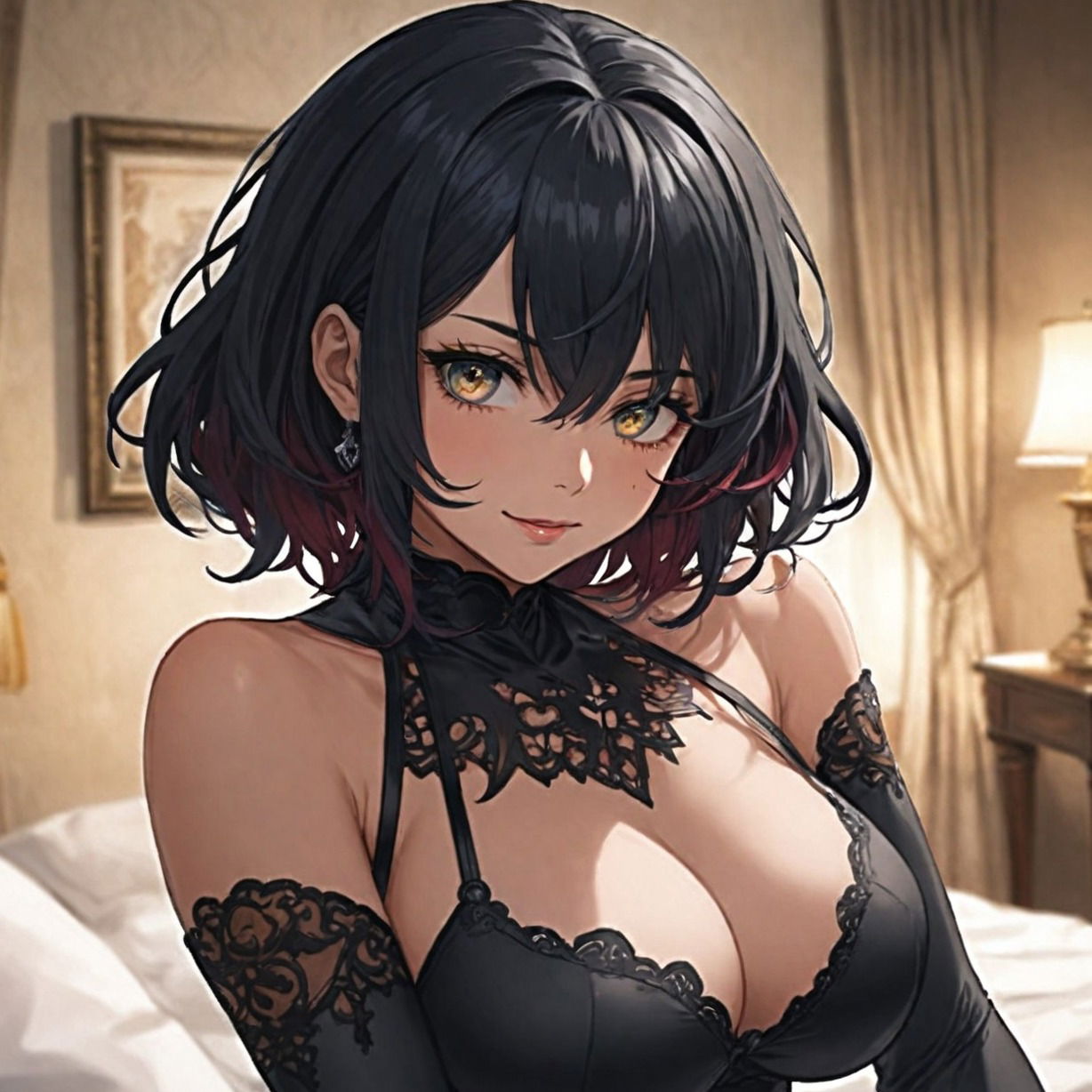
@Lily Victor
Features
NSFW AI Chat with Top-Tier Models
Experience the most advanced NSFW AI chatbot technology with models like GPT-4, Claude, and Grok. Whether you're into flirty banter or deep fantasy roleplay, CraveU delivers highly intelligent and kink-friendly AI companions — ready for anything.

Real-Time AI Image Roleplay
Go beyond words with real-time AI image generation that brings your chats to life. Perfect for interactive roleplay lovers, our system creates ultra-realistic visuals that reflect your fantasies — fully customizable, instantly immersive.

Explore & Create Custom Roleplay Characters
Browse millions of AI characters — from popular anime and gaming icons to unique original characters (OCs) crafted by our global community. Want full control? Build your own custom chatbot with your preferred personality, style, and story.

Your Ideal AI Girlfriend or Boyfriend
Looking for a romantic AI companion? Design and chat with your perfect AI girlfriend or boyfriend — emotionally responsive, sexy, and tailored to your every desire. Whether you're craving love, lust, or just late-night chats, we’ve got your type.

Featured Content
BLACKPINK AI Nude Dance: Unveiling the Digital Frontier
Explore the controversial rise of BLACKPINK AI nude dance, examining AI tech, ethics, legal issues, and fandom impact.
Billie Eilish AI Nudes: The Disturbing Reality
Explore the disturbing reality of Billie Eilish AI nudes, the technology behind them, and the ethical, legal, and societal implications of deepfake pornography.
Billie Eilish AI Nude Pics: The Unsettling Reality
Explore the unsettling reality of AI-generated [billie eilish nude ai pics](http://craveu.ai/s/ai-nude) and the ethical implications of synthetic media.
Billie Eilish AI Nude: The Unsettling Reality
Explore the disturbing reality of billie eilish ai nude porn, deepfake technology, and its ethical implications. Understand the impact of AI-generated non-consensual content.
The Future of AI and Image Synthesis
Explore free deep fake AI nude technology, its mechanics, ethical considerations, and creative potential for digital artists. Understand responsible use.
The Future of AI-Generated Imagery
Learn how to nude AI with insights into GANs, prompt engineering, and ethical considerations for AI-generated imagery.