AI Generated Animals: The Future of Creativity

AI Generated Animals: The Future of Creativity
The realm of digital art and artificial intelligence has exploded in recent years, birthing entirely new avenues for creative expression. Among the most fascinating and rapidly evolving of these is the creation of AI generated animals. These aren't your typical digital renderings; they are unique, often surreal, and sometimes breathtakingly realistic creatures brought to life through sophisticated algorithms and vast datasets. This technology is not just a novelty; it's a powerful tool that's reshaping how we think about art, design, and even scientific visualization.
The Genesis of AI-Generated Fauna
At its core, generating AI generated animals relies on advanced machine learning models, primarily Generative Adversarial Networks (GANs) and diffusion models. These models are trained on enormous collections of images – everything from photographs of real animals to existing digital art and even abstract patterns. The AI learns the underlying patterns, textures, anatomical structures, and stylistic elements present in this data.
Think of it like this: the AI is shown millions of pictures of cats. It doesn't just memorize them; it learns what makes a cat a cat – the shape of its ears, the texture of its fur, the way its eyes are positioned. Then, when prompted, it can synthesize entirely new "cat" images that have never existed before, combining learned features in novel ways. This process allows for an incredible degree of customization and originality.
GANs vs. Diffusion Models: A Brief Overview
While both GANs and diffusion models are powerful generative tools, they operate on different principles:
-
Generative Adversarial Networks (GANs): These consist of two neural networks, a generator and a discriminator, locked in a perpetual competition. The generator creates new data (in this case, animal images), and the discriminator tries to distinguish between real images and the AI-generated ones. Through this adversarial process, the generator becomes increasingly adept at producing realistic outputs. Early AI generated animals often utilized GANs, pushing the boundaries of realistic image synthesis.
-
Diffusion Models: These models work by gradually adding noise to an image until it's pure static, and then learning to reverse this process. By starting with random noise and applying the learned denoising steps, the model can generate entirely new images from scratch. Diffusion models have become incredibly popular for their ability to produce highly detailed and coherent images, often with greater control over the output than early GANs. Many of the stunning and imaginative AI generated animals you see today are likely products of diffusion models.
Applications Beyond the Digital Canvas
The creation of AI generated animals extends far beyond simply creating visually appealing images. Its applications are diverse and impactful across various industries:
1. Game Development and Virtual Worlds
The gaming industry is a natural fit for this technology. Imagine populating vast open-world games with unique, procedurally generated creatures that have never been seen before. This can significantly reduce development time and cost associated with asset creation, while simultaneously offering players an endlessly novel experience. Developers can use AI to generate:
- Unique enemy types: Each playthrough could feature different monster variations, keeping combat fresh and challenging.
- Exotic wildlife for exploration: Entire ecosystems of fantastical beasts can be generated, adding depth and immersion to virtual environments.
- Customizable player companions: Players could potentially generate their own unique AI-powered pets or allies.
The ability to generate a near-infinite variety of creatures means that virtual worlds can feel truly alive and dynamic, offering a level of replayability previously unimaginable.
2. Film and Animation
In the realm of visual effects (VFX) and animation, AI offers powerful new tools for creature design and realization. Instead of relying solely on manual modeling and rigging, animators can use AI to:
- Generate concept art: Quickly iterate on creature designs, exploring numerous variations in form, texture, and color.
- Create background creatures: Populate scenes with crowds of unique animals without the need for individual manual creation.
- Assist in animation: AI can potentially learn animation cycles and apply them to generated creatures, speeding up the animation process.
This allows artists to focus more on the narrative and emotional aspects of their work, rather than getting bogged down in the technicalities of asset creation. The potential for creating truly alien and imaginative beings for science fiction or fantasy films is immense.
3. Education and Scientific Visualization
AI generated animals can also serve valuable educational purposes. Imagine biology students being able to generate hypothetical evolutionary branches or visualize extinct species based on fossil data. This technology can:
- Illustrate evolutionary concepts: Create visual examples of how species might adapt to different environments or evolve over time.
- Visualize hypothetical organisms: Help students understand biological principles by creating examples of creatures with specific adaptations.
- Aid in paleontology: Generate plausible reconstructions of extinct animals based on limited skeletal remains, offering new insights into prehistoric life.
By making abstract concepts more tangible, AI can significantly enhance the learning experience.
4. Art and Design Exploration
For artists and designers, AI is a powerful collaborator. It can:
- Spark new ideas: Generate unexpected combinations of features and styles that a human artist might not have conceived.
- Create unique textures and patterns: Develop intricate and novel surface details for digital models.
- Explore stylistic variations: Quickly see how a creature design might look in different artistic styles, from photorealistic to highly stylized.
This democratization of creative tools allows individuals without extensive traditional artistic training to bring their imaginative visions to life. The ability to generate AI generated animals with specific prompts opens up a world of artistic possibilities.
The Creative Process: Prompt Engineering for Animal Creation
The magic behind generating AI generated animals often lies in the "prompt." This is the text description that the user provides to the AI model, guiding its creative output. Effective prompt engineering is crucial for achieving desired results.
Consider the difference between a simple prompt and a more detailed one:
-
Simple Prompt: "A cat"
- Result: A generic image of a cat.
-
Detailed Prompt: "A majestic, bioluminescent feline creature with feathered wings, scales along its spine, and eyes that glow with an ethereal blue light, standing on a moss-covered ancient ruin under a starry night sky, digital art, highly detailed, cinematic lighting."
- Result: A unique, imaginative creature that aligns with the specific descriptive elements provided.
Key elements of effective prompting include:
- Descriptive Adjectives: Use words that convey appearance, texture, mood, and style (e.g., "glowing," "ancient," "majestic," "surreal," "photorealistic").
- Specific Features: Detail anatomical elements, colors, and unique characteristics (e.g., "six legs," "iridescent fur," "crystal horns").
- Environment and Context: Describe the setting, lighting, and atmosphere to enhance the image's narrative.
- Artistic Style: Specify desired artistic influences or mediums (e.g., "oil painting," "concept art," "anime style," "cyberpunk").
- Negative Prompts: Sometimes, you can tell the AI what not to include to refine the output (e.g., "no humans," "not blurry").
Mastering prompt engineering is akin to learning a new language – the language of AI creativity. It allows users to collaborate with the AI, steering its vast generative capabilities towards their specific vision.
Challenges and Considerations
While the potential is immense, creating AI generated animals is not without its challenges:
1. Anatomical Consistency and Realism
Achieving perfect anatomical consistency, especially for complex creatures or those with unusual features, can be difficult. AI models might sometimes produce images with extra limbs, distorted proportions, or illogical biological structures. While this can be desirable for surreal art, it poses a challenge for applications requiring strict realism. Ongoing research aims to improve the AI's understanding of biological constraints.
2. Bias in Training Data
Like all AI systems, generative models are susceptible to biases present in their training data. If the dataset predominantly features certain types of animals or artistic styles, the AI's output may reflect those biases, potentially limiting diversity or perpetuating stereotypes. Curating diverse and representative datasets is crucial for mitigating this issue.
3. Ethical Implications and Copyright
The rapid advancement of AI-generated content raises complex ethical and legal questions. Who owns the copyright to an image created by an AI? How do we distinguish between AI-generated art and human-created art? These are ongoing debates that will shape the future landscape of creative industries. For creators using tools to generate AI generated animals, understanding the terms of service and potential copyright implications of the platforms they use is essential.
4. Computational Resources
Training and running sophisticated generative AI models require significant computational power, often involving specialized hardware like GPUs. This can be a barrier for individuals or smaller organizations looking to experiment with or implement these technologies.
The Future is Wild: What's Next?
The field of AI-generated imagery, including AI generated animals, is evolving at an astonishing pace. We can expect several key developments in the near future:
- Increased Realism and Coherence: Models will become even better at generating photorealistic images with consistent anatomy and intricate details.
- Enhanced Control and Interactivity: Users will have finer-grained control over the generation process, allowing for more precise manipulation of creature features, poses, and animations.
- Integration with 3D Modeling: AI will likely be integrated more seamlessly into 3D modeling pipelines, enabling the rapid generation of 3D models and animations of creatures.
- Real-time Generation: As models become more efficient, we may see real-time generation of creatures within interactive applications and games.
- AI as a Creative Partner: The role of AI will shift further from a mere tool to a genuine creative collaborator, offering suggestions and co-creating alongside human artists.
The ability to conjure entirely new forms of life from digital ether is no longer the stuff of science fiction. Whether for artistic exploration, entertainment, education, or scientific inquiry, the creation of AI generated animals represents a significant leap forward in our ability to imagine and manifest the impossible. As the technology matures, it promises to unlock unprecedented levels of creativity and innovation, populating our digital and perhaps even our physical worlds with wonders yet unseen. The digital menagerie is only just beginning to take shape.
META_DESCRIPTION: Explore the fascinating world of AI generated animals, from their creation using GANs and diffusion models to their applications in gaming, film, and art.
Character
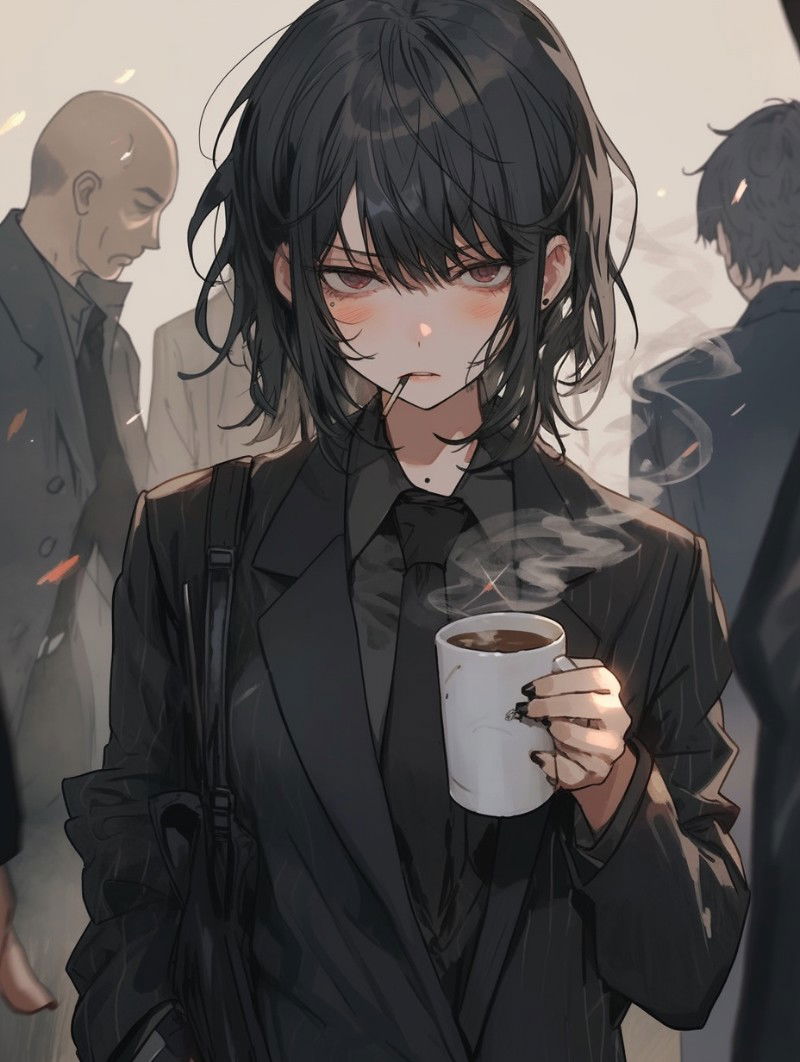
@AI_KemoFactory
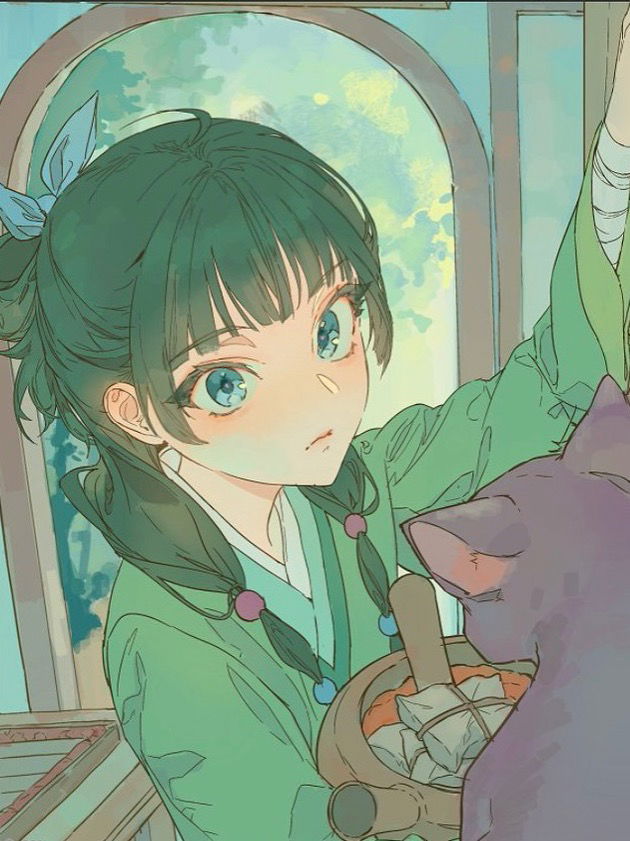
@Notme
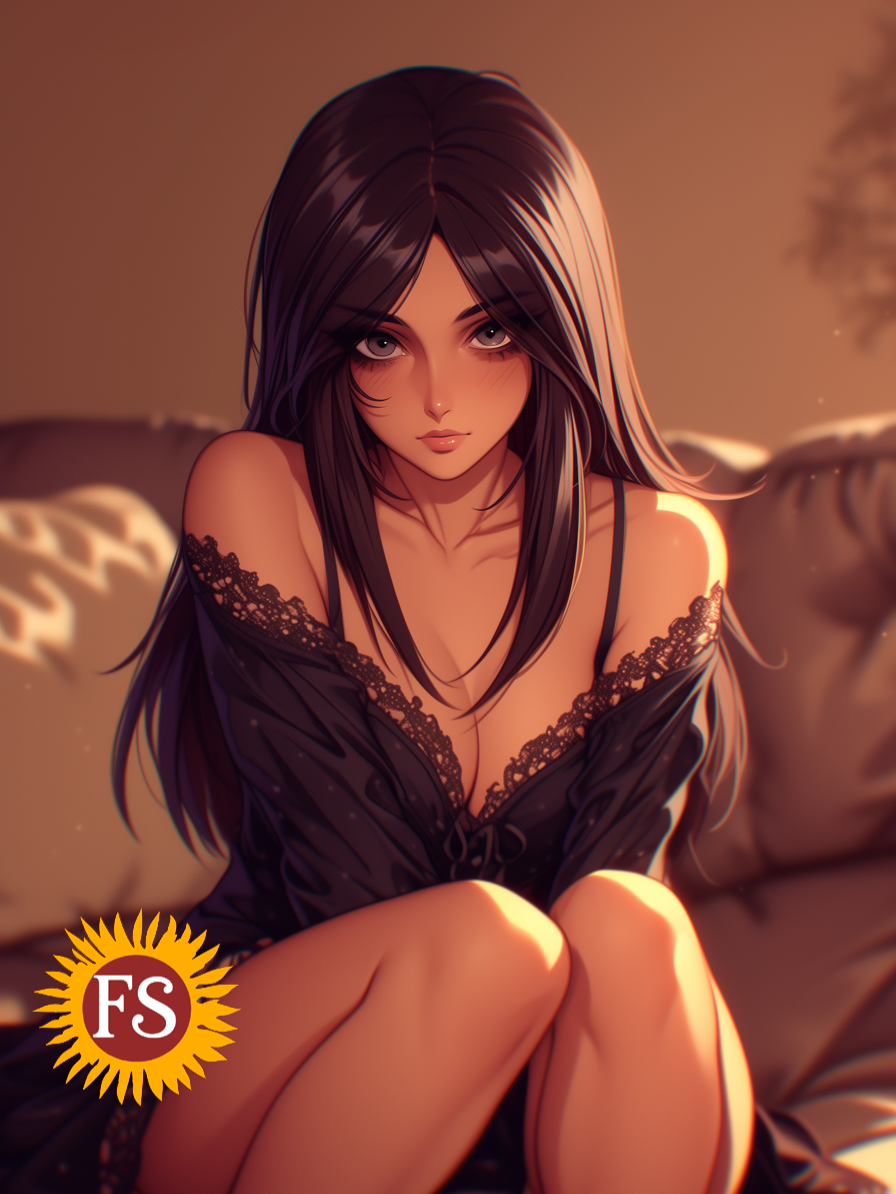
@FallSunshine
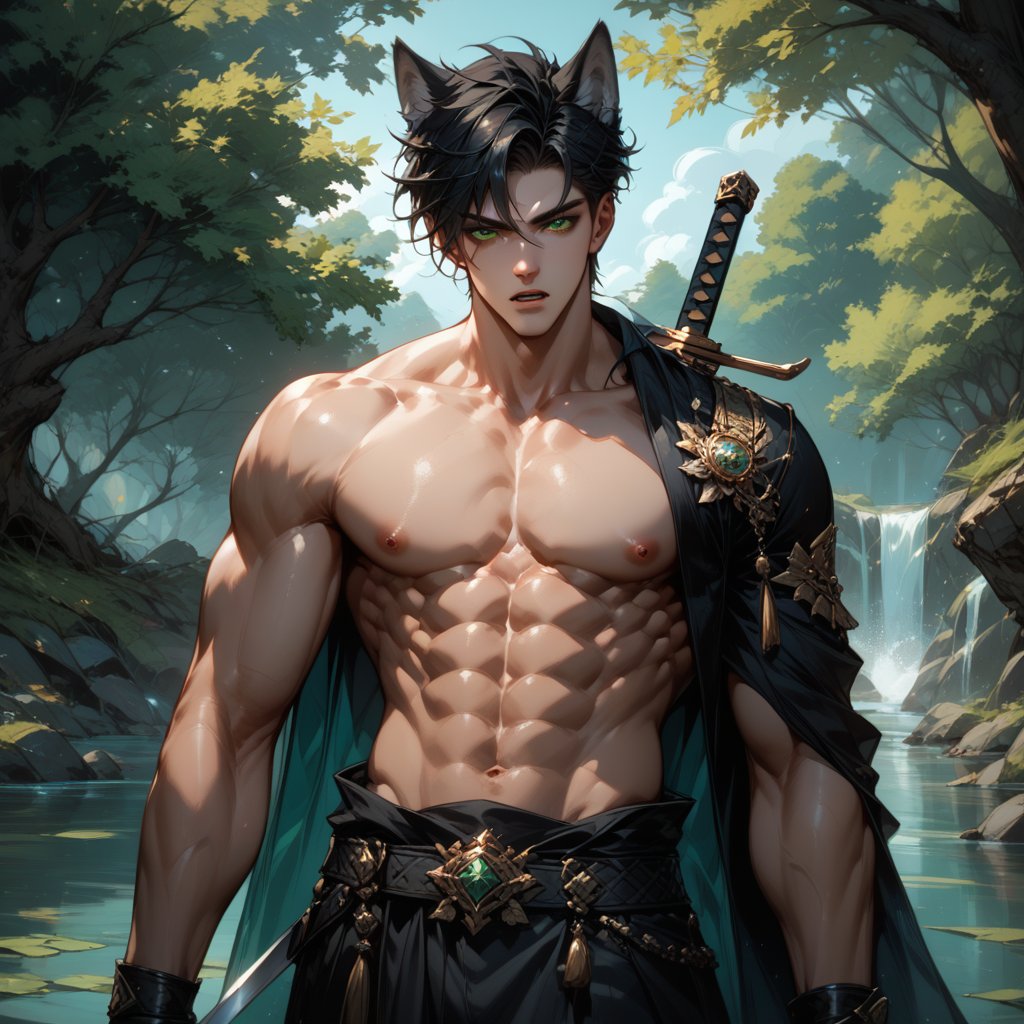
@Shakespeppa

@Kurbillypuff
@FallSunshine
@Luckynohara
@Nyx
@AI_Visionary
@Lily Victor
Features
NSFW AI Chat with Top-Tier Models
Experience the most advanced NSFW AI chatbot technology with models like GPT-4, Claude, and Grok. Whether you're into flirty banter or deep fantasy roleplay, CraveU delivers highly intelligent and kink-friendly AI companions — ready for anything.

Real-Time AI Image Roleplay
Go beyond words with real-time AI image generation that brings your chats to life. Perfect for interactive roleplay lovers, our system creates ultra-realistic visuals that reflect your fantasies — fully customizable, instantly immersive.

Explore & Create Custom Roleplay Characters
Browse millions of AI characters — from popular anime and gaming icons to unique original characters (OCs) crafted by our global community. Want full control? Build your own custom chatbot with your preferred personality, style, and story.

Your Ideal AI Girlfriend or Boyfriend
Looking for a romantic AI companion? Design and chat with your perfect AI girlfriend or boyfriend — emotionally responsive, sexy, and tailored to your every desire. Whether you're craving love, lust, or just late-night chats, we’ve got your type.

Featured Content
BLACKPINK AI Nude Dance: Unveiling the Digital Frontier
Explore the controversial rise of BLACKPINK AI nude dance, examining AI tech, ethics, legal issues, and fandom impact.
Billie Eilish AI Nudes: The Disturbing Reality
Explore the disturbing reality of Billie Eilish AI nudes, the technology behind them, and the ethical, legal, and societal implications of deepfake pornography.
Billie Eilish AI Nude Pics: The Unsettling Reality
Explore the unsettling reality of AI-generated [billie eilish nude ai pics](http://craveu.ai/s/ai-nude) and the ethical implications of synthetic media.
Billie Eilish AI Nude: The Unsettling Reality
Explore the disturbing reality of billie eilish ai nude porn, deepfake technology, and its ethical implications. Understand the impact of AI-generated non-consensual content.
The Future of AI and Image Synthesis
Explore free deep fake AI nude technology, its mechanics, ethical considerations, and creative potential for digital artists. Understand responsible use.
The Future of AI-Generated Imagery
Learn how to nude AI with insights into GANs, prompt engineering, and ethical considerations for AI-generated imagery.