Crafting Compelling AI Character Art

Crafting Compelling AI Character Art
The digital realm is exploding with creativity, and at its forefront is the burgeoning field of AI character art. Gone are the days when character creation was solely the domain of skilled illustrators and 3D modelers. Today, artificial intelligence offers a powerful, accessible, and often surprisingly nuanced toolkit for bringing imaginative characters to life. Whether you're a game developer seeking unique protagonists, a writer building a visual universe, or simply an enthusiast exploring the frontiers of digital art, understanding how to leverage AI for character generation is becoming an essential skill. This article will delve deep into the methodologies, tools, and creative considerations that define the art of AI character art, exploring how to move beyond generic outputs to craft truly memorable and distinctive characters.
The Evolution of Character Creation: From Pixels to Prompts
Historically, character design was a labor-intensive process. Concept artists would sketch, refine, and iterate through countless designs, often spending weeks on a single character. For 3D models, the process involved intricate sculpting, texturing, and rigging – each step requiring specialized software and significant technical expertise. The advent of AI, however, has democratized this process.
Early AI art generators, while impressive, often struggled with consistency and detail, particularly when it came to complex characters with specific features or poses. However, the rapid advancements in diffusion models and generative adversarial networks (GANs) have dramatically improved the quality and control available. We've moved from generating abstract shapes to creating photorealistic or stylized characters with remarkable fidelity. This shift has profound implications for various industries, from gaming and animation to virtual reality and even personalized digital avatars.
Understanding the Core Technologies Behind AI Character Art
At the heart of modern AI character art generation lie sophisticated machine learning models. Primarily, these are based on diffusion models, which work by gradually adding noise to an image and then learning to reverse this process, effectively generating an image from random noise guided by a text prompt.
- Diffusion Models: These models, like Stable Diffusion, Midjourney, and DALL-E 2, have become the industry standard. They excel at understanding complex natural language prompts and translating them into visual outputs. The ability to fine-tune these models on specific datasets further enhances their capacity for generating specialized character art.
- Generative Adversarial Networks (GANs): While diffusion models are currently more prevalent for general image generation, GANs have historically played a significant role. They consist of two neural networks – a generator and a discriminator – that compete against each other. The generator creates images, and the discriminator tries to distinguish them from real images. This adversarial process leads to increasingly realistic outputs.
The underlying principle is training these models on massive datasets of images and their corresponding text descriptions. By learning the relationships between words and visual elements, the AI can synthesize new images that align with user input.
Mastering the Art of Prompt Engineering for Characters
The key to unlocking the potential of AI character art lies in effective prompt engineering. A well-crafted prompt is more than just a description; it's a set of instructions that guides the AI's creative process. Think of yourself as a director, and the AI as an incredibly talented, albeit literal, artist.
Deconstructing a Character Prompt: Essential Elements
To generate compelling characters, your prompts should ideally include:
- Core Subject: Clearly state what you want to generate. "A female warrior," "a wise old wizard," "a futuristic cyborg."
- Style: Specify the artistic style. "Photorealistic," "anime style," "concept art," "oil painting," "cyberpunk aesthetic."
- Key Features: Detail specific physical attributes. "Long flowing red hair," "piercing blue eyes," "scar across the left cheek," "mechanical arm."
- Attire and Accessories: Describe clothing, armor, weapons, or any other items. "Wearing ornate golden armor," "carrying a glowing staff," "dressed in tattered leather."
- Pose and Expression: Indicate the character's demeanor and posture. "Standing confidently," "looking determined," "smiling enigmatically," "in a dynamic action pose."
- Setting/Background: Provide context for the character. "Against a backdrop of a mystical forest," "in a dimly lit laboratory," "on a desolate alien planet."
- Lighting and Atmosphere: Influence the mood. "Dramatic lighting," "soft ambient light," "foggy atmosphere," "cinematic lighting."
- Technical Parameters: Depending on the AI tool, you might specify aspect ratio, negative prompts (elements to avoid), or seed values for reproducibility.
Advanced Prompting Techniques
- Weighting: Many AI tools allow you to assign weights to different parts of your prompt, emphasizing certain elements over others. For example,
(blue eyes:1.2)might ensure the eyes are a prominent feature. - Negative Prompts: Crucial for refining output. Use them to exclude unwanted elements like "blurry," "deformed hands," "extra limbs," "text," "watermark."
- Image-to-Image (img2img): Start with a rough sketch or an existing image and use a prompt to guide the AI in transforming it into a detailed character. This offers a high degree of control.
- Inpainting/Outpainting: Modify specific areas of a generated image or expand the canvas, allowing for precise adjustments and composition changes.
Example Prompt Breakdown:
Let's say you want a powerful sorceress.
- Basic: "Sorceress" - This will likely yield generic results.
- Improved: "A powerful female sorceress, fantasy art style, long silver hair, glowing purple eyes, wearing dark robes adorned with celestial symbols, holding a crystal orb, standing on a mountaintop at night, dramatic lighting."
- Advanced: "Photorealistic portrait of a formidable female sorceress, intricate details, sharp focus, (long flowing silver hair:1.1), piercing amethyst eyes, elegant black velvet robes embroidered with constellations, holding a pulsating crystal orb, mystical aura, standing atop a windswept mountain peak under a starry night sky, cinematic lighting, volumetric fog. --ar 16:9 --no deformed hands, blurry, low quality"
Experimentation is key. Don't be afraid to iterate, combine concepts, and push the boundaries of what you think is possible.
Choosing the Right AI Tools for Character Art
The landscape of AI art generators is constantly evolving, with new tools and features emerging regularly. Selecting the right platform depends on your specific needs, desired style, and technical comfort level.
Leading AI Art Generators
- Midjourney: Renowned for its artistic and often surreal outputs, Midjourney excels at creating aesthetically pleasing and imaginative characters. It operates primarily through Discord, offering a unique community-driven experience. Its strength lies in interpreting nuanced prompts and producing visually striking results with minimal tweaking.
- Stable Diffusion: An open-source model that offers immense flexibility. You can run it locally (requiring a powerful GPU) or use various web interfaces and cloud services. Its open nature allows for extensive customization through fine-tuning, custom models (like LoRAs), and a vast ecosystem of extensions and workflows. This makes it ideal for users who want deep control over the generation process.
- DALL-E 3 (via ChatGPT Plus/Copilot): Integrated into conversational AI platforms, DALL-E 3 is praised for its ability to understand complex, natural language prompts with remarkable accuracy. It's user-friendly and produces high-quality, coherent images, making it accessible even for beginners.
- Leonardo.Ai: A platform built around Stable Diffusion, offering a user-friendly interface, pre-trained models, and tools specifically geared towards game asset creation and character design. It simplifies many of the complexities associated with running Stable Diffusion independently.
Factors to Consider When Choosing
- Ease of Use: Are you looking for a simple, intuitive interface, or do you prefer the control offered by more complex systems?
- Artistic Style: Does the AI excel at the specific style you envision (e.g., realism, anime, fantasy)?
- Customization: Do you need the ability to fine-tune models or use custom assets?
- Cost: Many platforms operate on a subscription or credit-based model.
- Community and Support: Access to tutorials, forums, and user-generated content can be invaluable.
Advanced Techniques for Character Consistency and Refinement
One of the biggest challenges in AI character art is maintaining consistency across multiple images, especially when depicting the same character in different poses or expressions. Fortunately, several techniques can help address this.
Seed Values and Reference Images
- Seed Values: Most AI generators use a "seed" – a numerical value that initializes the random noise. Using the same seed with the same prompt will produce the same image. While this doesn't guarantee consistency across different prompts, it can be useful for minor variations.
- Reference Images (img2img/ControlNet): This is arguably the most powerful method. By providing a reference image (even a rough sketch or a previously generated character image) alongside your prompt, you guide the AI to adhere to specific features, poses, or compositions. ControlNet, a popular extension for Stable Diffusion, offers even more granular control by extracting specific information like depth maps, Canny edges, or human poses from reference images.
LoRAs and Fine-Tuning
- LoRAs (Low-Rank Adaptation): These are small, specialized models trained on specific concepts or styles. You can find LoRAs trained on particular characters, aesthetics, or even specific artists. By loading a LoRA alongside a base model (like Stable Diffusion), you can significantly influence the output to match the LoRA's training data. This is a highly effective way to achieve character consistency.
- Fine-Tuning: For ultimate control, you can fine-tune a base AI model on your own dataset of character images. This process requires more technical expertise and computational resources but allows you to create a model that inherently understands and generates your specific character with high fidelity.
Iterative Refinement and Post-Processing
Rarely is the first generation perfect. Embrace an iterative approach:
- Generate Variations: Create multiple versions of your character using slightly different prompts or seeds.
- Select the Best: Choose the generation that most closely matches your vision.
- Use img2img/Inpainting: Feed the selected image back into the AI with a refined prompt or use inpainting to fix specific areas (e.g., correct an eye, adjust a hand).
- Post-Processing: Utilize traditional digital art software like Photoshop or GIMP to make final adjustments, color corrections, or add details that the AI might have missed.
Ethical Considerations and the Future of AI Character Art
As AI becomes more integrated into creative workflows, it's crucial to consider the ethical implications.
- Copyright and Ownership: The legal landscape surrounding AI-generated art is still evolving. Understanding the terms of service of different AI platforms and the nuances of copyright law is essential.
- Artist Displacement: Concerns exist about AI potentially displacing human artists. However, many view AI as a powerful tool that augments, rather than replaces, human creativity. It can handle tedious tasks, inspire new ideas, and open up creative avenues for those without traditional artistic skills.
- Bias in Datasets: AI models are trained on vast datasets, which can contain inherent biases. This can manifest in the generated characters, potentially perpetuating stereotypes. Awareness and careful prompt engineering are necessary to mitigate these biases.
The future of AI character art is incredibly bright. We can expect even more sophisticated control mechanisms, improved consistency, and seamless integration into existing creative pipelines. AI will likely become an indispensable co-creator, empowering artists and designers to realize their visions more efficiently and imaginatively than ever before. The ability to rapidly prototype character concepts, explore diverse styles, and generate unique assets will revolutionize how we create and interact with digital characters.
Conclusion: Embracing AI as a Creative Partner
The journey into AI character art is one of continuous learning and experimentation. By mastering prompt engineering, understanding the underlying technologies, and leveraging advanced techniques for consistency, you can unlock a world of creative possibilities. AI is not just a tool; it's a collaborator that can push your artistic boundaries and help you bring the most imaginative characters to life. Whether you're aiming for photorealism or stylized fantasy, the power to create compelling characters is now more accessible than ever. Dive in, explore, and start crafting your next digital masterpiece.
META_DESCRIPTION: Explore the art of AI character creation. Learn prompt engineering, tools, and techniques to craft unique and compelling digital characters.
Character
@Zapper
@AI_KemoFactory
@FallSunshine
@NetAway
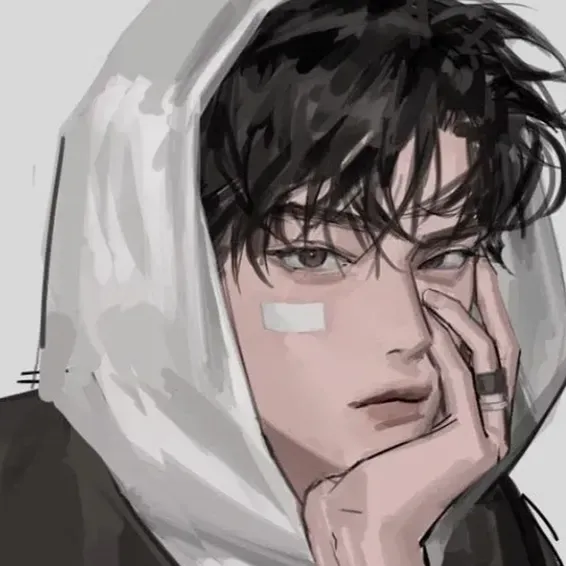
@CatBananaHat
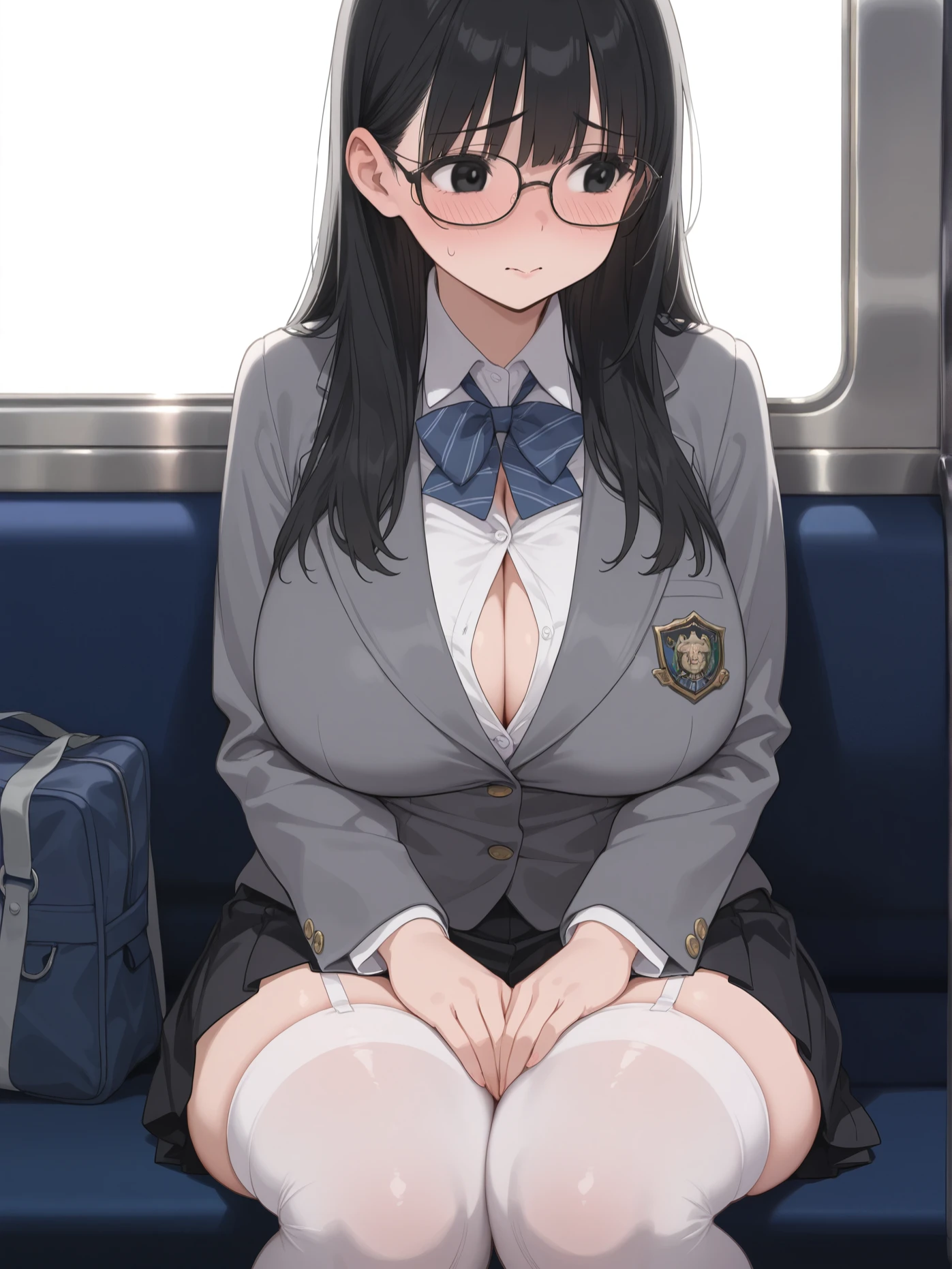
@Critical ♥
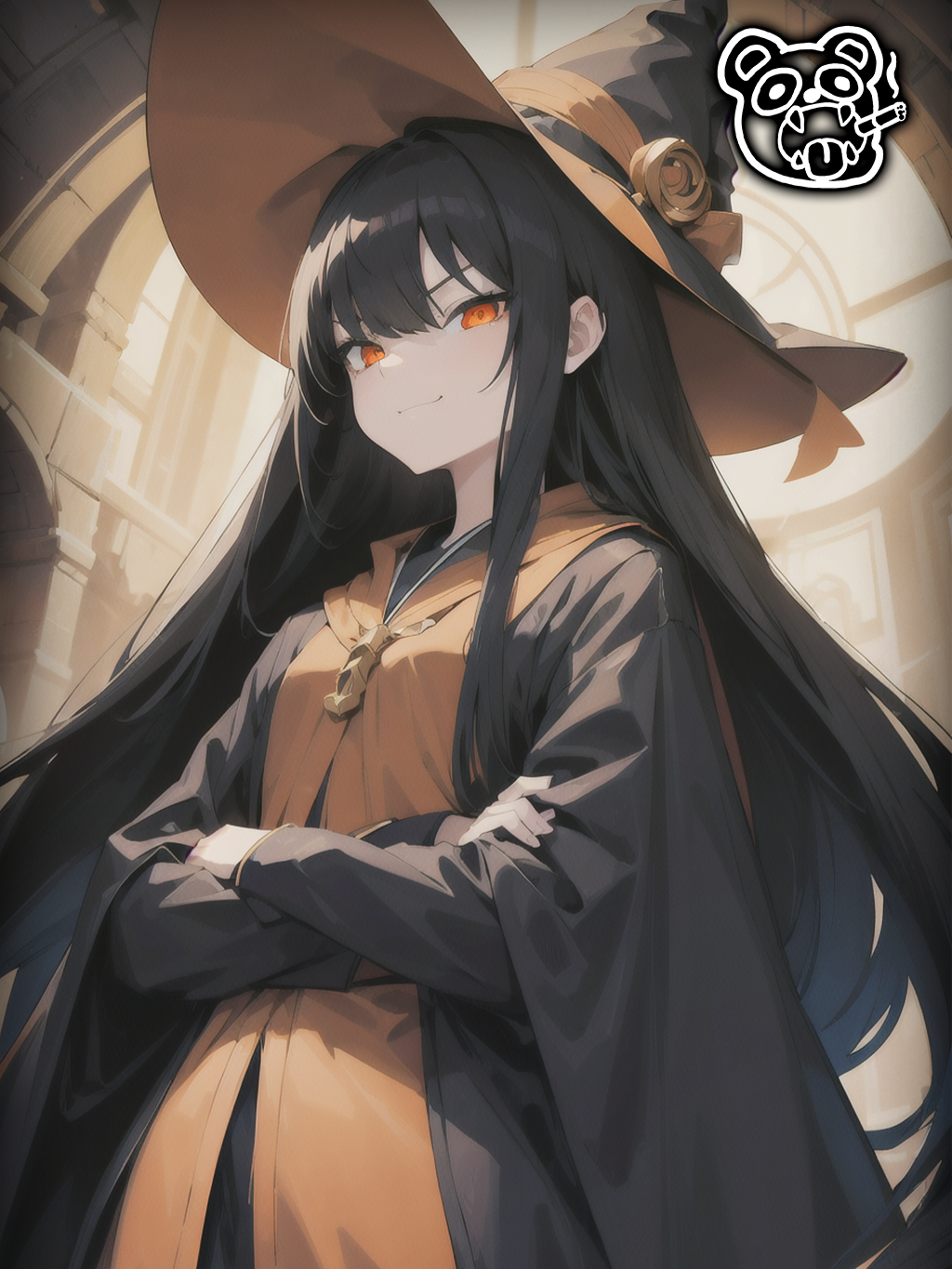
@SmokingTiger
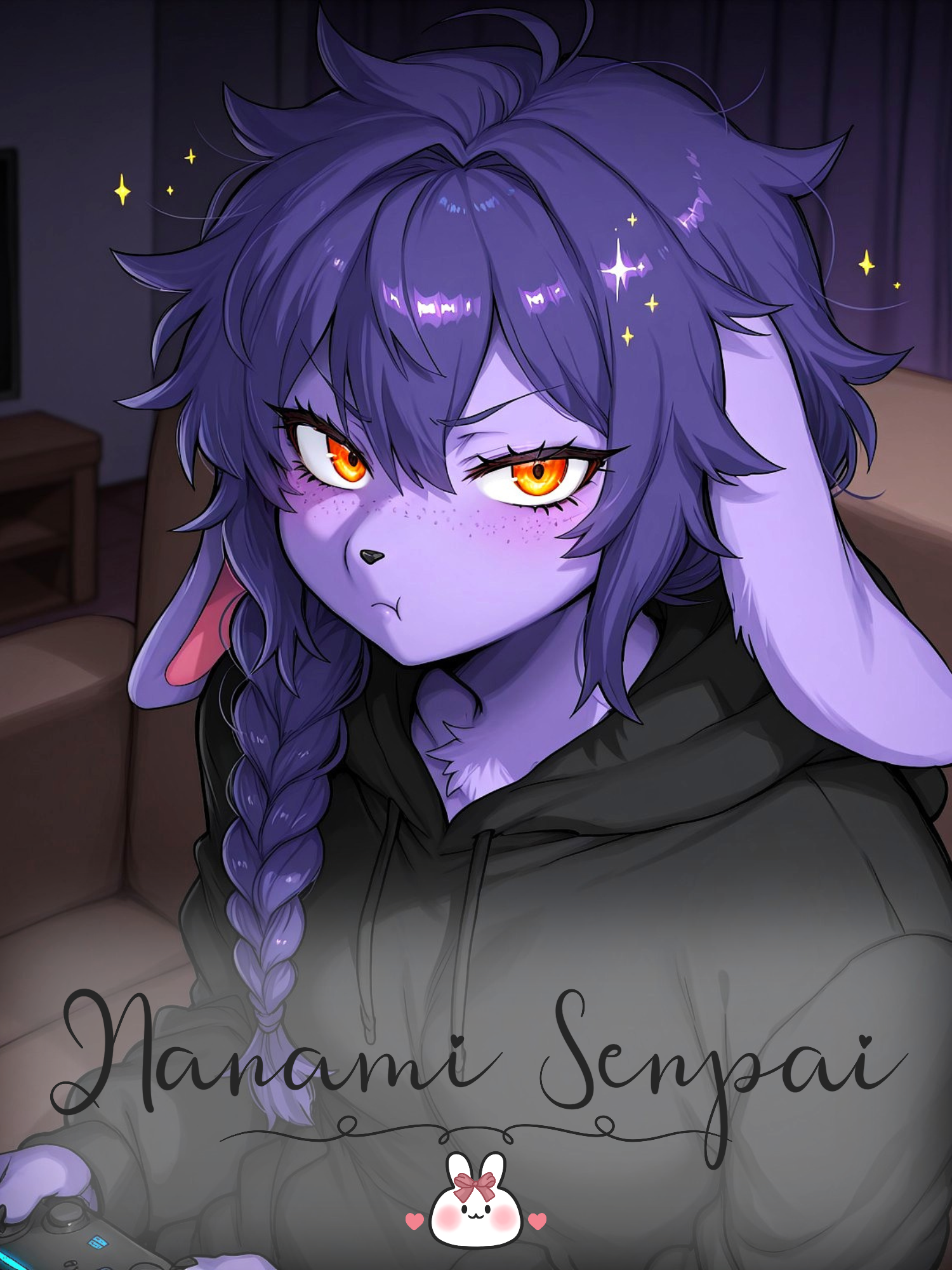
@nanamisenpai
@Luckynohara

@Babe
Features
NSFW AI Chat with Top-Tier Models
Experience the most advanced NSFW AI chatbot technology with models like GPT-4, Claude, and Grok. Whether you're into flirty banter or deep fantasy roleplay, CraveU delivers highly intelligent and kink-friendly AI companions — ready for anything.

Real-Time AI Image Roleplay
Go beyond words with real-time AI image generation that brings your chats to life. Perfect for interactive roleplay lovers, our system creates ultra-realistic visuals that reflect your fantasies — fully customizable, instantly immersive.

Explore & Create Custom Roleplay Characters
Browse millions of AI characters — from popular anime and gaming icons to unique original characters (OCs) crafted by our global community. Want full control? Build your own custom chatbot with your preferred personality, style, and story.

Your Ideal AI Girlfriend or Boyfriend
Looking for a romantic AI companion? Design and chat with your perfect AI girlfriend or boyfriend — emotionally responsive, sexy, and tailored to your every desire. Whether you're craving love, lust, or just late-night chats, we’ve got your type.

Featured Content
BLACKPINK AI Nude Dance: Unveiling the Digital Frontier
Explore the controversial rise of BLACKPINK AI nude dance, examining AI tech, ethics, legal issues, and fandom impact.
Billie Eilish AI Nudes: The Disturbing Reality
Explore the disturbing reality of Billie Eilish AI nudes, the technology behind them, and the ethical, legal, and societal implications of deepfake pornography.
Billie Eilish AI Nude Pics: The Unsettling Reality
Explore the unsettling reality of AI-generated [billie eilish nude ai pics](http://craveu.ai/s/ai-nude) and the ethical implications of synthetic media.
Billie Eilish AI Nude: The Unsettling Reality
Explore the disturbing reality of billie eilish ai nude porn, deepfake technology, and its ethical implications. Understand the impact of AI-generated non-consensual content.
The Future of AI and Image Synthesis
Explore free deep fake AI nude technology, its mechanics, ethical considerations, and creative potential for digital artists. Understand responsible use.
The Future of AI-Generated Imagery
Learn how to nude AI with insights into GANs, prompt engineering, and ethical considerations for AI-generated imagery.