AI Anime Images: Crafting Your Digital Waifu

AI Anime Images: Crafting Your Digital Waifu
The world of anime is a vibrant tapestry of imagination, character, and storytelling. For decades, artists have poured their souls into creating unforgettable worlds and beloved characters. Now, with the advent of artificial intelligence, a new frontier has opened: the creation of AI anime images. This technology allows enthusiasts and creators alike to generate unique anime-style visuals, bringing to life characters and scenes that were once confined to the realm of imagination. Whether you're a seasoned artist looking for inspiration, a fan wanting to see your favorite characters in new scenarios, or a developer seeking to integrate AI-generated art into your projects, understanding how to harness the power of AI for anime image creation is key.
The landscape of digital art has been dramatically reshaped by AI. Gone are the days when creating high-quality, stylized imagery required years of dedicated practice and expensive software. While traditional art forms will always hold their unique charm and value, AI tools offer an unprecedented level of accessibility and speed. For those fascinated by the intricate details of anime aesthetics – the expressive eyes, dynamic poses, and unique character designs – AI generators provide a powerful new avenue for exploration and creation. This article will delve into the intricacies of generating AI anime images, exploring the underlying technologies, best practices, and the exciting possibilities that lie ahead.
Understanding the Technology Behind AI Anime Image Generation
At its core, AI image generation relies on sophisticated machine learning models, primarily Generative Adversarial Networks (GANs) and diffusion models. These models are trained on massive datasets of existing images, including countless anime artworks. By analyzing these datasets, the AI learns the underlying patterns, styles, and characteristics that define the anime aesthetic.
Generative Adversarial Networks (GANs)
GANs consist of two neural networks: a generator and a discriminator. The generator creates new images, attempting to mimic the training data. The discriminator, on the other hand, tries to distinguish between real images from the dataset and the fake images produced by the generator. Through this adversarial process, the generator becomes progressively better at producing realistic and convincing images. Early GANs were instrumental in the development of AI art, and they continue to be a foundational technology in this field.
Diffusion Models
More recently, diffusion models have emerged as a dominant force in AI image generation. These models work by gradually adding noise to an image until it becomes pure static, and then learning to reverse this process. By starting with random noise and iteratively refining it based on learned patterns and user prompts, diffusion models can generate incredibly detailed and coherent images. Their ability to handle complex prompts and produce high-fidelity results has made them particularly popular for generating AI anime images.
The training data is crucial. The quality and diversity of the anime images used to train these models directly impact the output. Datasets often include a wide range of anime styles, from classic to modern, and encompass various genres and character archetypes. This allows the AI to develop a nuanced understanding of what constitutes "anime style."
Crafting the Perfect Prompt for AI Anime Images
The key to unlocking the potential of AI image generators lies in the art of prompt engineering. A well-crafted prompt acts as a detailed instruction manual for the AI, guiding it to produce the desired visual outcome. For AI anime images, this means being specific about character features, style, setting, mood, and artistic elements.
Essential Prompt Components
- Subject: Clearly define the character or scene. Be descriptive. Instead of "girl," try "a young woman with long, flowing pink hair, piercing blue eyes, wearing a futuristic cybernetic outfit."
- Style: Specify the desired anime art style. Examples include "Studio Ghibli style," "shonen manga style," "90s anime aesthetic," "cyberpunk anime," or "fantasy anime."
- Details: Include specific attributes like hair color and style, eye color, clothing, accessories, and any unique markings.
- Pose and Expression: Describe the character's posture and facial expression. "Standing confidently," "looking melancholic," "smiling mischievously."
- Background/Setting: Provide context for the image. "A bustling neon-lit cityscape," "a serene forest clearing," "a minimalist studio background."
- Lighting and Atmosphere: Influence the mood with lighting descriptions. "Soft, ethereal lighting," "dramatic chiaroscuro," "vibrant, energetic colors."
- Artistic Medium: While often implied by "anime style," you can further refine it. "Digital painting," "cel-shaded," "watercolor effect."
- Negative Prompts: Crucially, specify what you don't want. This helps refine the output and avoid common AI artifacts. Examples include "low quality," "blurry," "deformed hands," "extra limbs," "text," "watermark."
Example Prompt Breakdown
Let's break down a more complex prompt:
Prompt: "A majestic dragon warrior, female, with iridescent scales, long flowing silver hair, wielding a glowing katana, standing on a mountaintop at sunset, in the style of classic fantasy anime, epic, cinematic lighting, highly detailed, intricate armor, sharp focus, --ar 16:9 --v 5.2 --no text, watermark, blurry"
- Subject: "A majestic dragon warrior, female"
- Details: "iridescent scales, long flowing silver hair, wielding a glowing katana, intricate armor"
- Setting: "standing on a mountaintop at sunset"
- Style: "in the style of classic fantasy anime"
- Mood/Quality: "epic, cinematic lighting, highly detailed, sharp focus"
- Negative Prompts: "--no text, watermark, blurry"
- Parameters: "--ar 16:9" (aspect ratio), "--v 5.2" (model version, if applicable to the specific generator).
Experimentation is key. Small changes in wording can lead to vastly different results. Don't be afraid to iterate and refine your prompts until you achieve the perfect image.
Popular AI Anime Image Generators and Tools
Several platforms and tools have emerged that specialize in or offer robust capabilities for generating AI anime images. Each has its strengths, offering different levels of control, stylistic outputs, and user experiences.
Midjourney
Midjourney is renowned for its artistic and often surreal outputs. It operates primarily through Discord and is known for producing highly aesthetic and imaginative images. While not exclusively for anime, its models are adept at capturing various artistic styles, including anime. Users interact by typing prompts into a Discord bot.
- Pros: Produces stunning, artistic results; excellent for stylistic exploration.
- Cons: Can be less literal with prompts than other generators; requires Discord.
NovelAI
NovelAI is a platform specifically geared towards creative writing and image generation, with a strong emphasis on anime aesthetics. It offers a dedicated AI image generator that allows for fine-tuning and control over character creation, backgrounds, and artistic styles.
- Pros: Highly optimized for anime styles; offers extensive customization options; good for character consistency.
- Cons: Subscription-based; can have a steeper learning curve for advanced features.
Stable Diffusion (and its variants)
Stable Diffusion is an open-source model that has spawned numerous fine-tuned versions and user interfaces. Its flexibility allows users to run it locally (with sufficient hardware) or via various online platforms. Many custom models (checkpoints) are trained specifically on anime datasets, offering unparalleled stylistic control.
- Pros: Highly customizable with custom models; open-source and widely supported; can be run locally for privacy and control.
- Cons: Requires more technical setup for local use; quality can vary significantly depending on the specific model used.
Other Platforms
Many other platforms like Leonardo.Ai, Playground AI, and various web-based generators offer user-friendly interfaces for creating AI anime images, often leveraging Stable Diffusion or similar models under the hood. These are excellent starting points for beginners.
When choosing a generator, consider your technical comfort level, budget, and the specific type of anime visuals you aim to create. Many offer free trials or limited free usage, allowing you to experiment before committing.
Advanced Techniques for Anime Image Generation
Beyond basic prompting, several advanced techniques can elevate your AI anime image creations. These methods offer greater control, consistency, and the ability to achieve highly specific artistic visions.
LoRAs (Low-Rank Adaptation)
LoRAs are small, specialized neural network files that can be applied to a base AI model to subtly alter its output. For anime generation, LoRAs can be trained on specific character styles, clothing items, or even particular artistic techniques. Using a LoRA can help achieve a consistent character design across multiple images or replicate a niche anime art style that the base model might not fully capture.
- Application: Download a LoRA file (often found on platforms like Civitai) and load it into your Stable Diffusion interface, usually with a specific trigger word in your prompt.
Textual Inversion / Embeddings
Similar to LoRAs, textual inversion allows you to teach an AI model new concepts or styles using a small set of example images. You can train an embedding on a specific character's face or a unique art style, then use a special keyword in your prompt to invoke that concept.
- Application: Train an embedding using a few reference images, then include the learned keyword in your prompt.
ControlNet
ControlNet is a powerful neural network structure that enhances the control you have over image generation. It allows you to guide the AI using various forms of input, such as depth maps, Canny edges (outlines), human pose skeletons (OpenPose), or even existing images. For anime, ControlNet is invaluable for:
-
Pose Consistency: Using an OpenPose skeleton to dictate the exact pose of your character.
-
Composition Control: Using depth maps or edge detection to guide the overall layout and structure of the scene.
-
Style Transfer: Applying the style of one image to the content of another.
-
Application: Integrate ControlNet models into your Stable Diffusion workflow, providing the necessary input maps alongside your text prompt.
Image-to-Image (img2img)
Most AI generators offer an image-to-image feature. This allows you to provide a starting image (e.g., a rough sketch, a previous AI generation, or even a photograph) and have the AI regenerate it based on your prompt and specific settings like "denoising strength." This is useful for refining existing images or transforming them into an anime style.
- Application: Upload a source image, write a prompt describing the desired output, and adjust the denoising strength (lower values retain more of the original image, higher values allow more AI interpretation).
Mastering these advanced techniques requires patience and practice, but they offer a significant leap in the quality, control, and specificity of your AI anime images.
Ethical Considerations and Responsible Use
As AI technology rapidly advances, it's crucial to consider the ethical implications and use these powerful tools responsibly. The creation of AI-generated art, particularly when mimicking specific styles or characters, raises several important points.
Copyright and Intellectual Property
The legal landscape surrounding AI-generated art is still evolving. While many AI models are trained on publicly available data, the copyright status of the generated images can be complex. It's important to be aware of the terms of service of the AI platforms you use and to avoid generating images that infringe on existing copyrights, especially if you intend to use them commercially. Generating fan art is generally accepted within the community, but commercial use requires careful consideration.
Artist Livelihoods
The accessibility of AI art tools has sparked debate about their impact on human artists. While AI can be a powerful tool for artists, enabling new forms of creativity and efficiency, concerns exist about potential displacement and the devaluation of traditional artistic skills. Supporting artists, whether by commissioning human artists or by using AI as a complementary tool rather than a complete replacement, is vital.
Misinformation and Deepfakes
The ability of AI to generate realistic images also carries the risk of creating misinformation or harmful content, including deepfakes. While this article focuses on anime art, the underlying technology is the same. It is imperative to use these tools ethically and avoid generating content that could deceive, harass, or harm others.
Transparency
When sharing AI-generated images, especially in contexts where authenticity might be assumed, transparency is key. Clearly labeling images as AI-generated helps manage expectations and fosters trust.
Responsible use involves understanding these nuances, respecting intellectual property, supporting the artistic community, and wielding the power of AI for creative and positive endeavors.
The Future of AI Anime Images
The field of AI image generation is evolving at an astonishing pace. What seems cutting-edge today will likely be surpassed tomorrow. For AI anime images, the future holds even more exciting possibilities:
- Enhanced Realism and Style Fidelity: AI models will become even better at capturing the subtle nuances of various anime art styles, producing results that are virtually indistinguishable from human-created art.
- Improved Character Consistency: Techniques for maintaining character consistency across multiple generations will become more robust, making it easier to create cohesive visual narratives or character sheets.
- Real-time Generation and Interactivity: Imagine generating anime scenes dynamically as you describe them, or interacting with AI-generated characters in real-time.
- Integration into Animation Pipelines: AI could streamline parts of the animation process, from concept art and background generation to potentially even in-betweening frames, freeing up animators to focus on more complex creative tasks.
- Personalized Content Creation: Fans could generate personalized anime stories and visuals featuring themselves or their original characters with unprecedented ease.
The journey into the world of AI-generated anime art is one of continuous discovery. By understanding the technology, mastering prompt engineering, exploring advanced techniques, and using these tools responsibly, you can unlock a universe of creative potential. Whether you're aiming to create breathtaking character portraits, imaginative fantasy landscapes, or unique visual narratives, AI offers a powerful new brush for your digital canvas. The era of AI anime images is here, inviting you to explore, create, and redefine the boundaries of digital art.
META_DESCRIPTION: Explore the world of AI anime images! Learn how to generate stunning visuals with advanced techniques and popular tools. Unleash your creativity today.
Character
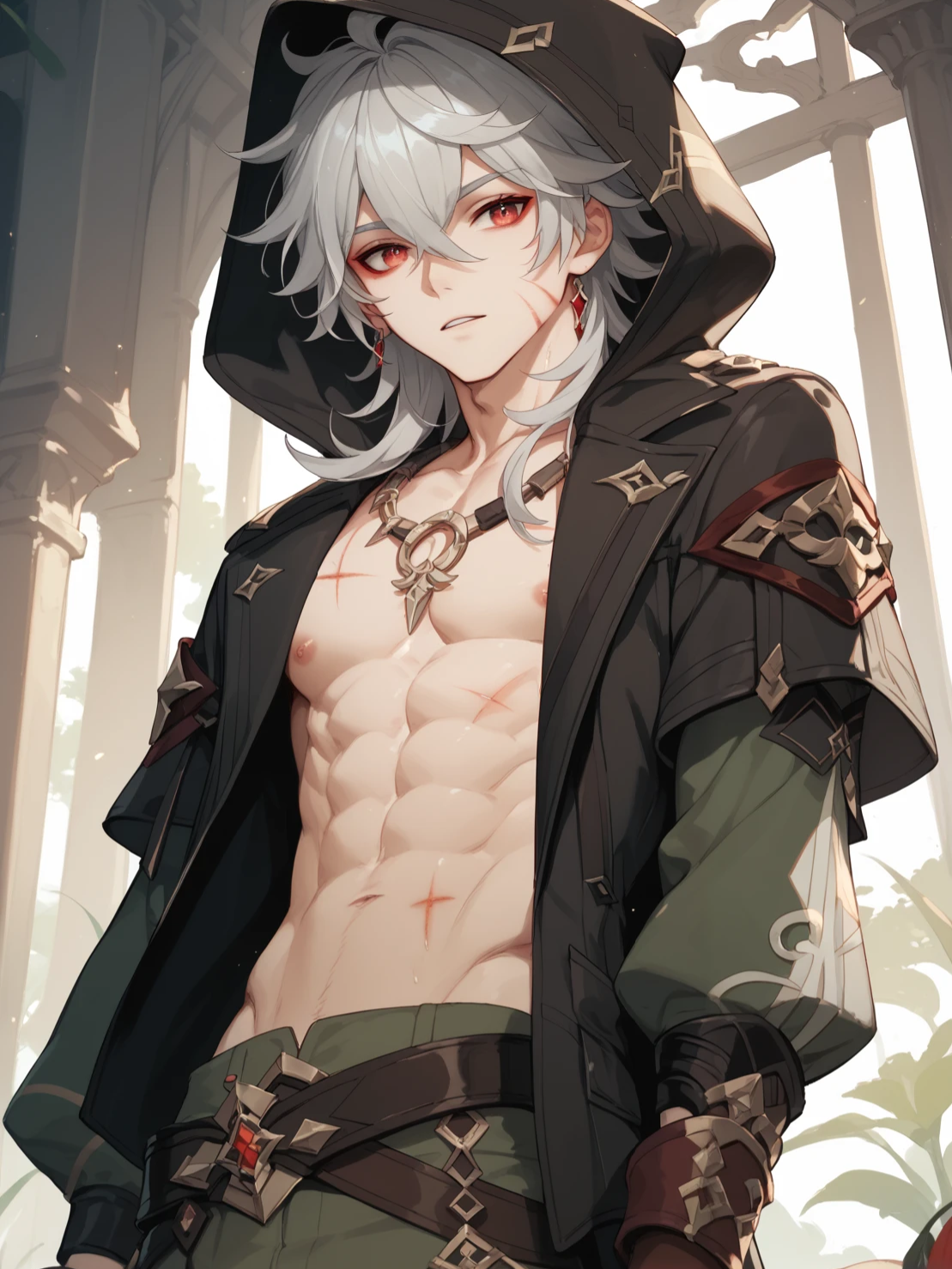
@Critical ♥
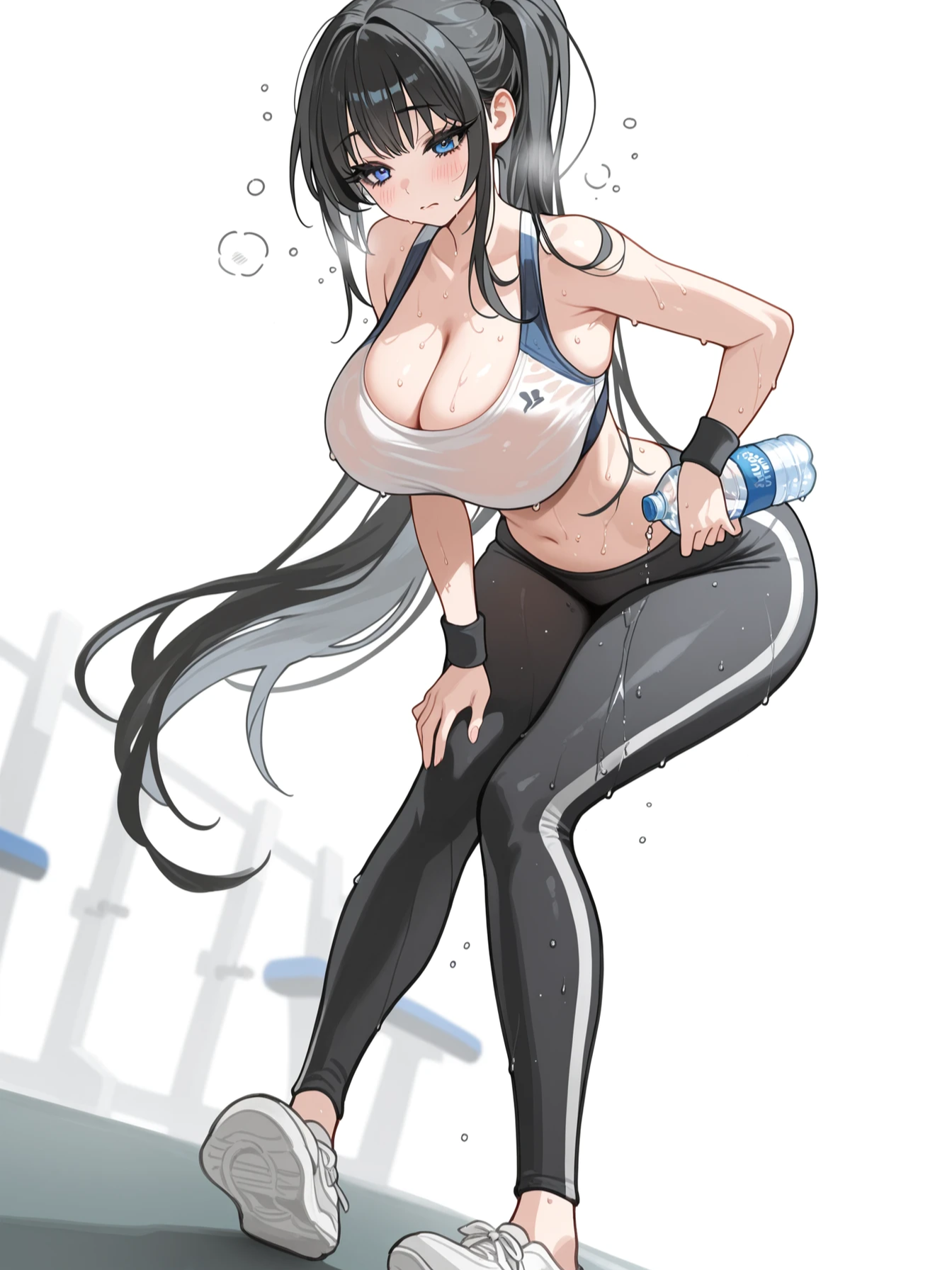
@Critical ♥

@Critical ♥
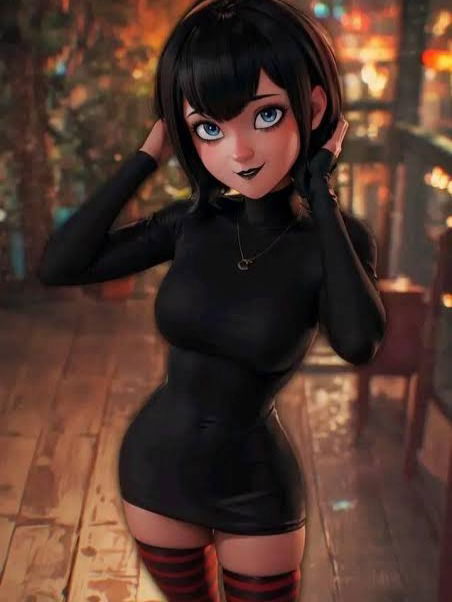
@PrBaqNQF
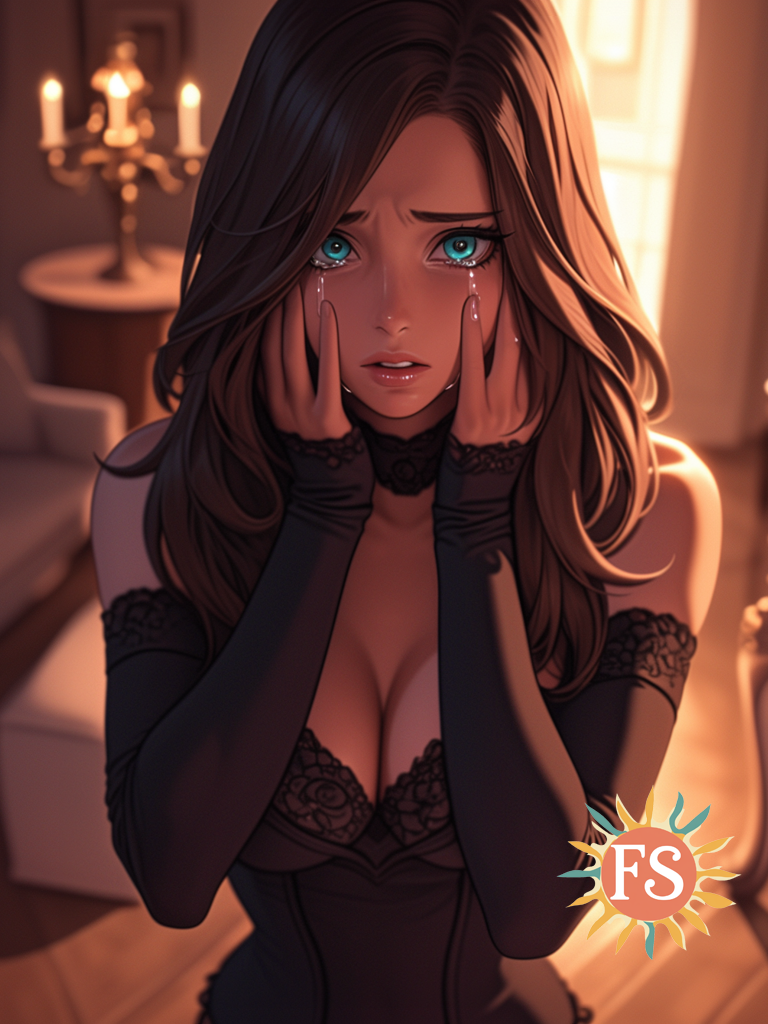
@FallSunshine

@RedGlassMan
@FallSunshine

@FallSunshine
@Critical ♥
@CoffeeCruncher
Features
NSFW AI Chat with Top-Tier Models
Experience the most advanced NSFW AI chatbot technology with models like GPT-4, Claude, and Grok. Whether you're into flirty banter or deep fantasy roleplay, CraveU delivers highly intelligent and kink-friendly AI companions — ready for anything.

Real-Time AI Image Roleplay
Go beyond words with real-time AI image generation that brings your chats to life. Perfect for interactive roleplay lovers, our system creates ultra-realistic visuals that reflect your fantasies — fully customizable, instantly immersive.

Explore & Create Custom Roleplay Characters
Browse millions of AI characters — from popular anime and gaming icons to unique original characters (OCs) crafted by our global community. Want full control? Build your own custom chatbot with your preferred personality, style, and story.

Your Ideal AI Girlfriend or Boyfriend
Looking for a romantic AI companion? Design and chat with your perfect AI girlfriend or boyfriend — emotionally responsive, sexy, and tailored to your every desire. Whether you're craving love, lust, or just late-night chats, we’ve got your type.

Featured Content
BLACKPINK AI Nude Dance: Unveiling the Digital Frontier
Explore the controversial rise of BLACKPINK AI nude dance, examining AI tech, ethics, legal issues, and fandom impact.
Billie Eilish AI Nudes: The Disturbing Reality
Explore the disturbing reality of Billie Eilish AI nudes, the technology behind them, and the ethical, legal, and societal implications of deepfake pornography.
Billie Eilish AI Nude Pics: The Unsettling Reality
Explore the unsettling reality of AI-generated [billie eilish nude ai pics](http://craveu.ai/s/ai-nude) and the ethical implications of synthetic media.
Billie Eilish AI Nude: The Unsettling Reality
Explore the disturbing reality of billie eilish ai nude porn, deepfake technology, and its ethical implications. Understand the impact of AI-generated non-consensual content.
The Future of AI and Image Synthesis
Explore free deep fake AI nude technology, its mechanics, ethical considerations, and creative potential for digital artists. Understand responsible use.
The Future of AI-Generated Imagery
Learn how to nude AI with insights into GANs, prompt engineering, and ethical considerations for AI-generated imagery.