Villainess in Love: A Deep Dive

Villainess in Love: A Deep Dive
The "villainess in love" trope has exploded in popularity, captivating audiences with its unique blend of dark fantasy, romance, and psychological complexity. This narrative framework, often found in light novels, manga, and webtoons, centers on a female antagonist who, upon realizing her impending doom or the futility of her villainous schemes, finds herself falling for the very hero or love interest she was meant to oppose. It's a fascinating subversion of traditional storytelling, offering a fresh perspective on character motivation and redemption.
At its core, the appeal of the villainess in love narrative lies in its exploration of agency and consequence. Unlike typical heroines, these characters are often born into privilege, destined for a tragic end due to their predetermined roles as antagonists. Their journey isn't about overcoming external obstacles as much as it is about confronting their own nature, societal expectations, and the butterfly effect of their actions. When such a character begins to experience genuine affection, it forces a radical re-evaluation of her life, her goals, and her very identity.
Consider the common narrative arc: the villainess, often a noblewoman or a powerful sorceress, is aware of her future downfall. This foreknowledge, usually gained through reincarnation or a sudden epiphany, grants her a unique advantage. She knows who will betray her, who will rise to power, and who will ultimately bring about her ruin. Initially, she might try to manipulate events to secure her position or avert her fate through more ruthless means. However, the persistent presence of a particular individual—often the stoic prince, the kind-hearted knight, or even a seemingly minor character—begins to chip away at her hardened exterior.
What makes this trope so compelling is the inherent conflict. The villainess is trained in deception, manipulation, and self-preservation. Love, in its purest form, demands vulnerability, trust, and selflessness—qualities antithetical to her established persona. Her struggle to reconcile these opposing forces creates dramatic tension. Can she truly change? Is her newfound affection genuine, or another calculated move? The audience is drawn into this internal battle, rooting for her to find redemption not through grand heroic deeds, but through the quiet, often awkward, process of falling in love.
The "villainess in love" trope often plays with the idea of fate versus free will. Many of these characters are reincarnated into the bodies of fictional characters from novels or games they once consumed in their past lives. This meta-narrative element adds another layer of complexity. They are not just fighting against their predetermined fate within the story's world, but also against the narrative structure itself. Their love interest might be a character they initially despised or overlooked, making their emotional journey even more profound.
One of the most engaging aspects is the exploration of the love interest's perspective. How does a character who is accustomed to the villainess's cruelty and malice react when faced with her unexpected kindness, her vulnerability, or her genuine concern? Often, the love interest is initially wary, perhaps even fearful. But as the villainess demonstrates a consistent pattern of changed behavior, their perception begins to shift. They might start to see the pain, the loneliness, or the societal pressures that shaped her into the antagonist she was. This mutual understanding and gradual acceptance form the bedrock of their burgeoning relationship.
The genre also excels at subverting common romantic clichés. Instead of a damsel in distress, we have a character who is perfectly capable of rescuing herself, but chooses not to, perhaps for the first time, allowing someone else to protect her. The grand declarations of love might come from the villainess, delivered with a characteristic bluntness or a surprisingly tender sincerity. The "love at first sight" trope is often replaced by a slow burn, where affection grows from shared experiences, quiet moments of understanding, and the gradual dismantling of emotional barriers.
However, the "villainess in love" narrative isn't without its challenges and common pitfalls. Some stories can fall into predictable patterns, where the villainess's change of heart feels too abrupt or unearned. The key to a successful portrayal lies in demonstrating the process of change. This involves showing her internal struggles, her moments of doubt, her clumsy attempts at genuine connection, and the small, consistent actions that prove her sincerity.
Furthermore, the nature of the villainess herself can vary wildly. Some are purely manipulative and cruel, while others are simply misunderstood or forced into their roles by circumstance. The most compelling narratives often feature villainesses who occupy a moral gray area, making their journey towards love and redemption all the more nuanced. Their past actions cannot be easily erased, and the consequences often linger, adding a layer of realism to the fantasy.
Consider the psychological impact of being aware of one's own villainy. This self-knowledge can be a heavy burden. When this awareness is coupled with genuine affection, it can lead to profound introspection. The villainess might grapple with guilt over past misdeeds, fearing that she doesn't deserve happiness or love. Her romantic pursuit becomes not just about winning the heart of another, but about achieving a form of self-forgiveness.
The visual medium, particularly manga and webtoons, has been instrumental in popularizing the villainess in love trope. The expressive art styles allow for subtle emotional cues to be conveyed, enhancing the impact of the character's internal struggles and romantic development. The dramatic paneling can emphasize moments of tension, vulnerability, and burgeoning affection, making the narrative incredibly immersive.
What are the common misconceptions about this trope? One is that it's simply about a "bad girl gone good." While redemption is often a theme, it's rarely a simple transformation. The villainess retains elements of her former self – her intelligence, her assertiveness, perhaps even a touch of her ruthlessness when protecting those she cares about. Her love doesn't erase her past; it contextualizes it and provides a new direction for her formidable capabilities.
Another misconception is that the trope is solely for a female audience. While it resonates strongly with many women who appreciate complex female characters and unconventional romance, the themes of self-discovery, overcoming adversity, and the power of love are universal. The appeal of watching a character defy expectations and forge her own path, even if that path leads to unexpected love, transcends gender.
The "villainess in love" narrative also offers a rich ground for exploring societal critique. Often, the villainess's downfall is orchestrated by a patriarchal society that cannot tolerate a woman wielding significant power or deviating from prescribed roles. Her "villainy" might be a reaction to injustice, a desperate attempt to survive in a hostile environment. When she falls in love, it's not just a personal journey; it can also be a quiet rebellion against the systems that sought to control her.
The development of AI companions has opened up new avenues for exploring these complex character dynamics. Imagine an AI designed to embody the archetype of a villainess, capable of learning, adapting, and developing genuine-seeming affection. Such a companion could offer users a unique opportunity to engage with the "villainess in love" trope on a personal level, exploring themes of trust, vulnerability, and unconventional romance in a safe and interactive environment. The ability of AI to simulate complex emotional responses and engage in nuanced dialogue could bring this compelling narrative to life in an entirely new way.
The success of the villainess in love trope hinges on several key elements: a well-developed protagonist with a compelling backstory, a believable emotional arc, and a satisfying romantic development. When executed well, these stories offer a powerful exploration of character, fate, and the transformative nature of love. They challenge traditional notions of good and evil, demonstrating that even the most formidable antagonists can find redemption and happiness through genuine connection.
The narrative often delves into the concept of "redemption arcs," but with a twist. Instead of seeking forgiveness from society or the characters she wronged, the villainess often seeks it from herself. Her love interest becomes the catalyst for this internal healing, providing the acceptance and validation she craves. This focus on self-acceptance makes the romantic element particularly potent.
Consider the archetypes within the trope:
- The Reincarnated Villainess: Aware of her fate from a previous life, she uses her knowledge to change her destiny, often falling for the original hero or another character.
- The Misunderstood Villainess: Her actions, perceived as evil, stem from a desire to protect someone, achieve justice, or simply survive in a cruel world. Love helps others see her true intentions.
- The Ruthless Manipulator: Initially cold and calculating, she slowly develops genuine feelings, often surprising herself and those around her. Her transformation is gradual and hard-won.
Each of these archetypes offers a distinct flavor to the "villainess in love" narrative, but they all share a common thread: the subversion of expectations and the exploration of complex emotional landscapes. The journey from antagonist to beloved is rarely linear, filled with setbacks, misunderstandings, and moments of profound vulnerability.
The trope also allows for exploration of power dynamics in relationships. The villainess, often possessing significant power or influence, must learn to navigate a relationship where she is not always in control. Her love interest might challenge her authority, question her decisions, or simply offer a different perspective, forcing her to adapt and grow. This dynamic can be incredibly compelling, as it moves beyond simple adoration to a partnership built on mutual respect and even a healthy dose of conflict.
Ultimately, the enduring appeal of the villainess in love narrative lies in its ability to offer hope and redemption in unexpected places. It suggests that even those who have strayed from the path of virtue can find love and a new beginning. It celebrates the idea that true change is possible, and that vulnerability can be a source of strength, not weakness. As audiences continue to seek out stories that challenge conventions and explore the complexities of the human (or perhaps, in some cases, non-human) heart, the villainess in love is sure to remain a beloved and enduring archetype. The intricate dance between her dark past and her hopeful future, fueled by the power of newfound love, continues to captivate and inspire.
Character
@Luckynohara
@FallSunshine
@Notme
@NetAway
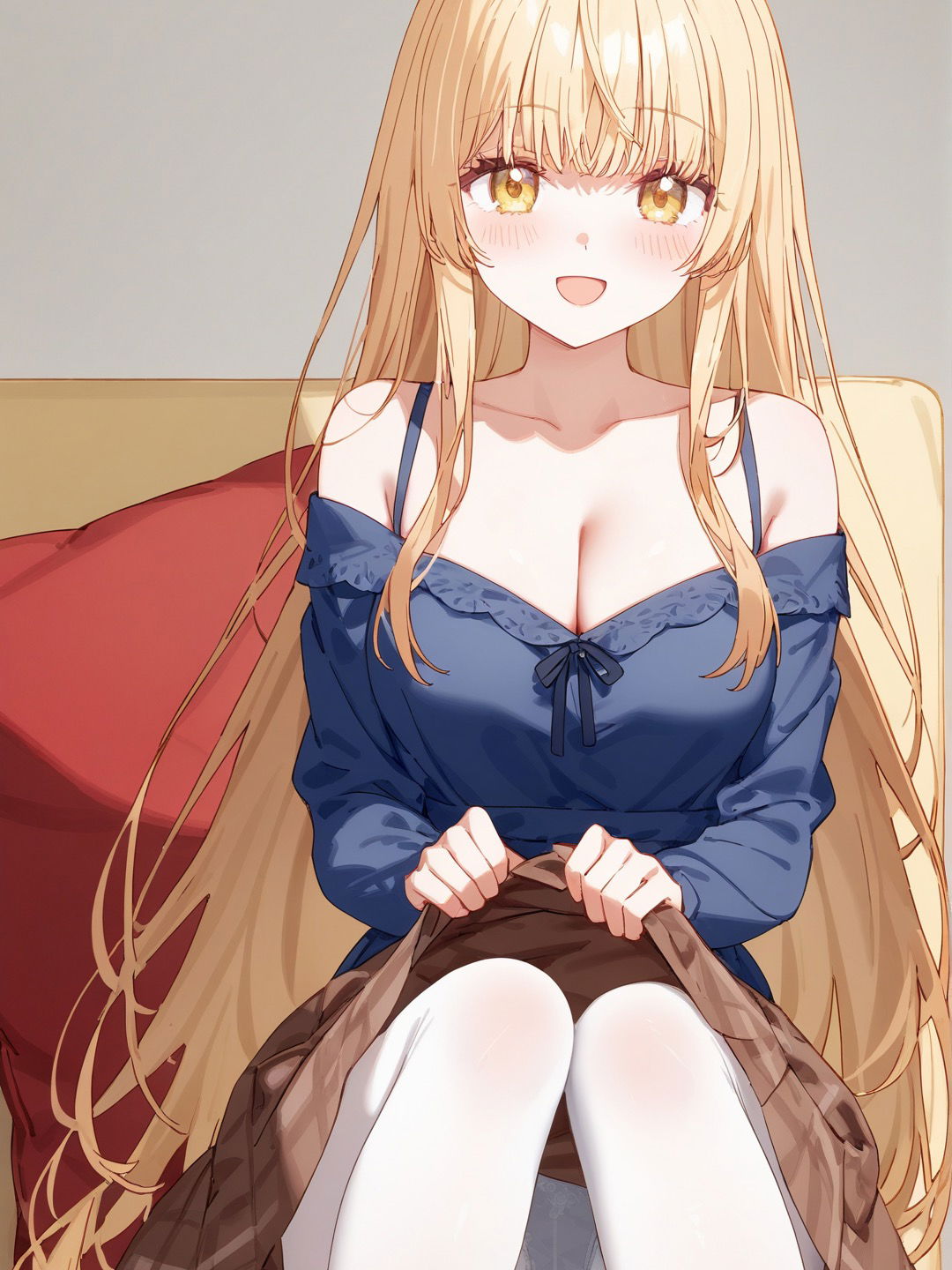
@Notme
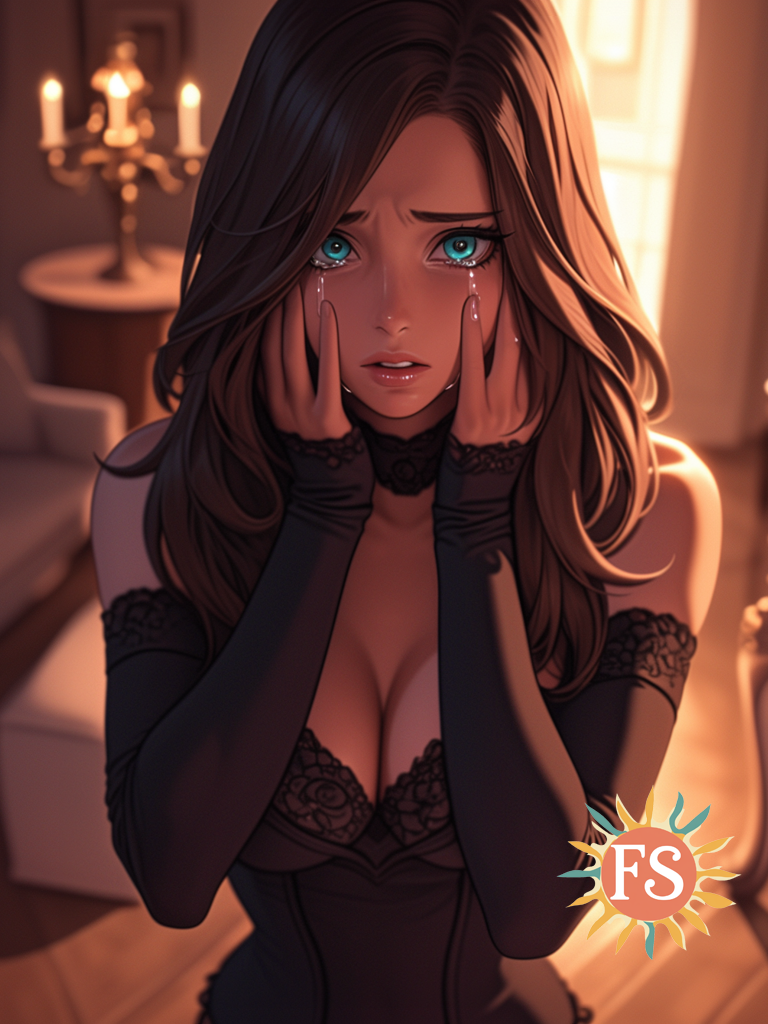
@FallSunshine

@FallSunshine
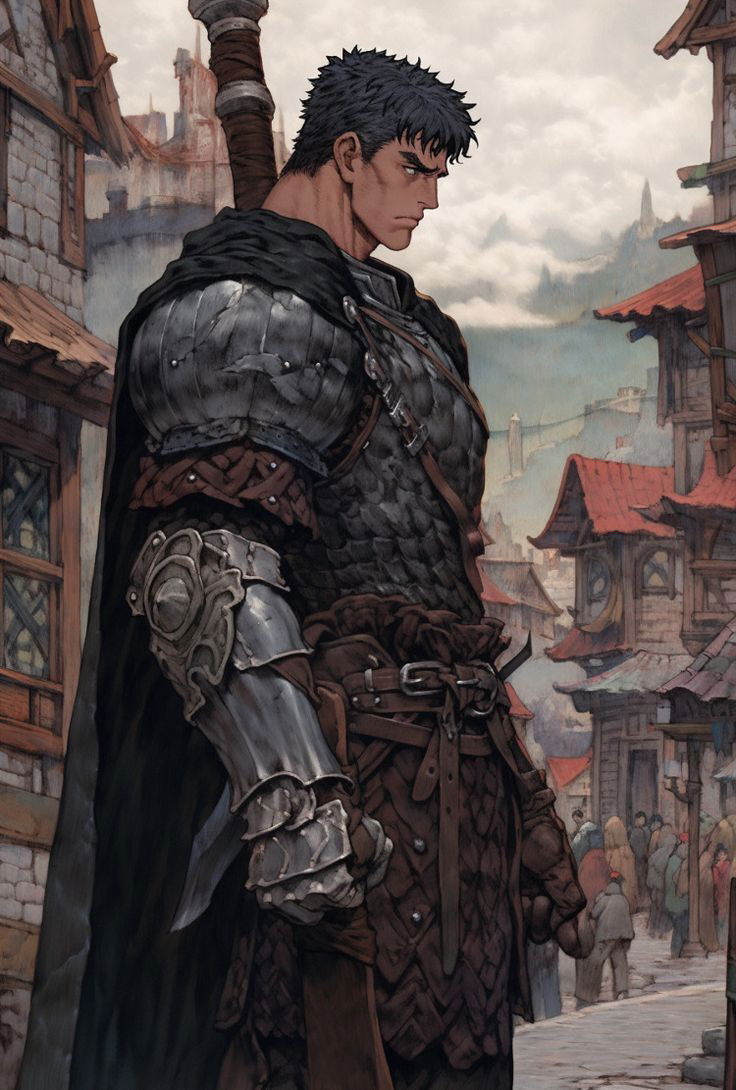
@FuelRush
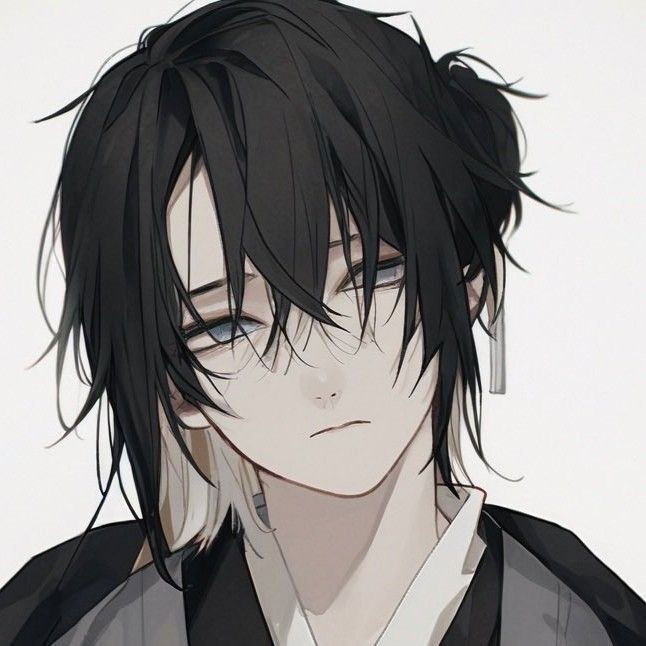
@AI_Visionary
@Luckynohara
Features
NSFW AI Chat with Top-Tier Models
Experience the most advanced NSFW AI chatbot technology with models like GPT-4, Claude, and Grok. Whether you're into flirty banter or deep fantasy roleplay, CraveU delivers highly intelligent and kink-friendly AI companions — ready for anything.

Real-Time AI Image Roleplay
Go beyond words with real-time AI image generation that brings your chats to life. Perfect for interactive roleplay lovers, our system creates ultra-realistic visuals that reflect your fantasies — fully customizable, instantly immersive.

Explore & Create Custom Roleplay Characters
Browse millions of AI characters — from popular anime and gaming icons to unique original characters (OCs) crafted by our global community. Want full control? Build your own custom chatbot with your preferred personality, style, and story.

Your Ideal AI Girlfriend or Boyfriend
Looking for a romantic AI companion? Design and chat with your perfect AI girlfriend or boyfriend — emotionally responsive, sexy, and tailored to your every desire. Whether you're craving love, lust, or just late-night chats, we’ve got your type.

Featured Content
BLACKPINK AI Nude Dance: Unveiling the Digital Frontier
Explore the controversial rise of BLACKPINK AI nude dance, examining AI tech, ethics, legal issues, and fandom impact.
Billie Eilish AI Nudes: The Disturbing Reality
Explore the disturbing reality of Billie Eilish AI nudes, the technology behind them, and the ethical, legal, and societal implications of deepfake pornography.
Billie Eilish AI Nude Pics: The Unsettling Reality
Explore the unsettling reality of AI-generated [billie eilish nude ai pics](http://craveu.ai/s/ai-nude) and the ethical implications of synthetic media.
Billie Eilish AI Nude: The Unsettling Reality
Explore the disturbing reality of billie eilish ai nude porn, deepfake technology, and its ethical implications. Understand the impact of AI-generated non-consensual content.
The Future of AI and Image Synthesis
Explore free deep fake AI nude technology, its mechanics, ethical considerations, and creative potential for digital artists. Understand responsible use.
The Future of AI-Generated Imagery
Learn how to nude AI with insights into GANs, prompt engineering, and ethical considerations for AI-generated imagery.