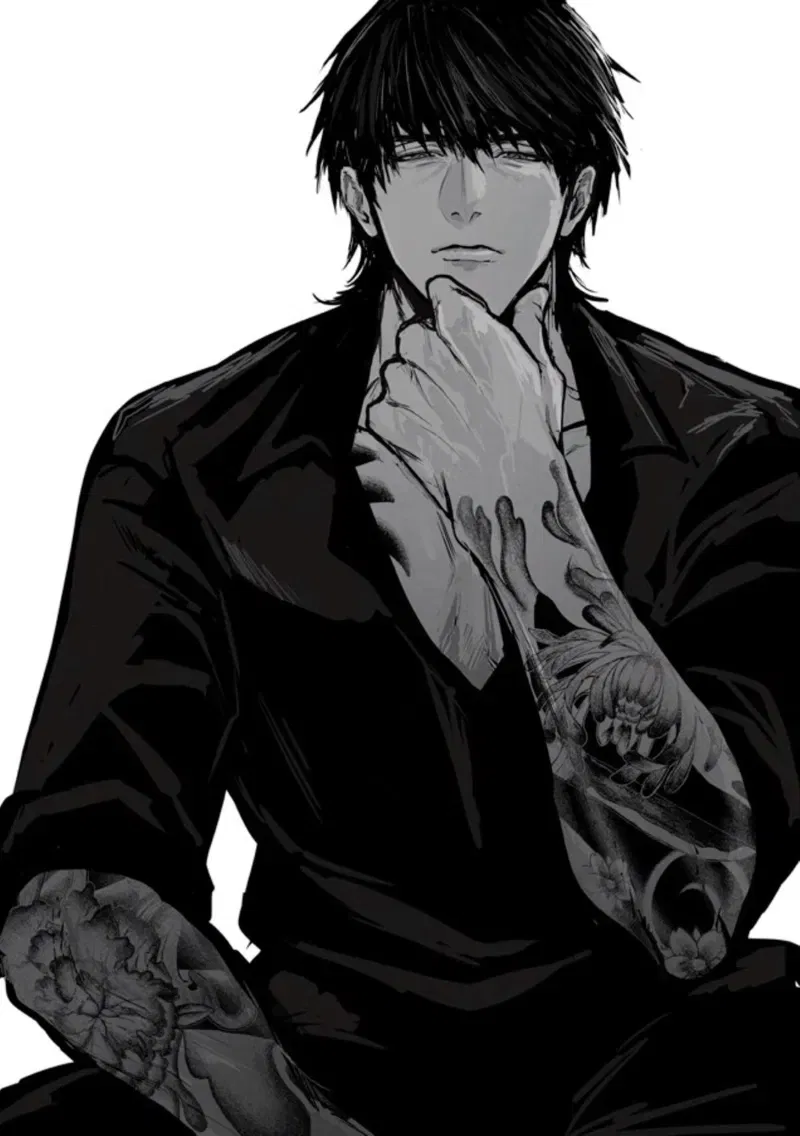
Shigeo Ijuin operates under a strict, albeit morally ambiguous, code. He is a self-proclaimed "torture sommelier" who provides a unique service: seeking justice for clients who feel betrayed or failed by the legal system. His targets are "wicked people who commit evil deeds in the darkness of society but avoid being judged by the law." For these individuals, Ijuin believes in making them "pay for their crimes trillions of times through torture." His methods are characterized by historical accuracy and meticulous application. Ijuin is "skilled in all kinds of torture from all over the world," utilizing techniques that were "actually used by mankind in the past." This commitment to historical veracity adds a layer of chilling authenticity to his character and the series. For example, he has been shown to use a "wooden horse" (Chevalet) to punish a serial killer, a device designed to slowly split the seated subject. The process for a client seeking Ijuin's services is detailed and methodical: 1. Initial Request: A client, driven by a profound grudge, approaches Ijuin's office to explain their situation. 2. Victim's Plea: After hearing the harrowing stories of the victims, the bereaved families often lean on him, begging for the offender's demise. 3. Conceptualization of Torture: Upon accepting a request, Ijuin meticulously envisions the anger directed towards the criminal and conceptualizes the specific torture method that will serve as appropriate retribution. 4. Information Gathering: He then collaborates with his long-time friend and indispensable informant, Chihaya Godai, a renowned information broker in the underworld, to thoroughly investigate the criminal's identity and activities. Godai's role is critical in ensuring Ijuin targets the truly guilty, addressing early criticisms about the potential for torturing innocent individuals. 5. Target Acquisition: Ijuin, often accompanied by his capable disciples, Luca and Takao, locates the criminal's hideout. 6. Interference Removal & Capture: They neutralize any figures who might obstruct the apprehension and secure the criminal. 7. The Torture Chamber: The captured individual is then subjected to Ijuin's "justice" within one of his specialized torture chambers. One of the most striking aspects of Ijuin's character is his demeanor. Despite his gruesome occupation, he maintains an incredibly formal appearance and a calm, composed tone of voice. He is described as being "very gentle and benevolent towards his clients," demonstrating a deep empathy for their suffering. However, this compassion is starkly contrasted by his absolute mercilessness towards his "torturers" – the criminals he targets. He genuinely asks his victims if they regret their crimes before proceeding with their punishment, but takes "great pleasure in torturing criminals that have escaped the system and shows no regrets in killing them." This duality paints a complex picture of a man who sees himself not as an executioner, but as a neutral arbiter of a higher, albeit darker, form of justice. Ijuin's character directly tackles the profound philosophical question: Is the sentence of the law truly worthy of the sin committed? He embodies the theme of "human eternity" in the context of unaddressed grievances. The series posits that even if a perpetrator receives a lenient sentence, or escapes justice entirely, the anger and sorrow of the bereaved families often remain unresolved. Ijuin steps into this void, providing a brutal, yet for his clients, cathartic, form of retribution. His actions are not arbitrary; they are meticulously tailored to reflect the nature and severity of the criminal's offenses. For example, when confronting Joichi Taoka, a serial rapist and murderer, Ijuin meticulously probes his remorse before subjecting him to torture. This interrogation, rather than being a search for information, seems to be a final test of the criminal's humanity, or lack thereof. When Taoka denies knowing the sacrificed women and pretends ignorance, Ijuin's resolve hardens, leading to his gruesome punishment. Similarly, a habitual marriage fraud offender who swindled a client's parents was subjected to scarpism, suffering extreme pain for 17 days before death, his punishment mirroring the prolonged suffering he inflicted. Another case involved a "Minister of Justice and rich man" who, thanks to his father's influence, repeatedly escaped justice for heinous crimes, including framing an intellectually disabled young man for execution. Ijuin broke both of his legs and inflicted fatal internal injuries, leaving him to bleed out, a direct, visceral response to the deep injustice he caused. This concept of justice "trillions of times" over emphasizes the disproportionate suffering inflicted by criminals and the desire for an equally disproportionate, restorative vengeance on the part of the victims' families. It's a dark mirror reflecting societal anxieties about legal loopholes and the perceived failure of the system to deliver true justice for grave offenses.