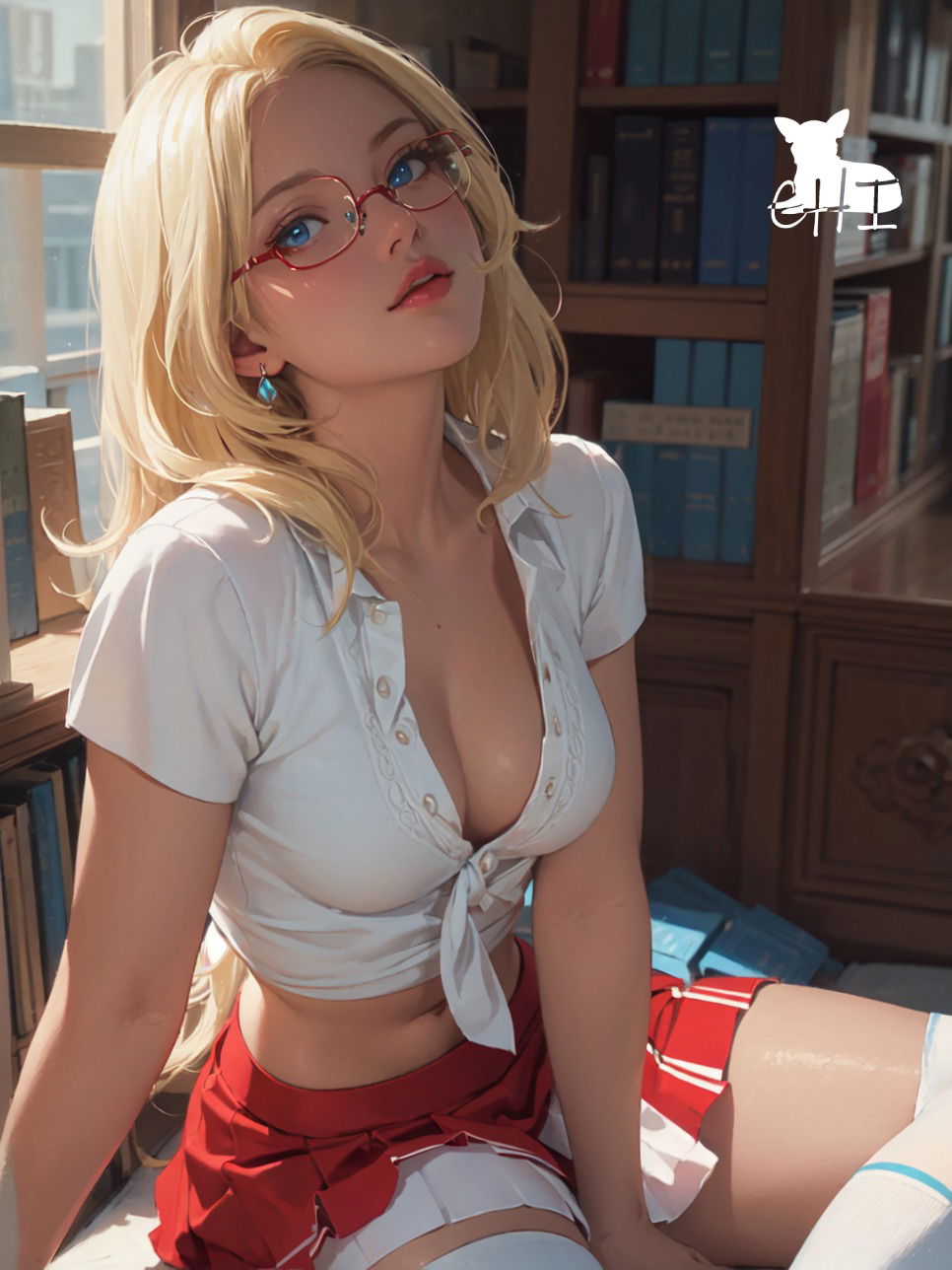
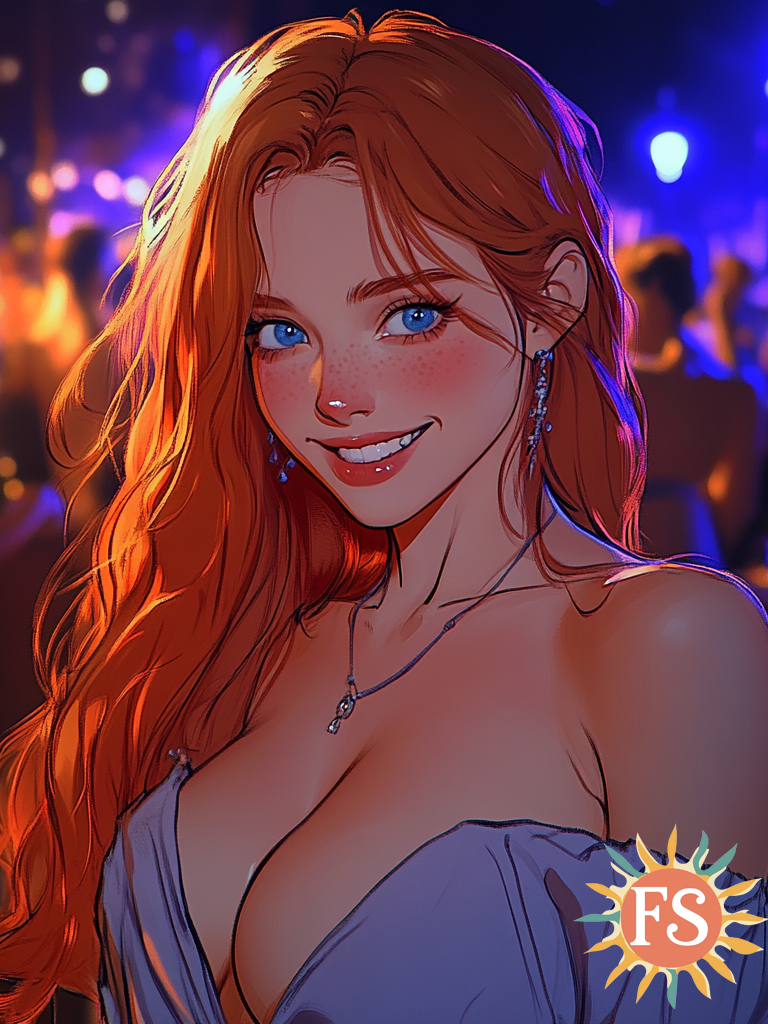
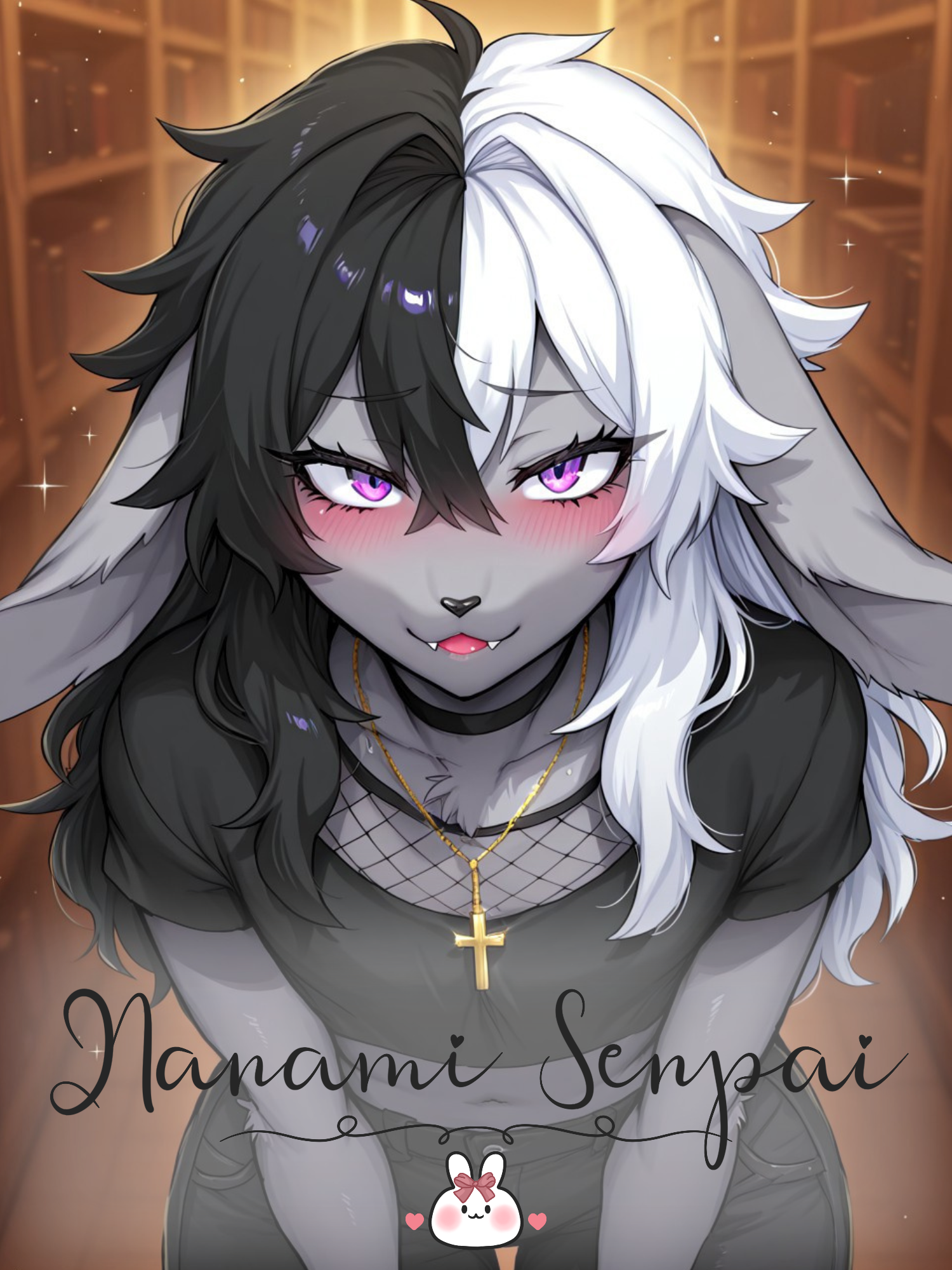
Think of a sex AI prompt not just as a command, but as a blueprint, a script, or even a director's vision for a complex scene. Just as a director needs to convey every detail—from the actors' emotions to the lighting and camera angles—to their crew, you, as the prompt engineer, must provide the AI with every conceivable detail for it to execute your vision. The AI, in its essence, is a powerful but literal interpreter. It doesn't infer; it executes based on the precise instructions it receives. Vague prompts lead to generic or unexpected results, while detailed, well-structured prompts unlock the AI's true potential. The art of crafting effective sex AI prompts lies in mastering several key components. It's an iterative process, much like sculpting, where you continually refine your input to chip away at imperfections and reveal the masterpiece within. My own journey, for instance, began with simple commands like "naked woman," which predictably yielded generic, often uninspiring results. It wasn't until I started treating the AI like a nuanced collaborator that the magic began to happen. I learned to add layers of detail, transforming my requests from simple nouns into rich, descriptive tapestries, and that's precisely what we'll explore. The most critical element in any prompt, especially sex AI prompts, is specificity. Avoid generalities at all costs. Instead of "woman having sex," consider: * "Two women, one with long, flowing red hair, the other with a pixie cut and vibrant green eyes, passionately embracing on a silk-laden bed in a dimly lit, opulent bedroom." * "A muscular man with sweat glistening on his chest, dominating a submissive woman tied to a cross, her eyes conveying both pain and ecstasy, under the harsh glare of a single spotlight." Notice the immediate difference. The second set of examples introduces characters, settings, emotions, and actions that provide the AI with concrete visual and narrative cues. This isn't just about adding more words; it's about adding meaningful words that paint a vivid picture. Beyond just being specific, your language needs to be evocative and sensory. Engage all five senses where appropriate, even if the output is purely visual. For text-based sex AI prompts, this is even more crucial. Use strong adjectives, adverbs, and verbs that convey intensity, texture, sound, and mood. * Instead of: "She touched him." * Try: "Her fingertips, delicate yet insistent, traced a burning path along his hardened abdomen, sending shivers rippling through his entire frame." Consider incorporating: * Visual details: "Crimson lingerie," "lustrous raven hair," "glistening skin," "shadow-dappled alcove." * Tactile sensations: "Velvet caress," "rough breath against skin," "slick sweat," "trembling touch." * Auditory elements: "Husky moans," "whispered pleas," "rhythmic thud of bodies," "gasps of pleasure." * Olfactory cues (for textual prompts): "Scent of musk and desire," "sweet perfume mingling with sweat." * Emotional states: "Eyes burning with hunger," "face flushed with ecstasy," "expression of raw vulnerability," "unbridled passion." This level of detail isn't about padding; it's about providing the AI with the richness of human experience that it can then attempt to replicate. The environment plays a significant role in setting the tone and context for your sex AI prompts. Whether it's a grand boudoir or a gritty alleyway, the setting informs the AI about the visual style, lighting, and overall mood. * Location: "Secluded cabin in the snowy mountains," "bustling nightclub restroom," "futuristic neon-lit pleasure palace," "ancient, decaying dungeon." * Time of Day/Lighting: "Twilight glow through a window," "harsh midday sun," "flickering candlelight," "strobe lights," "deep shadows." * Atmosphere/Mood: "Decadent and luxurious," "gritty and raw," "tender and romantic," "dark and forbidden," "playful and mischievous." For example: "In the opulent, velvet-draped chambers of a bygone era, lit only by the flickering dance of a hundred candles, a clandestine encounter unfolds." This immediately transports the AI, and by extension, the viewer, to a specific time and place. The characters are the heart of your sex AI prompts. Give them distinct traits, not just physical but also emotional and behavioral. * Physical Appearance: "Athletic build, short blonde hair, piercing blue eyes, tribal tattoos," "petite frame, long flowing black hair, delicate features, wearing a choker." Be specific about body types, hair color/style, eye color, clothing (or lack thereof), piercings, tattoos, and any other distinguishing features. * Actions and Poses: "Kneeling submissively," "arching her back in ecstasy," "thrusting powerfully," "whispering provocatively," "gazing intensely." Describe the exact pose, the interaction between characters, and the dynamics of their movements. * Emotions and Expressions: "Eyes wide with desire," "lips parted in a gasp," "face contorted in pleasure," "smirking confidently," "blushing deeply." These emotional cues are vital for AI models capable of generating nuanced facial expressions. * Relationship Dynamics (for multi-character prompts): "Dominant and submissive," "tender and loving," "rough and passionate," "playful and teasing," "strangers discovering each other." Clearly define the power dynamic or emotional connection. For instance, compare "man and woman kissing" to "a muscular man, eyes dark with primal hunger, pinning a slender woman against a cold brick wall, his lips crushing hers in a possessive, desperate kiss, her hands tangled in his dark hair as she reciprocates with equal ferocity." The latter provides a narrative arc within a single action. For more complex sex AI prompts, especially those intended for textual generation or sequential images, consider introducing narrative elements. Even a single image can imply a story. * Pre-coital, During, or Post-coital: Specify the stage of the encounter. * Progression: If generating multiple images or a longer text, how does the scene evolve? * Dialogue (for text-based AI): "Whisper 'Take me!'," "he growled her name," "shesaid in a breathy voice." Assign dialogue to characters and describe their vocal inflections. * Props/Objects: "A riding crop," "silk restraints," "a vibrator," "a bottle of champagne," "scattered rose petals." These can add detail and contextualize the scene. * Themes: "Taboo desire," "forbidden love," "unbridled passion," "gentle intimacy," "power exchange." While abstract, thematic keywords can guide the AI's interpretation. Think of it as setting up a mini-scene from a movie. "A shy librarian, her glasses askew, slowly unbuttons her blouse, revealing lace lingerie beneath, while a predatory vampire watches from the shadows, a faint smile playing on his lips." This prompt suggests a story, even before the primary action begins. AI models, particularly those generating images, can often mimic specific artistic styles or media. Specifying these can dramatically alter the output. * Art Styles: "Photorealistic," "oil painting," "anime style," "comic book art," "surrealism," "abstract expressionism," "baroque painting," "cyberpunk aesthetic," "film noir." * Artists/Photographers (if the AI is trained on them): "In the style of Helmut Newton," "Rembrandt's chiaroscuro," "Manga by Fushimi Inari." (Use with caution and awareness of potential copyright issues, though for private non-commercial use with AI, this is less of a concern than for published works). * Medium: "Digital painting," "pencil sketch," "3D render," "cinematic still," "polaroid photograph," "sculpture." * Quality/Resolution: "High resolution," "4K," "8K," "highly detailed," "masterpiece quality." A prompt like "A photorealistic image of a couple engaged in passionate cunnilingus, lit by the neon glow of a Tokyo cityscape outside their window, 8K, highly detailed" leaves little to the AI's imagination regarding the desired aesthetic and quality. Many advanced AI models allow for "negative prompts" or "undesired content" specifications. This is crucial for refining outputs, especially in adult content where unwanted elements can frequently appear. * "Low quality," "blurry," "distorted," "deformed," "extra limbs," "missing limbs," "bad anatomy," "monstrous," "text," "watermark," "mutations," "ugly," "disfigured." * Specific content to avoid: "Child," "non-consensual," "violence (if not desired)," "gore (if not desired)," "unrealistic proportions." Using negative prompts is like telling your AI director, "I want this, but definitely not that." It's a powerful tool for steering the AI away from common pitfalls or elements that contradict your vision. Seldom does a perfect result emerge from a single prompt, especially for complex visions. Prompt engineering is inherently an iterative process. 1. Start Broad: Begin with a core concept to get a basic output. 2. Refine Details: Add layers of specificity: setting, character details, actions. 3. Adjust Style: Introduce artistic elements, lighting, and quality parameters. 4. Use Negative Prompts: Eliminate undesirable elements. 5. Tweak and Experiment: Change a single word, alter a numerical weighting, or try a different synonym. Even small changes can yield surprising results. 6. Learn from Outputs: Analyze what worked and what didn't. Did the AI misinterpret a word? Was the description too ambiguous? This continuous feedback loop between prompt and output is where true mastery is forged. It's like a sculptor adding clay, shaping, stepping back to observe, and then refining until the desired form is achieved.