CraveU

The Profound Impact of Sayori's Fate in DDLC

Explore the profound impact of Sayori's death in Doki Doki Literature Club, a pivotal moment redefining psychological horror. (130-140 characters max)
Start Now
craveu cover image

The Sunny Demeanor Masking Deep Sadness

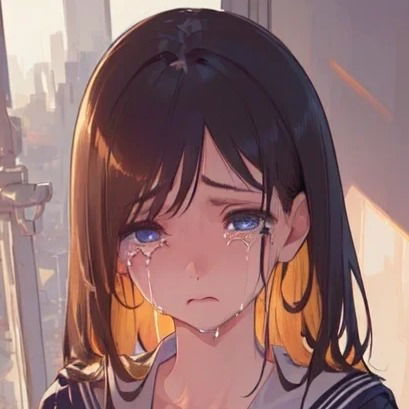
Before the game’s dramatic turn, Sayori is introduced as the protagonist's cheerful, somewhat clumsy childhood friend and the vice president of the Literature Club. She's depicted as a ray of sunshine, always trying to keep everyone happy and lighten the mood. Her poetry, initially appearing whimsical, gradually hints at deeper struggles, becoming progressively darker and revealing hidden feelings of depression. She embodies the "Genki Girl" archetype, a seemingly upbeat and carefree character, but this jovial demeanor is a coping mechanism to hide her severe, deep-seated depression. Players are drawn to Sayori's warmth and selflessness. She cares deeply for others, often prioritizing their happiness over her own, even when she's struggling internally. This facade of cheerfulness, a classic example of "smiling depression," makes her eventual breakdown all the more devastating. She actively hides her struggles to avoid burdening her friends and the protagonist, a relatable trait for many who grapple with mental health challenges in real life. Her internal monologue reveals a deep void, describing her depression as a "buzzing in her head that drowns out all joy". This careful character development in Act 1 of DDLC is crucial; it builds player empathy and attachment, setting the stage for the unparalleled emotional impact of her subsequent fate.

The Unveiling: A Masterclass in Psychological Horror

The illusion of a typical dating sim shatters when Sayori confesses her long-standing depression to the protagonist. This conversation is a raw, emotional exposé where Sayori articulates her feelings of worthlessness and her belief that she drains others of their happiness. The player is given a choice to accept or reject her confession of love, a choice that, agonizingly, proves to be an illusion of control. Regardless of the player’s heartfelt attempts to help or console her, Sayori's condition worsens, leading to the game's first and most shocking "break". The scene itself is a stark, unforgettable moment. The screen cuts to black, focusing solely on the protagonist's thoughts, amplifying the sense of dread. Then, with a jarring visual and distorted music—a warped version of the familiar DDLC theme—the protagonist "gently opens the door" to Sayori's room, only to find her dead by suicide. The image of Sayori hanging is intentionally horrifying and disturbing, designed to be unsettling on a basic level. The game prolongs this uncomfortable visual, with a distorted error message appearing in the background, further disorienting the player. This sudden, visceral shift from lighthearted romance to graphic psychological horror is a deliberate subversion of player expectations, a core mechanism of DDLC's unique brand of terror. What follows is an immediate, unsettling reboot of the game. Sayori is effectively erased from the game world, her character file removed, and the other characters have no recollection of her existence. This meta-narrative element reveals Monika, the club president, as the orchestrator of these disturbing events. Monika, self-aware of her existence within the game, manipulates the code to enhance the other girls' negative traits and ultimately delete them, believing she can achieve a direct connection with the player. Her comments even foreshadow Sayori's death, hinting at her awareness and control. The game's files can even be directly accessed by the player, revealing that Sayori's character file has been physically removed from the game's directory, further blurring the lines between game and reality.

The Echo Chamber of Player Experience

The impact of Sayori’s death on players is profound and multifaceted. Many report feeling genuine grief, shock, and even a sense of personal responsibility, as if they had directly caused her demise. This emotional resonance is a testament to the game's effective character development and its ability to forge a deep connection between the player and Sayori. For some, the scene is so disturbing that it forces them to close the game or even uninstall it entirely, highlighting its intense psychological toll. It's a type of horror that preys on the player's sense of control and security, stripping it away to leave them feeling powerless and deeply uncomfortable. The game’s design deliberately leverages this vulnerability. The initial pleasant facade makes the horror elements introduced later far more disturbing and jarring. Players invest emotionally in the dating sim aspect, only to have their expectations brutally shattered. This sense of betrayal and helplessness is central to DDLC's psychological impact. One player described feeling "real grief," as if they "killed her myself, like she was real, like I knew her my whole life and she was gone." This reaction isn't an anomaly; it's a common thread among players who felt blindsided by the shift from a wholesome experience to one of stark despair.

Narrative Purpose: Beyond Shock Value

Sayori's death serves several critical narrative functions within Doki Doki Literature Club!: * Subversion of Expectations: The most immediate purpose is to completely dismantle the illusion of a typical dating sim. By introducing such a dark and unexpected event early on, the game signals its true genre: psychological horror. This ensures players understand that DDLC is not what it appears to be, pulling them into a meta-narrative where the rules of reality are fluid. * Introduction of Meta-Horror: Sayori's deletion and the subsequent glitching of the game directly reveal Monika's sentience and her manipulation of the game's code. This "breaking the fourth wall" element is the cornerstone of DDLC's unique horror, making the player feel directly implicated and trapped within the game's unfolding tragedy. * Exploration of Mental Health: Despite the fantastical elements, Sayori’s depiction of depression and her tragic end offer a poignant and, for many, surprisingly accurate portrayal of mental illness. The game highlights how mental struggles can be hidden behind a cheerful facade and how external factors (like Monika's tampering) can exacerbate underlying conditions. Creator Dan Salvato stated that Sayori's depression was inspired by real people in his life, aiming for accuracy in its depiction. This emphasis on real-world issues contributes to the game's unnerving realism. * Amplifying Monika's Character: Sayori's removal is the first clear demonstration of Monika's power and desperation. It establishes Monika as an antagonist willing to go to extreme lengths to achieve her goal of being with the player, making her later actions against Yuri and Natsuki even more chilling.

Community Reactions and Broader Discussions

Since its release in 2017, Sayori’s death has remained a highly discussed and analyzed moment in gaming history. Online communities, forums, and content creators have extensively explored the scene's emotional impact, psychological implications, and narrative brilliance. Many discussions revolve around the game's responsible portrayal of mental health, with some praising its ability to raise awareness and foster empathy for real-world struggles. The game even includes a disclaimer at the beginning, warning players about mature themes, including depression and suicide, a responsible choice by the developers. However, the raw and unsettling nature of the scene also sparked debate. Some critics have raised concerns about the use of suicide as a plot device, particularly in a game that initially masks its true genre. While the game is praised for avoiding typical horror jump scares, its psychological unsettling nature comes from stripping away player security and forcing them to confront difficult truths. The question of whether the game exploits mental illness for shock value or genuinely explores it remains a point of contention for some, though many agree that its intention is to shed light on such issues. The enduring legacy of Sayori's death is evident in countless fan theories, analyses, and artistic interpretations. Players often discuss their initial reactions, sharing how the scene caught them off guard and left a lasting impression. The phrase "I gently open the door" has become a chilling meme, instantly recognizable to those who have played the game, encapsulating the moment of horror. This shared experience fosters a sense of community among players who have navigated the game's emotional gauntlet.

Mental Health Representation: A Double-Edged Sword

DDLC's portrayal of Sayori's depression is often lauded for its accuracy, aligning with symptoms of Major Depressive Disorder, such as persistent sadness, feelings of worthlessness, and a loss of interest in activities. Her desire to protect others from her darkness and her internal struggle resonate deeply with players who have experienced similar feelings or know someone who has. The game effectively illustrates how individuals can mask profound suffering behind a cheerful facade, a phenomenon known as "smiling depression". However, the game's use of mental illness as a "twist" and its later narrative developments, where Monika directly manipulates the other characters' traits, have drawn some criticism. Some argue that by turning these struggles into literal "character traits" that can be altered by an antagonist, it risks trivializing the complexity of real-world mental illnesses. It's a fine line between using a sensitive topic for narrative impact and potentially misrepresenting it. Yet, the overwhelming consensus is that DDLC encourages empathy and opens dialogues about mental health, even if its methods are unconventional and jarring. The content warnings provided by Team Salvato before the game starts are crucial in setting expectations and allowing players to make informed decisions about engaging with such sensitive material.

The Unforgettable Legacy

Sayori's death is more than just a shocking moment; it's the catalyst that propels Doki Doki Literature Club! into the realm of truly groundbreaking psychological horror. It's the point of no return, where the pleasant facade irrevocably shatters, revealing the game's meta-narrative and its chilling antagonist, Monika. This scene ensures that players are not merely observers but active participants in a narrative that questions the very nature of their reality and agency within a fictional world. The game's success, even years after its initial release, is intrinsically linked to this audacious narrative choice. It cemented DDLC as a benchmark for how video games can explore complex themes, subvert genre expectations, and create deeply personal and disturbing experiences. The emotional scar left by Sayori's fate ensures that Doki Doki Literature Club! remains etched in the memories of players, prompting continued discussion and reflection on its powerful portrayal of mental health and the unsettling implications of a world where characters can become self-aware. As of 2025, the game continues to be recognized for its unique blend of cute aesthetics and profound psychological torment, a testament to the enduring impact of a scene that dared to break the mold and force players to truly "gently open the door" to a disturbing reality. keywords: sayori death url: sayori-death

Features

NSFW AI Chat with Top-Tier Models

Experience the most advanced NSFW AI chatbot technology with models like GPT-4, Claude, and Grok. Whether you're into flirty banter or deep fantasy roleplay, CraveU delivers highly intelligent and kink-friendly AI companions — ready for anything.

NSFW AI Chat with Top-Tier Models feature illustration

Real-Time AI Image Roleplay

Go beyond words with real-time AI image generation that brings your chats to life. Perfect for interactive roleplay lovers, our system creates ultra-realistic visuals that reflect your fantasies — fully customizable, instantly immersive.

Real-Time AI Image Roleplay feature illustration

Explore & Create Custom Roleplay Characters

Browse millions of AI characters — from popular anime and gaming icons to unique original characters (OCs) crafted by our global community. Want full control? Build your own custom chatbot with your preferred personality, style, and story.

Explore & Create Custom Roleplay Characters feature illustration

Your Ideal AI Girlfriend or Boyfriend

Looking for a romantic AI companion? Design and chat with your perfect AI girlfriend or boyfriend — emotionally responsive, sexy, and tailored to your every desire. Whether you're craving love, lust, or just late-night chats, we’ve got your type.

Your Ideal AI Girlfriend or Boyfriend feature illustration

FAQs

What makes CraveU AI different from other AI chat platforms?

CraveU stands out by combining real-time AI image generation with immersive roleplay chats. While most platforms offer just text, we bring your fantasies to life with visual scenes that match your conversations. Plus, we support top-tier models like GPT-4, Claude, Grok, and more — giving you the most realistic, responsive AI experience available.

What is SceneSnap?

SceneSnap is CraveU’s exclusive feature that generates images in real time based on your chat. Whether you're deep into a romantic story or a spicy fantasy, SceneSnap creates high-resolution visuals that match the moment. It's like watching your imagination unfold — making every roleplay session more vivid, personal, and unforgettable.

Are my chats secure and private?

Are my chats secure and private?
CraveU AI
Experience immersive NSFW AI chat with Craveu AI. Engage in raw, uncensored conversations and deep roleplay with no filters, no limits. Your story, your rules.
© 2025 CraveU AI All Rights Reserved