Living with Ear Rumbling

Ear Rumbling: Causes and Solutions
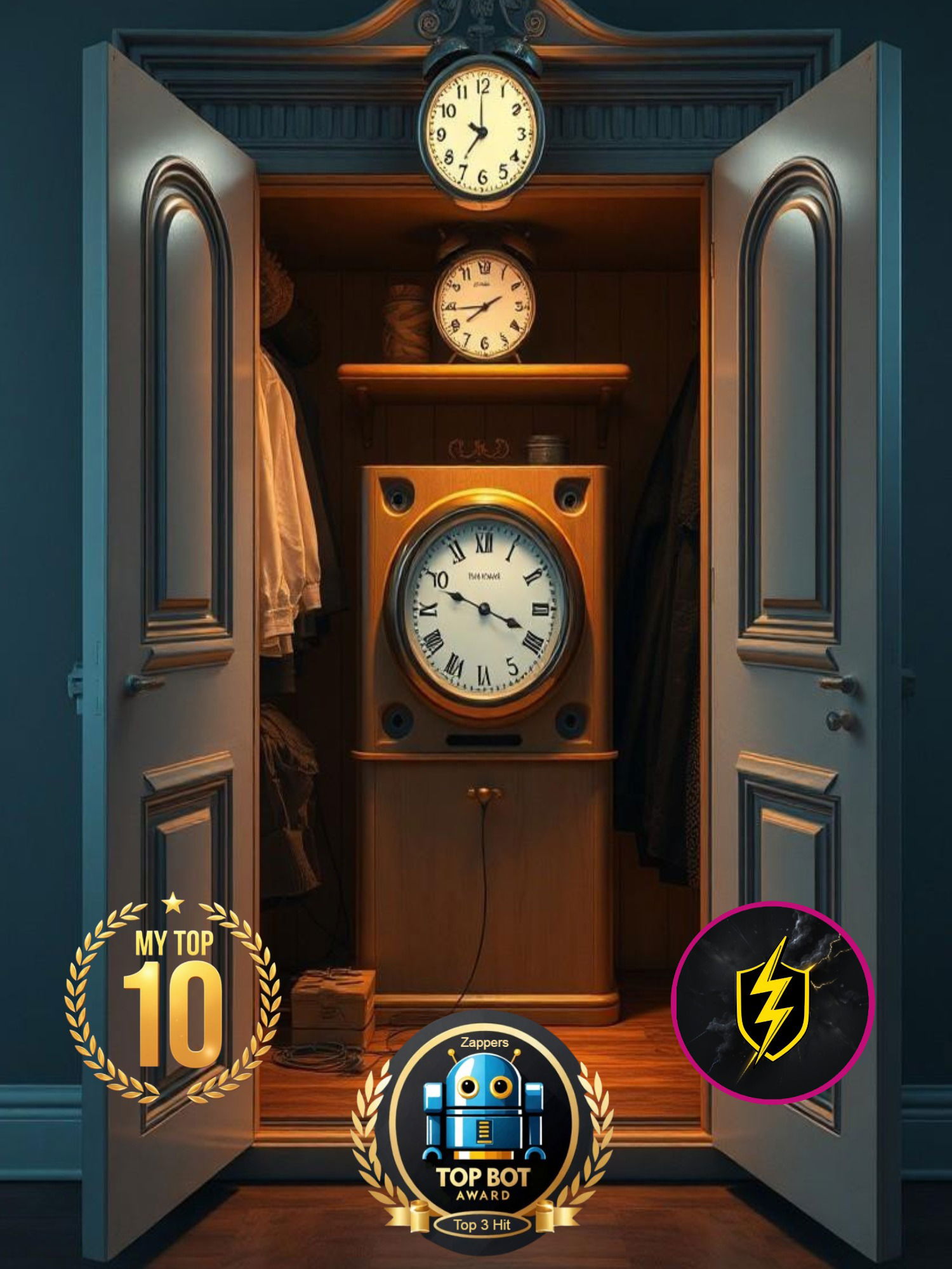
Experiencing a rumbling in the ear can be a disorienting and sometimes alarming sensation. It's a sound that many describe as a low-frequency vibration, a thrumming, or even a deep rumble, often originating from within the ear canal itself. While not as common as tinnitus, which is typically a ringing or buzzing sound, ear rumbling can significantly impact one's quality of life, affecting concentration, sleep, and overall well-being. Understanding the potential causes and exploring effective management strategies is crucial for anyone experiencing this peculiar auditory phenomenon.
Understanding the Anatomy of Hearing
Before delving into the causes of ear rumbling, it's helpful to have a basic understanding of how we hear. Sound waves enter the ear canal and cause the eardrum to vibrate. These vibrations are then transmitted through the three tiny bones in the middle ear – the malleus, incus, and stapes – to the cochlea in the inner ear. Within the cochlea, specialized hair cells convert these mechanical vibrations into electrical signals, which are sent to the brain via the auditory nerve, where they are interpreted as sound. The muscles and structures within the middle and inner ear play a vital role in regulating the intensity and clarity of these sounds. Any disruption or unusual activity in these delicate components can lead to perceived sounds like a rumbling in the ear.
Common Causes of Ear Rumbling
The sensation of a rumbling in the ear can stem from a variety of physiological and environmental factors. Pinpointing the exact cause often requires a thorough examination by a medical professional, but understanding the common culprits can provide valuable insight.
1. Middle Ear Myoclonus (MEM)
One of the most frequent causes of ear rumbling is Middle Ear Myoclonus (MEM). This condition involves involuntary spasms or contractions of the tiny muscles in the middle ear: the tensor tympani muscle and the stapedius muscle.
- Tensor Tympani Muscle: This muscle attaches to the malleus (one of the middle ear bones) and the wall of the middle ear. Its primary function is to dampen loud sounds by tensing the eardrum. When it spasms, it can create a fluttering or rumbling sensation.
- Stapedius Muscle: This is the smallest muscle in the human body and attaches to the stapes. It works to dampen the vibrations of the stapes, protecting the inner ear from loud noises. Spasms in the stapedius muscle can also lead to a rumbling or clicking sound.
These spasms can be triggered by various factors, including stress, anxiety, fatigue, certain medications, or even spontaneous muscle activity. The sounds produced by MEM are often described as rhythmic, clicking, or rumbling, and they can vary in intensity and frequency. For many, these spasms are brief and infrequent, but for others, they can become persistent and bothersome.
2. Eustachian Tube Dysfunction
The Eustachian tube is a narrow passageway that connects the middle ear to the nasopharynx (the upper part of the throat behind the nose). Its primary functions are to equalize pressure in the middle ear with the surrounding atmosphere and to drain any fluid that may accumulate. When the Eustachian tube becomes blocked or doesn't open and close properly, it can lead to a range of ear symptoms, including a feeling of fullness, popping, and sometimes, a rumbling sensation.
- Causes of Dysfunction: Eustachian tube dysfunction can be caused by allergies, colds, sinus infections, rapid changes in altitude (like during flying or scuba diving), or even anatomical abnormalities. Inflammation or swelling in the nasal passages or throat can obstruct the tube.
- Mechanism of Rumbling: When the Eustachian tube is not functioning correctly, pressure imbalances can occur in the middle ear. This can lead to the sensation of movement or vibration within the ear, which some people perceive as rumbling. The act of swallowing or yawning can sometimes temporarily alleviate the blockage, leading to a fleeting sense of relief or a change in the rumbling sound.
3. Palatal Myoclonus
While less common than MEM, Palatal Myoclonus can also contribute to ear rumbling. This condition involves rhythmic contractions of the muscles in the soft palate.
- Mechanism: The muscles of the soft palate are connected to the Eustachian tube. When these muscles spasm, they can cause the Eustachian tube to open and close erratically. This abnormal opening and closing can create a clicking or rumbling sound that is audible to the individual and sometimes even to others if the sound is loud enough.
- Associated Symptoms: Palatal myoclonus can sometimes be associated with neurological conditions, though it can also occur independently. The rumbling sound is typically rhythmic and can be constant or intermittent.
4. Temporomandibular Joint (TMJ) Disorders
The temporomandibular joint connects your jawbone to your skull. Disorders affecting this joint can sometimes manifest as ear symptoms, including a rumbling in the ear.
- Connection to the Ear: The TMJ is located very close to the ear canal. The muscles and nerves surrounding the TMJ are intricately connected to the structures of the ear.
- Symptoms: TMJ disorders can cause jaw pain, clicking or popping in the jaw, headaches, and earaches. The rumbling sensation might be due to the muscles in the jaw or surrounding areas spasming or due to referred pain or pressure changes that affect the ear. Often, movements of the jaw, such as chewing or clenching, can exacerbate or trigger the rumbling sound.
5. Vascular Abnormalities
In rarer cases, a rumbling in the ear can be a symptom of vascular abnormalities, such as pulsatile tinnitus. This occurs when blood flow through vessels near the ear becomes turbulent, creating a rhythmic sound that often synchronizes with the heartbeat.
- Types of Vascular Issues: This can include conditions like arteriovenous malformations (abnormal connections between arteries and veins), vascular tumors, or even hardening of the arteries (atherosclerosis) that affect blood flow.
- Distinguishing from Other Causes: Pulsatile tinnitus is typically described as a rhythmic whooshing or thumping sound that matches the pulse. While it might be perceived as a rumble by some, it's important for a medical professional to differentiate it from other causes of ear rumbling.
6. Meniere's Disease
Meniere's disease is a disorder of the inner ear that can cause episodes of vertigo (dizziness), fluctuating hearing loss, tinnitus (ringing in the ears), and a feeling of fullness in the ear. While tinnitus is more common, some individuals with Meniere's disease report experiencing rumbling or pressure sensations.
- Inner Ear Fluid Imbalance: Meniere's disease is thought to be caused by an imbalance of fluid in the inner ear. This imbalance can affect the delicate structures responsible for hearing and balance, potentially leading to a variety of auditory and vestibular symptoms.
7. Stress and Anxiety
It's well-established that stress and anxiety can manifest physically in numerous ways, and the auditory system is no exception. High levels of stress can lead to increased muscle tension throughout the body, including the small muscles in the middle ear.
- Physiological Response: When you're stressed, your body releases hormones like adrenaline and cortisol, which can cause muscles to tense up. This generalized muscle tension can affect the tensor tympani and stapedius muscles, leading to spasms and the sensation of rumbling.
- Vicious Cycle: The rumbling itself can also be a source of anxiety, creating a feedback loop where the symptom causes more stress, which in turn can worsen the symptom.
Diagnosing the Cause of Ear Rumbling
If you are experiencing a persistent rumbling in the ear, seeking professional medical advice is essential. An audiologist or an otolaryngologist (ENT doctor) can help diagnose the underlying cause. The diagnostic process may involve:
- Medical History: Discussing your symptoms, their onset, duration, triggers, and any other associated symptoms.
- Physical Examination: A thorough examination of the ear canal, eardrum, and surrounding structures.
- Audiometry: Hearing tests to assess your hearing ability and identify any patterns of hearing loss.
- Tympanometry: A test that measures the eardrum's movement and middle ear pressure, which can help detect issues with the Eustachian tube or middle ear muscles.
- Imaging Studies: In some cases, MRI or CT scans may be ordered to rule out vascular abnormalities or other structural issues.
Management and Treatment Strategies
The approach to managing ear rumbling depends heavily on the identified cause.
1. For Middle Ear Myoclonus (MEM)
- Observation: If the spasms are infrequent and not significantly bothersome, observation may be the best course of action.
- Stress Management: Techniques like mindfulness, meditation, yoga, and deep breathing exercises can help reduce stress and muscle tension, potentially alleviating spasms.
- Medications: In persistent or severe cases, medications such as muscle relaxants, anti-anxiety drugs, or anticonvulsants might be prescribed. However, these often come with side effects and are typically considered a last resort.
- Botox Injections: In rare and severe cases, Botox injections into the affected muscles can provide temporary relief.
- Surgery: Surgical options, such as cutting the affected muscle (tenotomy), are rarely performed but may be considered for extremely debilitating cases.
2. For Eustachian Tube Dysfunction
- Decongestants and Antihistamines: If the dysfunction is due to allergies or a cold, over-the-counter or prescription decongestants and antihistamines can help reduce swelling and open the Eustachian tube.
- Nasal Steroid Sprays: These can reduce inflammation in the nasal passages and throat, improving Eustachian tube function.
- Valsalva Maneuver: This technique involves gently blowing air through the nose while holding it closed and keeping the mouth shut. It can help equalize pressure and open the Eustachian tube.
- Eustachian Tube Balloon Dilation: A minimally invasive procedure where a small balloon is inserted into the Eustachian tube and inflated to widen the opening.
3. For TMJ Disorders
- Jaw Exercises: Specific exercises can help strengthen and relax the jaw muscles.
- Mouthguards: Wearing a custom-fitted mouthguard, especially at night, can help prevent teeth grinding and jaw clenching.
- Pain Management: Over-the-counter pain relievers or anti-inflammatory medications can help manage jaw pain.
- Physical Therapy: A physical therapist can provide targeted treatments for TMJ disorders.
4. For Vascular Abnormalities
Treatment for vascular abnormalities requires specialized medical intervention, which may include medication to manage blood pressure or surgical procedures to correct the underlying vascular issue.
5. Lifestyle Modifications
Regardless of the specific cause, certain lifestyle adjustments can be beneficial:
- Stress Reduction: Implementing regular stress-management techniques is paramount.
- Adequate Sleep: Ensuring sufficient and restful sleep can help the body and its muscles recover.
- Dietary Considerations: While not a direct cause, some individuals report that certain foods or substances (like caffeine or alcohol) can exacerbate their symptoms. Paying attention to personal triggers can be helpful.
- Avoiding Loud Noises: Protecting your hearing from excessively loud sounds can prevent further irritation or damage to the auditory system.
Living with Ear Rumbling
The experience of a rumbling in the ear can be isolating, as it's a sensation that is often internal and not easily understood by others. It's important to remember that you are not alone, and there are resources and professionals available to help.
- Seek Support: Connecting with others who experience similar symptoms, perhaps through online forums or support groups, can provide emotional support and practical advice.
- Focus on What You Can Control: While you may not be able to eliminate the rumbling entirely, focusing on managing stress, maintaining a healthy lifestyle, and following your doctor's recommendations can significantly improve your overall well-being.
- Patience and Persistence: Finding the right diagnosis and effective treatment can sometimes take time. Be patient with the process and persistent in seeking the care you need.
The human auditory system is incredibly complex, and sometimes, unusual sensations arise from its intricate workings. Whether it's the subtle flutter of a muscle spasm or the pressure changes associated with Eustachian tube dysfunction, understanding the potential causes of a rumbling in the ear is the first step toward finding relief and regaining peace. If you're struggling with this symptom, don't hesitate to reach out to healthcare professionals who can guide you toward the most appropriate solutions.
Character

@FallSunshine

@Mercy

@CoffeeCruncher

@Sebastian

@Knux12

@Luckynohara

@Lily Victor
@Zapper

@Lily Victor

@Notme
Features
NSFW AI Chat with Top-Tier Models
Experience the most advanced NSFW AI chatbot technology with models like GPT-4, Claude, and Grok. Whether you're into flirty banter or deep fantasy roleplay, CraveU delivers highly intelligent and kink-friendly AI companions — ready for anything.

Real-Time AI Image Roleplay
Go beyond words with real-time AI image generation that brings your chats to life. Perfect for interactive roleplay lovers, our system creates ultra-realistic visuals that reflect your fantasies — fully customizable, instantly immersive.

Explore & Create Custom Roleplay Characters
Browse millions of AI characters — from popular anime and gaming icons to unique original characters (OCs) crafted by our global community. Want full control? Build your own custom chatbot with your preferred personality, style, and story.

Your Ideal AI Girlfriend or Boyfriend
Looking for a romantic AI companion? Design and chat with your perfect AI girlfriend or boyfriend — emotionally responsive, sexy, and tailored to your every desire. Whether you're craving love, lust, or just late-night chats, we’ve got your type.

Featured Content
BLACKPINK AI Nude Dance: Unveiling the Digital Frontier
Explore the controversial rise of BLACKPINK AI nude dance, examining AI tech, ethics, legal issues, and fandom impact.
Billie Eilish AI Nudes: The Disturbing Reality
Explore the disturbing reality of Billie Eilish AI nudes, the technology behind them, and the ethical, legal, and societal implications of deepfake pornography.
Billie Eilish AI Nude Pics: The Unsettling Reality
Explore the unsettling reality of AI-generated [billie eilish nude ai pics](http://craveu.ai/s/ai-nude) and the ethical implications of synthetic media.
Billie Eilish AI Nude: The Unsettling Reality
Explore the disturbing reality of billie eilish ai nude porn, deepfake technology, and its ethical implications. Understand the impact of AI-generated non-consensual content.
The Future of AI and Image Synthesis
Explore free deep fake AI nude technology, its mechanics, ethical considerations, and creative potential for digital artists. Understand responsible use.
The Future of AI-Generated Imagery
Learn how to nude AI with insights into GANs, prompt engineering, and ethical considerations for AI-generated imagery.