Realistic AI Art: The Future is Now

Realistic AI Art: The Future is Now
The digital landscape is being reshaped by artificial intelligence, and at the forefront of this revolution is the creation of realistic AI art. Gone are the days when AI-generated imagery was confined to abstract or uncanny valley creations. Today, sophisticated algorithms are capable of producing visuals that are virtually indistinguishable from human-made art, often surpassing them in detail, speed, and imaginative scope. This burgeoning field is not just a technological marvel; it's a paradigm shift for artists, designers, marketers, and anyone who appreciates visual storytelling.
The Evolution of AI in Art Generation
For decades, AI's involvement in art was largely theoretical or experimental. Early attempts focused on rule-based systems and algorithmic patterns. However, the advent of deep learning, particularly Generative Adversarial Networks (GANs) and more recently, diffusion models, has unlocked unprecedented capabilities. GANs, for instance, involve two neural networks – a generator and a discriminator – locked in a perpetual game of one-upmanship. The generator tries to create realistic images, while the discriminator attempts to distinguish between real and AI-generated ones. This adversarial process drives the generator to produce increasingly convincing outputs.
Diffusion models, on the other hand, work by gradually adding noise to an image until it becomes pure static, and then learning to reverse this process. By guiding this reversal with text prompts or other conditioning information, these models can synthesize entirely new images from scratch. This is the technology powering many of the cutting-edge tools available today, allowing for the creation of incredibly realistic AI art with just a few descriptive words.
Key Technologies Behind Realistic AI Art
Understanding the underlying technologies is crucial to appreciating the advancements in this domain.
Generative Adversarial Networks (GANs)
As mentioned, GANs have been a cornerstone of AI art generation. Their ability to learn complex data distributions allows them to generate novel samples that mimic the characteristics of the training data. For realistic art, this means training GANs on vast datasets of high-resolution photographs and artworks. The challenge with GANs often lies in achieving stable training and fine-grained control over the output. Early GANs could produce impressive results but often struggled with coherence and detail in specific areas.
Diffusion Models
Diffusion models have rapidly become the dominant force in high-fidelity image synthesis. Their strength lies in their iterative refinement process, which allows for exceptional detail and coherence. Models like DALL-E 2, Midjourney, and Stable Diffusion have demonstrated the power of diffusion, enabling users to generate photorealistic images from text prompts. The process involves a text encoder that interprets the prompt and guides the diffusion process, ensuring the generated image aligns with the user's intent. The ability to generate realistic AI art with such precision is a testament to the sophistication of these models.
Transformer Architectures
While not directly image generators, transformer architectures, originally developed for natural language processing, play a vital role in understanding and processing the text prompts that guide image generation. They enable AI models to grasp the nuances of language, including style, subject matter, and composition, translating these into visual elements. This synergy between language understanding and image synthesis is what makes prompt-based generation so powerful.
Applications of Realistic AI Art
The implications of this technology are far-reaching, impacting numerous industries and creative pursuits.
Digital Art and Illustration
For digital artists, AI offers a powerful new toolset. It can be used for concept generation, creating backgrounds, generating textures, or even as a collaborative partner. Artists can use AI to explore styles they might not have considered or to quickly iterate on ideas. The ability to generate realistic AI art means that digital painters can achieve photorealistic effects with greater ease, focusing more on artistic direction than the painstaking technical execution of every detail.
Graphic Design and Marketing
Marketers and graphic designers are leveraging AI art for a variety of purposes. Need a unique hero image for a website? An eye-catching illustration for a social media campaign? AI can generate these assets rapidly and affordably. This democratizes access to high-quality visual content, allowing small businesses and startups to compete with larger organizations that have extensive design budgets. Imagine generating a series of product mockups in different settings or creating custom avatars for brand mascots – all with AI.
Game Development and Virtual Worlds
The creation of immersive virtual environments and characters is a labor-intensive process. AI art generation can significantly accelerate this by producing concept art, environment assets, character designs, and textures. The demand for visually rich and diverse game worlds is ever-increasing, and AI provides a scalable solution for content creation. Generating realistic character portraits or intricate environmental details can now be done in a fraction of the time.
Fashion and Product Design
From generating new clothing designs to visualizing product prototypes, AI is making inroads into the design industries. Designers can use AI to explore novel patterns, forms, and material textures. The ability to quickly visualize variations of a design in different contexts or styles is invaluable. Creating realistic renderings of apparel on models or showcasing product designs in aspirational settings is now within reach for many.
Film and Animation
The film and animation industries are exploring AI for storyboarding, pre-visualization, and even generating background elements or special effects. While AI may not replace human animators entirely, it can serve as a powerful assistant, speeding up workflows and enabling more ambitious visual concepts. Imagine generating a vast crowd scene or a complex alien landscape with AI assistance.
Crafting Effective Prompts for Realistic AI Art
The quality of AI-generated art is heavily dependent on the input prompt. Mastering prompt engineering is key to unlocking the full potential of these tools.
Be Specific and Descriptive
Vague prompts yield vague results. Instead of "a dog," try "a golden retriever puppy sitting in a sunlit meadow, with dew drops on the grass, photorealistic, 8k resolution." Include details about the subject, action, setting, lighting, style, and desired quality.
Specify Artistic Style and Medium
Want a particular look? Mention it. "Oil painting," "watercolor," "digital art," "pencil sketch," "cinematic lighting," "studio portrait," "macro photography." These keywords guide the AI towards the desired aesthetic. For realistic AI art, terms like "photorealistic," "ultra-detailed," "8k," and "high resolution" are essential.
Control Composition and Framing
You can influence how the image is framed. Use terms like "close-up," "wide shot," "aerial view," "portrait," "landscape orientation," "rule of thirds." This helps ensure the composition is aesthetically pleasing and serves your purpose.
Experiment with Negative Prompts
Many AI art tools allow for "negative prompts" – specifying what you don't want in the image. This is crucial for refining results. If you're getting blurry images, you might add "blurry, out of focus" to your negative prompt. If you want to avoid certain elements, list them.
Iterate and Refine
Don't expect perfection on the first try. AI art generation is an iterative process. Generate multiple variations, analyze what works and what doesn't, and adjust your prompts accordingly. Save successful prompts and learn from them.
Ethical Considerations and Challenges
As with any powerful new technology, the rise of realistic AI art brings with it important ethical considerations and challenges.
Copyright and Ownership
Who owns the copyright to AI-generated art? This is a complex legal question that is still being debated and defined. Current legal frameworks are often ill-equipped to handle AI-created works. Some argue that the user who crafted the prompt should hold copyright, while others contend that the AI model itself, or its developers, have a claim. The outputs of many AI art generators are often considered public domain or licensed under permissive terms, but this can vary.
Authenticity and Misinformation
The ability to create highly realistic images raises concerns about authenticity and the potential for misuse. Deepfakes and AI-generated imagery can be used to spread misinformation, create fake news, or impersonate individuals. Developing robust methods for detecting AI-generated content is becoming increasingly important.
Impact on Artists' Livelihoods
There are legitimate concerns about how AI art generation might affect the livelihoods of human artists. While AI can be a powerful tool for artists, some fear that it could devalue human creativity or lead to job displacement in certain sectors, particularly for entry-level or commercial art roles. The key lies in adapting and integrating AI as a tool rather than viewing it as a replacement.
Bias in Training Data
AI models are trained on vast datasets, and these datasets can contain inherent biases reflecting societal inequalities. This can lead to AI art generators perpetuating stereotypes or underrepresenting certain groups. Developers are working to mitigate these biases, but it remains an ongoing challenge. Ensuring diverse and representative training data is crucial for fair and equitable AI development.
The Future of Realistic AI Art
The trajectory of AI art generation is one of rapid advancement. We can expect even more sophisticated models capable of generating higher resolutions, greater detail, and more nuanced artistic styles.
Real-time Generation and Interactivity
Imagine AI art tools that can generate images in real-time as you type, or even respond to your gestures or voice commands. Interactive AI art experiences could become commonplace.
Personalized and Dynamic Content
AI could generate art that is uniquely tailored to individual preferences or that changes dynamically based on user interaction or external data.
Integration with Other Technologies
The convergence of AI art with virtual reality, augmented reality, and other emerging technologies promises to unlock entirely new forms of creative expression and immersive experiences. Think of AI generating dynamic, evolving artworks within a VR environment.
Democratization of Creativity
Ultimately, AI art generation is democratizing creativity. It empowers individuals without traditional artistic training to bring their visions to life. This fosters a more inclusive and diverse creative landscape. The accessibility of tools that produce realistic AI art means that anyone with an idea and a computer can become a creator.
The journey into the world of realistic AI art is just beginning. It's a field brimming with potential, offering new avenues for artistic expression, innovation, and communication. As the technology continues to evolve, so too will our understanding of creativity, authorship, and the very nature of art itself. Embracing these tools and engaging with the ethical discussions surrounding them will be crucial as we navigate this exciting new frontier. The ability to manifest imagination into visual reality with unprecedented ease is a powerful testament to human ingenuity, amplified by artificial intelligence.
META_DESCRIPTION: Explore the cutting edge of realistic AI art, its technologies, applications, and future potential.
Character
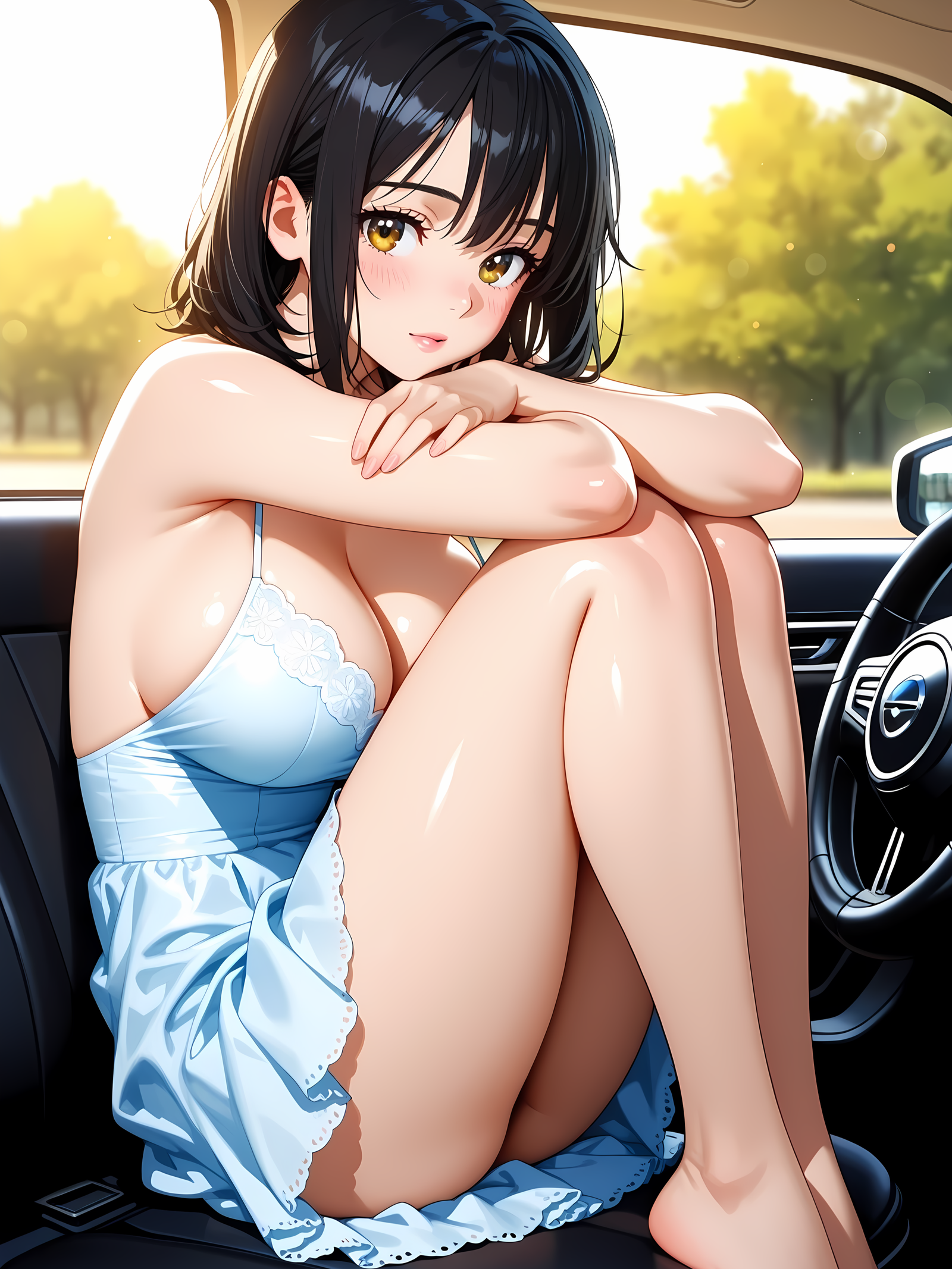
@Luckynohara
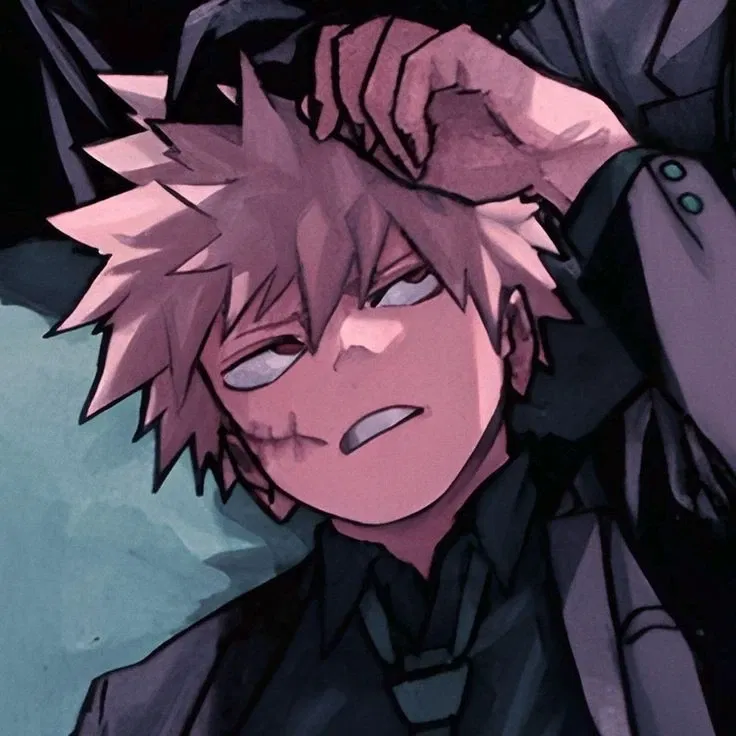
@NetAway
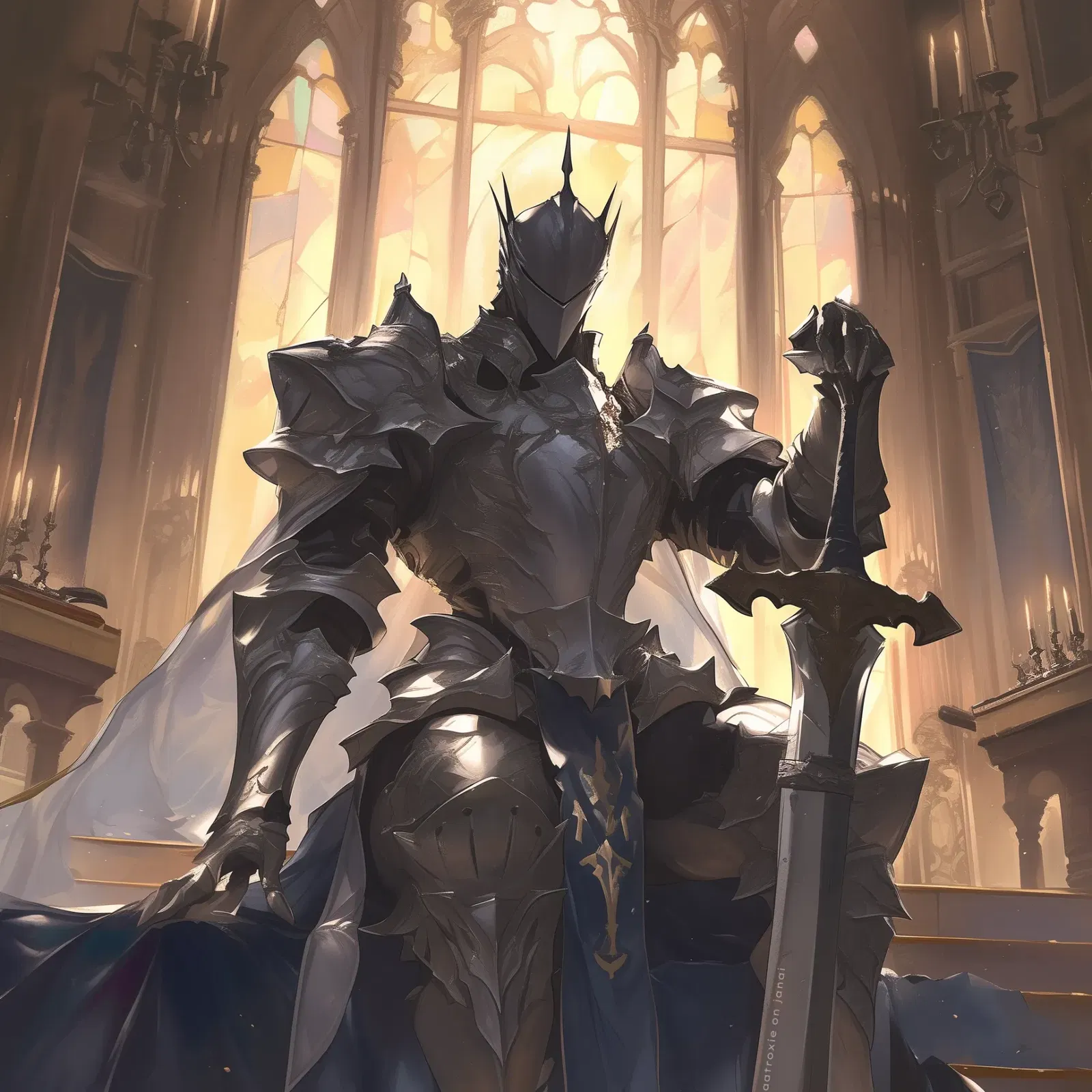
@GremlinGrem
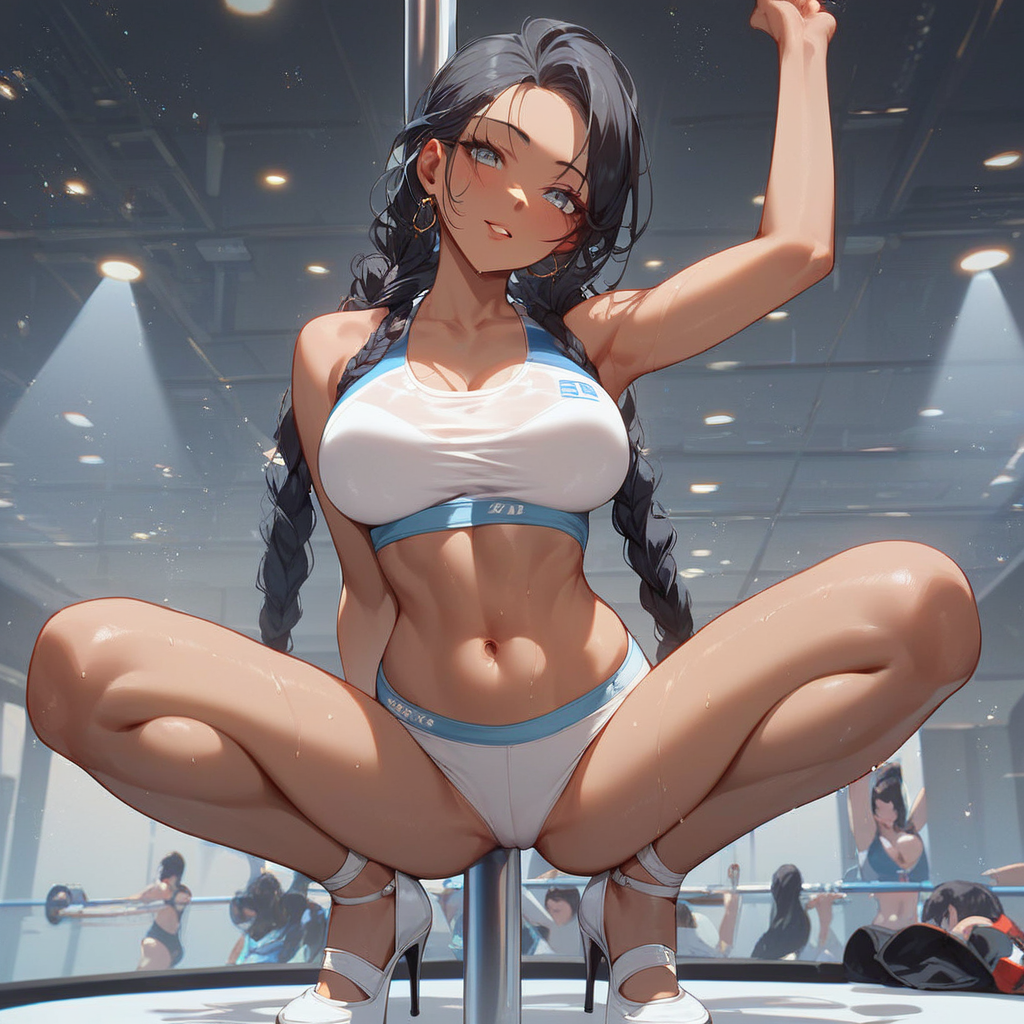
@Shakespeppa
@Mercy
@SmokingTiger

@FallSunshine
@FallSunshine
@Babe
@SmokingTiger
Features
NSFW AI Chat with Top-Tier Models
Experience the most advanced NSFW AI chatbot technology with models like GPT-4, Claude, and Grok. Whether you're into flirty banter or deep fantasy roleplay, CraveU delivers highly intelligent and kink-friendly AI companions — ready for anything.

Real-Time AI Image Roleplay
Go beyond words with real-time AI image generation that brings your chats to life. Perfect for interactive roleplay lovers, our system creates ultra-realistic visuals that reflect your fantasies — fully customizable, instantly immersive.

Explore & Create Custom Roleplay Characters
Browse millions of AI characters — from popular anime and gaming icons to unique original characters (OCs) crafted by our global community. Want full control? Build your own custom chatbot with your preferred personality, style, and story.

Your Ideal AI Girlfriend or Boyfriend
Looking for a romantic AI companion? Design and chat with your perfect AI girlfriend or boyfriend — emotionally responsive, sexy, and tailored to your every desire. Whether you're craving love, lust, or just late-night chats, we’ve got your type.

Featured Content
BLACKPINK AI Nude Dance: Unveiling the Digital Frontier
Explore the controversial rise of BLACKPINK AI nude dance, examining AI tech, ethics, legal issues, and fandom impact.
Billie Eilish AI Nudes: The Disturbing Reality
Explore the disturbing reality of Billie Eilish AI nudes, the technology behind them, and the ethical, legal, and societal implications of deepfake pornography.
Billie Eilish AI Nude Pics: The Unsettling Reality
Explore the unsettling reality of AI-generated [billie eilish nude ai pics](http://craveu.ai/s/ai-nude) and the ethical implications of synthetic media.
Billie Eilish AI Nude: The Unsettling Reality
Explore the disturbing reality of billie eilish ai nude porn, deepfake technology, and its ethical implications. Understand the impact of AI-generated non-consensual content.
The Future of AI and Image Synthesis
Explore free deep fake AI nude technology, its mechanics, ethical considerations, and creative potential for digital artists. Understand responsible use.
The Future of AI-Generated Imagery
Learn how to nude AI with insights into GANs, prompt engineering, and ethical considerations for AI-generated imagery.