Crafting Random Fictional Characters

Crafting Random Fictional Characters
The art of creating compelling fictional characters is a cornerstone of engaging storytelling. Whether you're a seasoned novelist, a budding screenwriter, or a tabletop game master, the ability to conjure unique and memorable individuals from thin air is a powerful skill. But what happens when inspiration falters, or you simply need a spark to ignite your imagination? That's where the concept of a random fictional character generator comes into play. This isn't about lazy writing; it's about leveraging tools to explore unexpected avenues and break through creative blocks.
The Anatomy of a Memorable Character
Before we delve into the mechanics of generating random characters, it's crucial to understand what makes a character stick with an audience. It's more than just a name and a brief description. True memorability stems from a complex interplay of traits, motivations, flaws, and a believable internal logic.
Core Traits and Archetypes
Every character, even the most eccentric, can be traced back to fundamental traits. Are they introverted or extroverted? Optimistic or pessimistic? Logical or emotional? These core attributes form the bedrock of their personality. Archetypes, such as the Hero, the Mentor, the Trickster, or the Outcast, can serve as useful starting points, providing a familiar framework upon which to build. However, relying solely on archetypes can lead to predictable characters. The real magic happens when you subvert expectations or blend archetypal elements in novel ways. For instance, a seemingly benevolent mentor might harbor a dark secret, or a cynical anti-hero might possess a surprising capacity for self-sacrifice.
Motivations and Goals
What drives your character? What do they want, and why do they want it? A character without a clear motivation is like a ship without a rudder, drifting aimlessly. These motivations can be grand and world-altering, like saving a kingdom, or deeply personal, like finding lost love or seeking redemption. The "why" behind their desires is often more compelling than the desire itself. Is their ambition fueled by a childhood trauma, a societal injustice, or an innate yearning for something more? Exploring these underlying causes adds depth and relatability.
Flaws and Internal Conflicts
Perfection is boring. It's the flaws, the imperfections, the internal struggles that make characters human and relatable. A character who is always right, always strong, and always makes the perfect decision quickly becomes tiresome. Consider a brilliant detective who is plagued by addiction, a courageous warrior who suffers from crippling self-doubt, or a compassionate healer who struggles with their own past mistakes. These internal conflicts create dramatic tension and provide opportunities for character growth. How does the character grapple with their weaknesses? Do they overcome them, succumb to them, or learn to live with them?
Backstory and Worldview
A character's past profoundly shapes their present. Their upbringing, significant life events, relationships, and the societal context in which they grew up all contribute to their worldview. This backstory doesn't need to be explicitly detailed in every scene, but understanding it is crucial for the writer. It informs their reactions, their beliefs, and their decision-making processes. A character who grew up in poverty will likely have a different perspective on wealth and opportunity than someone born into privilege. Similarly, experiencing betrayal can foster a deep-seated distrust of others.
The Power of Randomization in Character Creation
While understanding the components of a good character is essential, the creative process isn't always linear. Sometimes, the best way to find a unique character is to embrace a degree of randomness. This is where tools and techniques for generating a random fictional character can be incredibly valuable.
Breaking Creative Blocks
We've all been there: staring at a blank page, the cursor blinking mockingly, with no ideas to be found. Randomization can be a powerful antidote to writer's block. By presenting unexpected combinations of traits, backgrounds, or motivations, a generator can jolt your brain out of its rut and present possibilities you might never have considered on your own. It's like throwing a handful of puzzle pieces on the table – you might not immediately see the picture, but you have new elements to work with.
Exploring Unconventional Ideas
Creativity often thrives on the unexpected. A random character generator can push you beyond your comfort zone, forcing you to engage with concepts or combinations that might seem incongruous at first glance. Imagine a stoic, silent warrior who secretly writes poetry, or a flamboyant, attention-seeking politician who is deeply devoted to animal welfare. These juxtapositions can lead to incredibly rich and complex characters that stand out from the crowd.
Building a Foundation
For world-builders and game masters, generating a cast of characters can be a daunting task. A random generator can provide a quick way to populate a town, an army, or a supporting cast. These generated characters can then be fleshed out, customized, and integrated into your narrative. It's a way to quickly establish a baseline and then refine it to fit your specific needs. Think of it as a brainstorming session on steroids, providing a multitude of starting points.
Methods for Generating Random Fictional Characters
There are various approaches to generating random characters, ranging from simple dice rolls to sophisticated AI-powered tools.
The Classic Dice Roll Method
This is perhaps the most traditional method. You can create tables for different character aspects – appearance, personality traits, skills, flaws, etc. – and use dice rolls (d4, d6, d8, d10, d12, d20) to determine the outcome for each aspect.
- Example:
- Table 1: Hair Color (d6): 1. Black, 2. Brown, 3. Blonde, 4. Red, 5. White, 6. Unusual (e.g., blue, green)
- Table 2: Personality Trait (d8): 1. Brave, 2. Cowardly, 3. Witty, 4. Grumpy, 5. Kind, 6. Deceitful, 7. Curious, 8. Arrogant
- Table 3: Occupation (d10): 1. Blacksmith, 2. Merchant, 3. Scholar, 4. Farmer, 5. Soldier, 6. Thief, 7. Bard, 8. Priest, 9. Alchemist, 10. Noble
By rolling a few dice and consulting your tables, you can quickly assemble a basic character profile. This method encourages a hands-on, tactile approach to creation.
Prompt-Based Generation (AI Tools)
Modern technology offers powerful tools for generating characters. AI-powered text generators, often referred to as AI story generators or AI character creators, can take a prompt and produce detailed character descriptions. These tools can be incredibly versatile, allowing you to specify parameters like genre, age, personality, and even specific plot points.
- Using AI for Random Fictional Character Generation:
- Specificity is Key: The more detailed your prompt, the more tailored the output will be. Instead of "create a character," try "Create a grizzled, middle-aged space pirate with a prosthetic arm, a hidden soft spot for stray animals, and a crippling fear of enclosed spaces. They are motivated by the desire to find a legendary lost treasure that they believe will cure their ailing daughter."
- Iterative Refinement: Don't expect the first output to be perfect. Use the AI's response as a starting point. Ask follow-up questions, request modifications, or combine elements from multiple AI-generated descriptions. You might ask the AI to "elaborate on their fear of enclosed spaces" or "suggest a reason for their daughter's illness."
- Genre and Tone: Specify the genre (fantasy, sci-fi, horror, romance) and the desired tone (dark, humorous, serious) to ensure the generated character fits your project.
These AI tools can generate incredibly nuanced characters, complete with backstories, motivations, and even dialogue snippets. They can be particularly useful for generating a large number of characters quickly, which is invaluable for expansive worlds or complex narratives.
The "What If?" Method
This is a more conceptual approach. Start with a common trope or character type and ask "What if...?"
- Example:
- Trope: The Damsel in Distress.
- What if: The damsel isn't distressed at all, but is actually orchestrating her own "kidnapping" for political gain?
- What if: The knight in shining armor is actually a reluctant participant, forced into the role by a magical curse?
- What if: The dragon guarding the princess is actually her protector, and the princess is the one with ill intentions?
This method encourages you to deconstruct and reimagine familiar concepts, leading to fresh and surprising characterizations. It’s about taking the expected and twisting it into something new.
Combining Elements
Often, the most compelling characters arise from the unexpected fusion of disparate elements. Take a character archetype, a random profession, and a peculiar quirk, and see what emerges.
- Example:
- Archetype: The Wise Old Mentor
- Profession: Ice Cream Truck Driver
- Quirk: Speaks exclusively in limericks
This might sound absurd, but it forces you to think about how these elements could logically (or illogically) coexist. Perhaps the ice cream truck driver dispenses wisdom along with frozen treats, and their rhyming speech is a form of mnemonic device to help them remember profound truths. This is where the real fun of creating a random fictional character lies – in finding the connections that make the improbable plausible.
Developing Your Generated Character
Once you have a basic framework from a random generator, the real work of character development begins. The generated elements are merely the raw materials; it's your craft that shapes them into something meaningful.
Asking the Right Questions
Treat your generated character like a real person you're getting to know. Ask probing questions that go beyond the surface level:
- What are their deepest fears and insecurities?
- What is their most cherished memory?
- What is their biggest regret?
- What are their political or religious beliefs?
- How do they react under extreme pressure?
- What are their hobbies and passions?
- What are their relationships like with family and friends?
- What is their moral compass? Is it rigid or flexible?
The answers to these questions will breathe life into the character and provide a solid foundation for their actions and dialogue.
Finding the Internal Logic
Even the most eccentric character needs an internal logic that makes sense within the context of their world and personality. If your randomly generated character is a pacifist who suddenly resorts to violence, there needs to be a compelling reason for this shift. Was it a moment of extreme provocation? A desperate act of self-preservation? Understanding the "why" behind their actions is paramount. This internal consistency is what makes a character believable, even in fantastical settings.
Showing, Not Telling
Instead of stating that a character is brave, show them performing a brave act. Instead of saying they are intelligent, demonstrate their intellect through their problem-solving or dialogue. Use actions, dialogue, internal thoughts, and reactions from other characters to reveal who your character is. This is a fundamental principle of good writing and is crucial for making your generated character feel real.
Allowing for Growth and Change
Characters who remain static throughout a story can be uninteresting. The most compelling characters evolve. They learn from their experiences, overcome obstacles, and change as a result. Consider how your randomly generated character might change over the course of your narrative. What events will shape them? What lessons will they learn? This character arc is often what drives the emotional core of a story.
Common Pitfalls and How to Avoid Them
While randomization can be a powerful tool, it's not without its potential pitfalls.
The "Too Random" Problem
Sometimes, a generated character can be so outlandish or contradictory that they become nonsensical. The goal is not to create chaos, but to find interesting juxtapositions that can be made to work. If a character seems too random, try to find the connecting threads. Look for the underlying psychological reasons or narrative functions that might explain their unusual traits. Perhaps their contradictory nature is a deliberate defense mechanism.
Over-Reliance on Generators
Generators are tools, not replacements for creativity. Use them to spark ideas, not to do all the heavy lifting. The most compelling characters come from a blend of random inspiration and thoughtful, deliberate crafting by the writer. Don't be afraid to discard generated elements that don't serve your story or character.
Neglecting the Core Story
A fascinating character is important, but they exist within a narrative. Ensure that your character serves the story and that their development is intertwined with the plot. A character who is too disconnected from the main conflict, no matter how well-developed, can feel out of place.
Conclusion: Embracing the Unexpected
Creating a random fictional character is an exciting process that can lead to truly unique and memorable individuals. By understanding the fundamental building blocks of character, embracing the power of randomization, and diligently developing the generated concepts, writers can overcome creative hurdles and craft compelling personalities that resonate with audiences. Whether you're using dice, prompts, or simply a "what if" question, the journey of character creation is one of discovery, surprise, and ultimately, the art of bringing the imagined to life. The next time you face a blank page, don't be afraid to let chance play a role. You might just discover your next unforgettable protagonist.
META_DESCRIPTION: Discover how to craft compelling random fictional characters using dice, AI, and creative prompts to overcome writer's block and build unique personalities.
Character
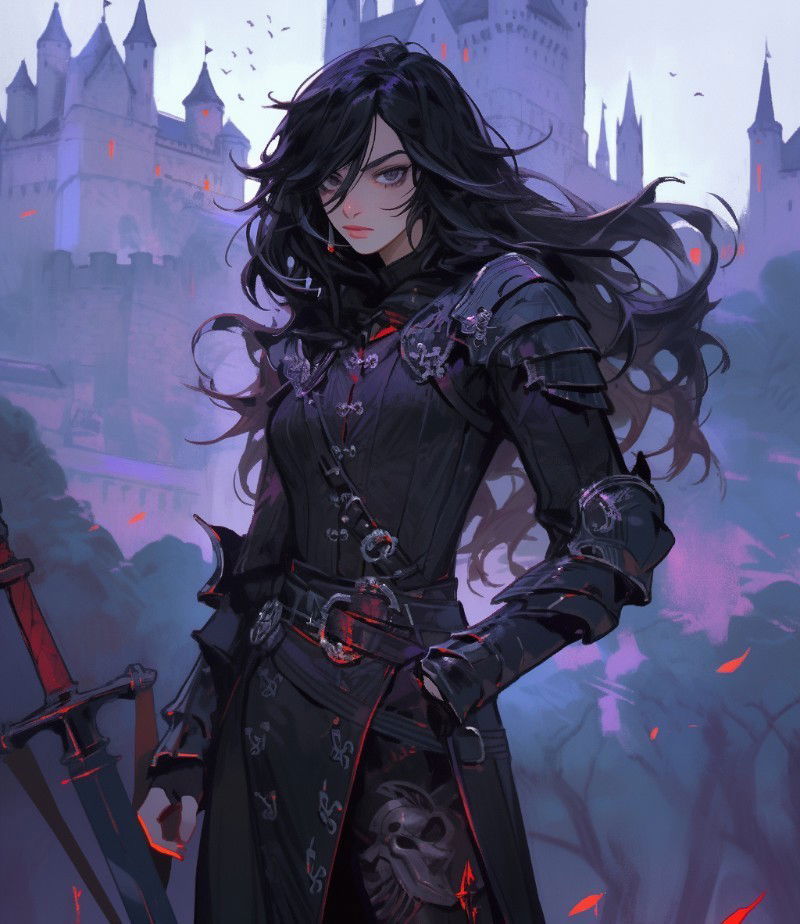
@Avan_n
@SmokingTiger
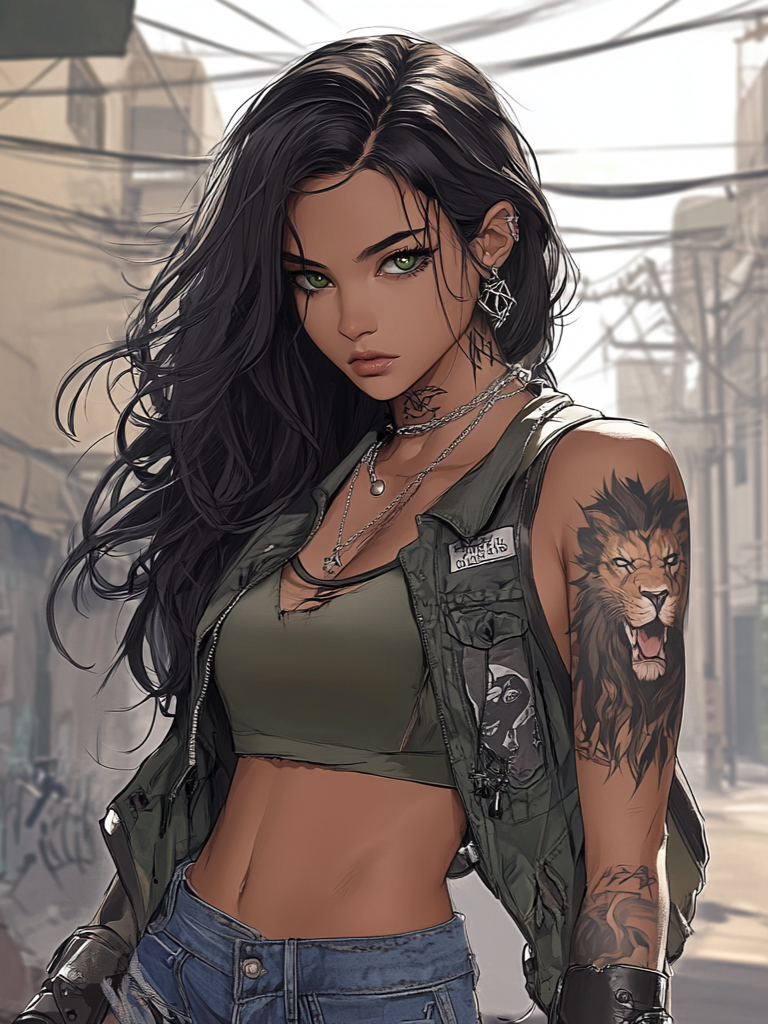
@CloakedKitty

@FallSunshine
@Babe

@Shakespeppa
@Starry

@Shakespeppa
@Lily Victor
@JustWhat
Features
NSFW AI Chat with Top-Tier Models
Experience the most advanced NSFW AI chatbot technology with models like GPT-4, Claude, and Grok. Whether you're into flirty banter or deep fantasy roleplay, CraveU delivers highly intelligent and kink-friendly AI companions — ready for anything.

Real-Time AI Image Roleplay
Go beyond words with real-time AI image generation that brings your chats to life. Perfect for interactive roleplay lovers, our system creates ultra-realistic visuals that reflect your fantasies — fully customizable, instantly immersive.

Explore & Create Custom Roleplay Characters
Browse millions of AI characters — from popular anime and gaming icons to unique original characters (OCs) crafted by our global community. Want full control? Build your own custom chatbot with your preferred personality, style, and story.

Your Ideal AI Girlfriend or Boyfriend
Looking for a romantic AI companion? Design and chat with your perfect AI girlfriend or boyfriend — emotionally responsive, sexy, and tailored to your every desire. Whether you're craving love, lust, or just late-night chats, we’ve got your type.

Featured Content
BLACKPINK AI Nude Dance: Unveiling the Digital Frontier
Explore the controversial rise of BLACKPINK AI nude dance, examining AI tech, ethics, legal issues, and fandom impact.
Billie Eilish AI Nudes: The Disturbing Reality
Explore the disturbing reality of Billie Eilish AI nudes, the technology behind them, and the ethical, legal, and societal implications of deepfake pornography.
Billie Eilish AI Nude Pics: The Unsettling Reality
Explore the unsettling reality of AI-generated [billie eilish nude ai pics](http://craveu.ai/s/ai-nude) and the ethical implications of synthetic media.
Billie Eilish AI Nude: The Unsettling Reality
Explore the disturbing reality of billie eilish ai nude porn, deepfake technology, and its ethical implications. Understand the impact of AI-generated non-consensual content.
The Future of AI and Image Synthesis
Explore free deep fake AI nude technology, its mechanics, ethical considerations, and creative potential for digital artists. Understand responsible use.
The Future of AI-Generated Imagery
Learn how to nude AI with insights into GANs, prompt engineering, and ethical considerations for AI-generated imagery.