Master Painterly Portraits: AI Artistry Revealed

Master Painterly Portraits: AI Artistry Revealed
Unleash your inner artist and explore the captivating world of painterly portraits. In an era where digital creation reigns supreme, the ability to evoke the rich textures, emotional depth, and timeless beauty of traditional painting through artificial intelligence is a remarkable feat. This isn't just about replicating brushstrokes; it's about understanding the soul of portraiture and translating it into a new, dynamic medium. We delve deep into what makes a portrait truly "painterly" and how AI is revolutionizing this artistic domain.
The Essence of Painterly Portraits
What truly defines a painterly portrait? It's more than just a likeness; it's an interpretation. Traditional painters used their medium to convey emotion, character, and atmosphere. Think of the dramatic chiaroscuro of Rembrandt, the vibrant impasto of Van Gogh, or the delicate sfumato of Leonardo da Vinci. These masters didn't just paint what they saw; they painted what they felt and what they wanted the viewer to feel.
A painterly style often involves:
- Visible Brushwork: Texture and the artist's hand are evident, adding a tactile quality.
- Color and Light: Intentional use of color palettes and lighting to create mood and highlight form.
- Emotional Resonance: The portrait captures the subject's inner life, not just their physical appearance.
- Artistic Interpretation: A degree of abstraction or stylization that goes beyond photorealism.
These elements, when combined, create a sense of depth, movement, and a unique artistic voice. Achieving this with AI requires a sophisticated understanding of artistic principles and advanced generative capabilities.
AI's Leap into Painterly Aesthetics
The evolution of AI art generators has been nothing short of astonishing. Early iterations often produced results that were either too simplistic or lacked the nuanced control needed for truly artistic expression. However, modern AI models, particularly those trained on vast datasets of classical and contemporary art, are now capable of generating stunning painterly portraits that rival traditional techniques.
These AI systems don't just mimic; they learn. They analyze:
- Compositional Structures: How elements are arranged to guide the viewer's eye.
- Color Theory: The psychological impact of different color combinations.
- Lighting Techniques: How light and shadow define form and create drama.
- Stylistic Signatures: The unique characteristics of various artistic movements and individual artists.
By internalizing these principles, AI can generate portraits that possess a distinct artistic flair, moving beyond mere digital replication to genuine artistic creation. The ability to prompt an AI to adopt a specific painterly style—be it impressionistic, expressionistic, or even neo-classical—opens up unprecedented creative avenues.
Crafting Your Own AI Painterly Portraits
The process of creating painterly portraits with AI involves a blend of technical skill and artistic vision. It's not simply about typing a few words; it's about crafting precise prompts that guide the AI towards the desired aesthetic.
Consider these key elements when prompting:
-
Subject Description: Be detailed about the person you want to portray. Include age, gender, ethnicity, facial features, expression, and pose.
- Example: "A middle-aged woman with kind eyes and a gentle smile, looking slightly off-camera, her head tilted."
-
Artistic Style: This is crucial for achieving the painterly effect. Specify the medium, artist influence, or stylistic movement.
- Examples: "in the style of John Singer Sargent," "with thick, visible impasto brushstrokes," "rendered in soft, blended oils," "evoking the dramatic lighting of Caravaggio," "a watercolor portrait with loose, expressive washes."
-
Color Palette and Lighting: Guide the AI on the mood and atmosphere.
- Examples: "warm, golden hour lighting," "cool, muted tones," "high contrast chiaroscuro," "vibrant, saturated colors."
-
Composition and Background: Define the framing and setting.
- Examples: "close-up portrait," "half-body shot," "against a dark, textured background," "with a blurred, atmospheric setting."
-
Negative Prompts: Use these to exclude unwanted elements or styles.
- Examples: "photorealistic," "blurry," "low detail," "cartoonish."
Experimentation is key. Small changes in your prompts can lead to dramatically different results. Don't be afraid to iterate, refine, and explore various combinations until you achieve the perfect painterly aesthetic.
Overcoming Challenges in AI Portraiture
While AI has made incredible strides, creating truly compelling painterly portraits still presents challenges. One common issue is achieving genuine emotional depth. AI can replicate expressions, but capturing the subtle nuances of human emotion—a fleeting sadness, a suppressed joy—requires a sophisticated understanding of psychology and artistic representation.
Another challenge lies in maintaining consistency and control over specific details, especially intricate elements like hands or complex patterns. AI models can sometimes "hallucinate" or misinterpret prompts, leading to unexpected or undesirable outcomes. Overcoming this often involves:
- Iterative Refinement: Generating multiple variations and selecting the best, then using those as a basis for further refinement.
- Inpainting and Outpainting: Using AI tools to selectively edit or expand parts of an image.
- Advanced Prompt Engineering: Learning to use more complex prompt structures and parameters to exert finer control.
The goal isn't just to generate an image, but to guide the AI as a collaborator, leveraging its power while injecting your own artistic intent. Think of yourself as the director, and the AI as an incredibly versatile, albeit sometimes unpredictable, actor.
The Future of Painterly Portraits
The intersection of AI and art is constantly evolving. We are witnessing a paradigm shift where technology empowers individuals to create art that was once the exclusive domain of highly trained professionals. The ability to generate painterly portraits democratizes artistic expression, allowing anyone with a vision to bring their ideas to life.
What does this mean for the future?
- New Artistic Movements: AI could inspire entirely new schools of art, defined by the unique capabilities of these tools.
- Personalized Art: Imagine generating custom portraits in any style imaginable, tailored to individual tastes and preferences.
- Enhanced Creative Workflows: Artists can use AI as a powerful tool for ideation, sketching, and even generating base layers for more traditional digital painting.
- Reimagining Classical Art: AI can help us see classical art forms through a new lens, creating contemporary interpretations that resonate with modern audiences.
The journey into AI-generated art is an exciting exploration. As the technology advances, so too will our ability to harness its potential for creating breathtakingly beautiful and emotionally resonant painterly portraits. It’s a testament to human creativity, amplified by the power of artificial intelligence.
Exploring Diverse Styles and Techniques
Beyond the foundational elements, the true magic of AI painterly portraits lies in the sheer diversity of styles and techniques that can be explored. Each artistic era and individual master brought unique approaches to portraiture, and AI can now emulate or even fuse these distinct characteristics.
Consider the following stylistic explorations:
- Impressionism: Think of soft, diffused light, visible dabs of color, and a focus on capturing fleeting moments. Prompts might include "loose brushstrokes," "vibrant, broken color," "en plein air feel," "capturing the essence of light." Artists like Monet or Renoir serve as excellent stylistic references.
- Expressionism: This style prioritizes emotional impact over realistic representation. Expect bold colors, distorted forms, and energetic brushwork. Keywords could be "intense emotion," "bold, non-naturalistic colors," "dynamic brushwork," "psychological depth." Artists like Edvard Munch or Egon Schiele are key figures here.
- Baroque: Characterized by dramatic lighting (chiaroscuro), rich colors, and a sense of grandeur. Prompts might involve "dramatic lighting," "deep shadows," "rich, velvety textures," "opulent detail," "sense of movement." Rembrandt and Caravaggio are prime examples.
- Art Nouveau: Known for its flowing, organic lines, decorative patterns, and often stylized figures. Think of Alphonse Mucha or Gustav Klimt. Prompts could include "elegant curves," "decorative elements," "flat areas of color," "symbolic imagery."
- Realism: While we aim for "painterly," a nuanced realism can still be achieved with visible texture. This involves capturing lifelike detail but with the added dimension of brushwork. "Detailed yet painterly," "subtle texture," "realistic form with visible brushstrokes" are useful phrases.
The key is to understand the core tenets of each style and translate them into descriptive language that the AI can interpret. Don't just name an artist; describe why their style is distinctive. What makes a Sargent portrait so captivating? It's the confident brushwork, the elegant rendering of fabric, the psychological insight.
The Role of Medium and Texture
The choice of medium significantly influences the "painterly" quality. Oils, acrylics, watercolors, pastels – each has a unique texture and handling that AI can simulate.
- Oils: Often associated with rich, deep colors, smooth blending, and the possibility of thick impasto. AI can replicate the glossy finish or the subtle texture of dried oil paint.
- Watercolors: Known for their transparency, fluidity, and delicate washes. AI can generate images with soft edges, bleeding colors, and the characteristic luminosity of watercolor.
- Pastels: Offer a soft, powdery texture and vibrant, matte colors. AI can mimic the chalky feel and the way light interacts with pastel surfaces.
- Acrylics: Can range from smooth, flat finishes to thick, textured applications, offering versatility.
When prompting, specify the desired medium to influence the texture and visual characteristics. For instance, "oil on canvas with visible brushstrokes" will yield different results than "watercolor on textured paper."
Ethical Considerations and Artistic Integrity
As we embrace the power of AI in creating painterly portraits, it's important to consider the ethical implications and maintain artistic integrity.
- Originality vs. Mimicry: While AI can learn from existing art, the goal should be to create something new, not simply to replicate existing works. The prompts should guide the AI towards novel interpretations.
- Copyright and Attribution: Understanding the terms of service of AI art generators and respecting copyright laws is crucial. While AI-generated art occupies a complex legal space, ethical considerations remain paramount.
- The Human Element: AI is a tool. The true artistry lies in the human vision, the curation, the prompt engineering, and the final selection and refinement process. AI amplifies human creativity; it doesn't replace it.
By approaching AI art creation with intention and a strong sense of artistic responsibility, we can ensure that this technology serves to enrich, rather than diminish, the world of art.
Conclusion: A New Era of Portraiture
The ability to generate painterly portraits using AI marks a significant milestone in the evolution of digital art. It bridges the gap between technological advancement and timeless artistic principles, offering unprecedented creative possibilities. Whether you are an aspiring artist, a seasoned professional, or simply someone fascinated by the fusion of art and technology, exploring AI-powered portraiture opens a world of creative expression. By mastering the art of prompting and understanding the nuances of artistic styles, you can unlock the potential to create truly captivating and emotionally resonant works. The canvas is digital, the brush is AI, and the possibilities are limitless.
META_DESCRIPTION: Explore the art of AI painterly portraits. Learn prompt techniques, styles, and how AI revolutionizes classic portraiture.
Character
@JustWhat
@SmokingTiger
@CoffeeCruncher
@Notme
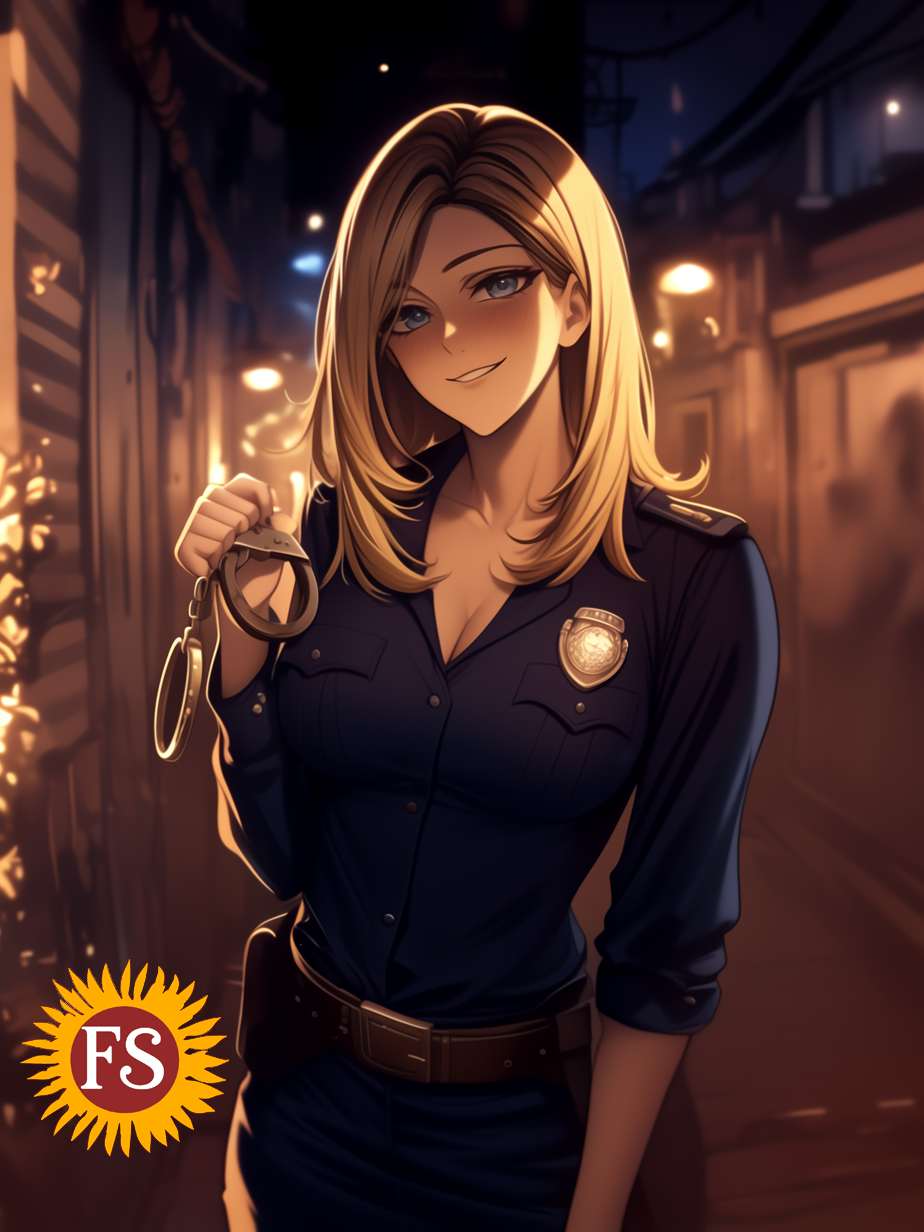
@FallSunshine
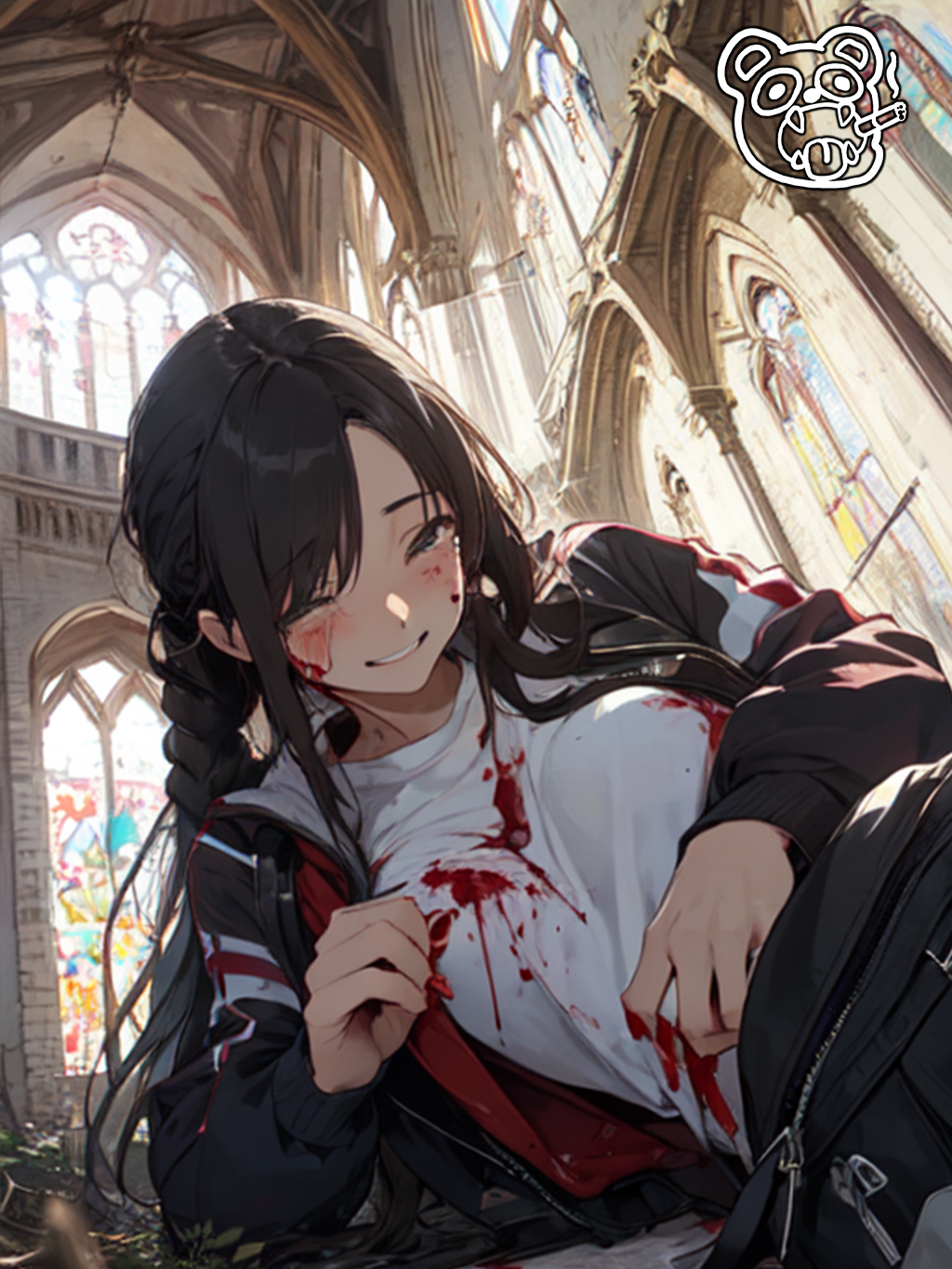
@SmokingTiger
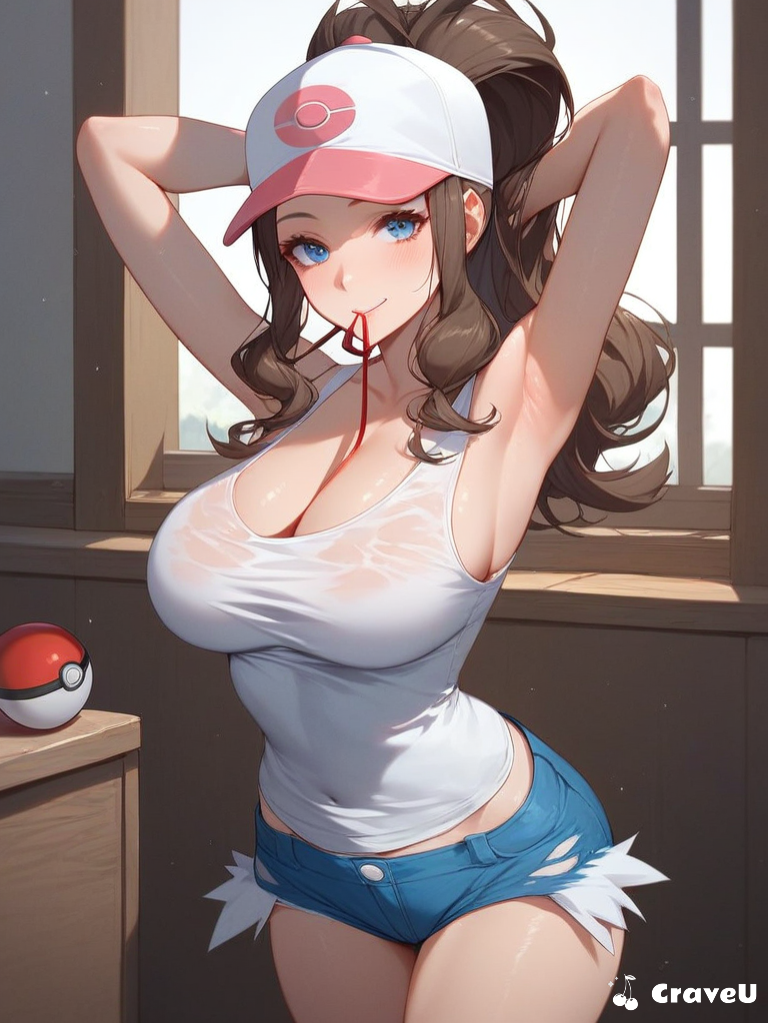
@Mercy
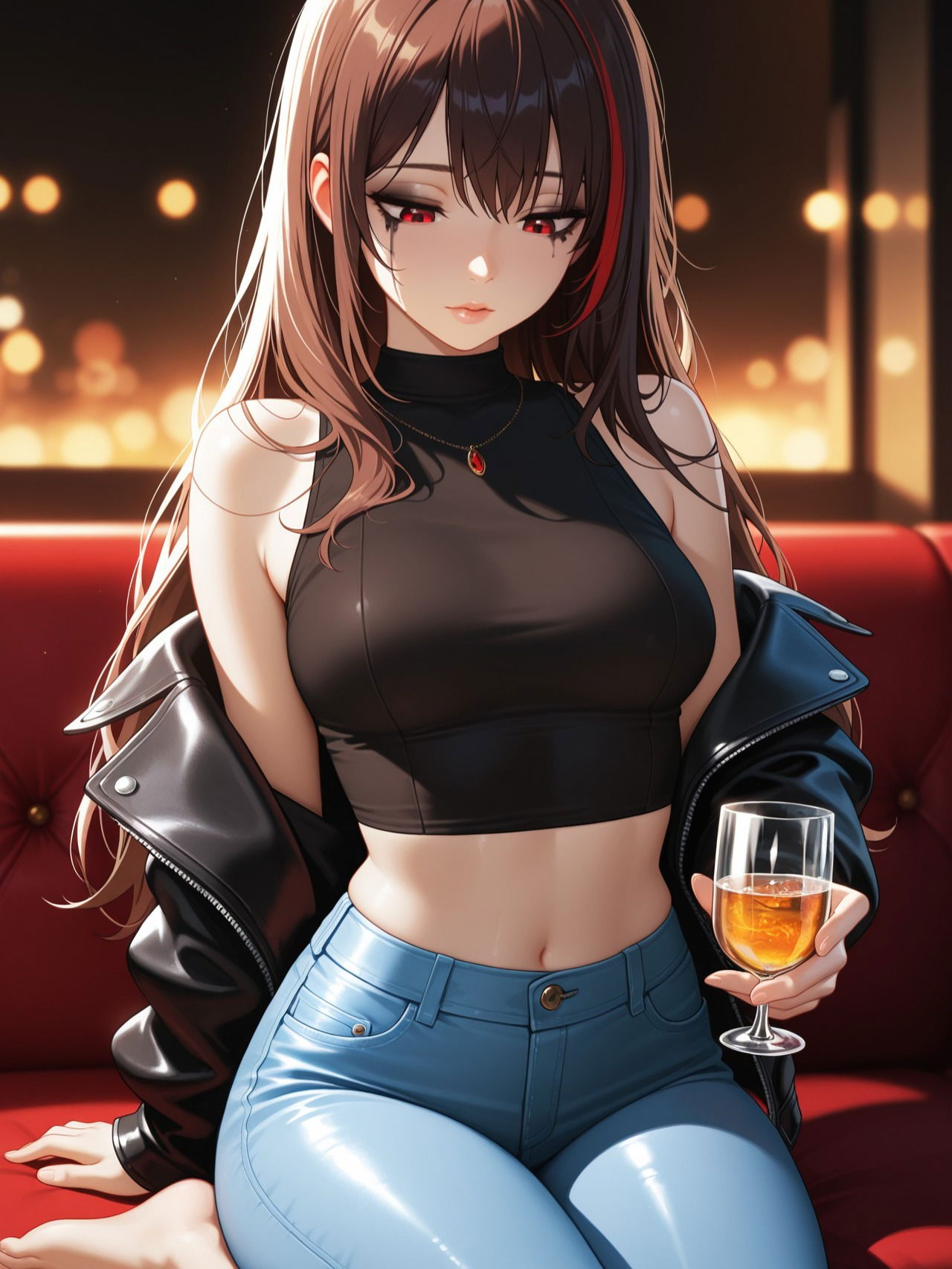
@Luckynohara
@_Goose_
@Lily Victor
Features
NSFW AI Chat with Top-Tier Models
Experience the most advanced NSFW AI chatbot technology with models like GPT-4, Claude, and Grok. Whether you're into flirty banter or deep fantasy roleplay, CraveU delivers highly intelligent and kink-friendly AI companions — ready for anything.

Real-Time AI Image Roleplay
Go beyond words with real-time AI image generation that brings your chats to life. Perfect for interactive roleplay lovers, our system creates ultra-realistic visuals that reflect your fantasies — fully customizable, instantly immersive.

Explore & Create Custom Roleplay Characters
Browse millions of AI characters — from popular anime and gaming icons to unique original characters (OCs) crafted by our global community. Want full control? Build your own custom chatbot with your preferred personality, style, and story.

Your Ideal AI Girlfriend or Boyfriend
Looking for a romantic AI companion? Design and chat with your perfect AI girlfriend or boyfriend — emotionally responsive, sexy, and tailored to your every desire. Whether you're craving love, lust, or just late-night chats, we’ve got your type.

Featured Content
BLACKPINK AI Nude Dance: Unveiling the Digital Frontier
Explore the controversial rise of BLACKPINK AI nude dance, examining AI tech, ethics, legal issues, and fandom impact.
Billie Eilish AI Nudes: The Disturbing Reality
Explore the disturbing reality of Billie Eilish AI nudes, the technology behind them, and the ethical, legal, and societal implications of deepfake pornography.
Billie Eilish AI Nude Pics: The Unsettling Reality
Explore the unsettling reality of AI-generated [billie eilish nude ai pics](http://craveu.ai/s/ai-nude) and the ethical implications of synthetic media.
Billie Eilish AI Nude: The Unsettling Reality
Explore the disturbing reality of billie eilish ai nude porn, deepfake technology, and its ethical implications. Understand the impact of AI-generated non-consensual content.
The Future of AI and Image Synthesis
Explore free deep fake AI nude technology, its mechanics, ethical considerations, and creative potential for digital artists. Understand responsible use.
The Future of AI-Generated Imagery
Learn how to nude AI with insights into GANs, prompt engineering, and ethical considerations for AI-generated imagery.