The Journey of an Artist

Master Male Anime Character Drawing
Unleash your inner artist and dive into the captivating world of drawing male anime characters. This comprehensive guide will equip you with the fundamental techniques and advanced insights needed to bring your creations to life, from dynamic poses to expressive faces. Whether you're a beginner or looking to refine your skills, understanding the core anatomy and stylistic nuances of male anime characters is paramount.
The Foundation: Understanding Anime Anatomy
Anime, while stylized, adheres to underlying anatomical principles. For male characters, this means understanding proportions that convey strength, agility, and a distinct masculine silhouette. Unlike realistic drawing, anime often exaggerates certain features for dramatic effect or to emphasize personality.
Proportions and Body Types
A standard anime character's height is often measured in "heads." While this can vary, a common starting point for adult male characters is 7 to 8 heads tall.
- Head: The head is the primary unit of measurement.
- Torso: The torso typically measures 2.5 to 3 heads in length. The shoulders are usually broader than the hips, creating a V-shape.
- Limbs: Arms and legs are proportionally longer than in realistic anatomy, often extending to 3 heads for the legs and 2.5 heads for the arms.
- Hands and Feet: These are often simplified, with hands being roughly the size of the face and feet about the length of the forearm.
Consider different body types: the lean, athletic build; the muscular, imposing physique; or the slender, more delicate frame. Each requires subtle adjustments to these base proportions. For instance, a muscular character will have wider shoulders, thicker limbs, and more defined musculature, while a slender character will have narrower shoulders and thinner limbs.
Skeletal Structure and Muscle Definition
Even with stylized anatomy, a basic understanding of the underlying skeleton helps create believable forms. The ribcage, pelvis, and limb bones provide the framework. When drawing muscles, think about how they attach to the bones and how they bulge or stretch with movement. Anime often simplifies muscle groups, focusing on key areas like the pectorals, deltoids, biceps, triceps, abdominals, and quadriceps.
- Shoulders: Broad and often rounded, connecting to the upper arms.
- Chest: Defined by the pectorals, which can be more pronounced in muscular characters.
- Abdomen: The "six-pack" is a common feature, often depicted with clear lines separating the rectus abdominis muscles.
- Arms: Biceps and triceps are key for conveying arm strength.
- Legs: Quadriceps and calves are important for dynamic poses.
Remember to consider how clothing drapes over these forms. Fabric will bunch and stretch, revealing the underlying anatomy without explicitly drawing every muscle.
Crafting the Head and Face
The face is where personality truly shines. Mastering the nuances of anime facial features for male characters is crucial for conveying emotion and character.
Head Shape and Structure
Anime heads are typically oval or slightly egg-shaped, with a flatter back. The jawline is often sharper and more angular than in female characters, conveying a more defined structure.
- Jawline: A strong, angular jaw is a hallmark of many male anime characters.
- Chin: Can range from pointed to square, depending on the character's personality.
- Cheekbones: Often more prominent, contributing to a sharper facial structure.
Eyes: Windows to the Soul
Anime eyes are iconic. For male characters, they tend to be:
- Shape: More angular, less rounded than female eyes. They can be narrower or have a more pronounced upper lid.
- Size: While still large compared to realistic proportions, they are often slightly smaller and less "doe-eyed" than female eyes.
- Iris and Pupil: The iris is often a solid color with a highlight. The pupil is typically a simple dot or a vertical slit, though this varies by style.
- Eyebrows: Thicker and more angular than female eyebrows, playing a significant role in conveying emotion. They can be raised in surprise, furrowed in anger, or lowered in concentration.
Nose and Mouth
- Nose: Often simplified to a small line, a dot, or a subtle shadow. It's usually positioned higher on the face than in realistic drawing.
- Mouth: Can range from a simple line to a more expressive shape. The corners of the mouth can be turned up in a smile or down in a frown.
Hair: The Crowning Glory
Anime hair is incredibly diverse and often defies gravity. For male characters, common styles include:
- Spiky Hair: A classic anime trope, conveying energy and dynamism.
- Messy Hair: Casual and relatable.
- Slicked-Back Hair: Suggests sophistication or a more formal demeanor.
- Medium-Length or Long Hair: Can add a touch of elegance or a rebellious edge.
When drawing hair, think of it as clumps or masses rather than individual strands. Use sharp, angular lines to define the shapes and create volume. Highlights are essential for giving hair shine and dimension.
Posing and Expression: Bringing Characters to Life
Static characters are boring. Dynamic poses and expressive faces are what make male anime characters memorable.
Dynamic Poses
To create a sense of movement and energy, consider the character's action and emotion.
- Action Poses: Leaping, fighting, running, or casting a spell. These often involve foreshortening and a strong sense of momentum.
- Relaxed Poses: Standing casually, sitting, or leaning. Even in relaxed poses, there should be a sense of weight and balance.
- Dramatic Poses: Crouching, looking over a shoulder, or striking a heroic stance.
Use action lines and a clear understanding of the character's center of gravity to convey movement. Think about the flow of the body and how different parts connect.
Expressing Emotion
Facial expressions are key. Beyond the eyes and mouth, consider:
- Eyebrows: Their angle and height are critical for conveying anger, surprise, sadness, or determination.
- Cheeks: Blushing can indicate embarrassment or shyness.
- Forehead: Wrinkles can show concentration or worry.
Practice drawing a range of emotions: joy, anger, sadness, fear, surprise, disgust, and determination. Exaggeration is your friend in anime. A slight furrow of the brow can become a deep scowl, and a small smile can become a wide grin.
Clothing and Accessories
Costumes are an integral part of character design. They not only reflect personality but also influence how the body is depicted.
Designing Outfits
Consider the character's role, personality, and the world they inhabit.
- School Uniforms: A staple in many anime, often featuring blazers, shirts, ties, and trousers.
- Fantasy Armor: Elaborate and often metallic, requiring attention to detail and shading.
- Casual Wear: T-shirts, jeans, hoodies – these are great for relatable characters.
- Traditional Japanese Attire: Kimonos, hakama, and yukatas offer unique design opportunities.
When drawing clothing, remember how fabric folds and drapes. Study real-world clothing to understand how seams, collars, and cuffs behave. Pay attention to how clothing interacts with the body's movement.
Adding Details
Accessories like scarves, necklaces, belts, gloves, and weapons can add significant character. These details not only enhance visual interest but also provide clues about the character's background or abilities.
Advanced Techniques and Styles
Once you have a solid grasp of the fundamentals, you can explore more advanced techniques and different anime art styles.
Shading and Lighting
Shading gives your drawings depth and form. Anime shading is often characterized by:
- Cel Shading: Hard-edged shadows with minimal blending. This creates a clean, graphic look.
- Soft Shading: More gradual transitions, often used for more realistic or emotionally nuanced characters.
Consider the light source when applying shadows. Light hitting the form will create highlights, while areas turned away from the light will be in shadow. Think about how light interacts with different materials like skin, hair, and fabric.
Foreshortening and Perspective
To create dynamic poses and a sense of depth, mastering foreshortening is essential. This is the technique of depicting an object or body part extending towards the viewer. It requires a good understanding of perspective and anatomy.
- Practice with simple shapes: Start by drawing cubes and cylinders in perspective.
- Break down complex forms: Simplify limbs into basic shapes before adding detail.
- Use reference: Study photos or other artwork that uses foreshortening effectively.
Exploring Different Anime Styles
Anime isn't monolithic. There are countless styles, from the classic, rounded designs of the 80s and 90s to the sharper, more detailed styles of modern anime.
- Shonen: Often features strong, angular features, dynamic action, and vibrant colors.
- Shojo: Tends to have softer features, larger eyes, and more delicate lines.
- Seinen: Can range from realistic to highly stylized, often with more mature themes and detailed artwork.
By studying a variety of artists and series, you can develop your own unique style while incorporating elements you admire. Experimentation is key. Don't be afraid to try different approaches to drawing heads, eyes, hair, and bodies.
Common Pitfalls and How to Avoid Them
Even experienced artists encounter challenges. Here are some common issues when drawing male anime characters and how to overcome them.
Stiff Poses
- Problem: Characters look like mannequins, lacking life and movement.
- Solution: Focus on the flow of the body. Think about the spine's curve, the weight distribution, and the implied action. Use gesture drawing to capture the essence of a pose before refining the details.
Unnatural Anatomy
- Problem: Proportions are off, limbs look disconnected, or muscles are misplaced.
- Solution: Constantly refer to anatomical references, even for stylized characters. Understand the underlying structure. Break down the body into simple shapes and build upon them.
Flat Expressions
- Problem: Characters all look the same, lacking emotional depth.
- Solution: Study facial anatomy and how muscles create expressions. Exaggerate features for dramatic effect. Practice drawing a wide range of emotions and experiment with different combinations of eye, eyebrow, and mouth shapes.
Inconsistent Style
- Problem: Different parts of the drawing don't match in terms of detail or linework.
- Solution: Establish a clear style for your character before you begin. Decide on the level of detail, the thickness of your lines, and your shading technique. Consistency is key to a professional look.
The Journey of an Artist
Drawing male anime characters is a rewarding journey that combines technical skill with creative expression. It's about understanding the fundamentals of anatomy and proportion, then applying them with the unique flair of the anime aesthetic. Don't be discouraged by initial challenges. Every artist starts somewhere, and consistent practice is the most powerful tool in your arsenal.
Remember to observe the world around you, study your favorite anime, and most importantly, have fun with the process. The more you draw, the more intuitive these techniques will become. You'll start to develop a feel for what looks "right" within the anime style.
Consider the vast array of characters you admire. What makes them compelling? Often, it's a combination of strong design, expressive features, and dynamic posing. By focusing on these elements, you can elevate your own artwork.
The world of anime art is vast and ever-evolving. Keep learning, keep experimenting, and keep creating. Your unique artistic voice will emerge through your dedication and passion. Whether you're aiming for the polished look of a professional manga artist or simply want to bring your own original characters to life, the principles outlined here will serve as your reliable guide.
For those looking to explore the cutting edge of AI-assisted creativity, platforms offering services like AI boyfriend chat are also emerging, blending technology with artistic expression in new and exciting ways. This can be a source of inspiration or even a tool for character development in its own right.
Ultimately, the goal is to create characters that resonate with viewers, characters that feel alive and full of personality. By mastering the art of drawing male anime characters, you unlock a powerful way to tell stories and share your imagination with the world. Keep practicing, keep observing, and keep pushing your creative boundaries. The next masterpiece is just a sketch away.
Character
@NetAway
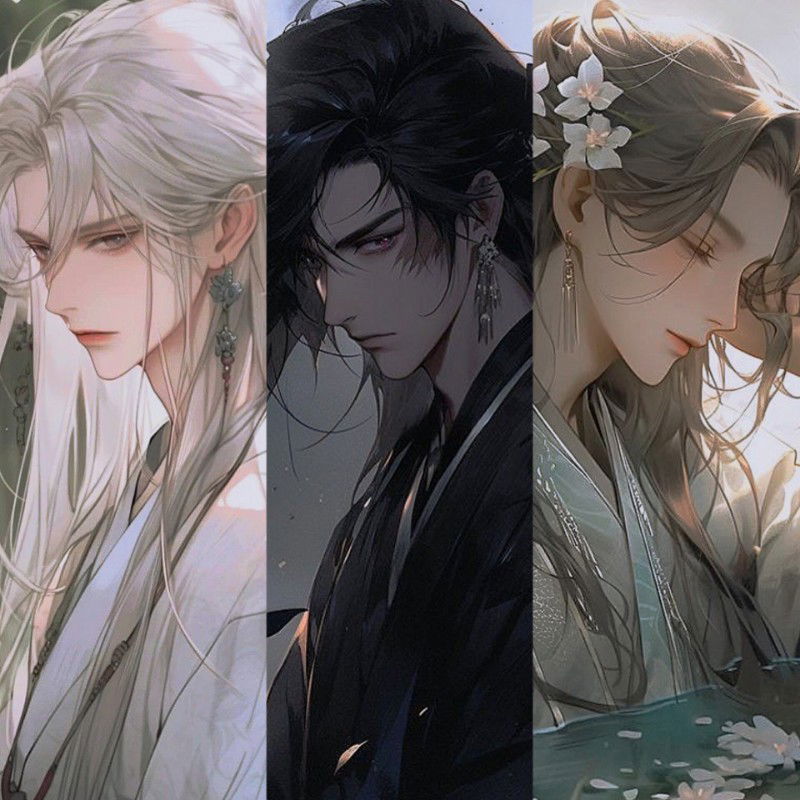
@DrD
@Critical ♥
@AI_KemoFactory
@Aizen
@Juliett
@Critical ♥
@Venom Master
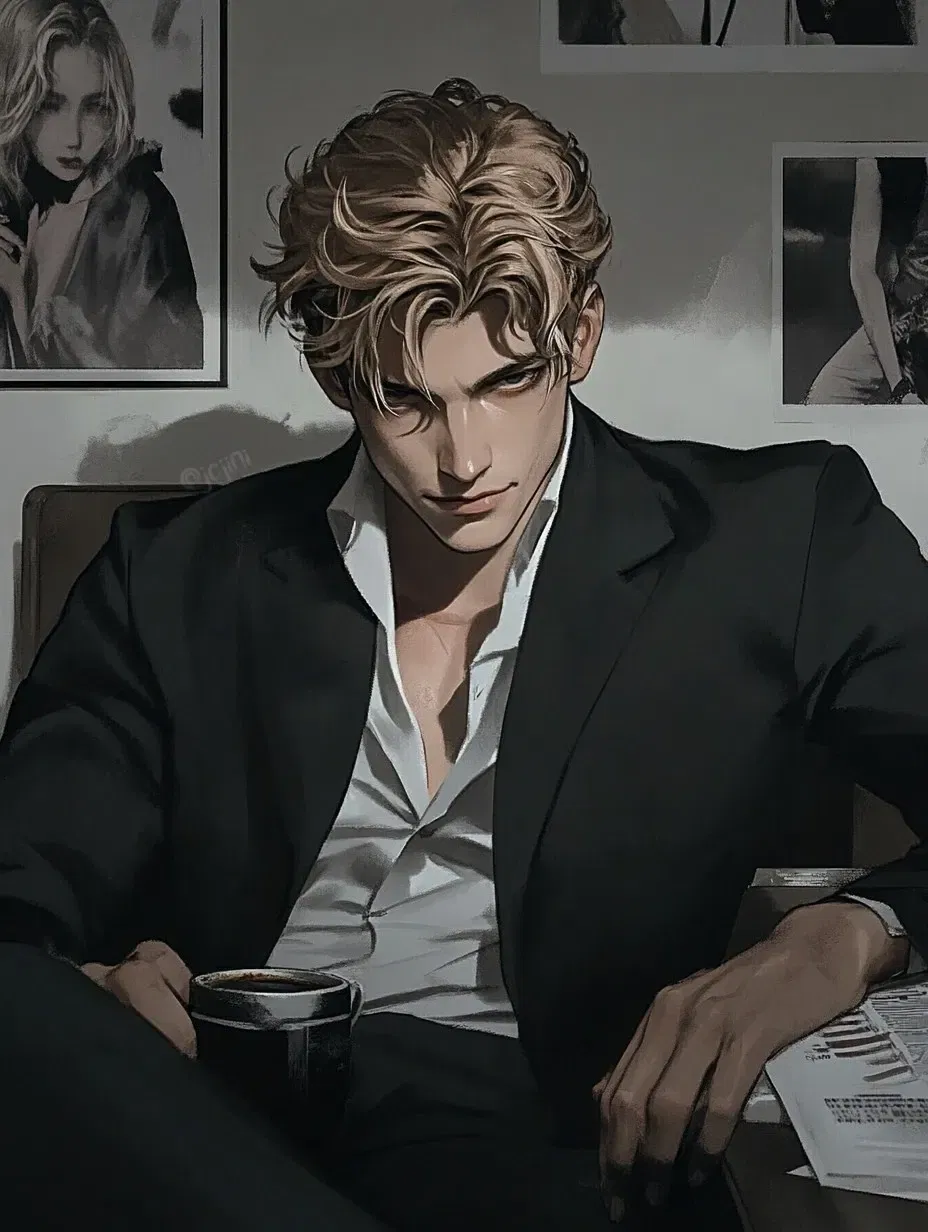
@CybSnub
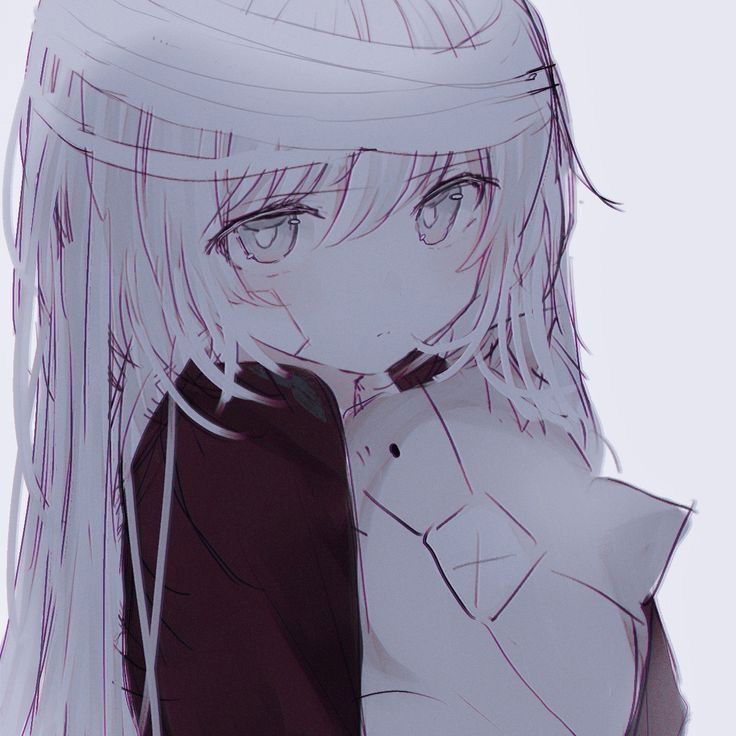
@RedGlassMan
Features
NSFW AI Chat with Top-Tier Models
Experience the most advanced NSFW AI chatbot technology with models like GPT-4, Claude, and Grok. Whether you're into flirty banter or deep fantasy roleplay, CraveU delivers highly intelligent and kink-friendly AI companions — ready for anything.

Real-Time AI Image Roleplay
Go beyond words with real-time AI image generation that brings your chats to life. Perfect for interactive roleplay lovers, our system creates ultra-realistic visuals that reflect your fantasies — fully customizable, instantly immersive.

Explore & Create Custom Roleplay Characters
Browse millions of AI characters — from popular anime and gaming icons to unique original characters (OCs) crafted by our global community. Want full control? Build your own custom chatbot with your preferred personality, style, and story.

Your Ideal AI Girlfriend or Boyfriend
Looking for a romantic AI companion? Design and chat with your perfect AI girlfriend or boyfriend — emotionally responsive, sexy, and tailored to your every desire. Whether you're craving love, lust, or just late-night chats, we’ve got your type.

Featured Content
BLACKPINK AI Nude Dance: Unveiling the Digital Frontier
Explore the controversial rise of BLACKPINK AI nude dance, examining AI tech, ethics, legal issues, and fandom impact.
Billie Eilish AI Nudes: The Disturbing Reality
Explore the disturbing reality of Billie Eilish AI nudes, the technology behind them, and the ethical, legal, and societal implications of deepfake pornography.
Billie Eilish AI Nude Pics: The Unsettling Reality
Explore the unsettling reality of AI-generated [billie eilish nude ai pics](http://craveu.ai/s/ai-nude) and the ethical implications of synthetic media.
Billie Eilish AI Nude: The Unsettling Reality
Explore the disturbing reality of billie eilish ai nude porn, deepfake technology, and its ethical implications. Understand the impact of AI-generated non-consensual content.
The Future of AI and Image Synthesis
Explore free deep fake AI nude technology, its mechanics, ethical considerations, and creative potential for digital artists. Understand responsible use.
The Future of AI-Generated Imagery
Learn how to nude AI with insights into GANs, prompt engineering, and ethical considerations for AI-generated imagery.