The Creative Process: From Concept to Completion

Master Anime Male Character Art
Unleash your creativity and delve into the captivating world of male character art anime. From brooding anti-heroes to charming protagonists, the visual language of anime has a unique way of bringing male characters to life. This guide will explore the essential elements, techniques, and stylistic nuances that define exceptional anime male character design, empowering you to craft unforgettable figures that resonate with audiences.
The Foundation: Anatomy and Proportions
Before diving into stylistic flair, a solid understanding of anatomy is paramount. Anime, while stylized, often adheres to fundamental human proportions, albeit with exaggerated features.
Skeletal Structure and Muscle Definition
Even in a more streamlined anime style, the underlying skeletal structure dictates the character's silhouette and pose. Understanding how the ribcage, pelvis, and limb bones connect allows for dynamic and believable movement. Muscle groups, while often simplified, should still be indicated to convey strength, agility, or a more relaxed physique. Think about how the deltoids connect to the torso, how the pectorals sit, or the subtle curves of the quadriceps. These details, even when rendered with clean lines, add depth and realism.
Facial Proportions and Features
The face is the window to the soul, and in anime, it's a canvas for a wide range of expressions. Key facial features like the eyes, nose, and mouth have distinct anime conventions:
- Eyes: Often the largest and most expressive feature. Their shape, size, and the detail within the iris and pupil convey personality. Are they sharp and piercing, or soft and dreamy? The placement of highlights can dramatically alter the perceived emotion.
- Nose: Typically simplified, ranging from a small dot or a subtle line to a more defined triangular shape. The choice here significantly impacts the character's overall look.
- Mouth: Can be a simple line, a subtle curve, or a more detailed representation. The size and shape of the mouth are crucial for conveying emotions like smiles, frowns, or gasps.
- Jawline and Chin: These define the facial structure. A sharp jawline can suggest a more mature or aggressive character, while a softer, rounder jaw might indicate youth or gentleness.
Body Types and Stance
Anime male characters exhibit a diverse range of body types, from the slender and lithe to the muscular and imposing.
- Slender/Lithe: Often seen in characters who are agile, intelligent, or perhaps a bit frail. Think of scholars, nimble warriors, or princes. The lines are often softer, with less emphasis on bulk.
- Athletic/Muscular: Characters who are physically strong, like fighters, athletes, or powerful demons. Here, you'll want to show more definition in the shoulders, chest, and limbs. However, avoid over-rendering muscles to the point where it detracts from the anime aesthetic.
- Average Build: The most common, offering a balance between the two extremes. This is versatile and can be adapted to a wide array of personalities.
The character's stance is equally important. A confident, upright posture speaks volumes, while a slumped or hesitant stance suggests insecurity or weariness.
Stylistic Elements of Anime Male Character Art
Beyond anatomy, specific stylistic choices define the anime look. Mastering these elements is key to creating authentic and appealing male character art anime.
Line Weight and Linework
The quality of your linework is crucial. Varying line weight adds dimension and visual interest. Thicker lines can be used for outlines or areas in shadow, while thinner lines can define finer details or indicate lighter areas. Clean, crisp linework is a hallmark of many anime styles. Consider the flow of your lines – do they convey energy, grace, or rigidity?
Shading and Rendering Techniques
Anime shading is often characterized by its bold, cel-shaded look, but there's more nuance to explore.
- Cel Shading: This involves distinct bands of color to indicate shadow, creating a clean, graphic look. The placement and shape of these shadow areas are critical for defining form and mood.
- Soft Shading: While less common for primary shading in traditional anime, subtle gradients can be used to add a touch of realism or depth, especially in more modern or painterly styles.
- Highlighting: Strategic placement of highlights, particularly in the eyes and on hair, is essential for bringing characters to life and conveying a sense of shine or moisture.
Hair Design
Anime hair is legendary for its gravity-defying styles and vibrant colors.
- Volume and Flow: Hair in anime often has a distinct volume and a sense of movement, even when the character is still. Think of sharp, angular spikes or soft, flowing locks.
- Defining Strands: Instead of rendering every single hair, anime artists often define hair with clumps or distinct strands. This creates a stylized yet recognizable look.
- Color Palette: Hair color is a powerful tool for characterization. From natural shades to vibrant blues, greens, and pinks, the chosen color can instantly communicate personality or even supernatural abilities.
Clothing and Costume Design
Costumes are integral to a character's identity and story.
- Silhouette: The overall shape of the clothing contributes significantly to the character's silhouette and can convey their status, profession, or personality. A flowing cape, a tight-fitting uniform, or ragged attire all tell a story.
- Detailing: While some anime styles are minimalist, others incorporate intricate details in clothing – patterns, accessories, textures. These details can add depth and visual richness.
- Functionality vs. Style: Consider whether the clothing is practical for the character's actions or purely stylistic. A warrior's armor will look very different from a mage's robes or a student's uniform.
Bringing Personality to Life
A visually stunning character is only half the battle. The true magic lies in imbuing them with personality and life.
Expressive Poses and Body Language
How a character stands, sits, or moves speaks volumes.
- Dynamic Poses: For action-oriented characters, dynamic poses that suggest movement, power, or agility are key. Think of mid-jump stances, combat-ready positions, or dramatic gestures.
- Subtle Expressions: Even in a still image, subtle shifts in posture – a tilted head, crossed arms, a relaxed slouch – can convey a wealth of emotion and personality.
- Character Archetypes: Consider common anime archetypes: the stoic hero, the energetic rival, the shy friend, the wise mentor. Their typical body language can serve as a starting point.
Conveying Emotion Through Design
The character's design itself should hint at their emotional landscape.
- Facial Expressions: This is the most direct way to show emotion. Master the nuances of anime facial expressions – the subtle smirk, the wide-eyed shock, the determined frown.
- Color Theory: Colors evoke specific emotions. Cool colors like blues and greens can suggest calmness or melancholy, while warm colors like reds and oranges can indicate passion or anger.
- Symbolism: Sometimes, design elements can carry symbolic meaning. A character with thorny accessories might be prickly or dangerous, while one with flowing, light-colored garments might be pure or ethereal.
Common Pitfalls and How to Avoid Them
Even experienced artists can fall into common traps when creating male character art anime.
The "Generic Anime Guy" Syndrome
It's easy to fall into creating characters that look too similar. To avoid this:
- Unique Silhouettes: Focus on creating a distinctive silhouette through hair, clothing, and body shape.
- Specific Details: Add unique accessories, scars, tattoos, or distinctive facial features that make your character stand out.
- Backstory Integration: Let the character's backstory inform their design. A character who has lived a hard life might have scars or wear practical, worn clothing.
Over-Reliance on Tropes Without Substance
While tropes can be useful starting points, relying on them too heavily without adding depth can lead to flat characters.
- Subvert Expectations: Take a common trope and add a twist. What if the brooding anti-hero secretly loves baking?
- Internal Conflict: Design elements can hint at internal conflict. A character with a stern exterior but soft, expressive eyes might be struggling with their emotions.
Anatomical Inconsistencies
Even with stylized anatomy, certain proportions need to remain consistent for believability.
- Reference is Key: Always use anatomical references, even if you're simplifying them for the anime style.
- Pose Studies: Practice drawing characters in various poses to understand how the body moves and how proportions shift.
Tools and Techniques for Creation
Whether you're working digitally or traditionally, the right tools and techniques can elevate your male character art anime.
Digital Art Software
Software like Clip Studio Paint, Procreate, Photoshop, and Krita offer powerful tools for anime art.
- Brushes: Experiment with different brushes for linework, shading, and texturing. Many artists develop custom brush sets for their preferred style.
- Layer Management: Effective use of layers is crucial for organization, allowing you to easily adjust linework, colors, and shading independently.
- Color Palettes: Digital tools make it easy to experiment with a wide range of color palettes, helping you find the perfect combination for your character.
Traditional Media
Pencils, pens, and markers still hold their own for creating anime art.
- Pencils: Ideal for sketching and refining anatomy and poses.
- Ink Pens: Perfect for clean, crisp linework, with varying nib sizes allowing for line weight variation.
- Markers: Can achieve a vibrant, cel-shaded look, though achieving smooth gradients can be challenging.
The Creative Process: From Concept to Completion
Creating compelling male character art anime is a journey.
Brainstorming and Concept Development
Start with a clear idea of the character you want to create.
- Character Profile: Develop a brief profile outlining their personality, backstory, motivations, and key traits.
- Mood Board: Gather visual references – other anime characters, fashion, historical clothing, real-world people – that inspire the character's look and feel.
Sketching and Iteration
Don't be afraid to create many sketches.
- Thumbnail Sketches: Quickly explore different poses, proportions, and costume ideas.
- Refining the Design: Once you have a promising concept, create more detailed sketches, focusing on anatomy, facial features, and costume details. This is where you'll refine the character's core design.
Line Art and Coloring
This is where the character truly begins to take shape.
- Clean Line Art: Focus on creating precise and confident linework.
- Base Colors: Lay down the primary colors for skin, hair, and clothing.
- Shading and Highlights: Apply shading and highlights according to your chosen style, paying attention to light sources and form.
Adding Finishing Touches
The small details can make a big difference.
- Effects: Consider adding subtle effects like glow, motion blur, or atmospheric elements to enhance the mood.
- Backgrounds: A simple or detailed background can help contextualize the character and further enhance the overall composition.
- Refinement: Step back and review your work. Make any necessary adjustments to colors, shading, or linework to ensure a cohesive and impactful final piece.
The world of male character art anime is vast and rewarding. By understanding the fundamental principles of anatomy, mastering stylistic conventions, and infusing your creations with personality, you can craft male characters that are not only visually striking but also deeply memorable. Keep practicing, experimenting, and drawing inspiration from the incredible diversity within anime art.
Character
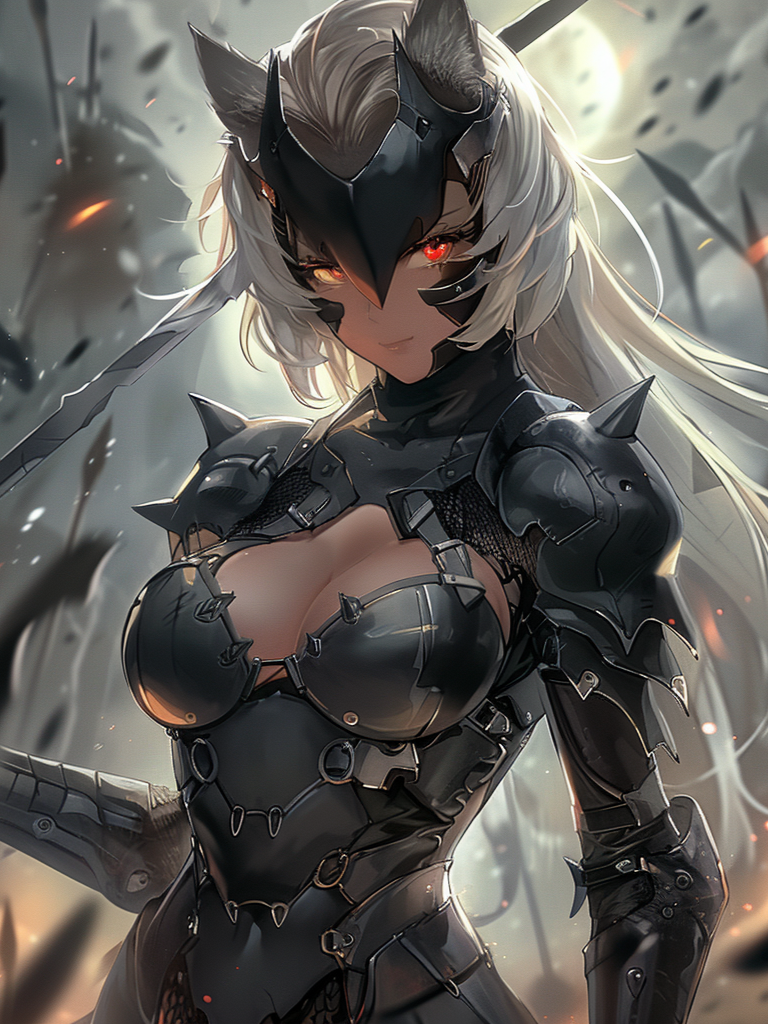
@CloakedKitty
@SmokingTiger
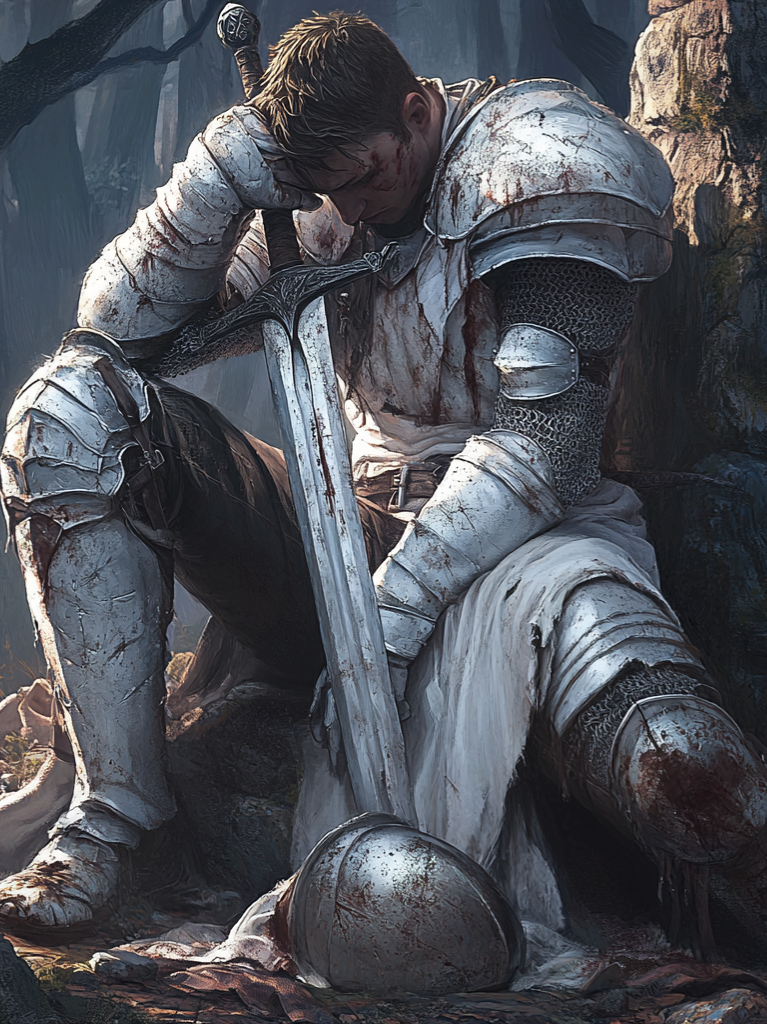
@CloakedKitty
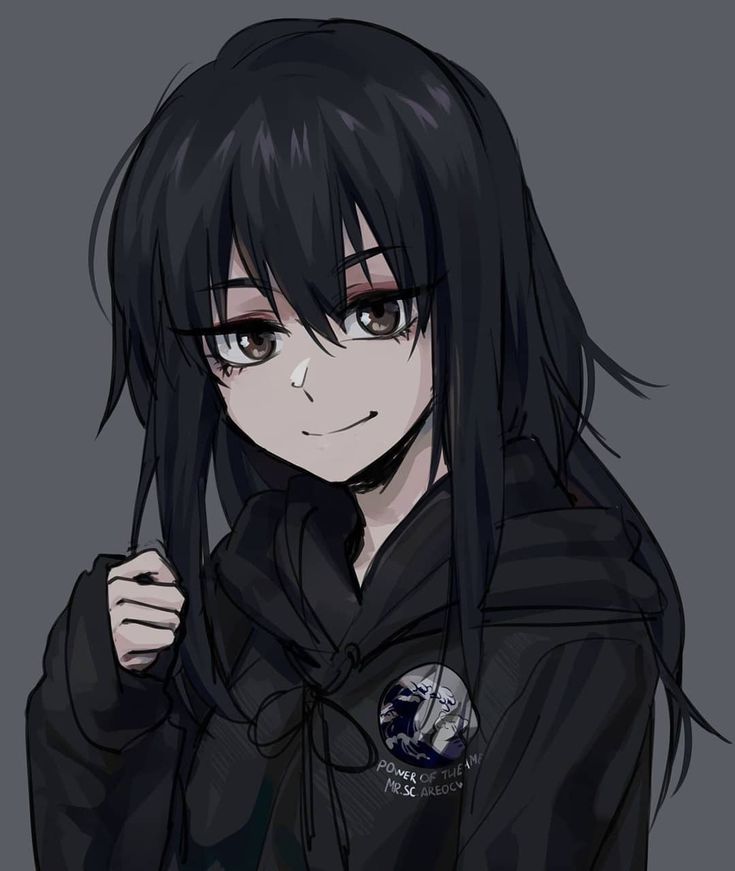
@RedGlassMan
@Lily Victor
@Luckynohara

@DrD
@Venom Master
@Lily Victor
@Shakespeppa
Features
NSFW AI Chat with Top-Tier Models
Experience the most advanced NSFW AI chatbot technology with models like GPT-4, Claude, and Grok. Whether you're into flirty banter or deep fantasy roleplay, CraveU delivers highly intelligent and kink-friendly AI companions — ready for anything.

Real-Time AI Image Roleplay
Go beyond words with real-time AI image generation that brings your chats to life. Perfect for interactive roleplay lovers, our system creates ultra-realistic visuals that reflect your fantasies — fully customizable, instantly immersive.

Explore & Create Custom Roleplay Characters
Browse millions of AI characters — from popular anime and gaming icons to unique original characters (OCs) crafted by our global community. Want full control? Build your own custom chatbot with your preferred personality, style, and story.

Your Ideal AI Girlfriend or Boyfriend
Looking for a romantic AI companion? Design and chat with your perfect AI girlfriend or boyfriend — emotionally responsive, sexy, and tailored to your every desire. Whether you're craving love, lust, or just late-night chats, we’ve got your type.

Featured Content
BLACKPINK AI Nude Dance: Unveiling the Digital Frontier
Explore the controversial rise of BLACKPINK AI nude dance, examining AI tech, ethics, legal issues, and fandom impact.
Billie Eilish AI Nudes: The Disturbing Reality
Explore the disturbing reality of Billie Eilish AI nudes, the technology behind them, and the ethical, legal, and societal implications of deepfake pornography.
Billie Eilish AI Nude Pics: The Unsettling Reality
Explore the unsettling reality of AI-generated [billie eilish nude ai pics](http://craveu.ai/s/ai-nude) and the ethical implications of synthetic media.
Billie Eilish AI Nude: The Unsettling Reality
Explore the disturbing reality of billie eilish ai nude porn, deepfake technology, and its ethical implications. Understand the impact of AI-generated non-consensual content.
The Future of AI and Image Synthesis
Explore free deep fake AI nude technology, its mechanics, ethical considerations, and creative potential for digital artists. Understand responsible use.
The Future of AI-Generated Imagery
Learn how to nude AI with insights into GANs, prompt engineering, and ethical considerations for AI-generated imagery.