Conclusion: The Art of the Standing Pose

Male Anime Character Poses: A Masterclass
The art of depicting male anime characters in dynamic and compelling standing poses is a cornerstone of visual storytelling in the anime industry. From the stoic hero ready for battle to the contemplative wanderer, the way a character stands conveys a wealth of information about their personality, mood, and current situation. Mastering these poses requires a deep understanding of anatomy, weight distribution, and the subtle nuances of body language. This guide delves into the intricacies of creating impactful standing poses for male anime characters, offering insights and techniques that will elevate your artwork.
The Foundation: Understanding Anatomy and Balance
Before we even think about dynamic action, a solid grasp of fundamental anatomy is crucial. Male characters, while stylized in anime, still adhere to basic human proportions. Understanding the skeletal structure, muscle groups, and how they interact is paramount. When a character stands, their weight is distributed across their feet. This distribution dictates the entire posture.
Consider the pelvis as the central pivot point. The angle of the pelvis, whether tilted forward, backward, or neutral, directly influences the curve of the spine and the position of the torso. A slight forward tilt might suggest confidence or aggression, while a backward tilt could indicate defensiveness or a more relaxed stance.
The spine itself isn't a rigid rod; it has natural curves – the cervical lordosis in the neck, the thoracic kyphosis in the upper back, and the lumbar lordosis in the lower back. These curves are essential for creating natural-looking poses, even in a stylized medium like anime. Exaggerating or simplifying these curves can be a stylistic choice, but ignoring them entirely leads to stiff, unnatural figures.
Weight transfer is another critical element. A character standing with both feet evenly planted is in a neutral, stable pose. However, most compelling poses involve shifting weight onto one leg, creating an asymmetrical balance. This is known as a contrapposto stance, a classical art principle that remains highly relevant in anime character design. When weight is shifted to one leg, the hip on that side rises, and the opposite hip drops. This creates a subtle S-curve through the torso, adding life and dynamism.
Exploring Different Standing Perspectives
The viewpoint from which we observe a character dramatically alters the perception of their pose. Understanding how foreshortening and perspective affect the body is key to creating convincing and engaging visuals.
Eye-Level View
This is the most common and neutral perspective, offering a direct and unadulterated view of the character. At eye-level, proportions appear most natural. A character standing with a neutral stance will appear grounded and stable.
- Confident Stance: Shoulders back, chest slightly out, weight balanced or shifted slightly onto one leg. The head is held high, looking directly forward. This conveys self-assurance and readiness.
- Relaxed Stance: Shoulders might be slightly slumped, weight shifted comfortably onto one leg, perhaps with one hand in a pocket or resting on the hip. This suggests ease and a lack of immediate threat.
- Nervous Stance: Shoulders may be hunched, weight might shift from foot to foot, and the character might avoid direct eye contact. This communicates anxiety or uncertainty.
Low-Angle View (Looking Up)
When viewed from below, characters appear larger, more imposing, and powerful. This perspective is often used for protagonists in moments of triumph or for antagonists to emphasize their dominance.
- Heroic Pose: The character’s chest and shoulders will appear broader, their legs longer and more powerful. The upward angle emphasizes their upward gaze and determined expression. The feet might be planted firmly, or one leg might be forward, pushing off the ground, suggesting imminent action.
- Intimidating Pose: A low angle can make even a neutral stance look threatening. The character’s head might be tilted slightly down, creating a shadow over their eyes, adding to the mystery and menace. The sheer scale emphasized by the low angle makes them seem unapproachable.
High-Angle View (Looking Down)
Conversely, viewing a character from above diminishes their perceived size and power. This perspective can be used to emphasize vulnerability, defeat, or a sense of detachment.
- Vulnerable Pose: The character’s shoulders might appear rounded, their head bowed. The upward tilt of the head, if present, can look like a plea or a sign of weakness. The feet might be closer together, suggesting a lack of stability.
- Contemplative Pose: A character looking down from a high vantage point can appear introspective or even melancholic. The downward gaze directs the viewer's attention to their feet or the ground, emphasizing their isolation or the weight of their thoughts.
Dynamic Standing Poses: Adding Life and Action
Beyond basic stances, dynamic poses inject energy and narrative into your artwork. These poses often involve implied movement or a moment captured just before or after an action.
The "Action Ready" Pose
This is a classic for a reason. It conveys anticipation and the potential for immediate movement.
- Weight Shift: The character’s weight is firmly planted on the back leg, while the front leg is bent, ready to spring forward.
- Torso Twist: The torso is often slightly twisted away from the direction of movement, creating tension and a coiled energy.
- Arm Placement: Arms can be positioned in various ways: one forward for balance, one back for power, or both ready to strike or defend. The angle of the arms and hands can communicate the type of action anticipated – a sword draw, a punch, or a defensive guard.
- Head Direction: The head is usually turned towards the anticipated action, eyes focused and alert.
The "Moment of Impact" Pose
Capturing the peak of an action, like a punch landing or a sword strike connecting, requires careful attention to the forces at play.
- Exaggerated Weight Transfer: The body is often fully committed to the movement, with the back leg driving forward and the front leg absorbing impact.
- Counter-Rotation: The hips and shoulders rotate in opposite directions to generate maximum power. For example, if the right arm is punching forward, the left hip will likely be pushing forward.
- Body Compression and Extension: Depending on the action, the body might be compressed (like bracing for impact) or extended (like a full swing).
- Facial Expression: Crucial for conveying the intensity of the moment. Gritted teeth, narrowed eyes, and strained muscles are common.
The "Aftermath" Pose
Poses after an action can be just as expressive, conveying exhaustion, relief, or the lingering effects of exertion.
- Relaxed but Alert: The character might be catching their breath, shoulders slightly lowered, but still aware of their surroundings.
- Strained Muscles: Muscles might be visibly tensed or trembling from exertion.
- Weight Distribution: Weight might be shifted heavily onto one leg, or the character might be leaning against something for support.
- Facial Expression: Can range from triumphant relief to weary satisfaction.
Incorporating Character Personality
The most compelling standing poses are those that reflect the character’s inner world. Think about their personality traits and how they would manifest physically.
- The Stoic Warrior: Often stands with feet shoulder-width apart, weight evenly distributed, shoulders squared, and a neutral, unwavering gaze. Their posture is solid, unyielding, like a rock.
- The Energetic Youth: Might be caught mid-step, leaning forward, arms gesturing expressively, or even bouncing on the balls of their feet. Their poses are rarely static.
- The Mysterious Wanderer: Could be depicted with a slight slouch, one hand perhaps tucked into a pocket or resting on a hip, head tilted slightly, observing the world with a detached air.
- The Arrogant Noble: Often stands with chest puffed out, chin raised, weight shifted back onto the heels, and a condescending smirk. Their poses exude an air of superiority.
Consider the small details: the way a hand rests on a hip, the angle of the head, the tension in the shoulders, the placement of the feet. These elements, combined with the overall body posture, tell a story. For instance, a character with their arms crossed might appear defensive or confident, depending on the context and other body language cues.
Common Pitfalls and How to Avoid Them
Even experienced artists can fall into common traps when drawing standing poses.
- The "T-Pose" or "Mannequin Pose": This is when the character stands with arms perfectly straight down at their sides, feet parallel. It's incredibly static and unnatural. Always introduce a slight bend in the knees, a shift in weight, or a natural arm position.
- Ignoring Weight Distribution: Poses that look like the character is floating or defying gravity without a clear reason. Ensure the feet are grounded and the weight is distributed believably.
- Stiff Limbs: Arms and legs should rarely be perfectly straight unless the character is actively bracing or in a very specific, rigid pose. Introduce subtle bends and curves.
- Lack of Foreshortening: When drawing from extreme angles, failing to foreshorten limbs or the torso can make the character look flat and distorted in the wrong way. Study anatomy and perspective to understand how forms change when viewed from different angles.
- Inconsistent Anatomy: Drawing limbs at unnatural lengths or angles relative to the torso. Always refer back to anatomical references, even for stylized characters.
Advanced Techniques and Stylization
Anime art often pushes the boundaries of realism for stylistic effect. This is where understanding the fundamentals allows for creative interpretation.
- Exaggerated Proportions: While maintaining anatomical integrity, artists often play with proportions – longer legs for a more dynamic silhouette, broader shoulders for a heroic feel.
- Line Weight and Flow: The way lines are drawn can enhance the feeling of movement and energy. Thicker lines can convey weight and power, while thinner, flowing lines can suggest grace or speed.
- Dynamic Silhouettes: A strong silhouette is instantly recognizable and communicates the character's essence even without facial details. Experiment with poses that create interesting and unique shapes.
- Using Props: Incorporating weapons, bags, or environmental elements can naturally lead to more dynamic and believable poses. A character leaning on a sword, for example, creates a distinct and characterful stance.
When creating an AI boyfriend chat, the artist's ability to convey emotion and personality through standing poses is paramount. A character designed for a romantic simulation needs to appear approachable, perhaps a little vulnerable, or confidently charming, all communicated through their posture.
Conclusion: The Art of the Standing Pose
Mastering the art of male anime character standing poses is an ongoing journey. It requires a blend of anatomical knowledge, an understanding of perspective, and a keen eye for storytelling. By focusing on weight distribution, subtle body language, and the impact of different viewpoints, you can create characters that are not only visually appealing but also deeply resonant. Remember that every pose is an opportunity to reveal something about the character – their strength, their vulnerability, their intentions.
The next time you approach drawing a male anime character, consider the story their stance is telling. Are they ready to face the world, or are they retreating from it? Are they confident in their power, or are they hiding a secret? The answers lie in the subtle curves of their spine, the placement of their feet, and the angle of their gaze. Keep practicing, keep observing, and keep pushing the boundaries of your creativity. The ability to render a compelling male anime character standing is a skill that will serve you well across countless artistic endeavors.
The nuances of how a male anime character standing can convey a vast spectrum of emotions and intentions are truly remarkable. It’s a testament to the power of visual language in storytelling.
Character
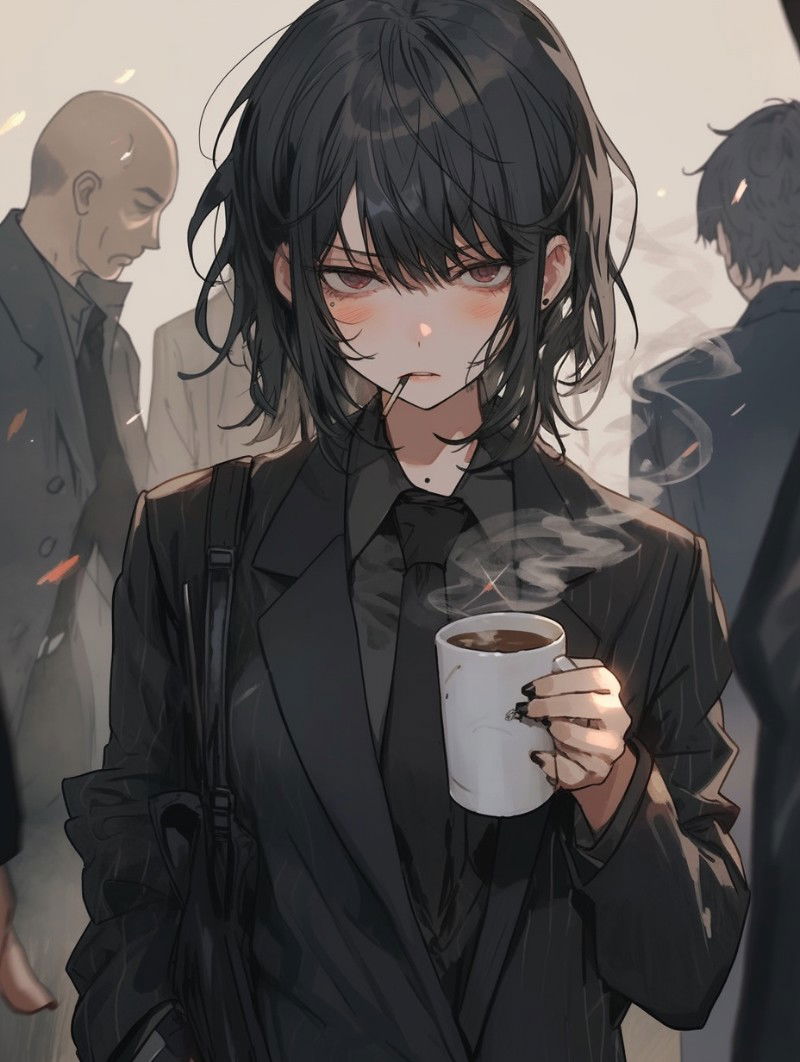
@AI_KemoFactory
@CloakedKitty
@CoffeeCruncher
@FallSunshine
@FallSunshine
@Lily Victor
@CloakedKitty
@Shakespeppa
@CybSnub
@AI_Visionary
Features
NSFW AI Chat with Top-Tier Models
Experience the most advanced NSFW AI chatbot technology with models like GPT-4, Claude, and Grok. Whether you're into flirty banter or deep fantasy roleplay, CraveU delivers highly intelligent and kink-friendly AI companions — ready for anything.

Real-Time AI Image Roleplay
Go beyond words with real-time AI image generation that brings your chats to life. Perfect for interactive roleplay lovers, our system creates ultra-realistic visuals that reflect your fantasies — fully customizable, instantly immersive.

Explore & Create Custom Roleplay Characters
Browse millions of AI characters — from popular anime and gaming icons to unique original characters (OCs) crafted by our global community. Want full control? Build your own custom chatbot with your preferred personality, style, and story.

Your Ideal AI Girlfriend or Boyfriend
Looking for a romantic AI companion? Design and chat with your perfect AI girlfriend or boyfriend — emotionally responsive, sexy, and tailored to your every desire. Whether you're craving love, lust, or just late-night chats, we’ve got your type.

Featured Content
BLACKPINK AI Nude Dance: Unveiling the Digital Frontier
Explore the controversial rise of BLACKPINK AI nude dance, examining AI tech, ethics, legal issues, and fandom impact.
Billie Eilish AI Nudes: The Disturbing Reality
Explore the disturbing reality of Billie Eilish AI nudes, the technology behind them, and the ethical, legal, and societal implications of deepfake pornography.
Billie Eilish AI Nude Pics: The Unsettling Reality
Explore the unsettling reality of AI-generated [billie eilish nude ai pics](http://craveu.ai/s/ai-nude) and the ethical implications of synthetic media.
Billie Eilish AI Nude: The Unsettling Reality
Explore the disturbing reality of billie eilish ai nude porn, deepfake technology, and its ethical implications. Understand the impact of AI-generated non-consensual content.
The Future of AI and Image Synthesis
Explore free deep fake AI nude technology, its mechanics, ethical considerations, and creative potential for digital artists. Understand responsible use.
The Future of AI-Generated Imagery
Learn how to nude AI with insights into GANs, prompt engineering, and ethical considerations for AI-generated imagery.