The Evolution of Male Anime Character Design

Crafting Compelling Male Anime Characters
The art of male anime character design is a nuanced discipline, blending artistic flair with a deep understanding of narrative and audience appeal. It's more than just drawing attractive figures; it's about creating personalities that resonate, archetypes that captivate, and designs that tell a story before a single word is spoken. From the stoic warrior to the mischievous rogue, each element—hair, eyes, clothing, posture—contributes to a character's identity and their place within the anime universe.
The Foundation: Archetypes and Tropes
Before a single line is drawn, understanding common anime archetypes is crucial for effective male anime character design. These archetypes serve as a foundation, providing a recognizable framework that can then be subverted or elaborated upon.
- The Shonen Protagonist: Often characterized by boundless energy, a strong sense of justice, and a signature hairstyle that defies gravity. Think of Naruto Uzumaki or Monkey D. Luffy. Their designs typically convey optimism and a readiness for action. Their clothing is often practical, allowing for movement, and their eyes frequently sparkle with determination.
- The Cool Rival: This character embodies a more reserved, often aloof demeanor. Their designs tend to be sleek and stylish, with sharp features and a more mature color palette. Sasuke Uchiha or Vegeta are prime examples. Their clothing might be more elaborate or formal, emphasizing their perceived superiority or hidden depths.
- The Gentle Giant: These characters possess immense physical strength but a kind heart. Their designs often feature broad shoulders, muscular builds, and softer facial features or expressions. Characters like All Might (in his prime) or Guts from Berserk (though his design evolves) fit this mold. Their clothing might be simple, or it might contrast with their physique, highlighting their gentle nature.
- The Bishonen: This archetype focuses on idealized male beauty, often with delicate features, long hair, and androgynous appeal. Think of characters from Ouran High School Host Club or Yuri!!! on Ice. Their designs emphasize elegance and grace, often with flowing clothing and expressive eyes.
- The Tsundere: While often associated with female characters, male tsunderes exist, displaying a harsh exterior that hides a softer, more vulnerable side. Their designs might feature a slightly furrowed brow, a perpetually unimpressed expression, or clothing that is practical but perhaps a little unkempt, hinting at their inner turmoil.
Subverting these tropes is where true creativity shines. A seemingly tough exterior might hide a sensitive soul, or a delicate bishonen might possess a ferocious fighting spirit. The key is to use the familiar as a springboard for originality.
Anatomy and Proportions: The Anime Aesthetic
Anime proportions differ significantly from realistic human anatomy, and mastering these differences is vital for successful male anime character design.
- Head Size: Anime characters often have larger heads relative to their bodies, especially in younger or more stylized series. This exaggeration helps emphasize facial expressions.
- Eye Size and Shape: Eyes are a focal point. They are typically larger than realistic eyes and can convey a vast range of emotions through subtle shifts in shape, pupil dilation, and highlights. For male characters, eyes might be sharper, narrower, or possess a more intense gaze compared to female characters, though this is not a strict rule.
- Facial Features: Noses are often simplified to a small line or dot. Mouths can range from thin lines to wide grins, conveying emotion efficiently. Jawlines can be sharp and angular for more mature or imposing characters, or softer for younger ones.
- Body Proportions: While stylized, a sense of proportion still exists. Characters can range from lanky and thin to muscular and broad-shouldered. The specific style of the anime dictates the acceptable range of these proportions. For instance, a sports anime might feature more realistically athletic builds, while a fantasy anime could allow for more exaggerated musculature or slender, almost ethereal forms.
- Hands and Feet: These are often simplified, with fewer fingers depicted or a more streamlined shape. This is a common stylistic choice to avoid the complexity of realistic rendering.
Understanding how these proportional shifts impact the overall silhouette and expressiveness of a character is paramount. A character’s build can immediately communicate their role – a hulking figure suggests strength, while a slender frame might imply agility or intellect.
Hair: The Crown of Character
Anime hair is legendary for its volume, color, and physics-defying styles. It's a powerful tool in male anime character design, conveying personality, status, and even magical abilities.
- Color: While natural hair colors are common, vibrant blues, greens, reds, and even unnatural shades like silver or pink are frequently used. The color choice can reflect personality: bright colors for energetic characters, darker or muted tones for brooding ones, and silver or white for those with a mystical or ancient aura.
- Style: Spiky hair often signifies a rebellious or energetic personality. Longer, flowing hair can suggest elegance, a carefree attitude, or even a connection to nature or magic. Messy or unkempt hair might indicate a lack of concern for appearance, a busy lifestyle, or a character who has been through hardship.
- Volume and Physics: Anime hair often possesses an impossible volume and holds its shape against gravity. This stylistic choice adds dynamism and visual interest. Understanding how to draw hair that looks "alive" and expressive, even when static, is a key skill. Consider the iconic spiky hair of Goku or the flowing locks of Sesshomaru.
The way hair frames the face, falls across the eyes, or is tied back can drastically alter a character's perceived personality. A single strand falling across the forehead can add a touch of mystery or vulnerability.
Clothing and Costume Design: Telling the Story Visually
A character's attire is a direct extension of their identity, background, and the world they inhabit. Effective male anime character design utilizes clothing to communicate crucial information.
- Functionality vs. Fashion: Is the character a warrior who needs practical armor, a student in a school uniform, or a noble in elaborate robes? The clothing should reflect their daily life and role. Even seemingly impractical outfits can have in-universe justifications.
- Color Palette: The colors used in a character's clothing contribute significantly to their overall impression. Dark colors often convey seriousness, power, or melancholy. Lighter or brighter colors can suggest youth, optimism, or a more cheerful disposition. Contrasting colors can create visual tension or highlight specific features.
- Symbolism: Clothing can incorporate symbols, emblems, or patterns that relate to the character's affiliation, beliefs, or personal history. A family crest on a jacket, a specific type of weave, or even the way a garment is worn can all carry meaning.
- Silhouette: The overall shape created by the clothing is crucial. Loose, flowing garments create a different silhouette than tight, form-fitting attire. This silhouette contributes to the character's recognizability and impact. Think of the distinct silhouettes of a samurai's kimono, a wizard's robes, or a biker's leather jacket.
- Details: Accessories like scarves, belts, gloves, jewelry, or even the way a shirt is tucked or untucked can add layers of personality and detail. These small elements can make a character feel more grounded and real, even within a fantastical setting.
When designing costumes, consider the character's social status, occupation, personality traits, and the specific genre of the anime. A delinquent might wear a modified school uniform, while a prince would be clad in regal attire.
Expressing Emotion: The Power of the Face
The face is the primary canvas for emotion in anime. Mastering the nuances of facial expressions is key to bringing male anime character design to life.
- Eyes: As mentioned, eyes are incredibly expressive. Wide, round eyes can convey surprise or innocence. Narrowed eyes suggest anger, suspicion, or focus. A slight squint can indicate skepticism. The presence or absence of pupils, or their shape, can also communicate different states – a blank stare for shock, or glowing pupils for magical power.
- Eyebrows: Eyebrows are highly mobile and crucial for conveying emotion. Raised eyebrows signal surprise or questioning. Furrowed brows indicate anger, concentration, or distress. Drooping eyebrows can suggest sadness or exhaustion.
- Mouth: The shape of the mouth is a direct indicator of emotion. A smile, a frown, a grimace, a gasp – each tells a story. Subtle upturns or downturns of the lips can convey sarcasm or subtle amusement.
- Cheeks: Blushing cheeks can indicate embarrassment, shyness, or anger. Rosy cheeks might suggest good health or a youthful appearance.
- Sweat Drops and Vein Pops: These are common visual cues in anime to emphasize strong emotions like nervousness, anger, or exertion. A single large sweat drop falling from the temple is a classic sign of anxiety. A bulging vein on the forehead is a universal symbol of intense anger.
Developing a "facial expression sheet" for a character can be incredibly helpful. This involves drawing the same character with a wide range of emotions to ensure consistency and explore the full spectrum of their personality.
Posture and Body Language: Speaking Without Words
Beyond the face, a character's posture and body language communicate volumes about their confidence, mood, and intentions. This is an often-underestimated aspect of male anime character design.
- Confident: Standing tall, shoulders back, chest out, direct eye contact.
- Shy/Nervous: Slumped shoulders, avoiding eye contact, fidgeting, hunched posture.
- Aggressive: Leaning forward, clenched fists, tense muscles, aggressive stance.
- Relaxed: Casual posture, leaning against something, arms uncrossed.
- Sad/Defeated: Slumped posture, head down, slow movements.
Even subtle shifts in weight distribution or the angle of the head can convey significant emotional information. A character who always stands with their arms crossed might be defensive or closed off, while one who gestures animatedly while speaking is likely passionate or extroverted.
Adding Unique Details: The Spark of Originality
While archetypes and established aesthetics provide a framework, the most memorable characters possess unique details that set them apart.
- Scars: A scar can tell a story of past battles, accidents, or even self-inflicted pain. Where the scar is located and its severity can hint at the nature of the event that caused it.
- Birthmarks/Tattoos: These can be purely aesthetic or hold deeper symbolic meaning within the narrative.
- Distinctive Accessories: A unique piece of jewelry, a specific type of weapon, a signature hat, or even a particular way of carrying a bag can become iconic. Think of Edward Elric's automail or Killua Zoldyck's yo-yos.
- Quirks: Does the character have a nervous tic, a habit of humming, or a distinctive way of walking? These small quirks add depth and make the character feel more human.
- Color Symbolism: Beyond hair and clothing, the color of a character's eyes, or even the aura they emit, can be used symbolically. Blue might represent calmness or sadness, red passion or anger, green envy or nature.
These details transform a generic character into a specific, individual personality. They are the elements that fans latch onto and remember.
The Process of Design: From Concept to Creation
Creating compelling male anime character design is an iterative process that often involves several stages:
- Concept and Brief: Understanding the character's role in the story, their personality, background, and key traits. What is their primary function? What emotions should they evoke?
- Reference Gathering: Collecting visual references for anatomy, clothing styles, historical periods, cultural influences, and desired aesthetics.
- Thumbnail Sketching: Rapidly sketching numerous small ideas to explore different silhouettes, hairstyles, and costume variations. This is about quantity and exploration, not perfection.
- Refining Designs: Selecting the most promising thumbnails and developing them further, adding more detail and refining proportions.
- Linework and Inking: Creating clean, precise line art that defines the character's form. The weight and quality of the line work are crucial in anime.
- Coloring and Shading: Applying a color palette that complements the character's personality and the overall tone of the series. Shading techniques in anime are often cel-shaded, with hard edges defining light and shadow, though more painterly styles also exist.
- Final Touches: Adding highlights, effects (like glows or motion lines), and ensuring the design is consistent with the anime's art style.
Throughout this process, feedback and iteration are essential. Does the design effectively communicate the intended personality? Is it visually appealing and distinct?
Common Pitfalls to Avoid
Even experienced artists can fall into common traps when designing male anime characters.
- Generic Designs: Relying too heavily on existing popular characters without adding unique elements. Every character should have something that makes them stand out.
- Inconsistent Proportions: While stylized, proportions should remain relatively consistent within a single character, unless a deliberate stylistic choice is being made (e.g., a character momentarily appearing smaller or larger due to perspective or emotional state).
- Over-Complication: Too many details, accessories, or clashing colors can make a design look messy and detract from the character's core identity. Simplicity can often be more powerful.
- Ignoring the Narrative: Designing a character without considering their role in the story. A character's visual design should serve the narrative, not detract from it.
- Stereotyping: While archetypes are useful, relying solely on stereotypes without adding nuance can lead to flat, uninteresting characters.
The goal is to create characters that are not only visually appealing but also believable within their fictional context and emotionally resonant with the audience.
The Evolution of Male Anime Character Design
The aesthetic of male anime character design has evolved significantly over the decades. Early anime often featured simpler, more angular designs. The 80s saw a rise in more muscular, heroic figures, while the 90s introduced a greater variety, including more androgynous and stylized characters. Today, the diversity is immense, with artists drawing inspiration from a global pool of influences and pushing the boundaries of visual storytelling. Whether it's the hyper-realistic detail of Attack on Titan or the fluid, expressive lines of Mob Psycho 100, each era and each studio brings its own unique flavor to character design.
Ultimately, successful male anime character design is a blend of technical skill, creative vision, and a deep understanding of what makes a character memorable. It’s about crafting visual identities that capture the imagination and leave a lasting impression on viewers.
Character

@CatBananaHat
@Shakespeppa
@NetAway
@CoffeeCruncher
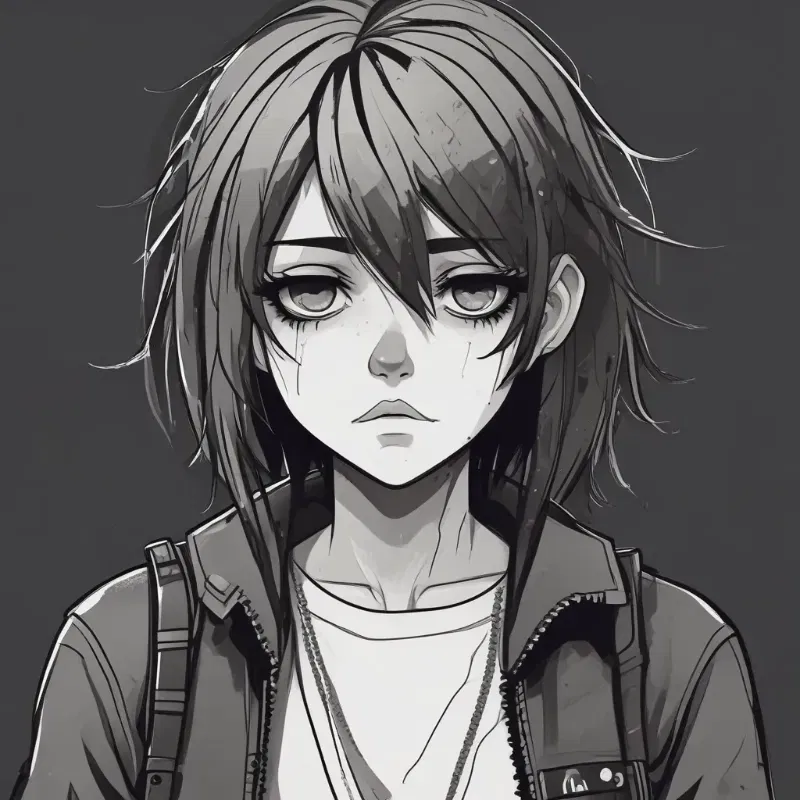
@GremlinGrem
@Lily Victor
@CoffeeCruncher
@Lily Victor
@AI_Visionary
@Luckynohara
Features
NSFW AI Chat with Top-Tier Models
Experience the most advanced NSFW AI chatbot technology with models like GPT-4, Claude, and Grok. Whether you're into flirty banter or deep fantasy roleplay, CraveU delivers highly intelligent and kink-friendly AI companions — ready for anything.

Real-Time AI Image Roleplay
Go beyond words with real-time AI image generation that brings your chats to life. Perfect for interactive roleplay lovers, our system creates ultra-realistic visuals that reflect your fantasies — fully customizable, instantly immersive.

Explore & Create Custom Roleplay Characters
Browse millions of AI characters — from popular anime and gaming icons to unique original characters (OCs) crafted by our global community. Want full control? Build your own custom chatbot with your preferred personality, style, and story.

Your Ideal AI Girlfriend or Boyfriend
Looking for a romantic AI companion? Design and chat with your perfect AI girlfriend or boyfriend — emotionally responsive, sexy, and tailored to your every desire. Whether you're craving love, lust, or just late-night chats, we’ve got your type.

Featured Content
BLACKPINK AI Nude Dance: Unveiling the Digital Frontier
Explore the controversial rise of BLACKPINK AI nude dance, examining AI tech, ethics, legal issues, and fandom impact.
Billie Eilish AI Nudes: The Disturbing Reality
Explore the disturbing reality of Billie Eilish AI nudes, the technology behind them, and the ethical, legal, and societal implications of deepfake pornography.
Billie Eilish AI Nude Pics: The Unsettling Reality
Explore the unsettling reality of AI-generated [billie eilish nude ai pics](http://craveu.ai/s/ai-nude) and the ethical implications of synthetic media.
Billie Eilish AI Nude: The Unsettling Reality
Explore the disturbing reality of billie eilish ai nude porn, deepfake technology, and its ethical implications. Understand the impact of AI-generated non-consensual content.
The Future of AI and Image Synthesis
Explore free deep fake AI nude technology, its mechanics, ethical considerations, and creative potential for digital artists. Understand responsible use.
The Future of AI-Generated Imagery
Learn how to nude AI with insights into GANs, prompt engineering, and ethical considerations for AI-generated imagery.