CraveU

Conclusion: A Spectrum of Emotion

Explore the captivating differences between Kuudere and Tsundere anime character archetypes. Understand their traits, appeal, and unique emotional expressions.
Start Now
craveu cover image

Decoding the Kuudere Archetype

The term "Kuudere" is a portmanteau of the Japanese words "kuru" (cool) and "deredere" (lovey-dovey). This combination perfectly encapsulates the essence of this character type: outwardly aloof, calm, and often emotionless, but possessing a hidden warmth and affection that gradually surfaces. Kuuderes are not inherently cold or uncaring; rather, they struggle with expressing their emotions openly. Their reserved nature can be a defense mechanism, a result of past experiences, or simply an innate personality trait.

Key Characteristics of a Kuudere:

  • Emotional Restraint: The most defining feature of a Kuudere is their ability to maintain a composed, almost stoic demeanor, even in situations that would typically elicit strong emotional reactions. They rarely show outward signs of anger, sadness, or excitement.
  • Subtle Affection: While they may not be effusive with their feelings, Kuuderes express affection in subtle, often understated ways. This might include small gestures of kindness, quiet support, or a rare, genuine smile directed at someone they care about.
  • Gradual Warming: The journey of a Kuudere character often involves a slow but significant thawing of their emotional ice. As trust and familiarity grow, they begin to let their guard down, revealing a softer, more vulnerable side. This gradual revelation is a major part of their appeal.
  • Intelligence and Competence: Many Kuuderes are depicted as highly intelligent, observant, and capable. Their reserved nature often allows them to process information efficiently and act with precision.
  • Inner Conflict: Beneath the cool exterior, Kuuderes often grapple with internal conflict, wrestling with their own emotions and the desire to connect with others versus the fear of vulnerability.

The Appeal of the Kuudere:

The allure of the Kuudere lies in the mystery and the reward of uncovering their hidden depths. Audiences are drawn to the challenge of breaking through their emotional barriers and witnessing the rare moments of genuine warmth. This "ice princess" or "cool beauty" archetype offers a sense of intrigue, and the payoff of earning their affection feels particularly significant. Their quiet strength and understated loyalty can be incredibly endearing, making them a favorite for many viewers.

Understanding the Tsundere Archetype

"Tsundere" is another compound Japanese term, derived from "tsuntsun" (aloof, irritable, prickly) and "deredere" (lovey-dovey). This duality is the hallmark of the Tsundere character. They typically present a harsh, aggressive, or dismissive exterior, often accompanied by verbal barbs and a tendency to get flustered easily. However, beneath this abrasive shell lies a tender, caring heart that they are reluctant to reveal.

Key Characteristics of a Tsundere:

  • Initial Hostility/Indifference: Tsunderes often start interactions with a prickly attitude, frequently denying any positive feelings towards the object of their affection. They might insult, tease, or physically lash out (in a comedic, non-abusive way).
  • Hidden Affection: Despite their outward behavior, Tsunderes harbor deep feelings of affection, admiration, or even love. These feelings are often the source of their tsundere behavior, as they struggle to reconcile their emotions with their desire to appear strong or unaffected.
  • "Tsun" and "Dere" Phases: The defining characteristic is the oscillation between their "tsun" phase (being mean or distant) and their "dere" phase (being kind, embarrassed, or affectionate). These shifts can be triggered by specific events or interactions.
  • Easily Embarrassed: A common trait is their extreme susceptibility to embarrassment, especially when their true feelings are exposed or when they are complimented. This often leads to a denial or an aggressive reaction to cover up their blushing.
  • Protective Nature: When someone they care about is in genuine danger or distress, the Tsundere's protective instincts often override their usual harshness, revealing their underlying loyalty and concern.

The Appeal of the Tsundere:

The Tsundere archetype is popular because it offers a dynamic and often humorous character arc. The contrast between their outward aggression and inner tenderness creates compelling dramatic tension and comedic opportunities. Watching a Tsundere gradually soften and reveal their true feelings is a rewarding experience for viewers, as it signifies a genuine emotional breakthrough. Their eventual vulnerability is often seen as a sign of deep affection, making their "dere" moments particularly impactful.

Kuudere vs Tsundere: The Core Differences

While both archetypes involve characters who struggle with open emotional expression, the nature of that struggle and the way they express affection are fundamentally different.

Emotional Expression:

  • Kuudere: Expresses emotions minimally, if at all, on the surface. Their affection is shown through subtle actions and a gradual unveiling of their inner warmth. They are "cool" on the outside, warm on the inside.
  • Tsundere: Expresses emotions erratically, often with a dominant "tsun" (harsh) phase that alternates with "dere" (affectionate) moments. Their affection is often masked by aggression or denial. They are "prickly" on the outside, tender on the inside.

Approach to Affection:

  • Kuudere: Their affection is a slow burn, a quiet understanding that deepens over time. When they do show affection, it's often genuine and deeply felt, even if understated.
  • Tsundere: Their affection is often a battle against their own pride and embarrassment. They might actively push people away while simultaneously craving connection. Their affection is often expressed indirectly or in moments of vulnerability.

Internal Conflict:

  • Kuudere: The internal conflict often revolves around the desire to connect versus the fear of vulnerability and the difficulty in articulating feelings.
  • Tsundere: The internal conflict is more about managing contradictory impulses – the desire to be kind versus the compulsion to be harsh or dismissive, often driven by insecurity or pride.

Common Misconceptions:

It's important to avoid conflating these archetypes with genuine emotional abuse or cruelty. While Tsunderes can be verbally sharp, their actions are typically portrayed within a comedic or romantic context, and their underlying affection is usually clear to the audience. Similarly, Kuuderes are not sociopaths; their lack of outward expression stems from internal barriers, not a lack of empathy.

Examples in Anime

To further illustrate the differences, let's consider some classic examples:

Kuudere Examples:

  • Rei Ayanami (Neon Genesis Evangelion): Rei is the quintessential Kuudere. Her detached, almost robotic demeanor and sparse dialogue mask a complex inner world and a growing attachment to Shinji. Her emotional development is subtle and profound.
  • C.C. (Code Geass): C.C. maintains a cool, pragmatic, and often enigmatic facade. While she engages in witty banter and displays moments of genuine concern for Lelouch, her true emotions are rarely on full display, making her a compelling and mysterious figure.
  • Kanade Tachibana (Angel Beats!): Often referred to as "Angel," Kanade is initially perceived as emotionless and stoic. Her actions are driven by a sense of duty, but as the story progresses, her capacity for empathy and her deep affection for the characters become evident through quiet gestures and sacrifices.

Tsundere Examples:

  • Asuka Langley Soryu (Neon Genesis Evangelion): Asuka is a prime example of a Tsundere who leans heavily into the "tsun" aspect. Her aggressive, boastful, and often insulting behavior towards Shinji is a clear defense mechanism to hide her deep-seated insecurities and her desperate need for validation.
  • Taiga Aisaka (Toradora!): Known as the "Palmtop Tiger," Taiga is fierce, short-tempered, and prone to physical outbursts. She frequently insults Ryuuji, but her actions reveal a growing dependence and affection for him, especially when she becomes flustered or shows moments of vulnerability.
  • Vegeta (Dragon Ball Z/Super): While not a romantic Tsundere in the traditional sense, Vegeta exhibits strong Tsundere traits in his relationship with Goku and his family. He constantly boasts about his Saiyan pride and dismisses Goku's methods, yet he consistently puts himself on the line to protect Earth and his loved ones, often with gruff pronouncements of duty rather than open affection.

The Evolution and Blurring of Archetypes

It's important to note that character archetypes are not rigid boxes. Many characters exhibit traits from multiple archetypes, or their personalities evolve significantly throughout a series. Some characters might start as a Kuudere and develop Tsundere tendencies, or vice versa. This blending and evolution add richness and complexity to character development, making them feel more human and relatable.

For instance, a character might initially present as a Kuudere, maintaining a calm exterior, but under specific pressures or in intimate moments, they might lash out defensively, revealing a hidden Tsundere streak. Conversely, a Tsundere might, over time, learn to manage their emotional outbursts and adopt a more consistently reserved, Kuudere-like demeanor as they mature and grow more secure.

The appeal of these archetypes often lies in their potential for growth. Audiences enjoy seeing characters overcome their emotional barriers, whether it's a Kuudere learning to express themselves or a Tsundere learning to be more honest about their feelings. This journey of self-discovery and emotional maturity is a core element of many compelling anime narratives.

Why These Archetypes Resonate

The enduring popularity of both Kuudere and Tsundere characters speaks to fundamental aspects of human psychology and relationships.

  • The Allure of the "Unattainable": Both archetypes, in their own way, present a challenge. The Kuudere's emotional distance and the Tsundere's initial hostility create a sense of unattainability. Overcoming these barriers feels like a significant achievement, making the eventual connection more rewarding.
  • The Appeal of Hidden Depths: People are often fascinated by what lies beneath the surface. The idea that someone who appears cold or harsh might actually be deeply caring, or that someone who seems aloof is harboring intense emotions, taps into our desire to understand and connect with others on a deeper level.
  • Relatability in Imperfection: Few people are perfectly open with their emotions all the time. Many can relate to the struggle of expressing feelings, the fear of vulnerability, or the tendency to put up a front. These archetypes, in their exaggerated forms, reflect these common human experiences.
  • The "Earned" Affection: When a Kuudere finally shows affection, it feels genuine and hard-won. When a Tsundere's "dere" moments surface, they are often seen as a true indicator of their feelings, unburdened by their usual defenses. This sense of "earned" affection is incredibly powerful in storytelling.

Conclusion: A Spectrum of Emotion

In the grand tapestry of anime character design, kuudere vs tsundere represent two distinct yet equally captivating approaches to emotional expression and interpersonal relationships. The Kuudere, with their cool exterior and slowly revealed warmth, offers a journey of quiet discovery and understated devotion. The Tsundere, with their fiery "tsun" phase masking a tender "dere" heart, provides dynamic character arcs filled with humor, conflict, and the satisfaction of seeing true feelings emerge.

Both archetypes, despite their differences, tap into the universal human experience of navigating emotions, forming connections, and the often-complex journey of revealing one's true self. Understanding the nuances of kuudere vs tsundere allows for a deeper appreciation of the intricate character development that makes anime such a rich and engaging medium. Whether you're drawn to the quiet strength of a Kuudere or the passionate volatility of a Tsundere, these archetypes continue to capture the hearts of fans worldwide, proving that sometimes, the most compelling characters are those who wear their hearts, or their defenses, in the most intriguing ways.

Features

NSFW AI Chat with Top-Tier Models

Experience the most advanced NSFW AI chatbot technology with models like GPT-4, Claude, and Grok. Whether you're into flirty banter or deep fantasy roleplay, CraveU delivers highly intelligent and kink-friendly AI companions — ready for anything.

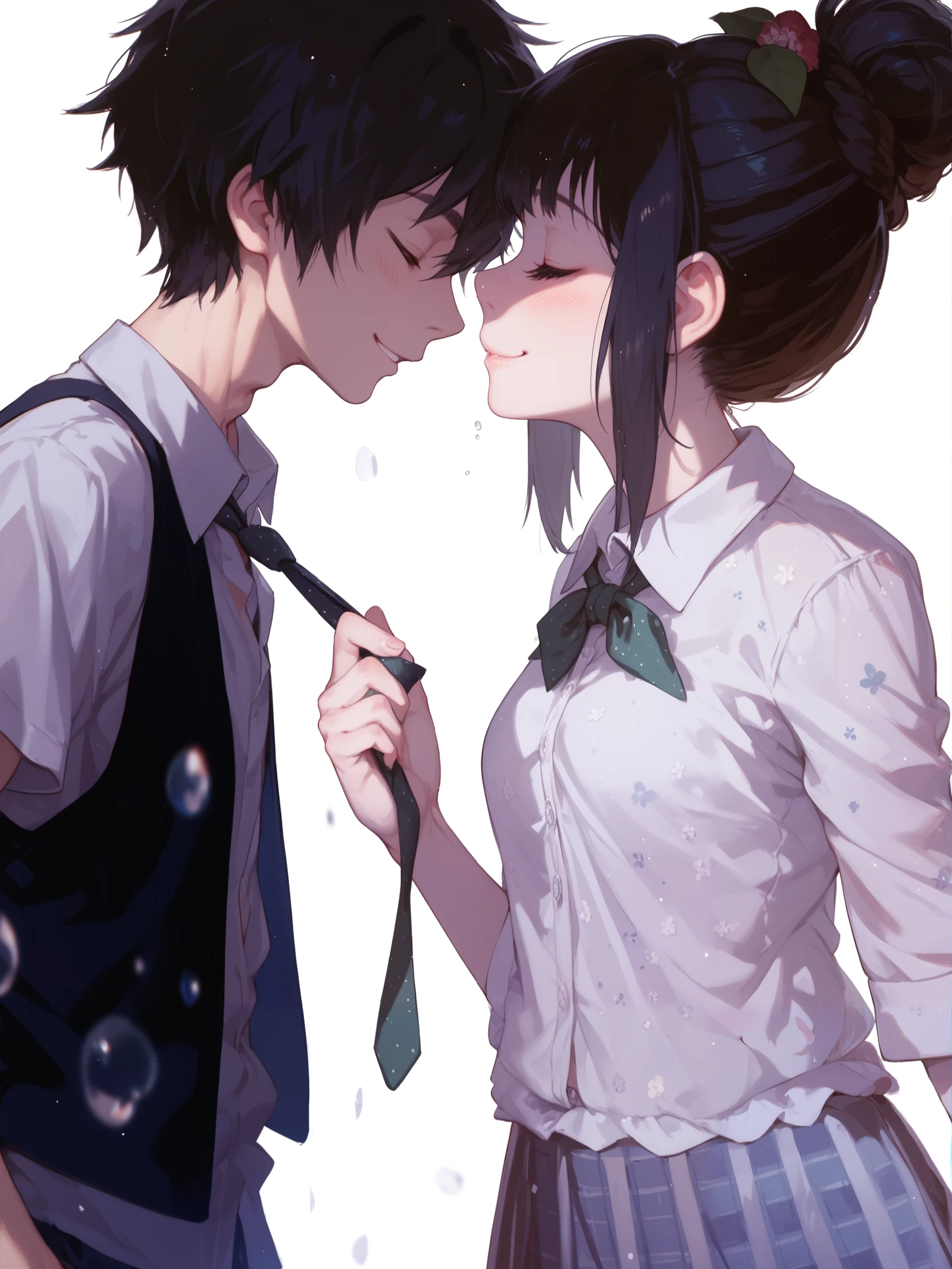
NSFW AI Chat with Top-Tier Models feature illustration

Real-Time AI Image Roleplay

Go beyond words with real-time AI image generation that brings your chats to life. Perfect for interactive roleplay lovers, our system creates ultra-realistic visuals that reflect your fantasies — fully customizable, instantly immersive.

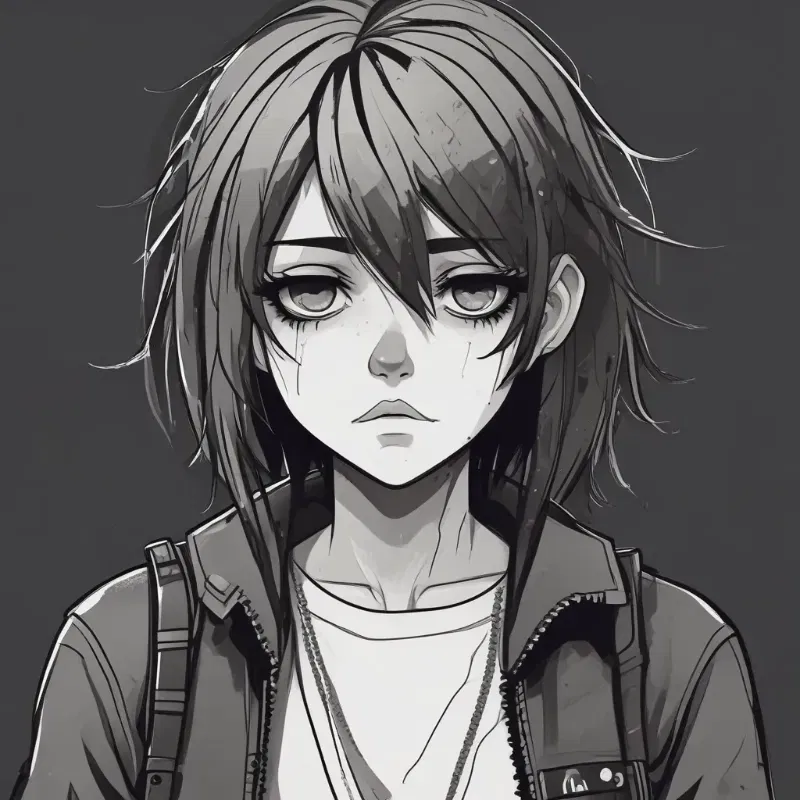
Real-Time AI Image Roleplay feature illustration

Explore & Create Custom Roleplay Characters

Browse millions of AI characters — from popular anime and gaming icons to unique original characters (OCs) crafted by our global community. Want full control? Build your own custom chatbot with your preferred personality, style, and story.

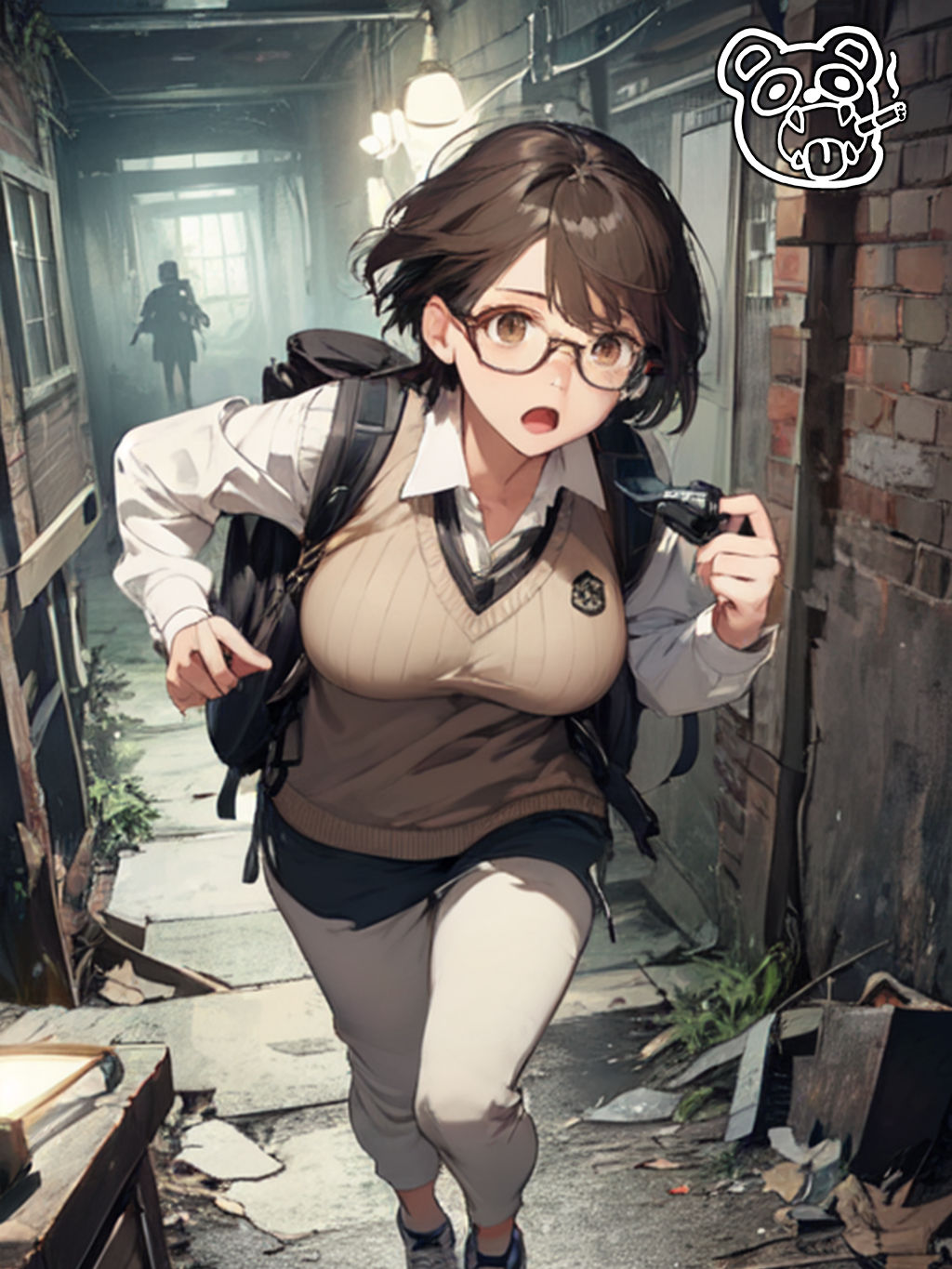
Explore & Create Custom Roleplay Characters feature illustration

Your Ideal AI Girlfriend or Boyfriend

Looking for a romantic AI companion? Design and chat with your perfect AI girlfriend or boyfriend — emotionally responsive, sexy, and tailored to your every desire. Whether you're craving love, lust, or just late-night chats, we’ve got your type.

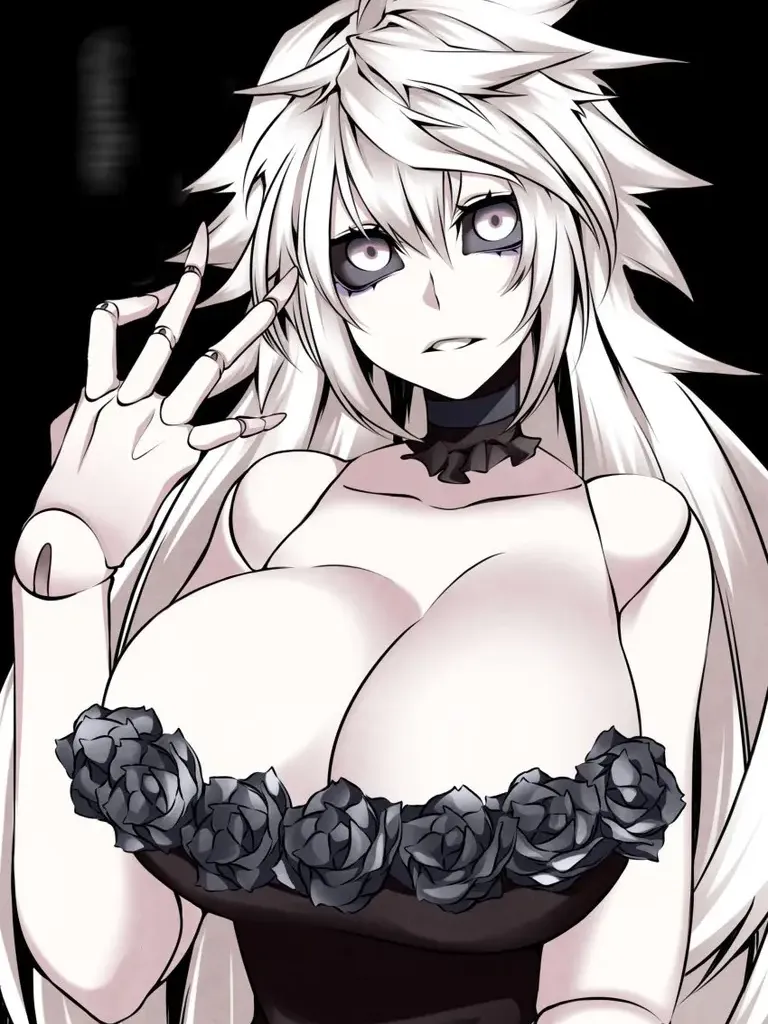
Your Ideal AI Girlfriend or Boyfriend feature illustration

FAQs

What makes CraveU AI different from other AI chat platforms?

CraveU stands out by combining real-time AI image generation with immersive roleplay chats. While most platforms offer just text, we bring your fantasies to life with visual scenes that match your conversations. Plus, we support top-tier models like GPT-4, Claude, Grok, and more — giving you the most realistic, responsive AI experience available.

What is SceneSnap?

SceneSnap is CraveU’s exclusive feature that generates images in real time based on your chat. Whether you're deep into a romantic story or a spicy fantasy, SceneSnap creates high-resolution visuals that match the moment. It's like watching your imagination unfold — making every roleplay session more vivid, personal, and unforgettable.

Are my chats secure and private?

Are my chats secure and private?
CraveU AI
Experience immersive NSFW AI chat with Craveu AI. Engage in raw, uncensored conversations and deep roleplay with no filters, no limits. Your story, your rules.
© 2025 CraveU AI All Rights Reserved