CraveU

Decoding the Silent Charm of Kudere

Discover the captivating world of kudere characters: cool, calm, and collected on the outside, but deeply caring within.
Start Now
craveu cover image

The Defining Traits of a Kudere

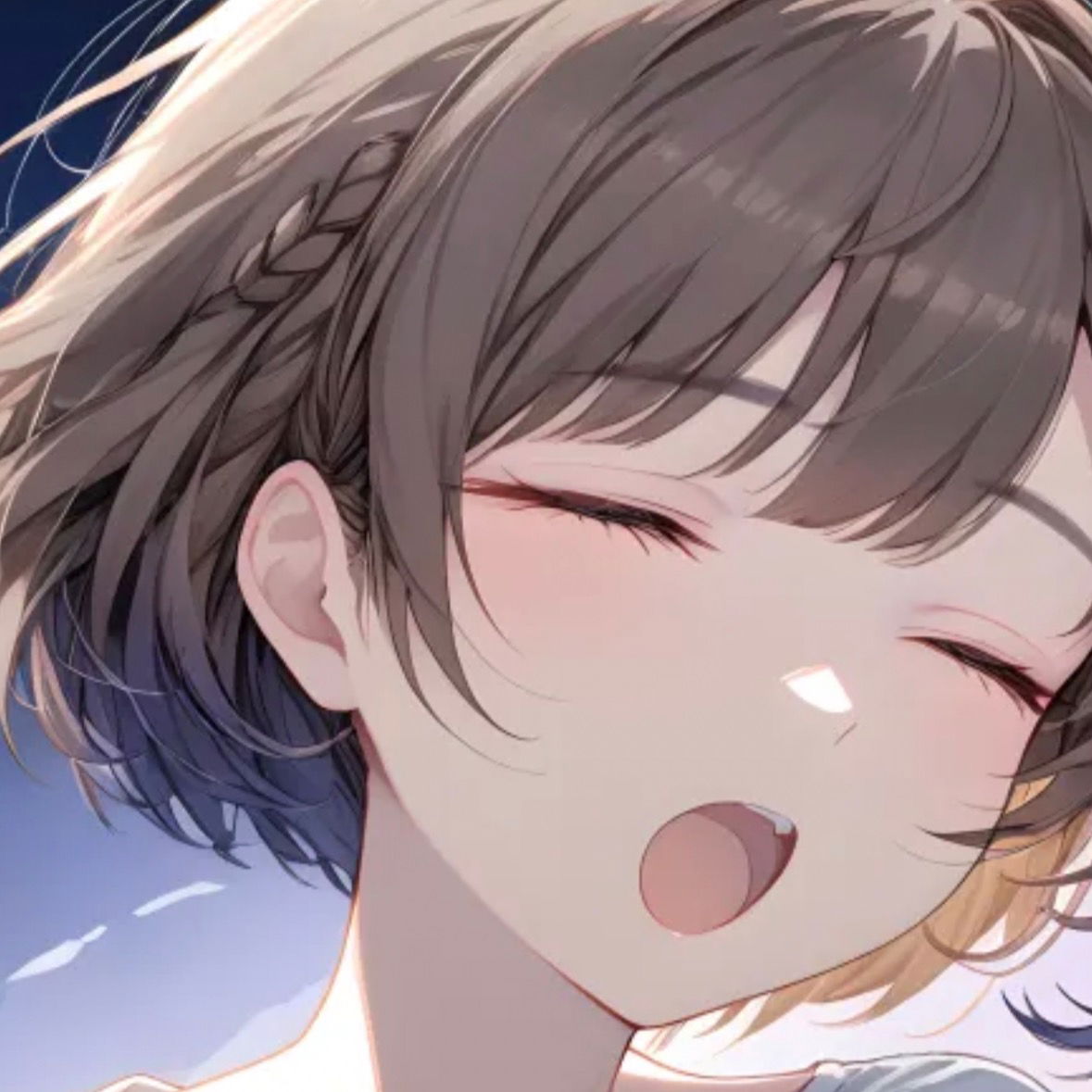
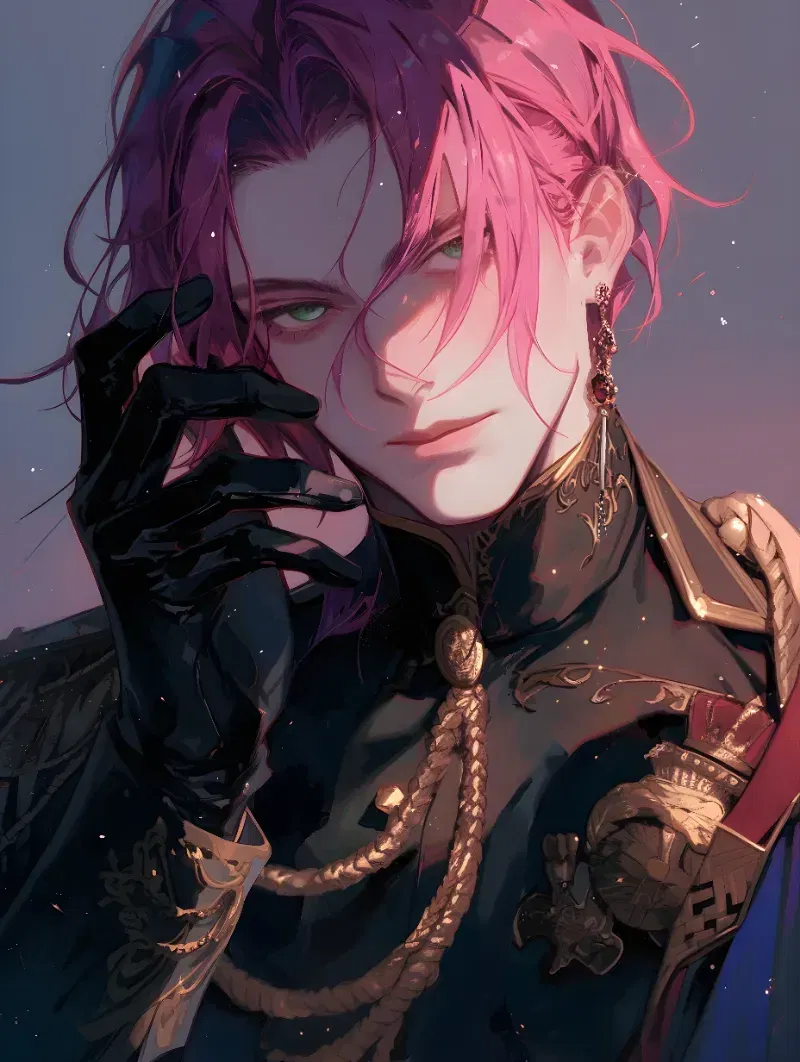
To truly grasp what makes a kudere character so compelling, one must delve into their core characteristics. These traits, while seemingly contradictory, work in concert to create a persona that is both enigmatic and endearing. At first glance, a kudere often appears cool, calm, and collected. They are typically stoic, expressionless, and can even come across as cold or distant. This outward demeanor is not necessarily born of malice or disinterest, but rather a preference for rationality and quiet observation over overt emotional display. In stressful situations, a kudere remains composed, often serving as the voice of reason or a grounding force amidst chaos. For instance, imagine a scenario where a group of friends is panicking over a sudden, unexpected problem. While others might be screaming or flailing, the kudere would likely be the one quietly assessing the situation, formulating a logical solution, and perhaps delivering it with a flat tone, even if internally they are just as concerned. Their emotional responses are internal, processed, and rarely spilled forth without careful consideration. This makes their occasional, subtle displays of vulnerability or warmth incredibly powerful. Beneath the cool exterior lies a profound capacity for affection and loyalty. The "dere" part of kudere is crucial here; it signifies their inherent "lovestruck" or "lovey-dovey" nature, which they reserve for a select few. This hidden warmth is what truly defines them and differentiates them from truly emotionless or cynical characters. When a kudere does show affection, it's often through subtle gestures, quiet words, or actions that speak volumes more than any grand declaration. This inner warmth isn't easily accessible. It often requires time, patience, and a genuine effort from others to break through their reserved shell. However, once that connection is forged, the depth of their feelings can be overwhelming for the recipient, proving that their quietness belies a heart that feels very deeply. They might not shower someone with compliments or overtly romantic gestures, but their dedication, quiet support, and willingness to act when it truly matters demonstrate an unwavering bond. Many kudere characters are depicted as highly intelligent, perceptive, and resourceful. Their quiet nature allows them to observe their surroundings and the people within them with keen insight. They often possess a strong sense of logic and can be incredibly competent, whether in academic pursuits, strategic planning, or even combat. This intelligence often manifests in their ability to offer precise, well-reasoned advice or solutions, sometimes delivered in a blunt, straightforward manner without much sugarcoating. They might not be the most charismatic speakers, but when they do speak, their words carry weight and authority, born from careful thought and accurate assessment. This makes them invaluable allies and fascinating protagonists. Unlike dandere characters, who are shy due to insecurity or social awkwardness, kudere characters are often self-assured and confident in who they are. Their quietness isn't a result of shyness or fear of judgment, but rather a personal preference or innate disposition. They have minimal internal conflicts and are rarely plagued by self-doubt, allowing them to maintain impressive focus and conviction. This inner confidence allows them to take initiative and express their true feelings when they deem the time right, making their romantic pursuits feel very much in their control. This inner fortitude is perhaps one of the most appealing aspects of the kudere. They don't need external validation to feel complete or confident. Their strength comes from within, making their eventual opening up to others a conscious choice, not a reluctant necessity.

The Evolution and Appeal of the Kudere Archetype

The concept of "dere" types has become a fundamental building block in Japanese anime and manga storytelling, providing creators with established frameworks for character development and driving plot progression, especially in romantic narratives. The term "dere" itself comes from "deredere" (デレデレ), signifying a "lovey-dovey" state. When combined with other Japanese words, it defines specific behavioral patterns. While archetypes like the tsundere (initially harsh, later softens) have long been popular, the kudere has carved out its own significant niche. The word "kudere" itself is a fusion of "cool" (クーru) and "deredere," meaning "lovey-dovey." Rei Ayanami from Neon Genesis Evangelion is widely considered a pivotal character in popularizing the kudere archetype, embodying the stoic, emotionless facade that gradually reveals hidden depths. Her detached, almost robotic demeanor, interspersed with moments of profound vulnerability, resonated strongly with fans, leading to a deliberate creation of similar characters in subsequent anime and manga. Why are audiences so drawn to kudere characters? The appeal lies in several psychological factors: 1. The "Gain-Loss" Effect: Similar to the appeal of tsundere characters, the gain-loss effect plays a significant role. When a character is consistently reserved or distant, their occasional displays of warmth or affection are perceived as a "gain" and are therefore more impactful and psychologically stimulating. It's the rarity of the smile, the unexpected kind word, or the subtle gesture of care that makes these moments incredibly rewarding for the viewer (and the character's love interest). 2. The Allure of Mystery: The reserved nature of a kudere creates an aura of mystery. Audiences are naturally curious about what lies beneath the surface, fostering a desire to "decode" their emotions and understand their inner world. This makes the journey of watching a kudere open up incredibly satisfying. 3. The Power of Subtlety: In a world often saturated with overt emotional displays, the subtlety of a kudere is refreshing. Their emotions are expressed through nuances—a slight softening of the eyes, a barely perceptible smile, a protective action rather than a verbal affirmation. This requires the audience to pay closer attention, deepening their engagement with the character. 4. Relatability: While fictionalized, the struggle to express deep emotions, or the preference for reserved communication, is a relatable human experience. Many individuals identify with the feeling of having strong internal emotions that aren't easily translated into outward expressions. 5. The Desire to Be Special: For a character within the narrative, being the one person a kudere opens up to creates a powerful sense of being special and uniquely understood. This "chosen one" dynamic is a potent draw in romantic narratives. When a cold-hearted individual finally reveals their love, it makes the recipient feel incredibly valued and unique. One particularly interesting aspect of the kudere archetype is its relatively gender-neutral appeal. While many "dere" types, like the himedere (princess-like characters), are predominantly female, the kudere can effectively apply to characters of any gender, eliciting a broad response from diverse audiences. In fact, many shoujo series (manga/anime aimed at young female audiences) are rife with outwardly cold but kindhearted male "prince" archetypes who embody kudere traits. This suggests that the core appeal—the elegant, cool exterior paired with a hidden, vulnerable inner self—transcends traditional gendered expectations in character design.

Kudere vs. Other Dere Types: A Crucial Distinction

While often grouped with other "dere" types, distinguishing the kudere from its counterparts is essential for a precise understanding of character psychology. The tsundere is arguably the most common "dere" archetype. Tsunderes are characterized by their harsh, often aggressive exterior ("tsun-tsun") that masks a soft, affectionate interior ("deredere"). They typically show animosity or rudeness towards their love interest, only to become shy and embarrassed when complimented or shown appreciation. Famous tsunderes include Asuka Langley Soryu from Neon Genesis Evangelion and Rin Tohsaka from Fate/Stay Night. The key difference with kudere lies in the nature of their "coldness." A tsundere's harshness is often an active defense mechanism, a volatile reaction to embarrassment or vulnerability. They might overtly insult or even physically lash out at their love interest. A kudere's coldness, however, is more passive and inherent—a calm, stoic demeanor born of their "cool" nature, not a volatile emotional outburst. They don't switch between extreme hot and cold like a tsundere; instead, their journey is about slowly revealing a consistent, deep-seated warmth beneath a steady, quiet exterior. Danderes are shy and introverted characters who struggle to express their feelings. The "dan" in dandere comes from "danmari" (だんまり), meaning "silent." They are often quiet due to social anxiety, insecurity, or simply being very reserved. However, they can become more outgoing and talkative around people they feel comfortable with, especially their love interest. Examples include Nagato Yuki from The Melancholy of Haruhi Suzumiya (though sometimes also classified as kudere) and Hinata Hyuga from Naruto. The distinction here is subtle but significant. Both kudere and dandere characters are quiet and reserved. However, a dandere's quietness stems from shyness, social awkwardness, or insecurity. They might blush easily and fumble their words when approached. A kudere, conversely, is quiet because they are cool, collected, and self-assured; their stoicism is a natural part of their personality, not a result of nervousness or self-consciousness. They are confident in themselves, even if they don't openly display emotion. A kudere's silence is often thoughtful, whereas a dandere's silence might be due to a lack of confidence in what to say. Yanderes are a distinct and often disturbing archetype. The "yan" comes from "yanderu" (病んでる), meaning "to be sick." Yandere characters are initially sweet and loving but can become dangerously possessive, obsessive, and violent towards their love interest if they feel threatened or jealous. Yuno Gasai from Mirai Nikki is a quintessential yandere. There is virtually no overlap between a kudere and a yandere. A kudere's hidden affection is gentle and supportive, while a yandere's "love" is rooted in psychological instability and extreme possessiveness. The kudere's journey is one of opening up; the yandere's is one of descent into madness.

Notable Kudere Characters in Media

The kudere archetype has graced countless anime, manga, and other media, captivating audiences with their quiet strength and hidden warmth. Some prominent examples include: * Rei Ayanami (Neon Genesis Evangelion): Often cited as the quintessential kudere, Rei's emotionless facade and seemingly robotic responses gradually give way to glimpses of deep-seated humanity and affection, particularly for Shinji. Her popularity significantly contributed to the archetype's widespread recognition. * Yuki Nagato (The Melancholy of Haruhi Suzumiya): A quiet, bookish alien who rarely shows emotion, Yuki's subtle acts of care and logical reasoning make her a beloved kudere. Her devotion to Haruhi and Kyon, expressed through her actions rather than words, defines her character. * C.C. (Code Geass): Mysterious and seemingly immortal, C.C. maintains a cool, detached demeanor throughout much of the series. Yet, her complex relationship with Lelouch gradually reveals a deep care and loyalty beneath her cynical exterior. * Kanade Tachibana (Angel Beats!): Known as "Angel," Kanade's stoic and expressionless face hides a profound desire to help others and a tragic past. Her quiet actions and eventual emotional breakthroughs are central to the series' themes. * Akame (Akame ga Kill!): A highly skilled assassin with a formidable reputation, Akame appears cold and ruthless. However, she holds deep loyalty and care for her comrades in Night Raid, especially demonstrated through her protective actions. * Shoto Todoroki (My Hero Academia): Initially cold and distant due to his traumatic past and complicated family dynamics, Todoroki slowly opens up and reveals a compassionate and determined nature as he builds bonds with his classmates. * Kiyoka Kudou (My Happy Marriage): A recent popular example, Kiyoka embodies the male kudere, appearing stern and imposing but harboring a gentle and protective side for his fiancée, Miyo. * Nico Robin (One Piece): Early in One Piece, Nico Robin is calm, collected, and rarely shows emotion, leading some to believe her apathetic. However, as she integrates with the Straw Hat Pirates, her deeply caring and empathetic nature shines through, showcasing her loyalty to her nakama. * Mei Misaki (Another): Mei is initially quiet and solitary, often perceived as creepy or cold by her classmates due to a school curse. Despite her withdrawn nature, she shows concern and slowly befriends the protagonist, Kouichi, revealing a more nuanced, even childish, side. * Homura Akemi (Puella Magi Madoka Magica): Homura arrives at school intelligent, athletic, distant, and cold. Her aloofness is a result of repeatedly experiencing immense suffering and loss, particularly in her desperate attempts to protect Madoka. Her coldness is a shield for an intense, self-sacrificing love. These characters, among many others, demonstrate the versatility and enduring appeal of the kudere. Their journey from reserved solitude to subtle connection forms the backbone of many compelling narratives.

The Subtle Nuances and Misconceptions

The depth of a kudere character often lies in their subtle nuances, which can sometimes lead to misconceptions. While often described as "emotionless," this is a simplification. A kudere isn't truly devoid of feeling; rather, they process emotions internally and choose not to display them outwardly. Their inner world can be just as vibrant and complex as any other character's, filled with nuanced thoughts and deep convictions. The challenge and charm come from discerning these internal states through their actions, subtle shifts in expression, or rare verbal revelations. For example, a kudere might silently offer a comforting hand, a gesture far more profound than a verbose expression of sympathy. A common misconception is that kudere characters are antisocial. While they may not be the life of the party or seek out large social gatherings, this isn't necessarily due to a dislike of people. Instead, they are often selective about who they engage with, preferring deeper, more meaningful connections over superficial interactions. They are confident in their own company and don't feel the need to constantly interact to validate their existence. This selective nature makes their eventual acceptance of someone into their inner circle even more meaningful. Due to their intelligence, calmness under pressure, and logical thinking, kudere characters often make excellent leaders. They may not be charismatic speakers, but their ability to make sound decisions and inspire quiet confidence through their actions can be incredibly effective. They lead by example, demonstrating competence and fortitude, often without seeking recognition.

Cultural Impact and Enduring Relevance

The kudere archetype, like other "dere" types, has become a significant part of otaku culture and beyond. These archetypes serve as a shorthand for character traits, allowing creators to quickly establish personalities and audiences to immediately grasp certain dynamics. This plays into the concept of characters being built from "database animals" or recognizable tropes, a common practice in anime and manga. The enduring popularity of the kudere speaks to a universal human fascination with what lies beneath the surface. In a world that often values loud, expressive personalities, the quiet strength and hidden warmth of a kudere offer a compelling alternative. They remind us that true depth often resides in the unspoken, in the subtle gestures, and in the profound connections that are slowly and carefully forged. As of 2025, the kudere archetype shows no signs of fading. In fact, their popularity seems to be on the rise, particularly for male love interests, reflecting a growing appreciation for quiet, contemplative figures in romance. Modern storytelling continues to innovate, often blending "dere" types to create more nuanced and less formulaic characters. We might see kudere characters with slight tinges of dandere shyness in specific social situations, or a touch of tsundere defensiveness when their hidden feelings are unexpectedly exposed. The evolution will likely continue to explore the complexities of their inner worlds, moving beyond simple stoicism to delve into the philosophical or psychological reasons behind their reserved nature. Perhaps new stories will focus more on their journey of self-discovery, or how their quiet strength allows them to overcome unique challenges. Regardless, the fundamental appeal of a character who reveals a passionate heart beneath a cool exterior will undoubtedly continue to captivate audiences for years to come. The kudere is not just a trope; it's a testament to the power of subtle emotion and the profound beauty of a heart that slowly, deliberately, chooses to open.

Conclusion

The kudere archetype stands as a powerful testament to the allure of quiet strength and hidden emotion in character design. From their cool, collected exterior to the profound warmth they reserve for a select few, these characters offer a rich tapestry of personality that resonates deeply with audiences. They challenge us to look beyond superficial expressions, to appreciate the subtleties of human connection, and to find beauty in the slow, deliberate unveiling of a truly caring heart. In a landscape of dynamic and often exaggerated personalities, the kudere provides a refreshing, contemplative anchor, reminding us that sometimes, the most impactful expressions of love and loyalty are found not in grand gestures, but in the quiet, unwavering presence of a genuinely cool, yet deeply affectionate soul. keywords: kudere url: kudere

Features

NSFW AI Chat with Top-Tier Models

Experience the most advanced NSFW AI chatbot technology with models like GPT-4, Claude, and Grok. Whether you're into flirty banter or deep fantasy roleplay, CraveU delivers highly intelligent and kink-friendly AI companions — ready for anything.

NSFW AI Chat with Top-Tier Models feature illustration

Real-Time AI Image Roleplay

Go beyond words with real-time AI image generation that brings your chats to life. Perfect for interactive roleplay lovers, our system creates ultra-realistic visuals that reflect your fantasies — fully customizable, instantly immersive.

Real-Time AI Image Roleplay feature illustration

Explore & Create Custom Roleplay Characters

Browse millions of AI characters — from popular anime and gaming icons to unique original characters (OCs) crafted by our global community. Want full control? Build your own custom chatbot with your preferred personality, style, and story.

Explore & Create Custom Roleplay Characters feature illustration

Your Ideal AI Girlfriend or Boyfriend

Looking for a romantic AI companion? Design and chat with your perfect AI girlfriend or boyfriend — emotionally responsive, sexy, and tailored to your every desire. Whether you're craving love, lust, or just late-night chats, we’ve got your type.

Your Ideal AI Girlfriend or Boyfriend feature illustration

FAQs

What makes CraveU AI different from other AI chat platforms?

CraveU stands out by combining real-time AI image generation with immersive roleplay chats. While most platforms offer just text, we bring your fantasies to life with visual scenes that match your conversations. Plus, we support top-tier models like GPT-4, Claude, Grok, and more — giving you the most realistic, responsive AI experience available.

What is SceneSnap?

SceneSnap is CraveU’s exclusive feature that generates images in real time based on your chat. Whether you're deep into a romantic story or a spicy fantasy, SceneSnap creates high-resolution visuals that match the moment. It's like watching your imagination unfold — making every roleplay session more vivid, personal, and unforgettable.

Are my chats secure and private?

Are my chats secure and private?
CraveU AI
Experience immersive NSFW AI chat with Craveu AI. Engage in raw, uncensored conversations and deep roleplay with no filters, no limits. Your story, your rules.
© 2025 CraveU AI All Rights Reserved