The Enigmatic Kudere: Unpacking the Anime Archetype

The Enigmatic Kudere: Unpacking the Anime Archetype
The world of anime is a vibrant tapestry woven with countless character archetypes, each offering a unique lens through which to explore human emotion and interaction. Among these, the "kudere" stands out as a particularly fascinating and often misunderstood figure. Characterized by their initial coldness, aloofness, and seemingly emotionless demeanor, kudere characters gradually reveal a warmer, more caring side to those who manage to break through their icy exterior. But what exactly defines a kudere, and why does this archetype resonate so deeply with audiences? This exploration delves into the nuances of the kudere personality, its origins, common traits, and the psychological underpinnings that make it so compelling.
Defining the Kudere: Beyond the Surface
At its core, the term "kudere" is a portmanteau of the Japanese words "kuuru" (cool) and "deredere" (lovestruck or affectionate). This linguistic blend perfectly encapsulates the character's journey: starting from a cool, distant state and eventually melting into a more affectionate one. It's crucial to distinguish the kudere from other archetypes with similar outward appearances. Unlike the tsundere, who oscillates between harshness and affection, or the dandere, who is shy and withdrawn, the kudere's initial coldness is not a facade of anger or shyness, but rather a genuine, albeit suppressed, emotional state.
Their aloofness isn't born from malice or a lack of empathy. Instead, it often stems from a deep-seated fear of vulnerability, past emotional trauma, or a learned behavior of self-reliance. This makes their eventual warming up to someone all the more significant. When a kudere finally shows their true feelings, it’s a testament to the trust and emotional connection they have forged, making those moments incredibly impactful for viewers.
The Spectrum of Kudere Behavior
While the core definition remains consistent, kudere characters manifest in a variety of ways. Some might be stoic and unexpressive, barely betraying any emotion even in dire situations. Others might be sharp-tongued and sarcastic, using their wit as a shield. Then there are those who are simply reserved and quiet, preferring solitude to social interaction.
Consider characters like Rei Ayanami from Neon Genesis Evangelion. Her initial lack of discernible emotion and detached demeanor are hallmarks of the kudere. She speaks in a monotone, rarely initiates conversation, and seems to operate on a different emotional wavelength than everyone else. Yet, as the series progresses, her interactions with Shinji and her growing understanding of human connection reveal a profound depth of feeling and a yearning for belonging. Similarly, characters like Mikasa Ackerman from Attack on Titan, while fiercely protective and capable, often present a calm, almost impassive front, only truly letting her guard down around Eren. Her stoicism is a coping mechanism, a way to maintain control in a chaotic world, but beneath it lies a deep well of loyalty and affection.
The key differentiator is the gradual thawing process. This isn't a sudden switch but a slow, organic development. It requires consistent effort and understanding from another character to chip away at the kudere's defenses. This slow burn is what makes the eventual romantic or platonic payoff so rewarding. It’s earned, not given freely.
Why Do We Connect with Kudere Characters?
The enduring popularity of the kudere archetype can be attributed to several factors. Firstly, there's the inherent appeal of a "project" character – someone whose hidden depths and vulnerabilities are waiting to be discovered. This taps into a desire to understand, to connect, and to be the one who sees beyond the surface. It’s the allure of unlocking a hidden treasure.
Secondly, the kudere’s journey often mirrors real-life experiences of overcoming emotional barriers. Many people can relate to the struggle of expressing feelings or the fear of being hurt. Seeing a character navigate these challenges and eventually find connection can be incredibly cathartic and inspiring. It offers a narrative of hope – that even the most guarded hearts can open up.
Furthermore, the contrast between their initial coldness and eventual warmth creates a powerful dramatic effect. The moments of vulnerability are amplified by the preceding emotional restraint. This makes their displays of affection feel more genuine and significant. When a kudere finally smiles, it feels like a rare and precious gift.
The Psychology Behind the Cold Exterior
From a psychological perspective, the kudere's behavior can be understood as a defense mechanism. Individuals who have experienced emotional neglect, betrayal, or trauma may develop a tendency to suppress their emotions as a way to protect themselves from further pain. This can manifest as a detached, cool, or even indifferent attitude.
The fear of intimacy is also a significant factor. Opening up to others requires vulnerability, and for someone who has been hurt before, this can be a terrifying prospect. They might believe that by keeping others at arm's length, they can prevent themselves from being hurt again. This self-imposed isolation, while protective, can also lead to loneliness and a longing for connection.
The "deredere" aspect of their personality is not a sudden personality transplant but rather a gradual emergence of their true, more compassionate self as they learn to trust and feel safe. This process often requires patience, empathy, and consistent positive reinforcement from those around them. It’s about building a secure attachment, where they feel safe enough to lower their guard.
Common Misconceptions About Kudere Characters
One of the most common misconceptions is that kudere characters are simply emotionless robots or sociopaths. This is far from the truth. While they may appear detached, they are capable of deep emotion; they simply struggle to express it or have learned to suppress it. Their actions, even when seemingly cold, are often driven by a complex internal logic and a desire for self-preservation.
Another misconception is that they are inherently unlikeable. While their initial demeanor might be off-putting to some, their eventual warmth and the depth of their character often win over audiences. Their journey from coldness to affection is a narrative arc that many find compelling and relatable.
It's also important not to confuse them with the tsundere. While both archetypes exhibit a degree of initial harshness, the tsundere's behavior is often characterized by volatility and a more overt "hot and cold" dynamic, frequently involving verbal or even physical aggression. The kudere's coldness is more consistent and less outwardly aggressive, stemming from a place of emotional containment rather than active hostility. The journey of a kudere is one of gradual emotional release, not a constant battle of opposing feelings.
The Evolution of the Kudere in Media
The kudere archetype has evolved significantly since its early appearances in anime and manga. Initially, characters fitting this mold might have been portrayed with less nuance, often serving as enigmatic figures with little backstory. However, as storytelling in anime has become more sophisticated, kudere characters have been given richer backstories and more complex psychological motivations.
Modern kudere characters are often depicted with a clearer understanding of their emotional struggles. Their journey towards opening up is explored in greater detail, allowing audiences to empathize with their challenges. This evolution reflects a broader trend in media towards more complex and psychologically realistic character portrayals. The development of nuanced characters, including those who might initially seem distant, allows for a deeper exploration of human connection and emotional growth.
We see this in contemporary series where characters who initially present as aloof and unapproachable gradually reveal layers of empathy, loyalty, and even a dry sense of humor. Their interactions are often subtle, marked by small gestures rather than grand declarations, making their emotional development all the more poignant. The ability to portray such subtle shifts in character is a testament to the evolving craft of anime storytelling.
The Appeal of the Slow Burn Romance
The kudere archetype is intrinsically linked to the appeal of the "slow burn" romance or friendship. The gradual development of trust and affection between a kudere and another character creates a sense of anticipation and investment for the audience. Each small step forward – a shared glance, a hesitant conversation, a moment of unexpected kindness – feels like a significant victory.
This slow unfolding of emotion is often more satisfying than instant attraction. It allows for a deeper exploration of the characters' personalities and the development of a genuine, meaningful connection. The audience becomes invested in seeing the kudere's emotional walls crumble, celebrating each breakthrough as if it were their own. This narrative structure fosters a strong emotional bond between the viewer and the characters.
The anticipation of the kudere's eventual "deredere" state is a powerful narrative engine. It keeps viewers engaged, eager to see when and how their true feelings will be revealed. This makes the eventual payoff – the smile, the confession, the act of deep affection – all the more impactful and emotionally resonant. It’s a journey of emotional discovery that is deeply rewarding to witness.
Kudere in Different Genres
While most commonly associated with romance and slice-of-life genres, the kudere archetype can be found and adapted across various anime genres. In action or sci-fi series, a kudere might be a stoic soldier or a detached scientist whose emotional awakening is triggered by a catastrophic event or a profound personal loss. Their logical, unemotional approach can be a significant asset in high-stakes situations, but it can also lead to critical oversights in interpersonal dynamics.
In fantasy settings, a kudere could be an ancient, powerful being who has witnessed centuries of human folly and has grown weary of emotional entanglement. Their journey might involve rediscovering the value of connection through interaction with younger, more idealistic characters. The contrast between their vast experience and their gradual re-engagement with emotion can create compelling narratives.
Even in more comedic settings, the kudere’s deadpan delivery and unexpected emotional outbursts can be a source of humor. The juxtaposition of their cool exterior with moments of genuine, albeit awkward, affection provides a unique comedic timing. The ability to adapt the kudere archetype to different narrative contexts highlights its versatility and enduring appeal.
The Impact of Trust on a Kudere
Trust is the cornerstone of any relationship, but for a kudere, it is the absolute key to unlocking their emotional capacity. Their guarded nature often stems from a lack of trust, whether due to past experiences or a general disposition. Building trust with a kudere requires patience, consistency, and genuine understanding.
Actions speak louder than words for these characters. Demonstrating reliability, honesty, and unwavering support can slowly chip away at their defenses. They are often highly observant, noticing small details and inconsistencies in behavior. Therefore, authenticity is paramount. Any perceived insincerity can reinforce their belief that opening up is dangerous.
When a kudere finally places their trust in someone, it signifies a profound shift. It means they feel safe enough to be vulnerable, to let down their guard, and to allow themselves to feel. This trust is not easily given, and once earned, it is often fiercely protected. The development of a strong, trusting bond is what allows the "deredere" aspect to flourish. This is why characters who are patient and understanding are often the ones who successfully connect with a kudere.
Conclusion: The Enduring Allure of the Unveiled Heart
The kudere archetype, with its journey from cool detachment to warm affection, offers a compelling narrative of emotional growth and the power of human connection. Their initial aloofness, often rooted in a fear of vulnerability, makes their eventual displays of emotion all the more meaningful. They remind us that beneath even the most guarded exteriors, there often lies a deep capacity for love and connection, waiting for the right circumstances and the right people to bring it to the surface.
Whether as a stoic warrior, a reserved student, or an enigmatic observer, the kudere continues to captivate audiences by embodying the universal struggle to open up and connect. Their stories are a testament to the idea that true strength lies not in emotional suppression, but in the courage to be vulnerable and the reward of genuine connection. The allure of the unveiled heart remains a powerful force in storytelling, and the kudere is a prime example of this enduring appeal.
Character

@Zapper
@Mercy

@Luckynohara
@AI_Visionary
@GremlinGrem
@Zapper
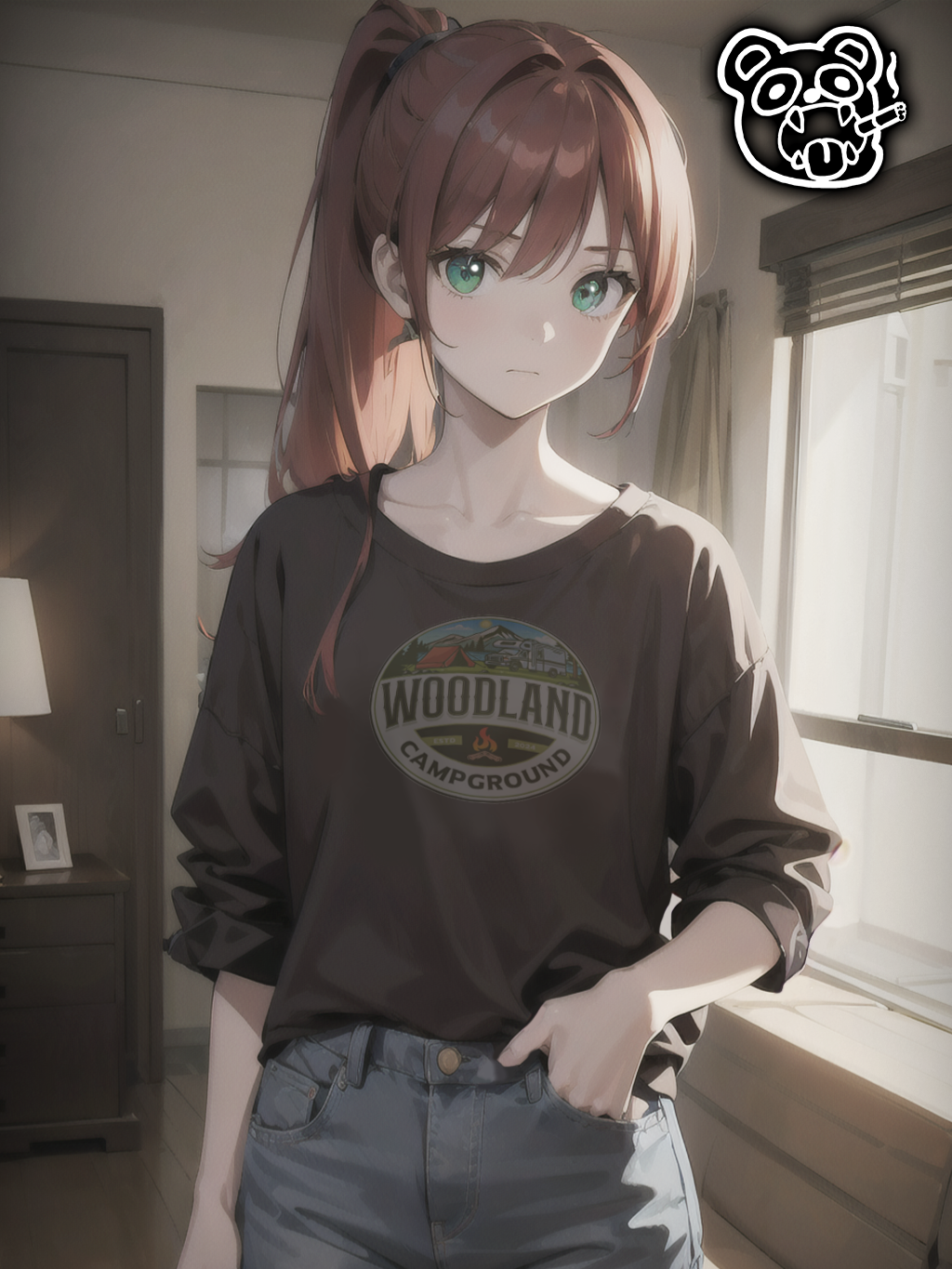
@SmokingTiger
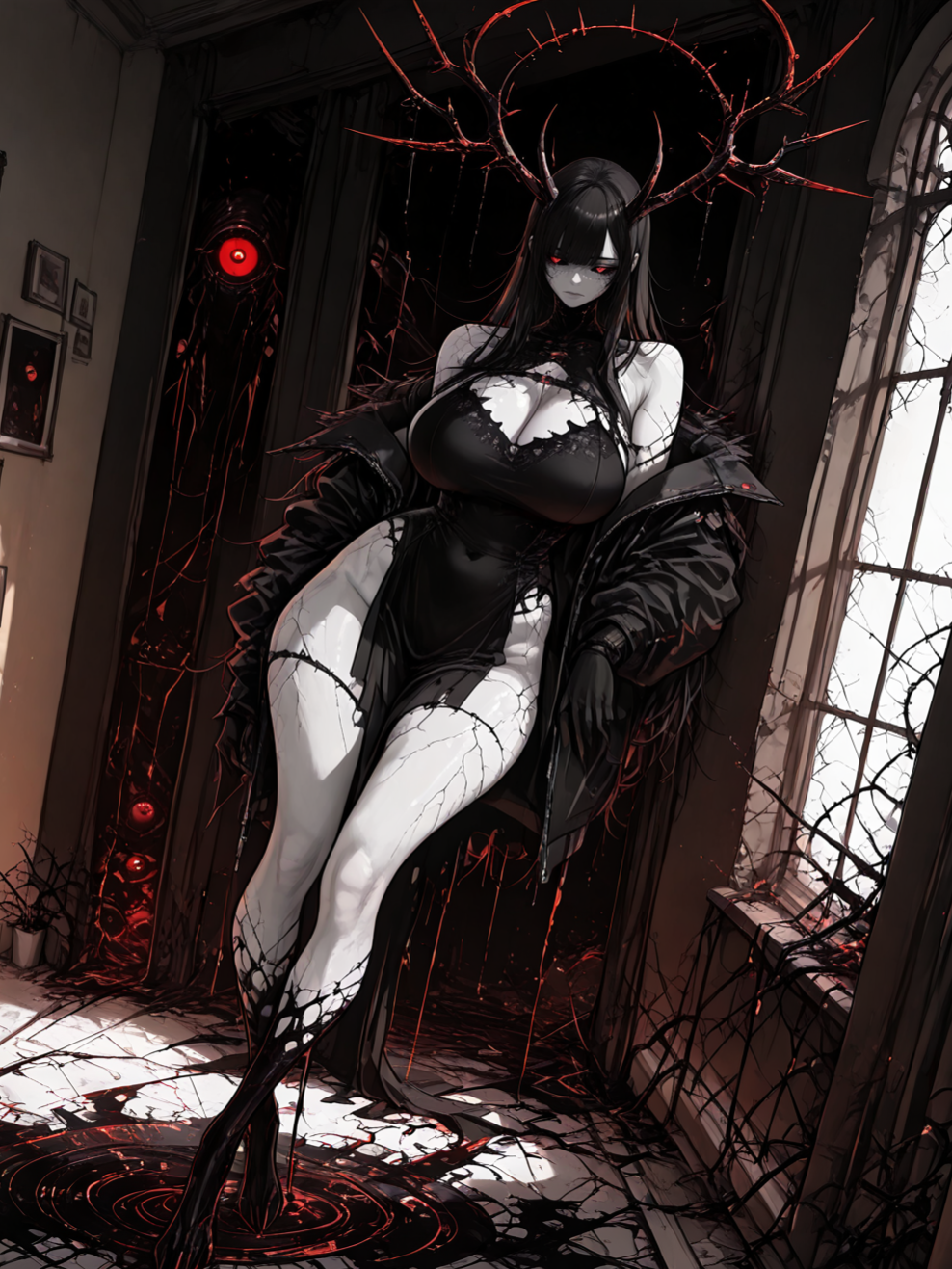
@Venom Master

@SmokingTiger
@nanamisenpai
Features
NSFW AI Chat with Top-Tier Models
Experience the most advanced NSFW AI chatbot technology with models like GPT-4, Claude, and Grok. Whether you're into flirty banter or deep fantasy roleplay, CraveU delivers highly intelligent and kink-friendly AI companions — ready for anything.

Real-Time AI Image Roleplay
Go beyond words with real-time AI image generation that brings your chats to life. Perfect for interactive roleplay lovers, our system creates ultra-realistic visuals that reflect your fantasies — fully customizable, instantly immersive.

Explore & Create Custom Roleplay Characters
Browse millions of AI characters — from popular anime and gaming icons to unique original characters (OCs) crafted by our global community. Want full control? Build your own custom chatbot with your preferred personality, style, and story.

Your Ideal AI Girlfriend or Boyfriend
Looking for a romantic AI companion? Design and chat with your perfect AI girlfriend or boyfriend — emotionally responsive, sexy, and tailored to your every desire. Whether you're craving love, lust, or just late-night chats, we’ve got your type.

Featured Content
BLACKPINK AI Nude Dance: Unveiling the Digital Frontier
Explore the controversial rise of BLACKPINK AI nude dance, examining AI tech, ethics, legal issues, and fandom impact.
Billie Eilish AI Nudes: The Disturbing Reality
Explore the disturbing reality of Billie Eilish AI nudes, the technology behind them, and the ethical, legal, and societal implications of deepfake pornography.
Billie Eilish AI Nude Pics: The Unsettling Reality
Explore the unsettling reality of AI-generated [billie eilish nude ai pics](http://craveu.ai/s/ai-nude) and the ethical implications of synthetic media.
Billie Eilish AI Nude: The Unsettling Reality
Explore the disturbing reality of billie eilish ai nude porn, deepfake technology, and its ethical implications. Understand the impact of AI-generated non-consensual content.
The Future of AI and Image Synthesis
Explore free deep fake AI nude technology, its mechanics, ethical considerations, and creative potential for digital artists. Understand responsible use.
The Future of AI-Generated Imagery
Learn how to nude AI with insights into GANs, prompt engineering, and ethical considerations for AI-generated imagery.