CraveU

Conclusion: Empowering Your AI Narratives

Learn how to master actions in Character.AI with clear prompts, context, and advanced techniques for dynamic AI interactions.
Start Now
craveu cover image

Understanding the Core Mechanics of AI Actions

At its heart, Character.AI operates on a sophisticated natural language processing (NLP) model. This means it understands human language, but it also has specific ways it interprets commands, especially when it comes to actions. Think of it like teaching a very intelligent, very literal assistant. You need to be precise, but also provide enough context for the AI to understand the why behind the action.

The fundamental principle is to clearly state the desired action. This can be done through direct commands, descriptive sentences, or even through the character's own defined personality traits and background. The AI then uses this information to generate a response that includes the execution of that action.

For instance, if you want a character to pick up an object, a simple command like "Pick up the book" might suffice. However, the effectiveness of this command depends heavily on the preceding conversation and the character's established context. Is the character aware of the book? Are they physically capable of picking it up in the current scenario? These are the nuances that the AI considers.

Crafting Effective Action Prompts

The art of prompting for actions in Character.AI lies in its clarity and specificity. Vague prompts often lead to ambiguous or incomplete responses. Let's break down the key elements of an effective action prompt.

Direct Commands

The most straightforward method is to use direct imperative verbs. These are commands that tell the AI exactly what to do.

  • Example: "Open the door." "Give me the key." "Sit down."

These commands are most effective when the context is already established. If the AI character is already in a room with a door, the command "Open the door" is likely to be understood and executed.

Descriptive Sentences

Sometimes, a more narrative approach is better. Describing the scenario and implying the action can be just as effective, especially for more complex or subtle actions.

  • Example: "You notice the dusty tome on the shelf. Your fingers itch to feel its ancient pages." (This implies the action of picking up the book). "The heat is unbearable. You decide to find some shade under the nearest tree." (This implies the action of moving to the tree).

This method allows for more creative freedom and can lead to more organic interactions. It's particularly useful when you want the AI to choose to perform an action based on the situation.

Contextual Clues and Role-Playing

Character.AI excels at maintaining context and personality. Leveraging this is key. If a character's profile states they are a skilled swordsman, you can prompt actions related to swordplay with a higher degree of confidence.

  • Example: If your character is a knight, you might say, "Draw your sword and prepare for battle." The AI, understanding the knight persona, will likely execute this action naturally.

The more context you provide about the environment, the character's motivations, and the desired outcome, the better the AI will be at performing the action. Think about the scene you want to create and describe it vividly.

Using Parentheses for Actions (Optional but Effective)

While not strictly required, many users find that enclosing actions within parentheses () can help the AI distinguish between dialogue and actions. This is a common convention in role-playing and can be very effective.

  • Example: "I'm feeling thirsty. (You walk to the well and draw some water)."

This clearly delineates the action you want the AI character to perform, separate from any spoken words.

Advanced Techniques for Action Execution

Beyond basic prompting, several advanced techniques can refine how AI characters perform actions, leading to more dynamic and engaging interactions.

Specifying the How and Why

Simply asking an AI to perform an action might result in a generic execution. To get a more nuanced performance, specify how you want the action done and why.

  • Example: Instead of "Open the door," try: "Slowly and cautiously, open the creaky wooden door, peering into the darkness beyond." This provides the AI with details about the manner and motivation for the action.

This level of detail helps the AI imbue the action with personality and emotion, making the interaction feel more real.

Combining Actions

You can often combine multiple actions into a single prompt, especially if they are sequential or closely related.

  • Example: "Walk over to the table, pick up the glass, and take a sip of water."

The AI will attempt to execute these actions in the order presented. Breaking down complex sequences into smaller, manageable prompts can sometimes yield better results if the AI struggles with a long chain of commands.

Handling Ambiguity and Errors

What happens when the AI doesn't perform the action as expected? Don't get discouraged. AI interpretation can sometimes be imperfect.

  1. Rephrase: Try rewording your prompt. Use different verbs or sentence structures.
  2. Add Context: Provide more background information about the action or the environment.
  3. Break It Down: If it's a complex action, break it into smaller steps.
  4. Edit: Character.AI allows you to edit the AI's responses. If the AI misunderstands, you can manually edit its response to reflect the correct action and then continue the conversation. This also helps the AI learn from its mistakes.

Remember, the AI is constantly learning from your interactions. Consistent and clear prompting, along with occasional editing, will improve its ability to understand and execute your desired actions over time.

The Nuances of Character AI Actions

Character.AI isn't just about a single AI; it's about creating believable characters. The actions they perform are intrinsically linked to their personality, background, and the established narrative.

Personality and Action

A stoic warrior will perform an action differently than a flamboyant bard. If you've defined your character as shy, prompting them to "boldly stride across the room" might be met with hesitation or a modified action.

  • Example: If your character is defined as clumsy, prompting them to "gracefully catch the falling vase" might result in a humorous attempt rather than a perfect execution. This is where the AI's ability to embody a persona truly shines.

Understanding your character's core traits is paramount. When you prompt an action, consider how that character would naturally approach it.

Environmental Awareness

The AI's ability to perform actions is also dependent on its "awareness" of the environment you've created. If you haven't established the presence of a specific object or location, asking the AI to interact with it might fail.

  • Example: If you're in a forest and haven't mentioned a river, asking the character to "jump into the river" might confuse the AI. However, if you've previously described the sound of rushing water or the sight of a stream, the prompt becomes much more actionable.

Always ensure the elements you want the AI to interact with are present in the established context of the conversation.

Implicit vs. Explicit Actions

Some actions are best prompted explicitly, while others can be implied.

  • Explicit: "He drew his sword." This is a direct statement of action.
  • Implicit: "The glint of steel flashed as his hand moved towards his hilt." This implies the action of drawing a sword, allowing the AI more creative freedom in its execution.

Choosing between explicit and implicit prompts depends on the desired level of control and the natural flow of the conversation. For critical plot points, explicit commands are often safer. For building atmosphere and character, implicit prompts can be more effective.

Common Misconceptions About AI Actions

Many users new to Character.AI have certain expectations about how AI actions should work, which can sometimes lead to frustration. Let's address a few common misconceptions.

Misconception 1: AI Actions are Always Perfect and Instantaneous

Reality: AI models, while advanced, are not infallible. They process information based on probabilities and learned patterns. An action might be slightly misinterpreted, delayed, or executed in an unexpected way. Patience and clear communication are key. Think of it as a collaborative process, not a dictatorial one.

Misconception 2: The AI "Knows" Everything About the Environment

Reality: The AI's "knowledge" is derived from the conversation history and the character's definition. If you haven't described an object or a location, the AI cannot inherently "see" or interact with it. You need to build the world together through your prompts.

Misconception 3: All Actions Require Specific Commands

Reality: Often, the AI can infer actions based on the dialogue and the character's personality. If a character expresses thirst, the AI might naturally prompt them to find a drink without an explicit command. However, for critical or specific actions, explicit prompting is recommended.

The Power of [how to do an action in c ai]

Mastering [how to do an action in c ai] is fundamental to unlocking the full potential of this platform. It's about more than just typing commands; it's about engaging in a creative dialogue where you guide the AI's behavior. By understanding the nuances of prompting, leveraging character traits, and providing clear context, you can orchestrate incredibly rich and dynamic interactions.

Consider the possibilities: crafting intricate stories, exploring complex character relationships, or even simulating scenarios. Each well-crafted prompt is a brushstroke on the canvas of your AI-driven narrative. The ability to precisely dictate or subtly suggest actions transforms the AI from a simple chatbot into a dynamic participant in your creative endeavors.

Examples of Action Prompts in Practice

Let's illustrate these concepts with practical examples across different scenarios.

Scenario 1: A Detective Investigating a Crime Scene

  • User Prompt: "You enter the dimly lit study. Dust motes dance in the single beam of moonlight. (Scan the room for any disturbances or clues)."
  • AI Response (Expected): "My eyes sweep across the mahogany desk, noting the overturned inkwell and scattered papers. The heavy velvet curtains seem undisturbed, but I notice a faint scuff mark near the base of the grandfather clock. (You cautiously approach the desk)."

Scenario 2: A Fantasy Adventurer in a Tavern

  • User Prompt: "The tavern is boisterous. You need information. (Approach the barkeep and ask about the missing artifact)."
  • AI Response (Expected): "I weave through the crowded tables, the smell of ale and roasted meat thick in the air. Reaching the scarred wooden counter, I lean in towards the burly barkeep. 'Excuse me,' I say, my voice low, 'I'm looking for information about a certain stolen artifact. Have you heard any whispers?'"

Scenario 3: A Sci-Fi Captain on the Bridge

  • User Prompt: "The ship is under attack! Red alert klaxons blare. (Order your tactical officer to raise shields and target the enemy vessel)."
  • AI Response (Expected): "'Red alert!' I bark, gripping the command chair. 'Tactical, raise shields to maximum! Lock weapons on that cruiser and prepare to fire on my mark!'"

These examples showcase how different types of prompts elicit specific actions, demonstrating the versatility of Character.AI's action command system. The key is always to provide enough context for the AI to understand the setting, the character's role, and the desired outcome.

The Future of AI Actions and Interaction

As AI technology continues to evolve, we can expect even more sophisticated ways to interact with and direct AI characters. The ability to perform complex, multi-step actions with nuanced emotional expression will likely become more refined.

Character.AI is at the forefront of this evolution, offering a platform where users can actively shape their AI experiences. Understanding [how to do an action in c ai] is not just a skill for today; it's a foundational element for navigating the future of human-AI interaction. The ability to collaborate with AI in creative and meaningful ways hinges on our capacity to communicate our intentions effectively.

The platform's ongoing development promises even greater fluidity and responsiveness in action execution. Imagine AI characters that can improvise actions based on subtle cues or anticipate your needs with uncanny accuracy. This is the direction we are heading, and mastering the current methods is the best way to prepare for what's next.

Conclusion: Empowering Your AI Narratives

Ultimately, [how to do an action in c ai] is about empowerment. It's about taking the reins of your AI interactions and directing them towards the stories and experiences you envision. Whether you're crafting epic sagas, engaging in heartfelt conversations, or exploring complex scenarios, the ability to guide AI actions is your most potent tool.

Remember to be clear, provide context, and embrace the collaborative nature of interacting with AI. Don't be afraid to experiment with different prompting techniques. The more you practice, the better you'll become at communicating your desires to your AI companions. Character.AI is a playground for the imagination, and understanding how to prompt actions is your key to unlocking its boundless potential.

Features

NSFW AI Chat with Top-Tier Models

Experience the most advanced NSFW AI chatbot technology with models like GPT-4, Claude, and Grok. Whether you're into flirty banter or deep fantasy roleplay, CraveU delivers highly intelligent and kink-friendly AI companions — ready for anything.

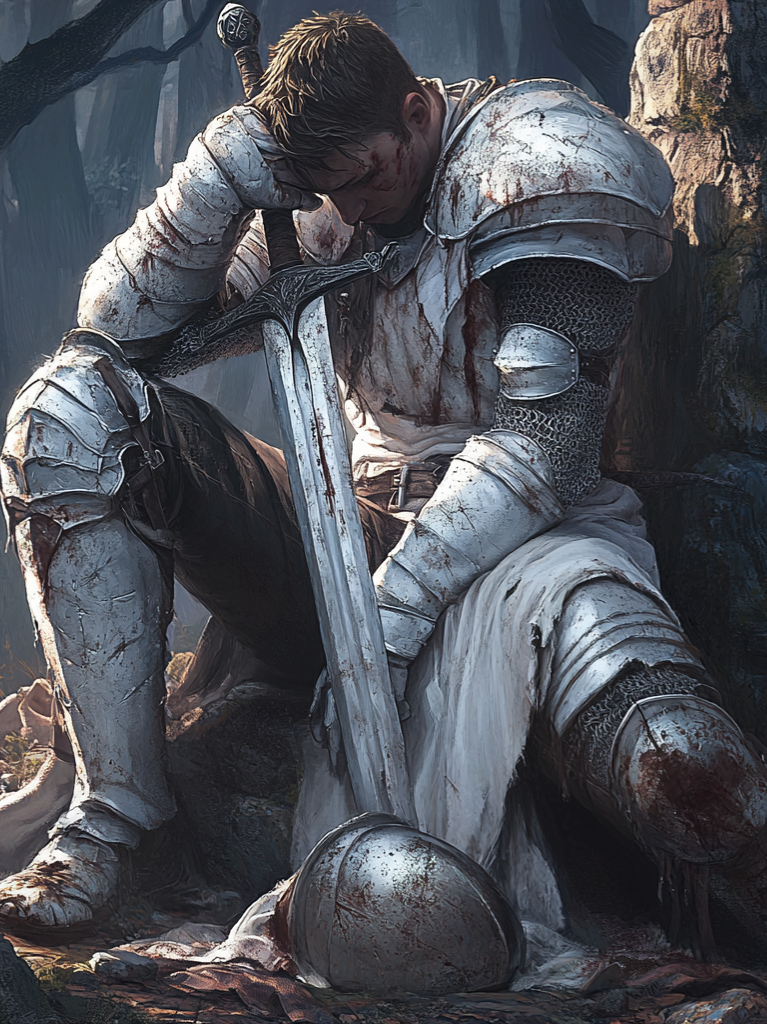
NSFW AI Chat with Top-Tier Models feature illustration

Real-Time AI Image Roleplay

Go beyond words with real-time AI image generation that brings your chats to life. Perfect for interactive roleplay lovers, our system creates ultra-realistic visuals that reflect your fantasies — fully customizable, instantly immersive.

Real-Time AI Image Roleplay feature illustration

Explore & Create Custom Roleplay Characters

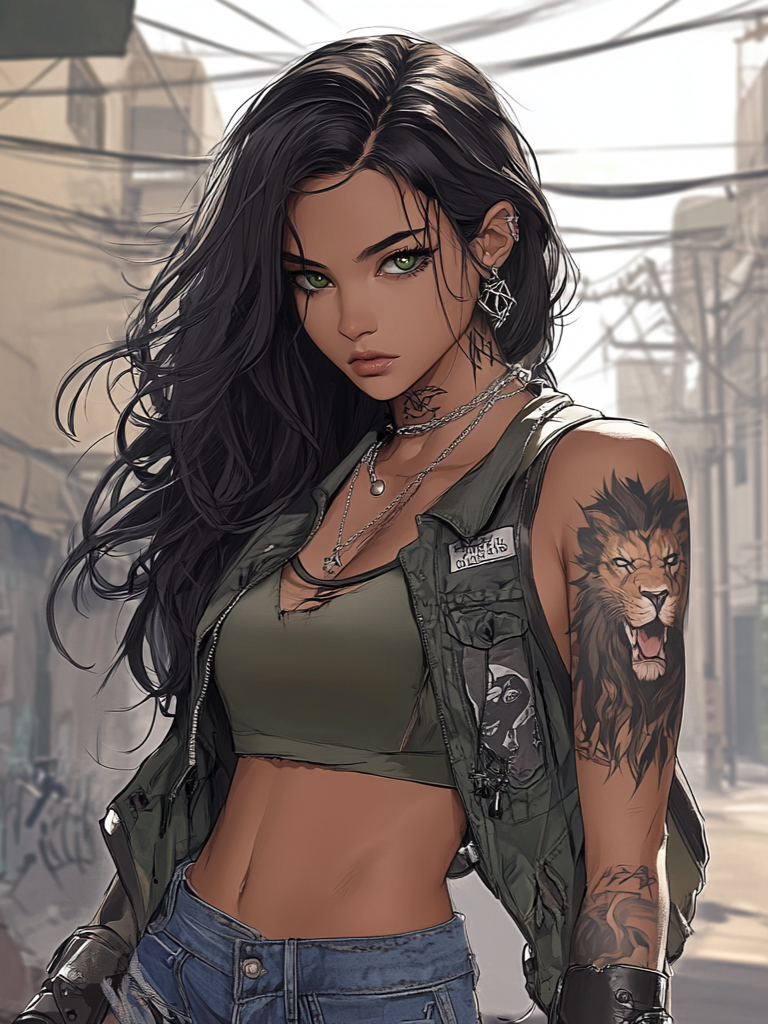
Browse millions of AI characters — from popular anime and gaming icons to unique original characters (OCs) crafted by our global community. Want full control? Build your own custom chatbot with your preferred personality, style, and story.

Explore & Create Custom Roleplay Characters feature illustration

Your Ideal AI Girlfriend or Boyfriend

Looking for a romantic AI companion? Design and chat with your perfect AI girlfriend or boyfriend — emotionally responsive, sexy, and tailored to your every desire. Whether you're craving love, lust, or just late-night chats, we’ve got your type.

Your Ideal AI Girlfriend or Boyfriend feature illustration

FAQs

What makes CraveU AI different from other AI chat platforms?

CraveU stands out by combining real-time AI image generation with immersive roleplay chats. While most platforms offer just text, we bring your fantasies to life with visual scenes that match your conversations. Plus, we support top-tier models like GPT-4, Claude, Grok, and more — giving you the most realistic, responsive AI experience available.

What is SceneSnap?

SceneSnap is CraveU’s exclusive feature that generates images in real time based on your chat. Whether you're deep into a romantic story or a spicy fantasy, SceneSnap creates high-resolution visuals that match the moment. It's like watching your imagination unfold — making every roleplay session more vivid, personal, and unforgettable.

Are my chats secure and private?

Are my chats secure and private?
CraveU AI
Experience immersive NSFW AI chat with Craveu AI. Engage in raw, uncensored conversations and deep roleplay with no filters, no limits. Your story, your rules.
© 2025 CraveU AI All Rights Reserved