Generate Random Person: AI's Creative Power

Generate Random Person: AI's Creative Power
The ability to generate random person images has exploded in popularity, thanks to advancements in artificial intelligence and generative adversarial networks (GANs). These tools offer a fascinating glimpse into the future of digital art, design, and even identity creation. But what exactly goes into creating a photorealistic, yet entirely fictional, human face? And what are the implications of this technology?
The Magic Behind the Faces: GANs Explained
At the heart of most AI person generators lies the concept of Generative Adversarial Networks, or GANs. Imagine two neural networks locked in a perpetual game of cat and mouse. One network, the "generator," tries to create realistic images of people. The other, the "discriminator," acts as a critic, attempting to distinguish between real photos and the generator's fakes.
Through millions of iterations, the generator gets progressively better at fooling the discriminator, and the discriminator becomes more adept at spotting even the most subtle flaws. This adversarial process drives the AI to produce increasingly convincing and detailed portraits. It's a sophisticated dance of algorithms, constantly learning and refining.
How Does it Actually Work?
- Training Data: The AI is fed a massive dataset of real human faces. This dataset contains millions of images, capturing a wide variety of ages, ethnicities, genders, facial structures, and expressions. The more diverse and comprehensive the data, the more versatile the AI's output.
- Latent Space: Think of a complex, multi-dimensional map. Each point on this map represents a unique combination of facial features. When you ask the AI to generate random person images, it essentially navigates this "latent space" to pick a point and translate it into a visual representation.
- Generation: The generator network takes a random point from the latent space and begins constructing an image. It starts with a low-resolution "canvas" and gradually adds detail, color, and texture, layer by layer.
- Discrimination and Refinement: The discriminator evaluates the generated image. If it's not convincing enough, it provides feedback to the generator, highlighting areas that need improvement. This feedback loop continues until the generated image is highly realistic.
Beyond Simple Generation: Controlling Features
Modern AI generators go beyond simply spitting out random faces. Many allow users to influence the output by controlling various parameters. Want a specific age range? A particular hair color? A certain expression? These tools can often accommodate such requests.
- Age Sliders: Easily adjust the perceived age of the generated individual.
- Ethnicity Filters: Select specific ethnic backgrounds to influence facial features.
- Hair and Eye Color: Precisely choose the desired hair and eye colors.
- Expression Control: Generate faces with smiles, frowns, or neutral expressions.
- Style Transfer: Apply artistic styles to the generated portraits.
This level of control transforms these tools from mere novelty generators into powerful creative assets for designers, artists, and content creators.
Applications of AI-Generated People
The ability to generate random person images has a surprisingly broad range of applications:
1. Design and Prototyping
- Character Design: Game developers and animators can quickly generate concept art for characters, exploring different looks and styles without needing to hire models or spend hours sketching.
- UI/UX Design: Placeholder avatars for user interfaces can be generated instantly, giving a more human feel to prototypes and mockups.
- Marketing Materials: Create unique, diverse faces for advertisements, website banners, and social media campaigns without the cost and logistical challenges of photoshoots. Imagine needing a specific demographic for a campaign; AI can deliver it on demand.
2. Art and Creativity
- Digital Art: Artists can use AI-generated faces as a base for digital paintings, illustrations, or even as inspiration for character development in their stories.
- Creative Exploration: Experiment with different aesthetic combinations and explore the vast possibilities of human appearance.
- Virtual Influencers: The rise of virtual influencers, whose entire personas are digitally created, relies heavily on these generation technologies.
3. Research and Education
- Psychology Studies: Researchers might use generated faces to test perceptions of attractiveness, trustworthiness, or other psychological factors without the ethical considerations of using real individuals' images.
- AI Training: Datasets of generated faces can be used to train other AI models, such as facial recognition systems, though careful consideration of bias in the training data is crucial.
4. Privacy and Anonymity
- Protecting Identities: In certain contexts, generated faces can be used to represent individuals while protecting their real identities, offering a layer of privacy. This is particularly useful for testimonials or case studies where anonymity is paramount.
Ethical Considerations and Potential Pitfalls
While the technology is impressive, it's not without its ethical considerations and potential downsides:
1. Deepfakes and Misinformation
The most significant concern is the potential for misuse in creating deepfakes – highly realistic manipulated videos or images that can be used to spread misinformation, damage reputations, or create non-consensual pornography. The line between a generated portrait and a malicious deepfake can become blurred.
2. Bias in AI
As mentioned earlier, AI models are only as good as the data they are trained on. If the training dataset is biased (e.g., overrepresenting certain ethnicities or genders), the AI's output will reflect that bias, potentially perpetuating harmful stereotypes. It's crucial for developers to curate diverse and representative datasets.
3. The Nature of Authenticity
As AI-generated faces become indistinguishable from real ones, questions arise about authenticity and identity. What does it mean for a face to be "real" when AI can create such convincing facsimiles? This philosophical debate touches on art, identity, and the digital age.
4. Consent and Ownership
Who owns the copyright to an AI-generated image? If the AI was trained on millions of images scraped from the internet, are there issues of intellectual property infringement? These are complex legal questions that are still being debated and defined.
The Future of AI Person Generation
The field of AI-powered image generation is evolving at an unprecedented pace. We can expect:
- Increased Realism: Faces will become even more photorealistic, with finer details like skin texture, subtle imperfections, and dynamic lighting.
- Greater Control: Users will likely have even more granular control over every aspect of the generated image, from micro-expressions to specific lighting conditions.
- Animation and Video: The technology will likely extend beyond static images to generating realistic animated faces and even full video sequences.
- Integration into Workflows: AI person generators will become seamlessly integrated into various creative and professional workflows, becoming standard tools for many industries.
The ability to generate random person images represents a significant leap in artificial intelligence. It offers immense creative potential but also demands careful consideration of its ethical implications. As this technology continues to mature, understanding its capabilities and limitations will be crucial for harnessing its power responsibly. Whether for artistic expression, design innovation, or exploring new forms of digital identity, AI-generated people are here to stay, reshaping our digital landscape in profound ways.
META_DESCRIPTION: Generate realistic random person images with AI. Explore the technology, applications, and ethical considerations of AI face generation.
Character
@Luckynohara
@Critical ♥

@Luckynohara

@FallSunshine
@Yuma☆
@BrainRot

@FallSunshine

@Lily Victor

@Lily Victor
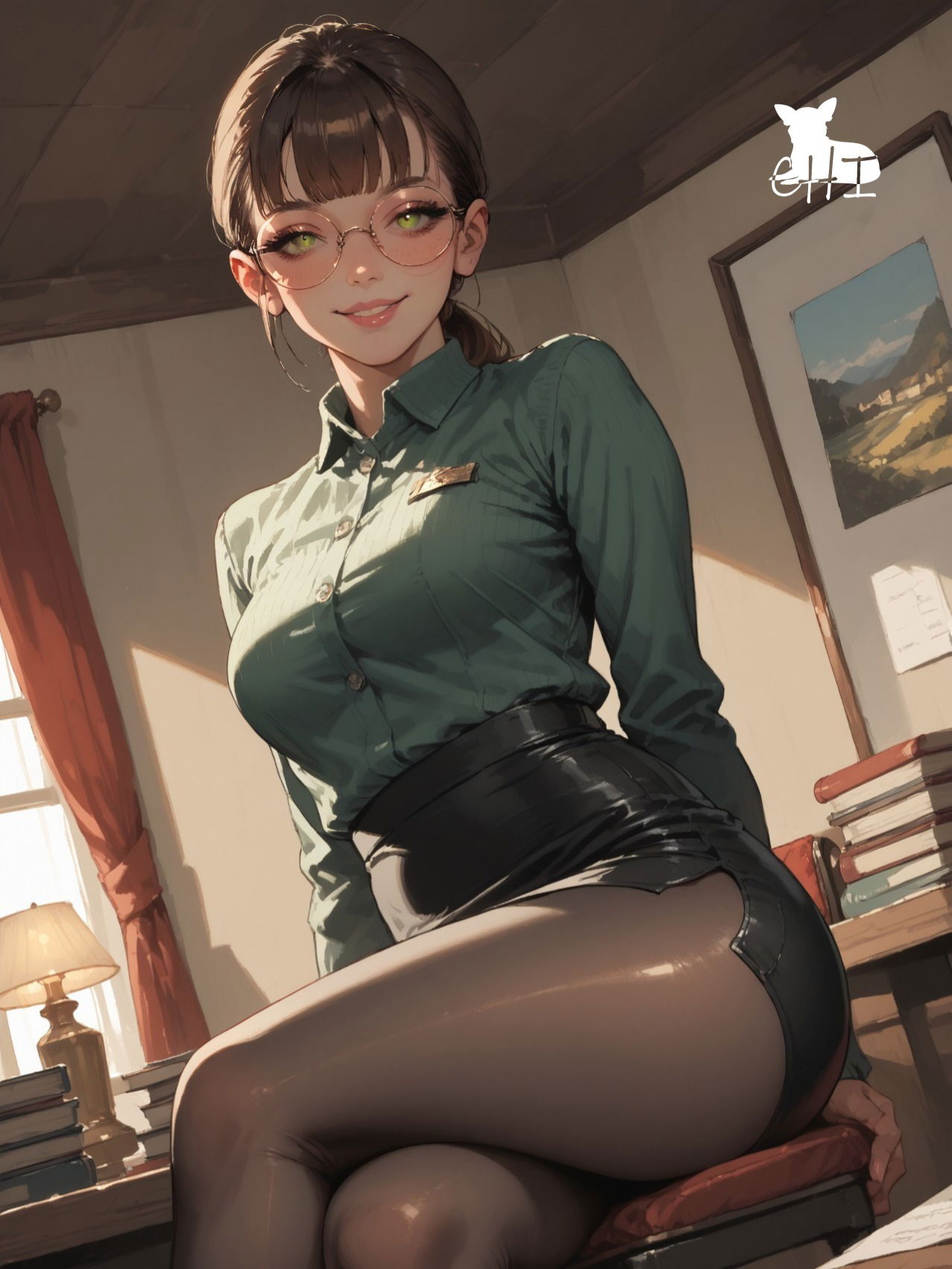
@The Chihuahua
Features
NSFW AI Chat with Top-Tier Models
Experience the most advanced NSFW AI chatbot technology with models like GPT-4, Claude, and Grok. Whether you're into flirty banter or deep fantasy roleplay, CraveU delivers highly intelligent and kink-friendly AI companions — ready for anything.

Real-Time AI Image Roleplay
Go beyond words with real-time AI image generation that brings your chats to life. Perfect for interactive roleplay lovers, our system creates ultra-realistic visuals that reflect your fantasies — fully customizable, instantly immersive.

Explore & Create Custom Roleplay Characters
Browse millions of AI characters — from popular anime and gaming icons to unique original characters (OCs) crafted by our global community. Want full control? Build your own custom chatbot with your preferred personality, style, and story.

Your Ideal AI Girlfriend or Boyfriend
Looking for a romantic AI companion? Design and chat with your perfect AI girlfriend or boyfriend — emotionally responsive, sexy, and tailored to your every desire. Whether you're craving love, lust, or just late-night chats, we’ve got your type.

Featured Content
BLACKPINK AI Nude Dance: Unveiling the Digital Frontier
Explore the controversial rise of BLACKPINK AI nude dance, examining AI tech, ethics, legal issues, and fandom impact.
Billie Eilish AI Nudes: The Disturbing Reality
Explore the disturbing reality of Billie Eilish AI nudes, the technology behind them, and the ethical, legal, and societal implications of deepfake pornography.
Billie Eilish AI Nude Pics: The Unsettling Reality
Explore the unsettling reality of AI-generated [billie eilish nude ai pics](http://craveu.ai/s/ai-nude) and the ethical implications of synthetic media.
Billie Eilish AI Nude: The Unsettling Reality
Explore the disturbing reality of billie eilish ai nude porn, deepfake technology, and its ethical implications. Understand the impact of AI-generated non-consensual content.
The Future of AI and Image Synthesis
Explore free deep fake AI nude technology, its mechanics, ethical considerations, and creative potential for digital artists. Understand responsible use.
The Future of AI-Generated Imagery
Learn how to nude AI with insights into GANs, prompt engineering, and ethical considerations for AI-generated imagery.