AI Image Generation From Text: Unleash Your Vision

AI Image Generation From Text: Unleash Your Vision
The digital landscape is constantly evolving, and with it, the tools we use to create and express ourselves. One of the most groundbreaking advancements in recent years is the ability to generate AI image from text. This technology, once the realm of science fiction, is now accessible to everyone, empowering individuals and businesses alike to bring their wildest imaginations to life visually. Forget the limitations of traditional design software or the expense of hiring artists; AI image generation from text is democratizing visual creation.
The Magic Behind Text-to-Image AI
At its core, AI image generation from text relies on sophisticated machine learning models, primarily diffusion models and Generative Adversarial Networks (GANs). These models are trained on massive datasets of images and their corresponding textual descriptions. Through this extensive training, they learn the intricate relationships between words and visual elements – how a "fluffy white cat" looks, the texture of "rough bark," or the mood evoked by "dramatic lighting."
When you provide a text prompt, the AI interprets your words and begins to construct an image. Diffusion models, for instance, start with random noise and gradually refine it, guided by the text prompt, until a coherent image emerges. GANs, on the other hand, involve two neural networks: a generator that creates images and a discriminator that tries to distinguish between real and AI-generated images. This adversarial process pushes the generator to produce increasingly realistic and relevant outputs.
Understanding the Prompt: The Key to Success
The quality and relevance of the AI-generated image are directly proportional to the quality of the text prompt. Think of yourself as a director guiding an incredibly talented, albeit literal, artist. The more precise and descriptive your instructions, the closer the final output will be to your vision.
Key elements of an effective prompt include:
- Subject: Clearly define the main focus of the image. Be specific! Instead of "a dog," try "a golden retriever puppy playing in a field of sunflowers."
- Style: Specify the artistic style you desire. Options are vast: "photorealistic," "oil painting," "watercolor," "anime," "cyberpunk," "fantasy art," "impressionistic," etc.
- Details: Add descriptive adjectives and adverbs. Consider lighting, mood, color palette, composition, and even camera angles. "Golden hour lighting," "cinematic shot," "vibrant colors," "low-angle perspective."
- Negative Prompts: Many AI image generators allow you to specify what you don't want in the image. This is crucial for refining results and avoiding unwanted elements like "blurry," "deformed," "extra limbs," or "text."
Let's say you want to generate AI image from text of a serene landscape. A basic prompt might be "a forest." This will likely yield a generic image. However, a more detailed prompt like, "A mystical forest at dawn, with shafts of golden sunlight piercing through ancient, moss-covered trees, a gentle mist rising from the forest floor, in the style of a fantasy oil painting, highly detailed, ethereal atmosphere," will produce a far more compelling and specific result.
Applications of AI Image Generation
The ability to generate AI image from text has far-reaching implications across numerous industries and creative pursuits:
1. Graphic Design and Marketing
Marketers and designers can rapidly create unique visuals for social media campaigns, advertisements, website banners, and presentations. Need a specific illustration for a blog post? Instead of searching stock photo sites or commissioning an artist, you can generate it on demand. This accelerates content creation workflows and allows for highly tailored visual branding. Imagine generating a custom image for a product launch that perfectly captures the brand's essence – this is now a reality.
2. Content Creation and Blogging
Bloggers, writers, and content creators can enhance their articles with custom imagery that perfectly complements their narrative. This makes content more engaging and visually appealing, leading to higher reader retention and better SEO performance. No more settling for generic stock photos that don't quite fit the tone or message of your piece.
3. Game Development and Virtual Worlds
Game developers can use AI to generate concept art, character designs, environment assets, and textures. This significantly speeds up the pre-production and asset creation phases, allowing smaller teams or individual developers to create richer, more detailed game worlds. The potential for creating unique, procedurally generated content is immense.
4. Art and Illustration
Artists can leverage AI as a powerful tool for inspiration, experimentation, and even as a collaborator. It can help overcome creative blocks, explore different styles, and generate base elements that can be further refined with traditional techniques. It's not about replacing artists, but about augmenting their capabilities.
5. Product Prototyping and Visualization
Entrepreneurs and product designers can quickly visualize product concepts, create mockups, and generate marketing materials before investing in physical prototypes. This iterative process allows for faster design cycles and better communication of ideas.
6. Education and Training
Educational materials can be made more engaging with custom-generated illustrations and diagrams that explain complex concepts visually. Imagine generating an image of a specific historical event or a scientific process tailored to a particular learning level.
Popular AI Image Generation Tools
The field is rapidly advancing, with new tools and models emerging constantly. Some of the most popular and powerful platforms include:
- Midjourney: Known for its artistic and often surreal outputs, Midjourney is accessed via Discord and is highly regarded for its aesthetic quality.
- Stable Diffusion: An open-source model that offers immense flexibility and control. It can be run locally on powerful hardware or accessed through various web interfaces and services. Its open nature has fostered a vibrant community of developers and artists.
- DALL-E 2/3 (OpenAI): Developed by OpenAI, DALL-E is renowned for its ability to understand complex prompts and generate highly coherent and creative images. DALL-E 3, integrated with ChatGPT Plus, offers even more nuanced prompt interpretation.
- Adobe Firefly: Integrated into Adobe's Creative Cloud suite, Firefly is designed to be commercially safe, trained on Adobe Stock imagery and openly licensed content. It focuses on ethical AI generation.
- Leonardo.Ai: A platform offering a suite of tools for AI art generation, including fine-tuned models and training capabilities, aimed at game developers and artists.
Each of these tools has its strengths and weaknesses, and the best choice often depends on your specific needs, desired style, and technical comfort level. Experimentation is key to discovering which platform resonates most with your creative process.
Challenges and Considerations
While the power of AI image generation is undeniable, there are important considerations and challenges to be aware of:
1. Ethical Implications and Copyright
The legal landscape surrounding AI-generated art is still developing. Questions about copyright ownership, the use of copyrighted material in training data, and the potential for misuse (e.g., deepfakes) are ongoing debates. It's crucial to be aware of the terms of service of the platforms you use and to consider the ethical implications of your creations.
2. Bias in AI Models
Like all AI systems, image generators can inherit biases present in their training data. This can lead to the perpetuation of stereotypes or underrepresentation of certain groups in generated images. Developers are actively working to mitigate these biases, but it remains an important area of focus.
3. The Learning Curve
While conceptually simple, mastering the art of prompt engineering can take time and practice. Achieving specific, high-quality results often requires iterative refinement of prompts and understanding how the AI interprets different keywords and phrasing.
4. Computational Resources
Running advanced AI models locally can require significant computing power (high-end GPUs). Many users opt for cloud-based services, which abstract away the hardware requirements but often come with subscription fees or usage credits.
5. Authenticity and Originality
As AI-generated imagery becomes more prevalent, discussions around authenticity and the definition of "art" are becoming more prominent. How do we value AI-assisted creations compared to purely human-made art? This is a philosophical question that will continue to evolve.
The Future of Visual Creation
The ability to generate AI image from text is not just a technological novelty; it represents a fundamental shift in how we create and interact with visual content. It democratizes creativity, lowers barriers to entry, and opens up new avenues for artistic expression and problem-solving.
We are moving towards a future where visual content is more personalized, dynamic, and readily available than ever before. Imagine interactive storytelling where the visuals adapt in real-time based on user input, or architectural designs generated instantly from detailed specifications. The possibilities are truly boundless.
As this technology continues to mature, we can expect even more sophisticated models, greater control over outputs, and seamless integration into existing creative workflows. The journey of learning to effectively communicate with these AI systems is an exciting one, empowering us to translate abstract ideas into tangible visual realities. The era of effortless, on-demand visual creation has arrived, and its impact will only continue to grow. What will you create next?
Character
@Critical ♥
@Luckynohara
@Knux12
@CoffeeCruncher
@Lily Victor
@nanamisenpai
@Lily Victor
@SteelSting
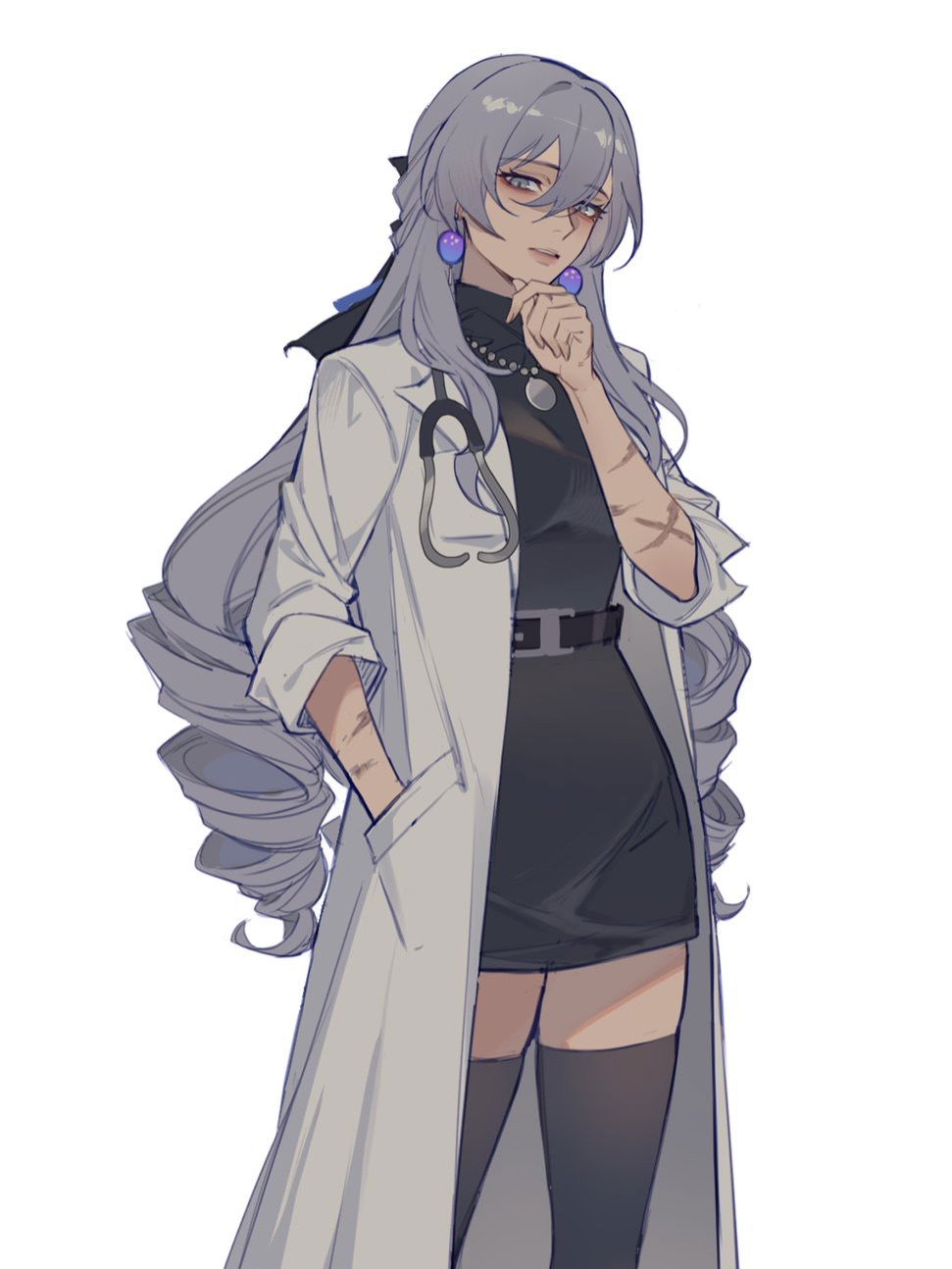
@Notme
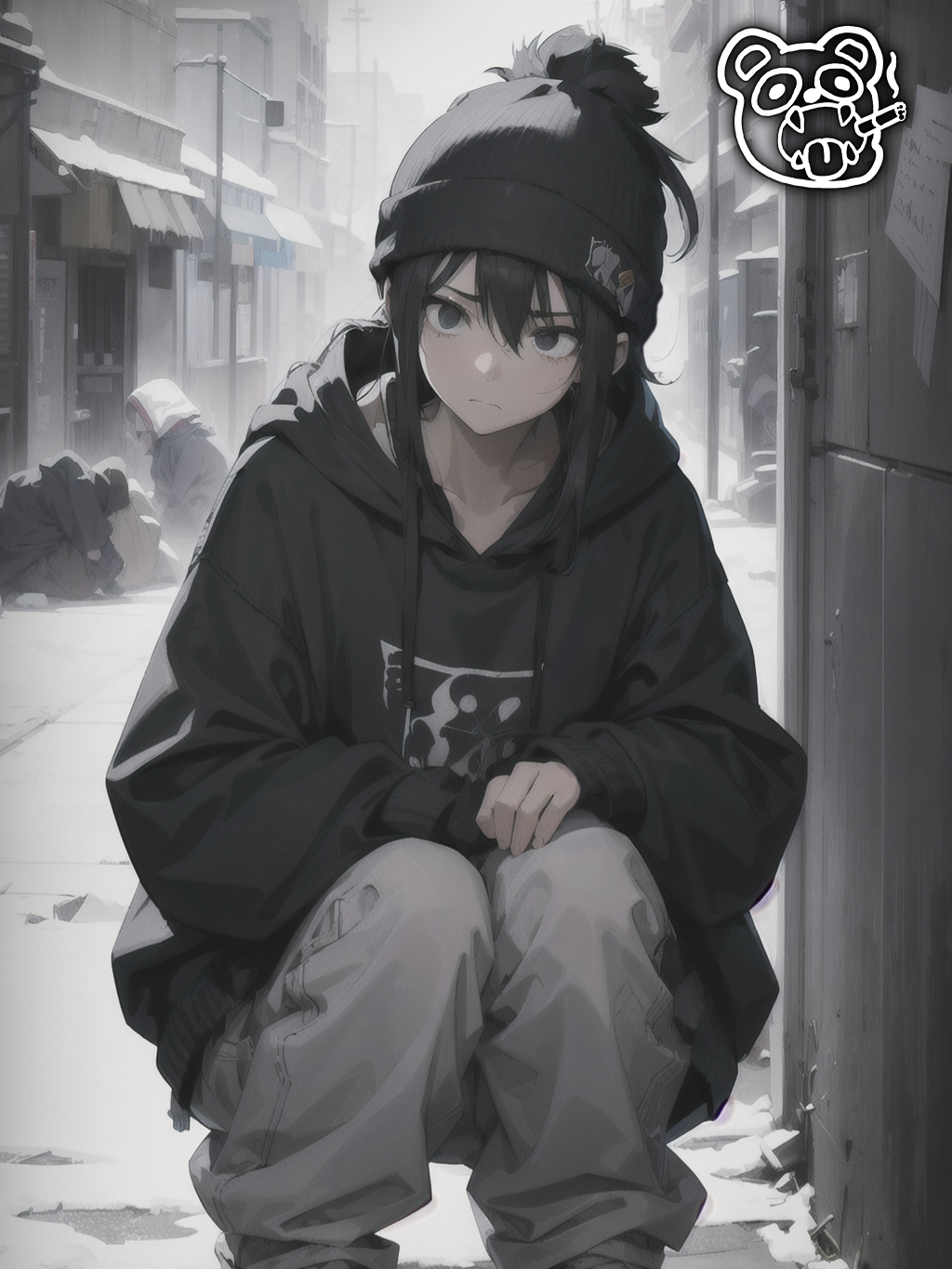
@SmokingTiger
Features
NSFW AI Chat with Top-Tier Models
Experience the most advanced NSFW AI chatbot technology with models like GPT-4, Claude, and Grok. Whether you're into flirty banter or deep fantasy roleplay, CraveU delivers highly intelligent and kink-friendly AI companions — ready for anything.

Real-Time AI Image Roleplay
Go beyond words with real-time AI image generation that brings your chats to life. Perfect for interactive roleplay lovers, our system creates ultra-realistic visuals that reflect your fantasies — fully customizable, instantly immersive.

Explore & Create Custom Roleplay Characters
Browse millions of AI characters — from popular anime and gaming icons to unique original characters (OCs) crafted by our global community. Want full control? Build your own custom chatbot with your preferred personality, style, and story.

Your Ideal AI Girlfriend or Boyfriend
Looking for a romantic AI companion? Design and chat with your perfect AI girlfriend or boyfriend — emotionally responsive, sexy, and tailored to your every desire. Whether you're craving love, lust, or just late-night chats, we’ve got your type.

Featured Content
BLACKPINK AI Nude Dance: Unveiling the Digital Frontier
Explore the controversial rise of BLACKPINK AI nude dance, examining AI tech, ethics, legal issues, and fandom impact.
Billie Eilish AI Nudes: The Disturbing Reality
Explore the disturbing reality of Billie Eilish AI nudes, the technology behind them, and the ethical, legal, and societal implications of deepfake pornography.
Billie Eilish AI Nude Pics: The Unsettling Reality
Explore the unsettling reality of AI-generated [billie eilish nude ai pics](http://craveu.ai/s/ai-nude) and the ethical implications of synthetic media.
Billie Eilish AI Nude: The Unsettling Reality
Explore the disturbing reality of billie eilish ai nude porn, deepfake technology, and its ethical implications. Understand the impact of AI-generated non-consensual content.
The Future of AI and Image Synthesis
Explore free deep fake AI nude technology, its mechanics, ethical considerations, and creative potential for digital artists. Understand responsible use.
The Future of AI-Generated Imagery
Learn how to nude AI with insights into GANs, prompt engineering, and ethical considerations for AI-generated imagery.