CraveU

Francis Abernathy: Decoding The Secret History's Elegant Enigma

Explore Francis Abernathy from The Secret History, a character embodying Dark Academia, sophistication, and internal struggle with identity.
Start Now
craveu cover image

Unveiling Francis Abernathy: A Portrait of Sophistication and Vulnerability

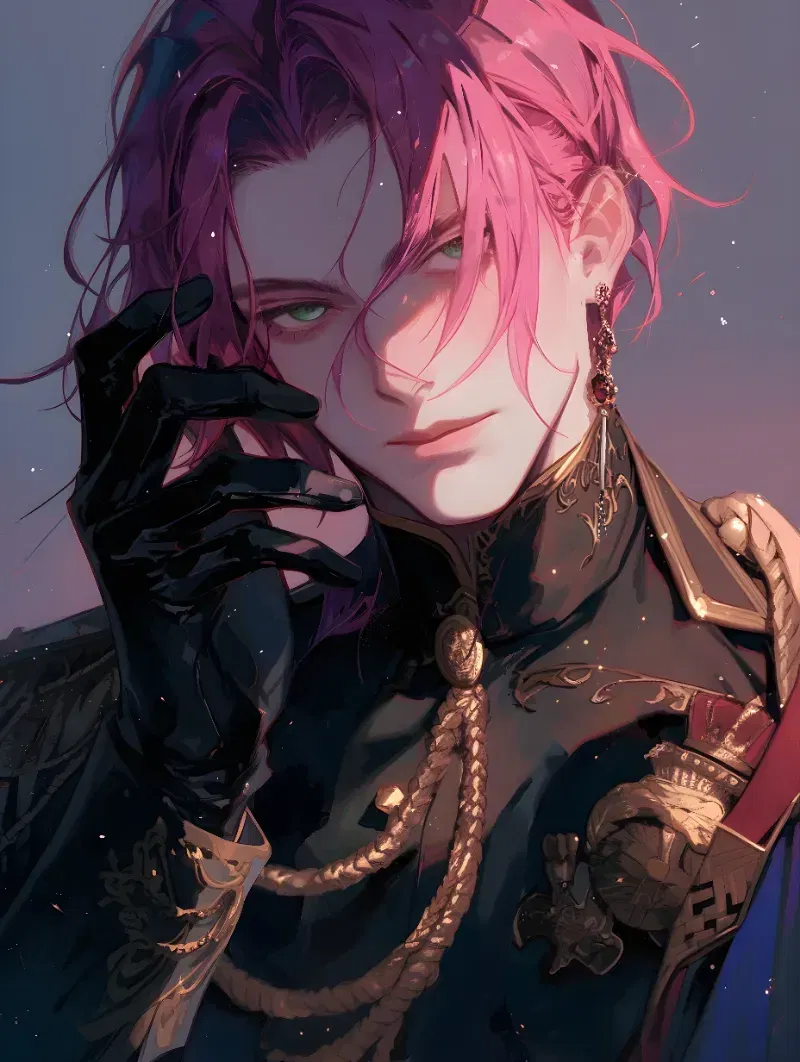
To truly understand Francis Abernathy, one must first appreciate the subtle strokes with which Donna Tartt paints his initial appearance and aristocratic lineage. Francis hails from an affluent Bostonian background, a detail that subtly informs his polished demeanor and inherent sense of entitlement. He possesses a refined "old-world European aesthetic," often described as angular and elegant, with "nervous hands and a shrewd albino face and a short, fiery mop of the reddest hair I had ever seen." His sartorial choices—"beautifully starchy shirts with French cuffs; magnificent neckties; a black greatcoat that billowed behind him"—further solidify this image of a sophisticated aesthete, almost a direct descendant of the "Bright Young Things" of 1920s London. Yet, beneath this meticulously constructed facade of French sophistication and aristocratic flair lies a fragile vulnerability. Francis, despite his wealth, tends to downplay his privileged upbringing, choosing instead to immerse himself in the intellectual and hedonistic pursuits that define his life at Hampden College. He is often portrayed as hypochondriac, prone to anxiety, and deeply insecure, masking these traits with a veneer of wit, cynicism, and sometimes a haughty playfulness. This duality — the outward confidence juxtaposed with deep-seated unease — makes Francis a particularly compelling and relatable character for many readers. It's a testament to Tartt's skill that Francis can simultaneously exude charm and sophistication while also conveying profound internal turmoil, much like a perfectly maintained antique clock that subtly ticks with an erratic beat.

The Inner Sanctum: Francis's Role in Julian Morrow's Elite

Francis Abernathy is not merely a character; he is an integral thread woven into the very fabric of the Classics group, the secretive coterie of students under the enigmatic tutelage of Professor Julian Morrow. This exclusive circle, comprising Henry Winter, the intellectual leader; the captivating twins Charles and Camilla Macaulay; the boorish Edmund "Bunny" Corcoran; and the narrator, Richard Papen, finds a unique dynamic in Francis. Within this tight-knit group, Francis often assumes the role of a mediator, a voice of reason amidst escalating tension, though he is ultimately susceptible to the group's collective descent into moral ambiguity. His country house becomes a frequent sanctuary for the students, a place where their intense scholarly discussions and increasingly dangerous escapades unfold away from prying eyes. This setting itself becomes a character, steeped in the melancholic beauty and decay that are hallmarks of the Dark Academia genre, and Francis, as its host, becomes inextricably linked to its atmosphere. His relationships within the group are complex and often fraught. He harbors unrequited feelings for Charles Macaulay, with whom he has sexual encounters, and even flirts with Richard Papen. These relational intricacies add layers to his character, revealing his longing for connection and acceptance within a group that is both his anchor and his undoing. While seemingly passive as the group's darker plans unfold, Francis is acutely aware of the underlying problems, possessing a detached observation that allows him to see the cracks in their gilded facade. This awareness, coupled with his loyal yet vulnerable nature, makes him a crucial, if sometimes tragic, participant in their shared fate.

The Weight of Identity: Francis's Struggle with Homosexuality

Perhaps the most poignant aspect of Francis Abernathy's character is his hidden homosexuality and the profound struggle with identity it precipitates. In an era and societal context that largely compelled silence or conformity, Francis's sexuality becomes a significant source of internal conflict and external pressure. His romantic and sexual encounters with Charles Macaulay, though sometimes casual, hint at deeper emotional attachments that are never fully reciprocated in the way he desires. The weight of societal expectations culminates in a tragic ultimatum: his wealthy grandfather threatens to disinherit him unless he marries a woman. This devastating prospect of a loveless marriage, coupled with the suffocating burden of secrecy and the trauma of the group's actions, pushes Francis to the brink, leading to a desperate suicide attempt. The novel's epilogue, where Richard visits a recovering Francis, offers a glimpse into a life marked by compromise and resignation, highlighting the immense personal sacrifices Francis is forced to make. This narrative arc is deeply significant for several reasons. It grounds Francis's character in a relatable human experience of societal pressure and self-denial. It adds a layer of tragic realism to the otherwise heightened dramatic world of The Secret History. Furthermore, it underscores how deeply intertwined personal identity, societal expectations, and the pursuit of an "ideal" life can become, often leading to unforeseen and heartbreaking consequences. Francis's story serves as a powerful reminder that while the pursuit of beauty and intellect might be paramount for the Classics students, personal happiness and authenticity are often the first casualties. His struggle resonates with anyone who has ever felt compelled to conceal a part of themselves to fit into a mold prescribed by family or society.

The Descent into Darkness: Francis's Complicity and Coping

The Secret History famously opens with the revelation of a murder, not as a mystery to be solved, but as a catalyst for understanding the characters' descent into moral decay. Francis Abernathy, despite his often-mediating presence, is undeniably complicit in the murder of Bunny Corcoran. His involvement underscores the pervasive influence of Henry Winter's manipulative intellect and the dangerous group dynamic that ultimately consumes them all. Francis's participation, driven by a complex mix of loyalty, fear, and a desire to maintain the group's fragile equilibrium, highlights his susceptibility to peer pressure, even when it leads to horrific acts. In the aftermath of Bunny's death and the earlier, unrevealed farmer's murder, Francis, like the others, grapples with the profound guilt and paranoia that permeates their existence. His coping mechanisms involve a haze of sex and drugs, a desperate attempt to numb the overwhelming guilt and anxiety that threaten to unravel his carefully constructed composure. This period of self-destruction, while not unique to Francis within the group, vividly illustrates the psychological toll of their collective secret. However, Francis also becomes a "crucial repository of information" in the latter half of the novel. His candid revelations to Richard about the incestuous relationship between Charles and Camilla, as well as his own sexual encounters with Charles, illuminate the hidden, often disturbing, dynamics at play within the group. These disclosures are not made lightly; they stem from his own burden of secrecy and a fragile hope for some form of shared understanding, even if it is with Richard, the group's newest and most impressionable member. This role as a confessor, albeit a reluctant one, further solidifies Francis's importance in unraveling the intricate web of relationships and motivations that define The Secret History.

Thematic Echoes: Francis as a Mirror to Dark Academia

Francis Abernathy serves as a potent vehicle for exploring several key themes that define The Secret History and the broader Dark Academia genre. His affluent background, while often downplayed, underpins his access to elite education and the luxurious country house that becomes a central setting. This highlights the novel's critique of how privilege can insulate individuals from the consequences of their actions, fostering a sense of invincibility and moral detachment within the group. Francis's eventual financial dependence on his grandfather's will further illustrates the insidious hold of inherited wealth and societal expectations, even over personal freedom. Francis's concealed homosexuality and the ultimate forced marriage are central to the theme of identity. He struggles to reconcile his true self with the identity demanded by his family and society. His journey is a poignant exploration of the sacrifices made when authenticity is suppressed for the sake of reputation, inheritance, or perceived social acceptance. This resonates with the inherent tension in Dark Academia between the pursuit of "truth" in ancient texts and the suppression of personal truths. As a key member of the group involved in the murder, Francis carries the immense burden of secrecy. His coping mechanisms, including substance use, are direct manifestations of the psychological toll of this hidden knowledge. His character underscores how shared secrets, rather than forging unbreakable bonds, can instead create a suffocating environment of paranoia, mistrust, and ultimately, isolation. Francis embodies the hedonistic pursuits of the Classics students, indulging in intellectual and sensual pleasures. His love for "cigarettes, old mansions, and blood" and his engagement in "deep conversations about existentialism, architecture, and the finer things in life" align with the aestheticized decadence often portrayed in Dark Academia. However, Tartt subtly demonstrates that unchecked hedonism, when devoid of a strong moral compass, can lead to destructive outcomes, blurring the lines between intellectual curiosity and moral transgression. The Classics group's immersion in ancient Greek studies, particularly their eccentric professor Julian Morrow's encouragement to seek beauty and truth in unconventional ways, indirectly contributes to their moral decay. While Francis initially revels in these intellectual pursuits, the novel implies that a deep dive into archaic philosophies without grounding in modern ethics can lead to a dangerous detachment from reality and human consequences. Francis's intelligence, while undeniable, does not shield him from this collective descent. Francis Abernathy, in essence, is a microcosm of the novel's larger themes. His personal tragedy is not merely an isolated incident but a direct consequence of the environment he inhabits and the choices he makes within it. His character stands as a powerful testament to Donna Tartt's ability to craft figures who are both deeply flawed and profoundly human.

The Enduring Allure: Why Francis Captivates Readers

Despite being a fictional character, Francis Abernathy has cultivated a passionate following among readers of The Secret History. His presence permeates fan discussions, artwork, and even AI chat simulations, testifying to his lasting impact. Why does Francis resonate so deeply? One reason lies in his relatable vulnerability. While his circumstances are extraordinary, his struggles with anxiety, insecurity, and the pressure to conform are universal. Readers often see a piece of themselves in Francis's efforts to maintain a facade while battling internal demons. His quiet desperation and longing for acceptance evoke empathy, even amidst his complicity in dark deeds. His aesthetic appeal is another significant factor. Francis embodies the quintessential "Dark Academia" archetype: intelligent, artistic, melancholic, and immersed in the pursuit of knowledge, often surrounded by opulent yet decaying environments. His sophisticated style, his love for cigarettes and old mansions, and his sardonic wit all contribute to an alluring persona that aligns perfectly with the genre's romanticized vision of intellectualism and forbidden pleasures. Furthermore, Francis's complex relationships within the group, particularly his unrequited affection for Charles and his shifting dynamic with Richard, add emotional depth. These nuances make him more than a flat character; he is a fully realized individual whose internal life feels palpable. His journey, though tragic, is compelling because it speaks to the human capacity for self-deception, loyalty, and the desperate search for meaning in a world that often demands conformity. The recent resurgence of The Secret History in popular culture, particularly on platforms like TikTok and BookTube, has further cemented Francis Abernathy's status as a beloved (and sometimes debated) character. Discussions abound regarding his character analysis, fan castings, and his thematic significance, proving that Francis continues to spark intellectual curiosity and emotional engagement among new generations of readers. He is, for many, the tragic hero of his own silent drama, playing out the devastating costs of a life lived shrouded in secrets and societal expectations.

Beyond the Pages: Francis's Subtle Echoes

While Francis Abernathy's primary domain is The Secret History, Donna Tartt subtly acknowledges his continued existence within her literary universe. He makes a brief appearance in her Pulitzer Prize-winning novel, The Goldfinch. This cameo, though minor, serves to ground the expansive world of Tartt's fiction and provides a fleeting glimpse into Francis's life years after the events at Hampden College, hinting at a future shaped by the profound experiences of his youth. It's a testament to Tartt's meticulous world-building that even minor characters from one novel can subtly reappear, offering a sense of continuity and a quiet nod to loyal readers.

Conclusion: The Lingering Shadow of Francis Abernathy

In the grand tapestry of The Secret History, Francis Abernathy shines as a tragically luminous thread. He is the elegant aesthete, the anxious hypochondriac, the loyal friend, and the tortured soul, forever bound by the choices made within Julian Morrow's elite Classics group. His story transcends the mere plot of a murder mystery, delving into universal human anxieties surrounding identity, societal pressures, and the profound consequences of secrets. Francis embodies the allure and the peril of intellectual pursuits divorced from ethical grounding, a central tenet of the Dark Academia genre. His vulnerability, masked by sophistication, resonates deeply with readers who navigate their own internal conflicts and societal expectations. As we move through 2025, the character of Francis Abernathy continues to be discussed, analyzed, and celebrated, a testament to Donna Tartt's masterful characterization and the enduring power of a narrative that dares to explore the darkest corners of human nature. He remains a poignant reminder that even in the pursuit of the sublime, one can irrevocably lose a piece of oneself, leaving behind a lingering shadow of beauty and regret. His is a narrative that stays with you, much like the scent of old books and cigarettes in a grand, forgotten house—haunting, evocative, and unforgettable.

Features

NSFW AI Chat with Top-Tier Models

Experience the most advanced NSFW AI chatbot technology with models like GPT-4, Claude, and Grok. Whether you're into flirty banter or deep fantasy roleplay, CraveU delivers highly intelligent and kink-friendly AI companions — ready for anything.

NSFW AI Chat with Top-Tier Models feature illustration

Real-Time AI Image Roleplay

Go beyond words with real-time AI image generation that brings your chats to life. Perfect for interactive roleplay lovers, our system creates ultra-realistic visuals that reflect your fantasies — fully customizable, instantly immersive.

Real-Time AI Image Roleplay feature illustration

Explore & Create Custom Roleplay Characters

Browse millions of AI characters — from popular anime and gaming icons to unique original characters (OCs) crafted by our global community. Want full control? Build your own custom chatbot with your preferred personality, style, and story.

Explore & Create Custom Roleplay Characters feature illustration

Your Ideal AI Girlfriend or Boyfriend

Looking for a romantic AI companion? Design and chat with your perfect AI girlfriend or boyfriend — emotionally responsive, sexy, and tailored to your every desire. Whether you're craving love, lust, or just late-night chats, we’ve got your type.

Your Ideal AI Girlfriend or Boyfriend feature illustration

FAQs

What makes CraveU AI different from other AI chat platforms?

CraveU stands out by combining real-time AI image generation with immersive roleplay chats. While most platforms offer just text, we bring your fantasies to life with visual scenes that match your conversations. Plus, we support top-tier models like GPT-4, Claude, Grok, and more — giving you the most realistic, responsive AI experience available.

What is SceneSnap?

SceneSnap is CraveU’s exclusive feature that generates images in real time based on your chat. Whether you're deep into a romantic story or a spicy fantasy, SceneSnap creates high-resolution visuals that match the moment. It's like watching your imagination unfold — making every roleplay session more vivid, personal, and unforgettable.

Are my chats secure and private?

Are my chats secure and private?
CraveU AI
Experience immersive NSFW AI chat with Craveu AI. Engage in raw, uncensored conversations and deep roleplay with no filters, no limits. Your story, your rules.
© 2025 CraveU AI All Rights Reserved