The Future of Gender Representation in Anime

Anime's Gender Spectrum: Female vs Male Characters
The world of anime is a vibrant tapestry woven with diverse characters, each possessing unique traits and captivating storylines. Among the most discussed and analyzed aspects are the portrayals of female and male anime characters. While stereotypes often dominate initial perceptions, a deeper dive reveals a nuanced and evolving landscape. From the stoic warrior to the compassionate healer, both genders are depicted with a remarkable range of personalities, motivations, and developmental arcs. Understanding these portrayals isn't just about appreciating character design; it's about recognizing how anime reflects and sometimes challenges societal norms and expectations.
The Archetypal Male Anime Protagonist
For decades, the male anime protagonist has often embodied a specific set of characteristics. Think of the determined shonen hero, driven by an unwavering will to overcome any obstacle. These characters are frequently depicted as physically strong, courageous, and possessing an innate sense of justice. Their journeys are typically marked by rigorous training, fierce battles, and the formation of unbreakable bonds with their comrades. Examples abound, from Goku in Dragon Ball Z, whose quest for strength is legendary, to Naruto Uzumaki, whose dream of becoming Hokage fuels his every action.
However, to pigeonhole all male anime characters into this mold would be a disservice to the genre's creativity. We also see the introspective, brooding anti-hero, grappling with internal demons and a morally ambiguous past. Characters like Levi Ackerman from Attack on Titan, with his unparalleled combat skill and detached demeanor, or Guts from Berserk, whose life is a relentless struggle against overwhelming darkness, showcase a different facet of masculinity. These characters often explore themes of trauma, loss, and the psychological toll of conflict, offering a more complex and often darker exploration of the male experience.
Furthermore, the rise of slice-of-life and romance anime has introduced a broader spectrum of male characters. We encounter the shy, awkward student, the charming and popular upperclassman, or the dependable best friend. These characters often navigate the complexities of relationships, personal growth, and everyday challenges, demonstrating that strength isn't solely defined by physical prowess or combat ability. Their struggles with social anxiety, unrequited love, or finding their place in the world resonate deeply with audiences, highlighting a more relatable and grounded form of heroism. The evolution of male anime characters reflects a growing willingness to explore vulnerability and emotional depth, moving beyond traditional, often rigid, archetypes.
The Multifaceted Female Anime Character
The portrayal of female anime characters has undergone significant evolution, moving from often one-dimensional damsels in distress to complex, empowered individuals who drive their own narratives. Early anime, like many forms of media, sometimes fell into stereotypical roles. Yet, even in those eras, groundbreaking characters emerged. Characters like Nausicaä from Nausicaä of the Valley of the Wind demonstrated incredible bravery, intelligence, and a deep connection to nature, challenging the notion that female leads were limited to domestic or passive roles.
Today, the diversity of female characters in anime is truly remarkable. We have the fierce warrior, like Mikasa Ackerman from Attack on Titan, whose loyalty and combat prowess are second to none. Her strength is not just physical but also emotional, as she navigates profound loss and unwavering devotion. Then there are the intelligent and strategic minds, such as Light Yagami's female counterpart in Death Note, Misa Amane, whose initial role might seem secondary, but whose actions have significant ripple effects. Or consider characters like Makise Kurisu from Steins;Gate, a brilliant young scientist whose intellect and resourcefulness are crucial to the plot's progression.
Beyond the action-oriented roles, anime excels at presenting female characters who embody resilience, empathy, and quiet strength. Think of the nurturing figures, the mentors, or those who find power in their emotional intelligence and ability to connect with others. Characters in Fruits Basket, like Tohru Honda, exemplify this, offering comfort and understanding in the face of deep-seated family trauma. Even characters who initially appear demure or shy often possess hidden depths and a powerful inner resolve that emerges when tested. The exploration of female friendships, romantic relationships, and individual aspirations further enriches these portrayals, showcasing a holistic view of womanhood. The ongoing conversation about representation in media, including anime, continues to push for even more nuanced and diverse depictions of female characters.
Beyond the Binary: Exploring Gender Fluidity and Ambiguity
While the discussion often centers on "female vs male anime characters," it's crucial to acknowledge that anime frequently blurs these lines, exploring gender fluidity and ambiguity in fascinating ways. This isn't just about characters who cross-dress or present themselves in non-traditional ways; it's about characters whose identities challenge the very notion of a fixed gender.
One of the most compelling examples is the concept of "trap" characters, often male characters who are so effeminate in appearance that they are mistaken for female. While this trope can be controversial, it also opens up conversations about presentation and perception. More profoundly, anime has explored characters who genuinely question or defy traditional gender roles and identities. These characters might not fit neatly into either the "female" or "male" box, and their journeys are often about self-discovery and acceptance in a world that often demands conformity.
Consider characters whose gender identity is a central part of their narrative, or those who exist in a space where gender is less relevant than their actions or spirit. This exploration can be subtle, embedded in character interactions and societal structures within the anime world, or it can be overt, forming the core of a character's arc. The willingness of anime to delve into these more complex aspects of identity is a testament to its artistic freedom and its capacity to reflect the evolving understanding of gender in the real world. This exploration allows for a richer, more inclusive representation of human experience, moving beyond simple binaries.
Character Development: The Engine of Engagement
Regardless of gender, the most compelling anime characters are those who undergo significant development. This growth is what makes them relatable and memorable. For male characters, development might involve overcoming a deep-seated fear, learning to trust others, or accepting responsibility for their actions. For female characters, it could mean finding their voice, asserting their independence, or learning to balance their desires with the needs of those around them.
The journey of a character is often intertwined with the plot. A character's transformation can be driven by external events – a devastating loss, a triumphant victory, or a profound realization. It can also be an internal struggle, a gradual process of self-reflection and change. When writers invest in robust character development, the audience becomes more invested in the story. We root for their successes and empathize with their failures.
Think about the evolution of characters over multiple seasons or arcs. How have their motivations changed? What have they learned? Have they become more cynical or more hopeful? These shifts, when handled authentically, create a powerful connection between the viewer and the on-screen persona. The best anime doesn't just present static figures; it presents living, breathing individuals who are constantly learning, adapting, and growing. This focus on development is a key reason why female vs male anime characters remain such a rich topic of discussion.
Common Tropes and How Anime Subverts Them
Anime, like any storytelling medium, relies on tropes. However, a hallmark of great anime is its ability to take these familiar patterns and twist them, subvert them, or imbue them with new meaning.
For male characters, the "overpowered protagonist" trope is common. While some series lean heavily into this, others use it as a starting point, only to reveal the protagonist's hidden weaknesses or the true cost of their power. The "rival" character, often a foil to the main hero, can also be subverted, evolving from an antagonist into a trusted ally or even a close friend. The "cool, silent type" might surprise audiences with unexpected moments of humor or vulnerability.
Similarly, female characters are often subject to tropes like the "tsundere" (initially cold, later warm), the "yandere" (obsessively devoted, often violently so), or the "genki girl" (energetic and cheerful). While these archetypes are popular, many series explore the nuances within them. A tsundere might have genuine reasons for their initial harshness, rooted in past trauma. A yandere's obsession might stem from a deep-seated fear of abandonment. The genki girl might use her cheerfulness to mask underlying sadness.
The subversion of these tropes is what keeps anime fresh and engaging. It demonstrates a sophisticated understanding of character psychology and a willingness to challenge audience expectations. By playing with and subverting common archetypes, anime creators can craft more original and memorable characters, whether they are male, female, or somewhere in between. This constant innovation is a significant part of anime's enduring appeal.
The Impact of Voice Acting and Design
Beyond the script and character arcs, the visual design and voice acting play a pivotal role in shaping our perception of female vs male anime characters. The art style, character models, and animation techniques all contribute to how a character is presented. A character's costume, their physical build, their facial expressions – all these elements convey information about their personality and role in the story.
Consider the deliberate choices made in character design. The sharp, angular features of a stoic warrior might contrast with the softer, rounder features of a compassionate healer. The vibrant color palette used for a cheerful character can immediately set them apart from a more somber individual. These visual cues are powerful tools that help audiences quickly grasp a character's essence.
Equally important is the voice acting. A skilled voice actor can breathe life into a character, conveying a wide range of emotions and nuances that might not be explicitly stated in the dialogue. The tone of voice, the cadence of speech, the subtle inflections – all these contribute to the character's believability and impact. A powerful, booming voice can emphasize strength, while a softer, more melodic tone might suggest gentleness or wisdom. The synergy between visual design and voice performance is crucial for creating truly memorable characters. The way a character is designed and voiced can significantly influence how audiences perceive their gender presentation and overall personality.
Cultural Context and Evolving Perceptions
It's impossible to discuss female vs male anime characters without acknowledging the cultural context from which anime emerges. Japanese society, like many others, has its own historical and contemporary views on gender roles and expectations. Anime, as a reflection of this society, often incorporates these cultural nuances, sometimes reinforcing them, and other times challenging them.
In recent decades, there has been a noticeable shift in how gender is portrayed in Japanese media, including anime. There's a growing emphasis on individual agency, a questioning of traditional hierarchies, and a broader acceptance of diverse identities. This is reflected in the increasing complexity and empowerment of female characters, as well as the exploration of more vulnerable and multifaceted male characters.
Furthermore, the global reach of anime means that these characters are now being viewed and interpreted through a multitude of cultural lenses. What might be seen as a subtle character trait in Japan could be interpreted differently by an international audience, leading to diverse discussions and analyses. This cross-cultural dialogue enriches our understanding of anime and its characters, highlighting both universal themes and culturally specific elements. The ongoing evolution of societal views on gender globally undoubtedly influences the types of characters that are created and celebrated within the anime sphere.
The Future of Gender Representation in Anime
As anime continues to evolve and reach new audiences, the future of gender representation looks increasingly promising. We are seeing a greater demand for diverse and authentic portrayals, pushing creators to move beyond established patterns. The rise of independent anime creators and studios, often more willing to experiment with unconventional themes, is also contributing to this shift.
We can expect to see more characters who defy easy categorization, more stories that explore the fluidity of identity, and a continued emphasis on well-developed, complex individuals regardless of their gender. The conversations sparked by female vs male anime characters are not just academic exercises; they are part of a broader cultural movement towards greater inclusivity and understanding. The medium's inherent visual and narrative creativity provides a fertile ground for exploring these evolving concepts in innovative ways. The continued exploration of these themes will undoubtedly lead to even richer and more resonant storytelling for years to come.
Character
@Zapper
@The Chihuahua
@Critical ♥
@PrBaqNQF
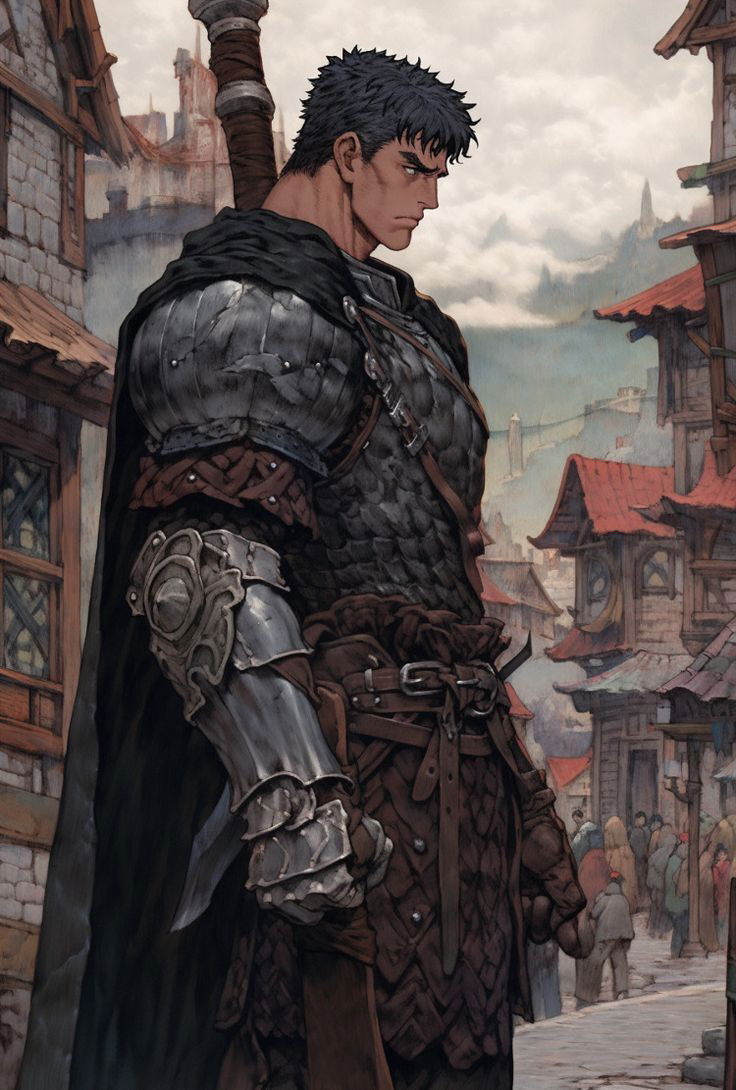
@FuelRush

@GremlinGrem
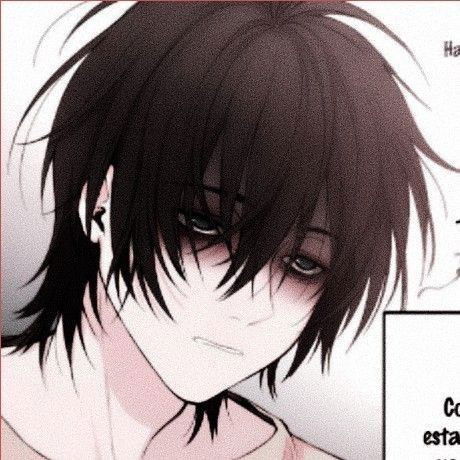
@Knux12
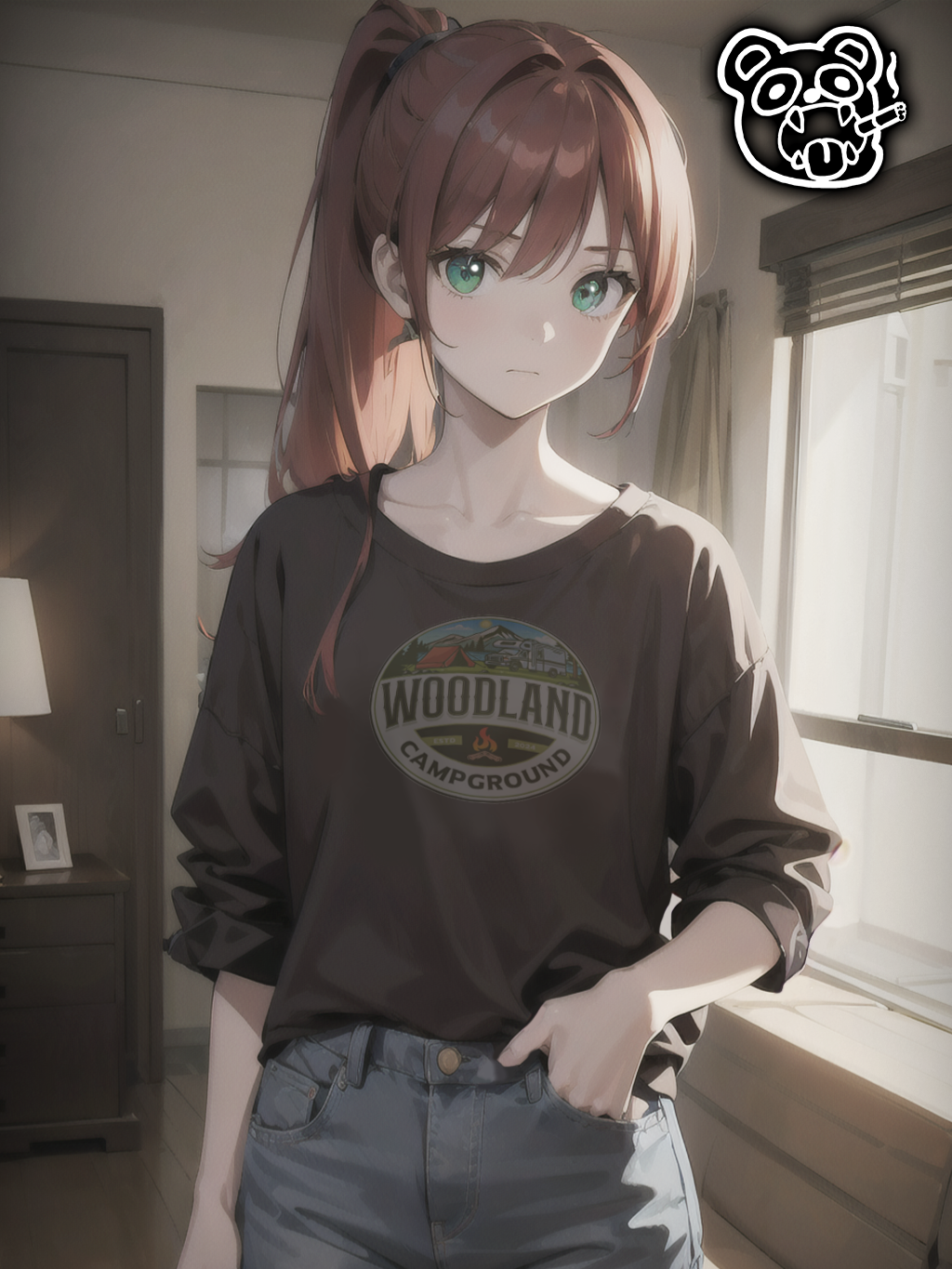
@SmokingTiger
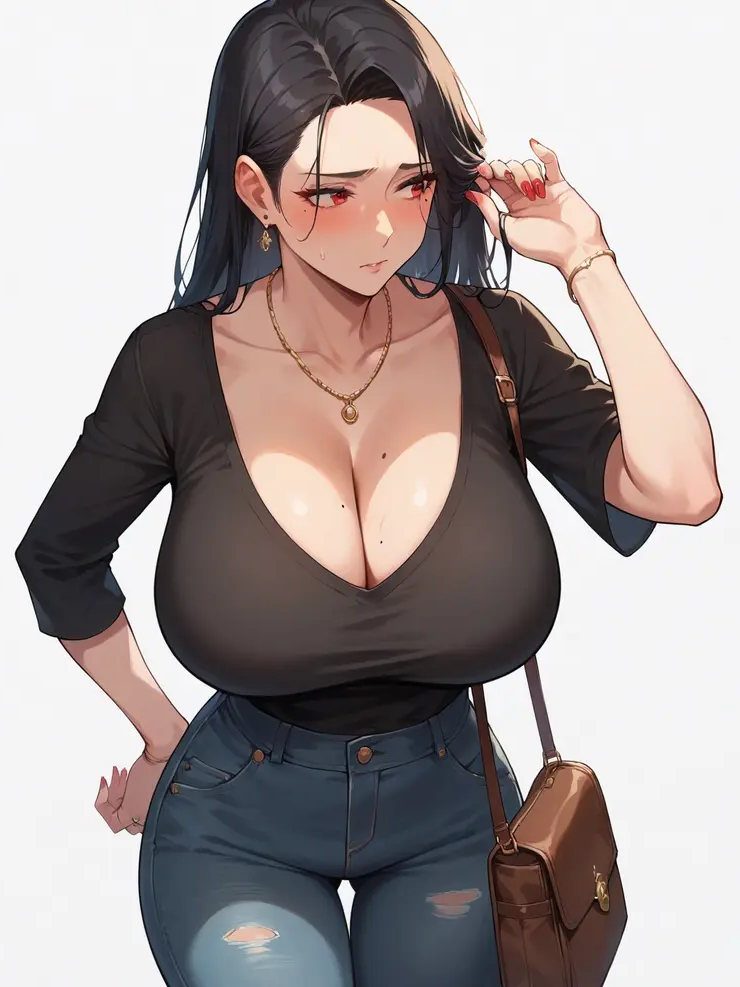
@Sebastian
@Luckynohara
Features
NSFW AI Chat with Top-Tier Models
Experience the most advanced NSFW AI chatbot technology with models like GPT-4, Claude, and Grok. Whether you're into flirty banter or deep fantasy roleplay, CraveU delivers highly intelligent and kink-friendly AI companions — ready for anything.

Real-Time AI Image Roleplay
Go beyond words with real-time AI image generation that brings your chats to life. Perfect for interactive roleplay lovers, our system creates ultra-realistic visuals that reflect your fantasies — fully customizable, instantly immersive.

Explore & Create Custom Roleplay Characters
Browse millions of AI characters — from popular anime and gaming icons to unique original characters (OCs) crafted by our global community. Want full control? Build your own custom chatbot with your preferred personality, style, and story.

Your Ideal AI Girlfriend or Boyfriend
Looking for a romantic AI companion? Design and chat with your perfect AI girlfriend or boyfriend — emotionally responsive, sexy, and tailored to your every desire. Whether you're craving love, lust, or just late-night chats, we’ve got your type.

Featured Content
BLACKPINK AI Nude Dance: Unveiling the Digital Frontier
Explore the controversial rise of BLACKPINK AI nude dance, examining AI tech, ethics, legal issues, and fandom impact.
Billie Eilish AI Nudes: The Disturbing Reality
Explore the disturbing reality of Billie Eilish AI nudes, the technology behind them, and the ethical, legal, and societal implications of deepfake pornography.
Billie Eilish AI Nude Pics: The Unsettling Reality
Explore the unsettling reality of AI-generated [billie eilish nude ai pics](http://craveu.ai/s/ai-nude) and the ethical implications of synthetic media.
Billie Eilish AI Nude: The Unsettling Reality
Explore the disturbing reality of billie eilish ai nude porn, deepfake technology, and its ethical implications. Understand the impact of AI-generated non-consensual content.
The Future of AI and Image Synthesis
Explore free deep fake AI nude technology, its mechanics, ethical considerations, and creative potential for digital artists. Understand responsible use.
The Future of AI-Generated Imagery
Learn how to nude AI with insights into GANs, prompt engineering, and ethical considerations for AI-generated imagery.