CraveU

Female Naoya: Redefining Jujutsu Kaisen's Dark Heir

Explore the fascinating concept of a female Naoya from Jujutsu Kaisen, redefining ambition, power, and tradition in the Zenin clan.
Start Now
craveu cover image

The Foundation: Understanding Naoya Zenin

To truly comprehend the potential of a female counterpart, we must first firmly grasp the original character: Naoya Zenin. As a prominent figure within the notorious Zenin clan, Naoya embodies much of what makes this powerful sorcerer family both formidable and deeply flawed. He is characterized by: * Unbridled Arrogance: Naoya believes himself superior to most, driven by his exceptional talent and his position as the heir apparent to the Zenin clan head. This arrogance isn't merely an affectation; it's a core component of his worldview, fueling his dismissive attitude towards anyone he deems lesser. * Deep-Seated Misogyny: Perhaps his most controversial trait, Naoya holds a profound disdain for women, viewing them as inherently weaker and subservient. This isn't just a personal prejudice but a reflection of the patriarchal structure of the Zenin clan itself, which he vehemently upholds. His interactions with Maki Zenin particularly highlight this ingrained bias. * Ruthless Ambition: He is fiercely determined to secure his position as the clan head, willing to eliminate any perceived threats or obstacles. His ambition is tied to a rigid adherence to tradition and a desire to maintain the Zenin clan's power, even at the cost of familial bonds. * Exceptional Talent: Despite his deplorable personality, Naoya is undeniably skilled, possessing the formidable Projection Sorcery technique and immense speed. His combat prowess is a key factor in his self-worth and his belief in his own superiority. * Product of His Environment: Naoya is, in many ways, a tragic figure – a product of the toxic, rigid environment of the Zenin clan, which rewards power, tradition, and a hierarchical mindset. His personality is a twisted reflection of the values instilled in him from birth. These traits form the bedrock. Now, let's turn the kaleidoscope and imagine how they might refract through the lens of a female Naoya.

The Genesis of "Female Naoya": Beyond a Simple Swap

The concept of gender-bending in fiction is far more than a superficial change of pronouns and appearance. It's a powerful tool for exploring character identity, societal expectations, and the inherent biases woven into narrative archetypes. When we consider a "female Naoya," we are not just picturing Naoya with a different haircut; we are asking: How would her core attributes — her arrogance, ambition, and traditionalism — manifest when filtered through a different gender experience within the same patriarchal world? The act of imagining a female version of a male character like Naoya forces us to confront uncomfortable questions about how we perceive power, aggression, and leadership when embodied by women. Would her ambition be seen as admirable or monstrous? Would her ruthless streak be perceived as strength or unladylike aggression? These are the fascinating dilemmas at the heart of this hypothetical transformation.

A Character Study: The Many Faces of a Female Naoya

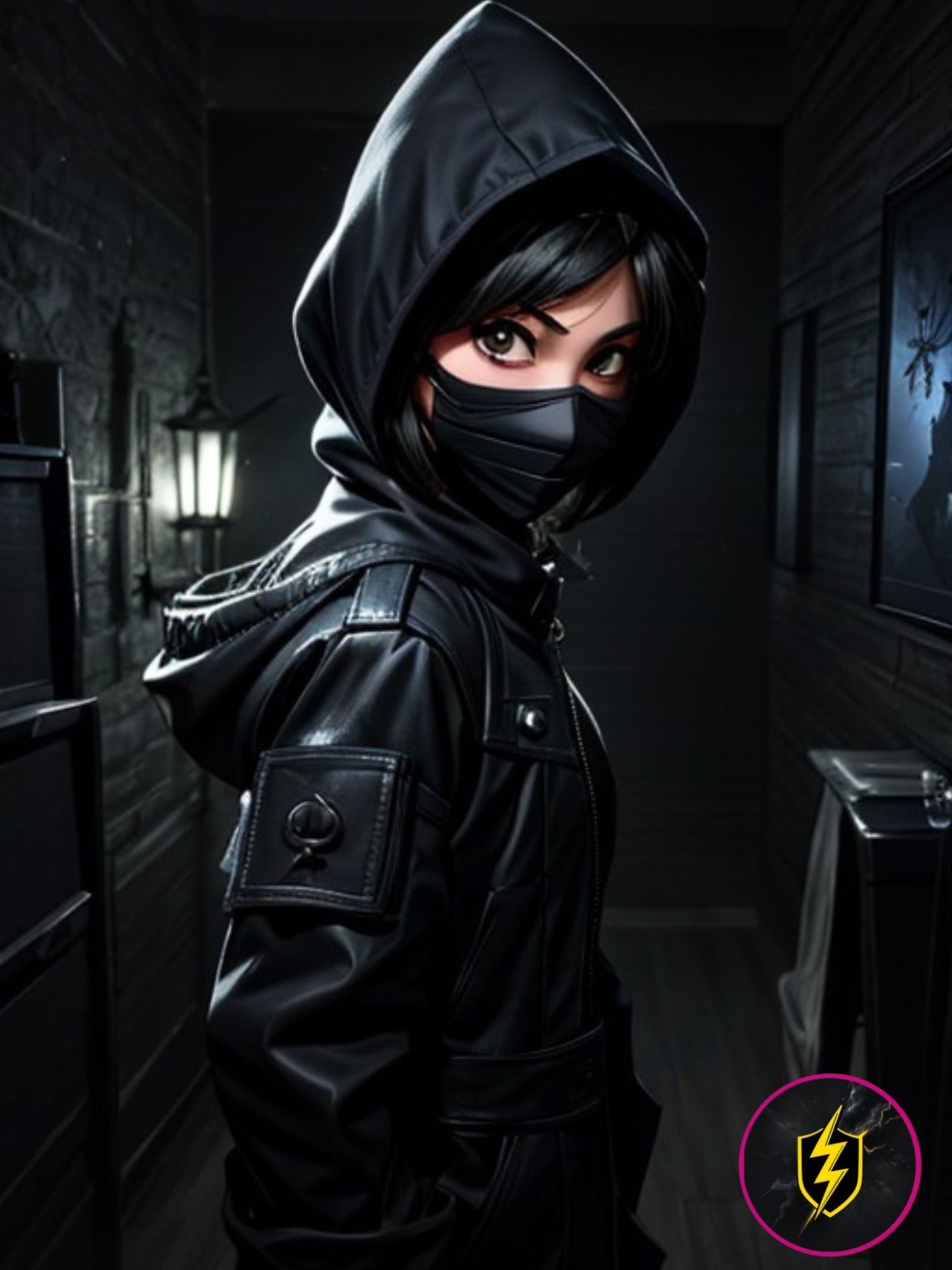
Let us envision the nuanced possibilities for a female Naoya, exploring her internal landscape and external presentation. If Naoya's arrogance stemmed from his male privilege and inherent belief in his superiority, how would a female Naoya's arrogance manifest? * Internalized Misogyny: She might embody the "pick-me" archetype, aligning herself with the patriarchal structures of the Zenin clan to gain power and acceptance. Her disdain for other women might be even more pronounced, viewing them as weak precisely because they conform to the gender roles she herself has learned to navigate and exploit. She might believe she is "not like other girls," seeking to prove her worth in a male-dominated arena by outdoing men at their own game, and thus becoming an enforcer of the very system that subjugates her gender. Her contempt for Maki, for instance, might not just be about Maki's lack of cursed energy, but also a deep-seated resentment of Maki's defiance of traditional expectations, seeing it as a threat to the established order she has leveraged for her own advancement. * Fierce Defiance: Alternatively, her arrogance could stem from a need to prove herself constantly in a world that inherently underestimates her. Her haughtiness might be a defense mechanism, a shield against constant scrutiny and doubt. She might be arrogant precisely because she had to fight tooth and nail for every scrap of recognition, making her dismissive of those who haven't faced similar struggles. This version of female Naoya might still be utterly ruthless, but her ambition would be born from a place of necessity, perhaps even a twisted sense of justice, rather than inherent privilege. * The Iron Mask: She could be the embodiment of a woman who has perfected the art of appearing traditionally feminine while harboring an iron will and ruthless ambition underneath. Her charm might be a calculated weapon, her smiles as sharp as her wit. This version plays the game, using societal expectations to her advantage, making her perhaps even more dangerous than the original Naoya because she is underestimated. Naoya's ambition was clear: become clan head. For a female Naoya, this ambition takes on added layers of complexity within the Zenin clan. * Challenging the Patriarchy from Within: Her goal to become clan head would be revolutionary. It wouldn't just be about personal power; it would be about shattering centuries of tradition. Her ruthlessness might be a grim necessity to achieve this, making her a "villain" to her male relatives but potentially a controversial symbol of female strength to others, even if her methods are morally gray. She might believe that only by seizing power herself can she truly protect the clan's legacy or shape it in her own image. * Succession Through Subversion: She might not directly challenge the male line but position herself as the undeniable power behind the throne, manipulating events and individuals to exert control. This could involve arranged marriages, strategic alliances, or leveraging her intelligence and talent to make herself indispensable, even if she's not the official leader. * Redefining "Strength": Her ambition might redefine what "strength" means within the clan. While the original Naoya valued brute force and inherited cursed energy, a female Naoya might emphasize cunning, psychological manipulation, and strategic brilliance as equally valid forms of power, especially if she's starting from a position of societal disadvantage. How would a female Naoya interact with the other characters, particularly Maki Zenin? * Maki Zenin: This dynamic would be profoundly altered. The original Naoya's disdain for Maki was rooted in her gender and her lack of cursed energy. A female Naoya might have a more complex relationship. * Bitter Rivalry: She might see Maki not just as an anomaly, but as a direct challenge to her own carefully constructed identity as a "strong woman" who succeeded within the system. Her cruelty towards Maki might stem from a deep-seated insecurity, a fear that Maki's path challenges her own choices or highlights the very injustices she has chosen to endure or exploit. * Twisted Mentorship/Admiration: In a truly intriguing twist, a female Naoya might harbor a begrudging respect, or even a perverse form of admiration, for Maki's defiance. She might see Maki as a reflection of the strength she herself possesses, even if their methods and philosophies are diametrically opposed. This could lead to a highly volatile, yet compelling, dynamic where mutual loathing is tinged with a dark understanding. * The "Chosen One" vs. "Outcast" Dynamic: While Naoya viewed Maki as an outcast who couldn't use cursed energy, a female Naoya might see Maki as an even greater threat: a woman who rejects the entire system and still manages to achieve immense power. This could make her rivalry with Maki even more personal and intense. * Other Male Zenin Members: Her interactions would be a constant dance of proving herself, asserting dominance, and navigating their ingrained sexism. She might face condescension, outright hostility, or be viewed as a novelty. Her responses could range from calculated charm to explosive fury, constantly fighting for respect. * The Wider Jujutsu World: How would characters like Yuji, Megumi, Gojo, or Nobara react to a powerful, ambitious, and morally ambiguous female sorcerer from the Zenin clan? Her presence could spark new alliances, new conflicts, and new philosophical debates about the nature of power and gender in the Jujutsu world. While her core Projection Sorcery would remain, its portrayal could shift. * Graceful Precision: Her immense speed and ability to pre-plan movements could be depicted with a terrifying grace, making her a ballet of destruction. Every strike, every dodge, would be executed with a chilling elegance that belies its lethality. * Calculated Brutality: While still brutal, her fighting style might emphasize more strategic dismantling of opponents, rather than raw, overwhelming force. She might use her intellect and the precise nature of her technique to exploit weaknesses, making her fights feel more like a deadly game of chess. * Visual Aesthetics: Her design could be sleek and refined, reflecting her calculated nature, perhaps incorporating elements of traditional Japanese attire with modern combat functionality. Her movements, rather than being purely aggressive, could be sharp, decisive, and efficient.

Narrative Implications: Shifting the Story's Axis

The introduction of a female Naoya isn't merely a character alteration; it's a potential earthquake for the narrative of Jujutsu Kaisen, particularly concerning the Zenin clan arc. The original Naoya served as a stark representation of the Zenin clan's deep-seated misogyny. A female version of him would force the narrative to directly confront this patriarchy in a new way. * Internal Conflict: Her very existence as an aspiring heir would expose the hypocrisy and fragility of the clan's traditional structures. Her struggle would highlight the absurdity of a system that rejects innate talent based on gender, even when that talent is clearly superior. * Catalyst for Change (or Further Entrenchment): Depending on her arc, she could either become a reluctant catalyst for change within the clan, or she could become an even more rigid enforcer of the system, proving herself "more Zenin" than the men by clinging to tradition even more fiercely. Her story could be a cautionary tale of how societal structures can warp even the most gifted individuals. * The Burden of Expectation: The immense pressure on her to "prove" herself constantly, to be "twice as good" to be considered "half as good" as a male heir, would add a layer of psychological depth to her ambition and ruthlessness. This burden could fuel her drive but also contribute to her cruelty. A female Naoya opens doors to powerful new themes: * Female Ambition in a Male-Dominated World: This would be a central theme. How does a woman gain and wield power when the very systems are designed to exclude her? Does she break them, or does she adapt and conquer within their confines? * Internalized Misogyny and the "Cool Girl" Trope: If she embraces the patriarchal mindset to succeed, her character could be a critical exploration of internalized misogyny – a woman who puts down other women to elevate herself in the eyes of men. This adds a layer of tragic irony to her character. * Breaking the Mold vs. Becoming the Mold: Her journey could be a profound exploration of whether it's possible to truly change a toxic system from within, or if becoming powerful within it inevitably forces one to adopt its worst traits. * The Nature of Strength and Gender: The narrative could delve into what constitutes true strength, moving beyond physical prowess to encompass mental fortitude, strategic brilliance, and the courage to defy expectations. * The Shibuya Incident and Culling Game: How would her presence have altered her role in these events? Would she have been a more formidable opponent? Would her tactical mind have presented new challenges for the protagonists? Her ruthlessness, combined with her intelligence, could make her an even more dangerous adversary. * Maki's Evolution: Maki's arc, particularly her rejection of the Zenin clan's values, would gain an even sharper contrast with a female Naoya. Their rivalry would become a symbolic battle between two different paths for powerful women within a restrictive system: one who chooses to destroy the system and one who seeks to conquer it. * Megumi's Inheritance: Megumi's position as the true heir to the Zenin clan would be complicated by a female Naoya's ambition. Their interactions could be more politically charged, with a constant power struggle brewing beneath the surface.

Psychological Depth: The Weight of Expectations

Delving deeper into the psyche of a female Naoya reveals a character potentially far more complex and burdened than her male counterpart. Naoya Zenin, as a male heir, had a clear path laid before him, even if he had to fight for it. For a female Naoya, the lineage is a constant source of pressure and paradox. She might be born with immense cursed energy and talent, but her gender would immediately place her at a disadvantage in the Zenin clan's eyes. * A Lifelong Struggle for Validation: Her entire life might be a relentless uphill battle to prove her worth, not just to herself but to every male figure in her family. This constant need for validation could breed a profound insecurity masked by arrogance, leading to a character who is outwardly formidable but internally vulnerable to the slightest perceived slight. * The "Chosen One" Burden: If she is exceptionally talented from birth, she might be an anomaly that the clan begrudgingly tolerates or tries to suppress. This could make her feel isolated and unique, further fueling her arrogance as she sees herself as superior even to the men who look down on her. * Inherited Trauma and Toxicity: She would inherit the clan's toxic legacy, but experience it from a different perspective. How would this impact her worldview? Would she internalize the misogyny and project it onto others, or would she become a revolutionary who, paradoxically, uses her inherited ruthlessness to dismantle the very system that created her? To survive and thrive in the Zenin clan, a female Naoya would likely develop multiple masks. * The "Proper Lady" Facade: She might master the art of appearing demure and agreeable in certain social settings, using traditional feminine charm as a strategic tool to gain influence or disarm opponents. This would be a stark contrast to her true, ruthless nature. * The Ruthless Warrior: In combat and when dealing with perceived inferiors, the mask would drop, revealing her true, brutal self. The juxtaposition between these two personas could be terrifyingly effective. * The Burden of Performance: Living behind these masks would be exhausting, contributing to her short temper and volatile personality. She would constantly be performing, rarely allowing anyone to see her true thoughts or vulnerabilities. The psychological depth of a female Naoya also allows for richer character arcs. * A Twisted Form of Loyalty: Her ambition might stem from a genuine, albeit twisted, loyalty to the Zenin clan's prosperity, seeing herself as the only one capable of truly leading it. This loyalty could be tested by external threats or internal corruption. * Potential for Growth: While the original Naoya showed little capacity for growth, a female Naoya's journey could explore themes of breaking free from inherited prejudice. Could a profound encounter or personal loss force her to confront her own biases or the toxicity of her environment? This doesn't mean she becomes "good," but perhaps she evolves beyond her initial narrow-mindedness, finding a more nuanced form of power. * Descent into Further Darkness: Conversely, the constant struggle against the clan's patriarchy and her own internal demons could push her further into darkness, making her even more tyrannical and cruel than her male counterpart, embodying the ultimate corruption that power can bring when wielded by someone constantly fighting for validation.

Fan Interpretations and the Power of "What If"

The concept of a "female Naoya" isn't just a theoretical exercise; it's a testament to the power of fan engagement and the universal appeal of "what if" scenarios. * Challenging Norms: Fans often create gender-bent versions of characters to challenge traditional gender roles and explore how different societal expectations might shape a character's journey. It's a way to deconstruct and reconstruct familiar archetypes. * Empathy and Relatability: For many, imagining a character like Naoya as female can make his struggles, even his unpleasant ones, more relatable, as it mirrors the experiences of women navigating patriarchal systems. * Creative Exploration: It provides a fertile ground for artists, writers, and cosplayers to explore new designs, storylines, and character dynamics that the original canon might not offer. It's a celebration of creative freedom and communal storytelling. * Unveiling Subtext: Gender-bending can highlight existing subtext within the original character or narrative. In Naoya's case, it would immediately throw his misogyny into stark relief, forcing a deeper examination of its roots and implications. Discussions around a "female Naoya" thrive in online communities, fan art platforms, and fanfiction archives. These spaces become laboratories for exploring character permutations, offering diverse perspectives that enrich the original work. * Collective Storytelling: Fans collaboratively build upon the concept, sharing ideas, drawing interpretations, and writing alternative narratives. This collective effort demonstrates the enduring appeal of engaging deeply with fictional worlds. * Critique and Commentary: These fan creations often serve as implicit critiques of the source material's handling of gender, power, or character development, offering alternative visions that resonate more deeply with specific audiences. * A Mirror to Society: The interpretations of a "female Naoya" often reflect contemporary discussions about feminism, gender equality, and the representation of women in power, making the character a surprisingly relevant lens through which to view real-world issues.

Broader Connections: From Literature to Modern Media

The exploration of a "female Naoya" isn't isolated; it connects to a rich tapestry of literary and sociological discussions. Naoya Zenin, in his original form, fits the "arrogant prodigy" or "ruthless heir" archetype. When gender-bent, she can either reinforce these archetypes or subvert them. * The "Iron Lady" Trope: She could embody the "Iron Lady" archetype – a powerful, decisive, and often feared female leader who has had to be twice as tough to earn her place. This trope is seen in figures from real-world politics to fictional characters like Cersei Lannister from Game of Thrones. * The "Dark Matriarch": If she becomes clan head, she could represent a "Dark Matriarch," ruling with an iron fist, potentially mirroring and even amplifying the oppressive traditions she inherited. * Subverting Expectations: Alternatively, her journey could be about subverting these very archetypes, finding a path to power that is uniquely feminine, perhaps through emotional intelligence, strategic networking, or a radical redefinition of leadership. The discourse around characters like a "female Naoya" reflects a broader societal shift in how women are portrayed in fiction. * Beyond "Strong Female Characters": There's a growing demand for female characters who are not just "strong" in a physical sense but also complex, morally ambiguous, and multifaceted. A female Naoya fits this perfectly, offering a character who is powerful, flawed, and utterly captivating in her darkness. * Challenging Tropes: Her existence challenges the ingrained assumption that aggression, ambition, and ruthless cunning are inherently masculine traits. It forces creators and audiences to consider how these qualities can manifest in women and what that means for storytelling. * The Nuance of Villains: The best villains are often those with understandable motivations, even if their methods are abhorrent. A female Naoya's struggles within a patriarchal system could add a layer of tragic nuance to her villainy, making her more compelling and even, at times, sympathetic.

The Lasting Echo: Why "Female Naoya" Matters

The hypothetical concept of a female Naoya is far more than a simple fan fantasy. It's a powerful thought experiment that serves multiple crucial purposes: * Deepening Character Understanding: By imagining Naoya in a different gender context, we gain a more profound understanding of his original character. His misogyny isn't just a character flaw; it becomes a consequence of his environment and his gendered privilege. His ambition is seen not just as personal drive, but as a reflection of societal expectations placed upon him as a male heir. The "female Naoya" lens strips away these layers of inherent privilege, forcing us to see the bare bones of his personality and motivations. * Illuminating Societal Biases: The very act of discussing how a female Naoya would be perceived—whether her ambition would be celebrated or condemned, whether her ruthlessness would be seen as strength or "unladylike"—shines a harsh light on real-world gender biases. It reveals how we often apply different standards to men and women in positions of power or authority. * Enriching Narrative Possibilities: For writers and storytellers, exploring such a concept unlocks a trove of new narrative avenues. It allows for fresh takes on familiar themes like power, family, tradition, and redemption. It offers opportunities to subvert tropes, create richer character dynamics, and spark more profound philosophical debates within a fictional world. * Empowering Fan Creativity: The widespread engagement with gender-bent characters underscores the vibrant, imaginative power of fan communities. It demonstrates that stories don't end with the last page or episode; they continue to evolve and expand in the collective consciousness of their audience, leading to innovative interpretations and a deeper connection to the material. * Reflecting Modern Discourse: Finally, the fascination with a character like female Naoya speaks to contemporary discussions about gender roles, equality, and the representation of women in positions of authority and power. It acknowledges that fiction often serves as a mirror, reflecting and influencing our understanding of the world around us. In conclusion, the journey into the hypothetical realm of a female Naoya is a truly enriching one. It transforms a character often dismissed as simply unpleasant into a complex figure whose reimagining offers profound insights into character development, societal expectations, and the boundless potential of storytelling. Whether she is a fierce revolutionary, a calculated manipulator, or a tragic product of her environment, a female Naoya stands as a testament to the enduring power of imagination and the ever-evolving conversation around gender in fiction. Her story, though only imagined, is one that challenges, provokes, and ultimately, compels us to look deeper. keywords: female naoya url: female-naoya

Features

NSFW AI Chat with Top-Tier Models

Experience the most advanced NSFW AI chatbot technology with models like GPT-4, Claude, and Grok. Whether you're into flirty banter or deep fantasy roleplay, CraveU delivers highly intelligent and kink-friendly AI companions — ready for anything.

NSFW AI Chat with Top-Tier Models feature illustration

Real-Time AI Image Roleplay

Go beyond words with real-time AI image generation that brings your chats to life. Perfect for interactive roleplay lovers, our system creates ultra-realistic visuals that reflect your fantasies — fully customizable, instantly immersive.

Real-Time AI Image Roleplay feature illustration

Explore & Create Custom Roleplay Characters

Browse millions of AI characters — from popular anime and gaming icons to unique original characters (OCs) crafted by our global community. Want full control? Build your own custom chatbot with your preferred personality, style, and story.

Explore & Create Custom Roleplay Characters feature illustration

Your Ideal AI Girlfriend or Boyfriend

Looking for a romantic AI companion? Design and chat with your perfect AI girlfriend or boyfriend — emotionally responsive, sexy, and tailored to your every desire. Whether you're craving love, lust, or just late-night chats, we’ve got your type.

Your Ideal AI Girlfriend or Boyfriend feature illustration

FAQs

What makes CraveU AI different from other AI chat platforms?

CraveU stands out by combining real-time AI image generation with immersive roleplay chats. While most platforms offer just text, we bring your fantasies to life with visual scenes that match your conversations. Plus, we support top-tier models like GPT-4, Claude, Grok, and more — giving you the most realistic, responsive AI experience available.

What is SceneSnap?

SceneSnap is CraveU’s exclusive feature that generates images in real time based on your chat. Whether you're deep into a romantic story or a spicy fantasy, SceneSnap creates high-resolution visuals that match the moment. It's like watching your imagination unfold — making every roleplay session more vivid, personal, and unforgettable.

Are my chats secure and private?

Are my chats secure and private?
CraveU AI
Experience immersive NSFW AI chat with Craveu AI. Engage in raw, uncensored conversations and deep roleplay with no filters, no limits. Your story, your rules.
© 2025 CraveU AI All Rights Reserved