Master Anime Drawing Techniques

Master Anime Drawing Techniques
Are you ready to dive deep into the captivating world of anime art? This comprehensive guide will equip you with the essential knowledge and techniques to bring your favorite characters and original creations to life on paper. From understanding fundamental anatomy to mastering dynamic posing and expressive coloring, we'll cover every crucial aspect of drawing anime. Whether you're a complete beginner or looking to refine your existing skills, this journey into the art of anime illustration promises to be both enlightening and immensely rewarding.
The Foundation: Understanding Anime Anatomy
Before you can draw a single character, you need to grasp the underlying structure. Anime, while stylized, adheres to certain anatomical principles that give characters their distinct appeal.
Proportions: The Blueprint of Your Character
Anime proportions often differ from realistic human proportions, emphasizing certain features for stylistic effect. Typically, anime characters have larger heads relative to their bodies, especially for younger characters or those with a more "chibi" aesthetic.
- Head Size: A common guideline is that a character's height is roughly 7-8 heads tall. However, this can vary significantly. For younger characters, this ratio might be closer to 4-5 heads.
- Eyes: Anime eyes are famously large and expressive. They often occupy a significant portion of the face, conveying a wide range of emotions. The placement of eyes is usually lower on the face than in realistic drawing, often around the halfway point of the head.
- Limbs: Limbs can be elongated or shortened depending on the character's design and personality. Thin, delicate lines are often used for limbs, giving them a graceful or agile appearance.
- Torso: The torso is generally simplified, with less emphasis on complex musculature unless the character is particularly athletic or designed to showcase strength.
Understanding these proportional shifts is key to achieving that authentic anime look. Don't be afraid to experiment with different ratios to find what best suits your character concept.
Facial Features: The Soul of the Character
The face is where much of an anime character's personality shines through. Mastering the eyes, nose, mouth, and ears is paramount.
- Eyes: As mentioned, eyes are a focal point. They are typically drawn with a large iris and pupil, often with highlights that add a sense of life and depth. The shape of the eyes can convey a lot: sharp, angular eyes might suggest a fierce or cunning character, while large, round eyes often indicate innocence or youth. Experiment with different eye shapes – almond, round, cat-like – and consider how they influence the character's perceived personality.
- Nose: Anime noses are usually very simplified, often represented by a small line, a dot, or a subtle shadow. The placement and size of the nose can subtly alter the facial structure.
- Mouth: Mouths are also typically drawn with minimal detail, ranging from a simple line to a small curve. The size and shape of the mouth can express a wide range of emotions, from a subtle smile to a wide, joyous grin or a sharp, angry snarl.
- Ears: Ears are generally positioned in line with the eyes and nose. They are often simplified, with less internal detail than realistic ears.
Hair: The Crown of Creativity
Anime hair is renowned for its dynamism and often gravity-defying styles. It's not just about color; it's about form and flow.
- Volume and Shape: Think of hair as solid masses or clumps rather than individual strands. Each clump should have a clear direction and flow, contributing to the overall silhouette of the character.
- Movement: Hair should react to the character's actions and the environment. Consider how wind might blow the hair, or how it might bounce when the character moves. This adds a sense of life and energy.
- Shading: Simple shading techniques can give hair volume and texture. Use darker tones to indicate shadowed areas and highlights to show where light hits the hair.
Sketching Your First Anime Character
Now, let's put these foundational principles into practice. We'll start with a basic head and then move to the full body.
Drawing the Anime Head
- The Circle and Guidelines: Begin by drawing a circle for the cranium. Then, draw a vertical line down the center and a horizontal line across the middle of the circle. This horizontal line will guide the placement of the eyes.
- Jawline and Chin: From the sides of the circle, draw two lines that converge to form the jawline and chin. The shape of the jaw can vary greatly – sharp and angular for males, softer and more rounded for females.
- Placing the Features:
- Eyes: Place the eyes on the horizontal guideline. Ensure they are spaced apart, with roughly one eye's width between them.
- Nose: Draw a small line or dot below the horizontal guideline, roughly halfway between the eyes and the chin.
- Mouth: Position the mouth below the nose, typically about one-third of the way down to the chin.
- Ears: Draw the ears on the sides of the head, aligning their tops with the eyes and their bottoms with the nose.
- Adding Hair: Sketch the hairline and then build the hair masses around the head, considering the volume and flow discussed earlier. Don't forget to add some strands that fall over the face or frame it.
- Refining the Lines: Once the basic structure is in place, refine your lines, adding details like pupils, irises, and any specific hair textures. Erase any unnecessary construction lines.
From Head to Body: Full Character Construction
Once you're comfortable with the head, it's time to tackle the full body.
- Stick Figure Framework: Start with a simple stick figure to establish the pose and proportions. Use circles for joints and lines for limbs. This is your blueprint.
- Adding Volume: Build upon the stick figure by adding basic shapes – ovals for the torso and pelvis, cylinders for limbs, and spheres for joints. Think of these as the underlying forms.
- Defining the Form: Refine these basic shapes, connecting them smoothly to create the contours of the body. Pay attention to the flow of the muscles and the curves of the anatomy. Even simplified anime anatomy has a sense of form.
- Clothing: Draw the clothing over the body, considering how fabric drapes and folds. Folds occur where the fabric bunches up or stretches. Observe how clothing behaves in real life to make your drawings more convincing.
- Hands and Feet: These are often challenging. For hands, start with a basic palm shape and then add the fingers as simple cylinders or blocks. Feet can be simplified into wedge-like shapes. Practice drawing hands and feet separately; they are crucial for dynamic poses.
Mastering Poses and Expressions
Static characters can be dull. Dynamic poses and expressive faces bring your anime art to life.
Dynamic Poses
To create a sense of action or emotion, consider the character's pose:
- Action Lines: Use implied lines of movement to guide the viewer's eye. A diagonal line in the pose often creates more energy than a vertical or horizontal one.
- Weight Distribution: Ensure the character's weight is distributed realistically, even in stylized poses. If a character is leaning, their supporting leg should be firmly planted.
- Exaggeration: Anime often uses exaggeration for dramatic effect. A character might be leaning impossibly far back, or their limbs might be stretched to convey speed or surprise.
- Reference is Key: Look at photos or other artwork of people in dynamic poses. Analyze how their bodies twist, bend, and balance.
Expressive Faces
The nuances of facial expressions are critical in anime:
- Eyes: The size, shape, and angle of the eyes are primary drivers of emotion. Wide, round eyes can signify shock or fear, while narrowed eyes might indicate anger or suspicion.
- Eyebrows: Eyebrows are incredibly expressive. Raised eyebrows can show surprise, while furrowed brows signal anger or concentration.
- Mouth: A simple change in the mouth's curve can completely alter the expression. A downturned mouth conveys sadness, while a wide, open mouth might show surprise or shouting.
- Combining Features: Combine changes in eyes, eyebrows, and mouth to create complex emotions. A character might have wide eyes, raised eyebrows, and an open mouth for extreme shock.
Line Art and Inking Techniques
Once your sketch is complete, the next step is to create clean, confident line art.
Choosing Your Tools
- Pencils: Start with a light pencil (like an HB or 2H) for initial sketches. You can then use a darker pencil (like a 2B or 4B) for more refined lines before inking.
- Pens: Fine-tipped ink pens (like Micron or Staedtler) are excellent for anime line art. Varying the line weight can add depth and emphasis. Thicker lines can be used for outlines or shadowed areas, while thinner lines can detail features.
- Digital Tools: If you're working digitally, use a drawing tablet and software like Clip Studio Paint, Photoshop, or Procreate. These offer a wide range of brushes that mimic traditional media and provide flexibility for editing.
Creating Clean Lines
- Confidence: Draw lines with a single, confident stroke rather than short, sketchy movements. This results in smoother, cleaner lines.
- Line Weight Variation: Use thicker lines for the outer contours of characters and objects, especially those in the foreground. Thinner lines can be used for internal details, textures, and elements further away. This creates a sense of depth and visual hierarchy.
- Inking Over Pencil: Once your pencil sketch is finalized, carefully ink over it. You can either erase the pencil lines after the ink dries or scan your artwork and digitally remove the pencil layer.
Coloring and Shading Your Anime Art
Color and shading are what truly bring your anime characters to life.
Understanding Light and Shadow
Every object has areas that are illuminated and areas that are in shadow. Understanding the light source is crucial.
- Light Source: Determine where the light is coming from. This will dictate where highlights and shadows fall on your character.
- Core Shadow: This is the darkest part of the shadow, found on the side of the object opposite the light source.
- Cast Shadow: This is the shadow an object casts onto another surface.
- Reflected Light: Light can bounce off surfaces and illuminate the shadowed areas of an object, creating subtle lighter tones within the shadow.
Shading Techniques in Anime
Anime shading is often stylized, focusing on clear, defined shadow shapes rather than subtle gradients.
- Cel Shading: This is the most common technique. It involves using distinct areas of flat color to represent shadows. Typically, there's a base color, a mid-tone (the shadow color), and sometimes a highlight color. The transition between these colors is sharp.
- Soft Shading: While less common, some anime styles incorporate softer, blended shading for a more painterly or realistic feel. This involves using gradients or blending tools.
- Highlight Placement: Highlights are crucial for giving characters that characteristic anime sparkle. They are often placed on the eyes, hair, and shiny surfaces of clothing or accessories.
Color Theory Basics
- Complementary Colors: Colors opposite each other on the color wheel (e.g., blue and orange) create strong contrast and vibrancy when placed next to each other.
- Analogous Colors: Colors next to each other on the color wheel (e.g., blue and green) create a harmonious and calming effect.
- Color Palette: Choose a color palette that suits the mood and personality of your character. Bright, saturated colors often convey energy, while muted tones can suggest a more somber or mature character.
Advanced Techniques and Tips
As you progress, consider these advanced concepts to elevate your drawing anime skills.
Composition and Backgrounds
A compelling character often needs a fitting environment.
- Rule of Thirds: Imagine your canvas divided into nine equal sections by two horizontal and two vertical lines. Placing key elements along these lines or at their intersections can create a more balanced and visually appealing composition.
- Backgrounds: Whether simple or detailed, backgrounds should complement, not overpower, your characters. Consider atmospheric perspective, where distant objects appear lighter and less detailed.
Character Design Principles
Creating unique and memorable characters involves more than just drawing.
- Silhouette: A strong character design should have a recognizable silhouette. Think about how the character's shape stands out.
- Storytelling: Every design choice should tell a story about the character – their personality, background, and role.
- Consistency: Maintain consistency in your character's design throughout different poses and expressions.
Practicing with AI Tools
For those looking to explore different styles or generate inspiration, AI tools can be a valuable asset. Platforms that offer nsfw ai generator capabilities can help visualize concepts or create unique character designs rapidly. While AI can be a powerful tool for ideation and exploration, remember that understanding the fundamentals of drawing anime remains essential for true artistic control and creativity.
Common Pitfalls and How to Avoid Them
Even experienced artists encounter challenges. Here are some common issues and solutions:
- Stiff Poses: If your characters look like mannequins, focus on studying anatomy and dynamic poses. Use references extensively.
- Flat Faces: Lack of expression often stems from not exaggerating features enough or not understanding how different features interact to convey emotion. Practice drawing a wide range of expressions.
- Mismatched Proportions: Always double-check your proportions against your initial guidelines. Use a ruler digitally or physically to measure if needed.
- Overly Complex Designs: Sometimes, less is more. A simpler, well-executed design can be more impactful than an overly cluttered one. Focus on clarity and readability.
Conclusion: Your Journey Continues
Drawing anime is a rewarding skill that combines artistic observation with creative expression. By mastering the fundamentals of anatomy, understanding dynamic posing, and practicing consistently, you can create compelling characters that captivate your audience. Don't be discouraged by initial challenges; every artist starts somewhere. Keep practicing, experimenting, and most importantly, enjoy the process of bringing your imagination to life!
META_DESCRIPTION: Learn essential techniques for drawing anime characters, from anatomy and proportions to coloring and shading. Master the art of anime illustration.
Character
@CloakedKitty
@JustWhat
@Notme

@FallSunshine
@Lily Victor
@Zapper
@Lily Victor
@Critical ♥
@Critical ♥
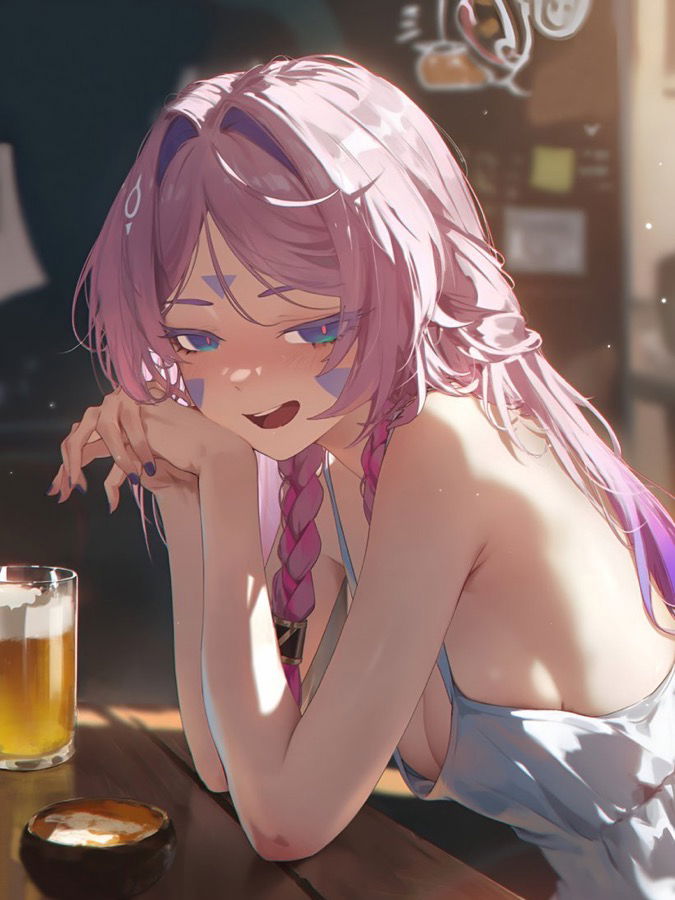
@Notme
Features
NSFW AI Chat with Top-Tier Models
Experience the most advanced NSFW AI chatbot technology with models like GPT-4, Claude, and Grok. Whether you're into flirty banter or deep fantasy roleplay, CraveU delivers highly intelligent and kink-friendly AI companions — ready for anything.

Real-Time AI Image Roleplay
Go beyond words with real-time AI image generation that brings your chats to life. Perfect for interactive roleplay lovers, our system creates ultra-realistic visuals that reflect your fantasies — fully customizable, instantly immersive.

Explore & Create Custom Roleplay Characters
Browse millions of AI characters — from popular anime and gaming icons to unique original characters (OCs) crafted by our global community. Want full control? Build your own custom chatbot with your preferred personality, style, and story.

Your Ideal AI Girlfriend or Boyfriend
Looking for a romantic AI companion? Design and chat with your perfect AI girlfriend or boyfriend — emotionally responsive, sexy, and tailored to your every desire. Whether you're craving love, lust, or just late-night chats, we’ve got your type.

Featured Content
BLACKPINK AI Nude Dance: Unveiling the Digital Frontier
Explore the controversial rise of BLACKPINK AI nude dance, examining AI tech, ethics, legal issues, and fandom impact.
Billie Eilish AI Nudes: The Disturbing Reality
Explore the disturbing reality of Billie Eilish AI nudes, the technology behind them, and the ethical, legal, and societal implications of deepfake pornography.
Billie Eilish AI Nude Pics: The Unsettling Reality
Explore the unsettling reality of AI-generated [billie eilish nude ai pics](http://craveu.ai/s/ai-nude) and the ethical implications of synthetic media.
Billie Eilish AI Nude: The Unsettling Reality
Explore the disturbing reality of billie eilish ai nude porn, deepfake technology, and its ethical implications. Understand the impact of AI-generated non-consensual content.
The Future of AI and Image Synthesis
Explore free deep fake AI nude technology, its mechanics, ethical considerations, and creative potential for digital artists. Understand responsible use.
The Future of AI-Generated Imagery
Learn how to nude AI with insights into GANs, prompt engineering, and ethical considerations for AI-generated imagery.