Conclusion: A Symphony of Visual Cues

Male vs. Female Anime: Unpacking the Visual Differences
The world of anime is a vibrant tapestry of storytelling, and at its heart lie its characters. For decades, fans have been captivated by the distinct visual styles that differentiate male and female anime characters. While artistic interpretation plays a significant role, there are several recurring patterns and conventions that artists employ to convey gender. Understanding these nuances can deepen your appreciation for the craft and the subtle ways creators communicate identity within the narrative. Let's dive into the fascinating differences between male and female anime characters and explore the artistic choices that define them.
Facial Features: The Foundation of Distinction
The face is often the most immediate indicator of gender in anime. Artists meticulously craft facial structures to convey masculinity or femininity, employing a range of techniques.
Eyes: Windows to the Soul, and Gender
Anime eyes are legendary for their expressiveness, and they are also key differentiators.
-
Female Characters: Typically, female characters are drawn with larger, rounder eyes. The irises are often more prominent, and the pupils can be larger, giving them a softer, more innocent, or even doll-like appearance. Eyelashes are frequently emphasized, with longer, thicker lashes, sometimes even exaggerated to frame the eyes dramatically. The eyebrows tend to be thinner and more arched, contributing to a more delicate facial expression. The overall effect is one of youthfulness, approachability, and often, vulnerability. Think of the wide, sparkling eyes of a magical girl or the gentle gaze of a romantic lead.
-
Male Characters: In contrast, male characters generally possess smaller, narrower, or more angular eyes. The irises and pupils might be less emphasized, giving a more focused or intense look. While they can be expressive, their eyes often convey a sense of determination, stoicism, or even aggression. Eyebrows are usually thicker, straighter, or more sharply angled, reinforcing a more rugged or mature appearance. The shape can be more almond-like or even slit-like, adding to a sense of sharpness or danger. Consider the piercing stare of a seasoned warrior or the stern look of a disciplined samurai.
Jawlines and Facial Structure
The underlying bone structure also plays a crucial role in gendered character design.
-
Female Characters: Female characters often have softer, more rounded facial structures. Their jawlines are typically less pronounced, with a more delicate chin. Cheekbones might be subtly highlighted, but the overall impression is one of smoothness and gentleness. The forehead can be broader relative to the lower face.
-
Male Characters: Male characters, on the other hand, tend to feature sharper, more angular facial structures. Prominent jawlines, squared chins, and more defined cheekbones are common. This creates a more chiseled, masculine appearance, often associated with strength and resilience. The brow ridge might also be more pronounced, contributing to a more rugged look.
Noses and Mouths
While less pronounced than eyes or jawlines, these features also contribute to the overall gendered impression.
-
Female Characters: Noses are often drawn as smaller and more delicate, sometimes with a slight upturn. Mouths are frequently depicted as smaller and more refined, with thinner lips, especially the upper lip. A subtle smile or a pout can be characteristic.
-
Male Characters: Noses can be more prominent, straighter, or even slightly aquiline. Mouths are often drawn larger, with fuller lips, capable of conveying a wider range of expressions from a confident smirk to a grimace.
Body Proportions and Physique
Beyond the face, the overall body shape and proportions are critical in distinguishing male and female anime characters.
Torso and Shoulders
The upper body is a significant area for gendered design.
-
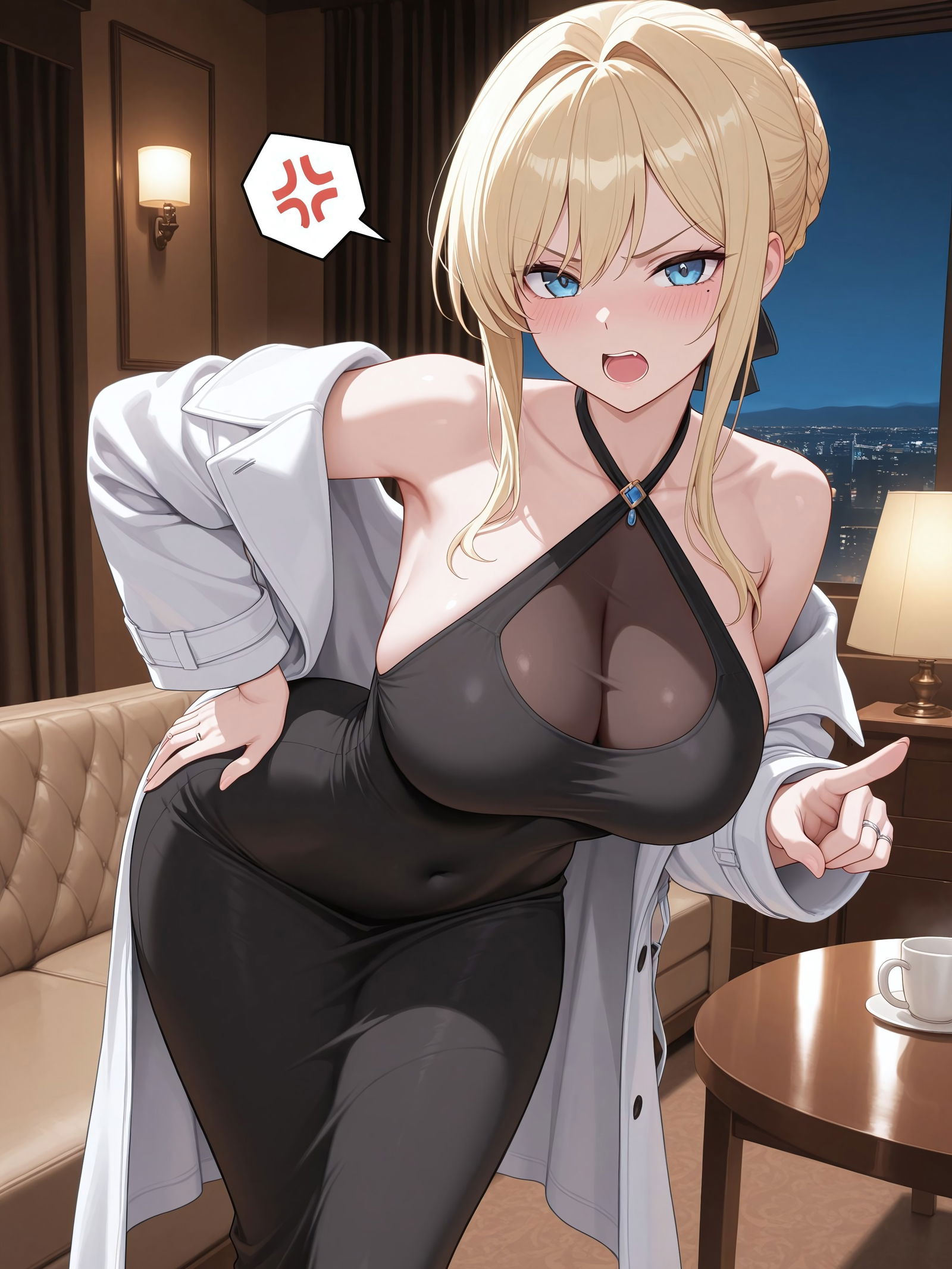
Female Characters: Female characters typically have narrower shoulders and a more slender torso. The waist is often cinched, creating an hourglass figure, even in more stylized designs. The chest area is, of course, a primary indicator, with breasts being a defining characteristic. The overall silhouette emphasizes a more delicate and curved form.
-
Male Characters: Male characters usually possess broader shoulders and a more muscular or rectangular torso. The waist is less defined, leading to a more V-shaped or straight upper body silhouette. Musculature, particularly in the arms, chest, and abdomen, is often emphasized to convey strength and power.
Limbs and Stature
The length and build of limbs, as well as overall height, also contribute.
-
Female Characters: While not universal, female characters are often depicted as slightly shorter than their male counterparts, though this varies greatly by genre and character archetype. Their limbs might be drawn as more slender and graceful.
-
Male Characters: Male characters are frequently portrayed as taller and more imposing. Their limbs can appear longer and more robust, reflecting a sense of physical presence and dominance.
Hair and Hairstyles
Hair is an incredibly versatile tool for character design in anime, and gender presentation is no exception.
Length and Style
-
Female Characters: Long, flowing hair is a common trope for female characters, often symbolizing femininity, beauty, or even a connection to nature or magic. However, short, practical hairstyles are also prevalent, especially for athletic or tomboyish characters. Elaborate updos, braids, and intricate styles are frequently used to denote elegance or status. The texture can be softer and more voluminous.
-
Male Characters: While long hair is certainly seen on male characters, it often carries different connotations – perhaps a rebellious spirit, a mystical aura, or a connection to historical warrior archetypes. Shorter, more practical, or spiky hairstyles are very common, conveying a sense of energy, toughness, or modernity. Messy or unkempt hair can suggest a rugged or carefree personality.
Hair Color and Accents
While hair color is largely a stylistic choice, certain trends emerge. Pastel colors, vibrant pinks, blues, and greens are more frequently associated with female characters, often adding to a sense of fantasy or unique personality. While male characters can also have vibrant hair colors, more natural tones like black, brown, and blonde are often the default, though striking reds or silvers are also common for powerful or distinctive male characters.
Clothing and Accessories
The way characters dress is a direct and powerful communicator of gender, personality, and social context.
Common Gendered Attire
-
Female Characters: Skirts, dresses, frilly blouses, and form-fitting outfits are frequently seen. Accessories like ribbons, bows, jewelry, and delicate bags are common. Even in more casual or masculine-coded outfits, there might be subtle feminine touches like color choices or a slightly more fitted cut.
-
Male Characters: Trousers, suits, uniforms, and more utilitarian clothing are standard. Accessories might include ties, watches, belts, or more rugged items like scarves or capes. Even when wearing more flamboyant attire, the underlying structure and cut often lean towards masculine presentation.
Uniforms and School Attire
School uniforms are a particularly interesting case study. While both genders wear uniforms, the specific design often highlights the differences between male and female anime characters. Female uniforms frequently include skirts, blouses, and sometimes ties or ribbons, while male uniforms typically consist of trousers, dress shirts, and ties or blazers.
Personality and Archetypes
While not strictly visual, personality traits are often visually reinforced through design choices, further solidifying gendered perceptions.
-
Female Characters: Often portrayed as nurturing, emotional, graceful, or demure. Their designs might emphasize these traits through softer lines, brighter colors, and more delicate features. However, anime also excels at subverting these expectations with strong, assertive, or even aggressive female characters whose designs reflect their personalities.
-
Male Characters: Frequently depicted as strong, stoic, protective, or aggressive. Their designs often incorporate sharper angles, darker colors, and more imposing physiques to match these archetypes. Again, the medium allows for numerous variations, including sensitive, artistic, or comedic male characters whose designs might play against traditional masculinity.
Subverting Expectations: The Nuances and Exceptions
It's crucial to remember that these are general trends, not rigid rules. Anime is a medium that thrives on creativity and pushing boundaries.
Androgyny and Gender Fluidity
Many anime artists deliberately play with gender presentation, creating androgynous characters whose features blend traditionally masculine and feminine traits. This can be a deliberate artistic choice to explore themes of identity, create unique character designs, or appeal to a broader audience. Characters like Haruka Tenoh from Sailor Moon or some characters from Revolutionary Girl Utena are prime examples of characters who challenge conventional gender norms through their appearance and presentation.
Genre Influence
The genre of the anime significantly impacts character design.
-
Shonen: Often features male protagonists with strong, athletic builds and sharp features, while female characters might range from delicate damsels to capable fighters with more practical designs.
-
Shojo: Typically emphasizes softer, more romantic aesthetics for both male and female characters, though the gendered distinctions in facial features and body types remain apparent.
-
Seinen/Josei: These genres often feature more realistic or mature character designs, which can lead to more subtle or nuanced gender presentations compared to shonen or shojo.
Artistic Style
Ultimately, the individual artist's style is paramount. Some artists prefer highly stylized, exaggerated designs, while others lean towards more realistic proportions. This stylistic variation can influence how pronounced the visual differences between male and female anime characters are.
The Cultural Context
Understanding these visual cues also involves recognizing their cultural roots. Anime emerged from a Japanese cultural context where certain aesthetic preferences and gender role perceptions have historically existed. While anime has become a global phenomenon, these foundational design principles often remain.
Conclusion: A Symphony of Visual Cues
The visual distinctions between male and female anime characters are a complex interplay of artistic conventions, cultural influences, and individual creative choices. From the shape of the eyes and jawline to the breadth of the shoulders and the choice of attire, every element contributes to the character's perceived gender identity. These visual cues are not merely superficial; they are integral to character development, storytelling, and the overall aesthetic appeal of the anime medium. By recognizing and appreciating these subtle yet significant differences, fans can gain a deeper understanding of the artistry involved in bringing these beloved characters to life. The next time you watch your favorite anime, take a moment to observe these details – you might be surprised at how much they reveal about the characters and the world they inhabit. The artistry in conveying gender through visual design is a testament to the depth and creativity inherent in anime.
Character
@FallSunshine
@Notme

@CatBananaHat
@JustWhat
@CoffeeCruncher

@SmokingTiger
@Luckynohara

@Shakespeppa
@Sebastian

@Shakespeppa
Features
NSFW AI Chat with Top-Tier Models
Experience the most advanced NSFW AI chatbot technology with models like GPT-4, Claude, and Grok. Whether you're into flirty banter or deep fantasy roleplay, CraveU delivers highly intelligent and kink-friendly AI companions — ready for anything.

Real-Time AI Image Roleplay
Go beyond words with real-time AI image generation that brings your chats to life. Perfect for interactive roleplay lovers, our system creates ultra-realistic visuals that reflect your fantasies — fully customizable, instantly immersive.

Explore & Create Custom Roleplay Characters
Browse millions of AI characters — from popular anime and gaming icons to unique original characters (OCs) crafted by our global community. Want full control? Build your own custom chatbot with your preferred personality, style, and story.

Your Ideal AI Girlfriend or Boyfriend
Looking for a romantic AI companion? Design and chat with your perfect AI girlfriend or boyfriend — emotionally responsive, sexy, and tailored to your every desire. Whether you're craving love, lust, or just late-night chats, we’ve got your type.

Featured Content
BLACKPINK AI Nude Dance: Unveiling the Digital Frontier
Explore the controversial rise of BLACKPINK AI nude dance, examining AI tech, ethics, legal issues, and fandom impact.
Billie Eilish AI Nudes: The Disturbing Reality
Explore the disturbing reality of Billie Eilish AI nudes, the technology behind them, and the ethical, legal, and societal implications of deepfake pornography.
Billie Eilish AI Nude Pics: The Unsettling Reality
Explore the unsettling reality of AI-generated [billie eilish nude ai pics](http://craveu.ai/s/ai-nude) and the ethical implications of synthetic media.
Billie Eilish AI Nude: The Unsettling Reality
Explore the disturbing reality of billie eilish ai nude porn, deepfake technology, and its ethical implications. Understand the impact of AI-generated non-consensual content.
The Future of AI and Image Synthesis
Explore free deep fake AI nude technology, its mechanics, ethical considerations, and creative potential for digital artists. Understand responsible use.
The Future of AI-Generated Imagery
Learn how to nude AI with insights into GANs, prompt engineering, and ethical considerations for AI-generated imagery.