Conclusion: Bringing Your Vision to Life

Crafting Your Perfect Male Anime Character
The allure of anime is undeniable, and at its heart lies the creation of compelling characters. Whether you're a seasoned artist or a curious beginner, the process of bringing a male anime character to life can be incredibly rewarding. This guide delves deep into the essential elements, from foundational design principles to the nuanced details that make a character truly unforgettable. We'll explore how to move beyond generic archetypes and imbue your creations with personality, depth, and visual appeal.
The Blueprint: Understanding Anime Character Design Fundamentals
Before you even pick up a stylus, understanding the core principles of anime character design is crucial. Anime, while diverse, often adheres to certain stylistic conventions that contribute to its unique aesthetic.
Anatomy and Proportions
Anime anatomy, while stylized, still relies on an understanding of human proportions. Male characters typically exhibit broader shoulders, a more defined V-taper in the torso, and a generally more muscular build than their female counterparts, though this can vary wildly depending on the genre and character archetype.
- Head: The head is often slightly larger in proportion to the body, especially in chibi or more stylized designs. Eyes are a focal point, typically large and expressive, conveying a wide range of emotions. The shape and placement of the eyes, along with the nose and mouth, define the character's facial structure.
- Torso: A well-defined chest and abdomen, often with visible pectoral muscles and abs, are common for athletic or mature male characters. The waist is usually narrower than the shoulders, creating that characteristic V-shape.
- Limbs: Arms and legs are generally elongated. The musculature is often simplified, relying on clean lines and shading rather than hyper-realistic detail. Hands and feet can be stylized, sometimes appearing smaller or more angular.
Silhouette and Form
The silhouette is the first impression a character makes. A strong, recognizable silhouette ensures your character stands out, even in a crowded scene. Think about the overall shape: is it sharp and angular, or soft and rounded? Does it convey power, agility, or perhaps a more gentle nature?
Consider how the character's clothing and accessories contribute to their silhouette. A flowing cape, spiky hair, or bulky armor can dramatically alter the character's outline and add visual interest.
Expressiveness: The Eyes Have It
In anime, eyes are paramount for conveying emotion and personality. They are often the largest feature on the face and are meticulously designed to communicate everything from joy and anger to sorrow and determination.
- Shape: The shape of the eyes – almond, round, sharp, or drooping – can instantly suggest personality traits.
- Color: Eye color can be symbolic or simply a stylistic choice, but it plays a significant role in a character's overall appeal.
- Highlights: The placement and shape of highlights within the eyes create a sense of life and sparkle.
Building Your Character: From Concept to Creation
Now that we've covered the fundamentals, let's dive into the practical steps of creating your male anime character.
Defining the Core Concept
Before sketching, ask yourself:
- Who is this character? What is their personality? Are they a stoic warrior, a mischievous rogue, a brilliant scientist, or a gentle artist?
- What is their role in the story? Are they the protagonist, a supporting character, or an antagonist?
- What is their background? Where do they come from? What are their motivations and goals?
- What is their aesthetic? What kind of clothing do they wear? What is their hairstyle? What are their defining physical features?
For instance, if you want to create a male anime character who is a powerful demon lord, you'd lean towards sharp angles, dark colors, perhaps horns or glowing eyes, and an imposing physique. If you're aiming for a shy, bookish student, you might opt for softer features, glasses, more subdued clothing, and a less imposing posture.
Sketching the Foundation
Start with basic shapes to block out the character's pose and proportions. Don't worry about details at this stage. Focus on getting the overall form and balance right.
- Gesture Drawing: Begin with loose, energetic lines to capture the character's movement and attitude.
- Basic Forms: Use circles, ovals, and rectangles to build the head, torso, and limbs.
- Refining Proportions: Adjust the sizes and placement of these forms to match your desired anime style and character type.
Developing Facial Features
This is where your character truly begins to take shape.
- Head Shape: Experiment with different head shapes – round, oval, square, or more angular.
- Eyes: Sketch various eye shapes and sizes. Consider the emotion you want to convey. Are they wide with curiosity, narrowed in anger, or half-closed in weariness?
- Nose and Mouth: Keep these relatively simple in most anime styles. The nose is often just a small line or a subtle shadow, while the mouth can range from a thin line to a wide grin.
- Hair: Hair is a crucial element in anime design. It can be spiky, flowing, neatly combed, or wild and untamed. Think about how the hairstyle complements the character's personality and silhouette. Does it frame their face in a particular way? Does it add to their dynamism?
Clothing and Accessories
The attire your character wears speaks volumes about them.
- Style: Does their clothing reflect their profession, social status, or personal taste? A knight will wear armor, a wizard might wear robes, and a modern student will wear casual wear.
- Detailing: Add details like buttons, zippers, seams, and patterns to make the clothing more visually interesting.
- Accessories: Consider items like scarves, belts, jewelry, weapons, or bags. These can add personality and context.
Adding Color and Shading
Color choice is critical for setting the mood and defining the character.
- Color Palette: Select a color palette that aligns with the character's personality and the overall tone of your work. Cool colors might suggest calmness or melancholy, while warm colors can evoke energy or passion.
- Shading: Anime shading is often cell-shaded, with distinct areas of light and shadow. This creates a clean, graphic look. Pay attention to the direction of your light source to ensure consistent shading.
Exploring Different Archetypes and Styles
The world of anime is vast, and so are its character archetypes. Understanding these can help you create unique and relatable male characters.
The Stoic Hero
Often characterized by a quiet demeanor, immense strength, and a strong sense of justice. Their design might include sharp features, intense eyes, and practical, often dark-colored clothing or armor. Think of characters like Levi Ackerman from Attack on Titan or Sesshomaru from Inuyasha. Their reserved nature is often conveyed through subtle facial expressions and a powerful, grounded stance.
The Energetic Shonen Protagonist
These characters are typically optimistic, determined, and full of boundless energy. Their designs often feature bright colors, dynamic hairstyles, and athletic builds. Examples include Naruto Uzumaki from Naruto or Monkey D. Luffy from One Piece. Their expressions are usually exaggerated, reflecting their vibrant personalities.
The Mysterious Loner
These characters often keep to themselves, harboring hidden depths or secrets. Their designs might be more subdued, with darker color palettes, perhaps longer or more unkempt hair, and clothing that allows them to blend into the background. Characters like L from Death Note or Guts from Berserk (in his early stages) fit this mold. Their eyes often hold a certain intensity or sadness.
The Charming Prince/Idol
Often depicted with refined features, stylish clothing, and an air of sophistication or charisma. Their designs might include softer lines, well-groomed hair, and fashionable attire. Think of characters like Usui Takumi from Maid Sama! or Kyo Sohma from Fruits Basket. They exude an effortless appeal.
The Quirky Genius
These characters possess exceptional intellect but often have eccentric personalities. Their designs might include glasses, unusual hairstyles, or distinctive clothing that reflects their unique way of thinking. Professor Layton or Senku Ishigami from Dr. Stone are good examples. Their expressions can range from intense concentration to whimsical delight.
Advanced Techniques and Considerations
Once you've mastered the basics, you can explore more advanced techniques to elevate your character designs.
Conveying Emotion Through Subtle Cues
While anime eyes are expressive, other subtle cues can enhance emotional depth:
- Eyebrows: The angle and position of eyebrows can drastically alter a character's expression. Raised eyebrows suggest surprise or questioning, while furrowed brows indicate anger or concentration.
- Mouth: Even a slight upturn or downturn of the lips can convey a range of emotions. A small smirk can suggest mischief, while a tight-lipped expression might indicate suppressed anger.
- Body Language: Posture, hand gestures, and overall body language are just as important as facial expressions. A slumped posture might indicate sadness or defeat, while a confident stance conveys self-assurance.
Adding Unique Details and Flair
What makes your character truly stand out?
- Scars: A well-placed scar can hint at a character's past struggles or battles.
- Tattoos: Tattoos can signify cultural background, personal beliefs, or affiliations.
- Distinctive Hair Features: Unique hairstyles, unnatural colors, or even accessories woven into the hair can make a character memorable.
- Signature Items: Does your character always carry a specific weapon, a lucky charm, or a particular type of book? These signature items add depth and personality.
Consistency in Design
When creating multiple characters for a story or a series, maintaining design consistency is vital. Ensure that your characters share a similar art style and that their designs reflect their relationships and roles within the narrative. If you're looking to create a male anime character that fits into an existing world, study the established art style of that world and adapt your character accordingly.
Common Pitfalls to Avoid
Even experienced artists can fall into common traps when designing characters.
- Over-reliance on Tropes: While archetypes are useful starting points, avoid making your characters one-dimensional copies of existing characters. Inject your own creativity and unique twists.
- Inconsistent Anatomy: Even in a stylized medium like anime, maintaining a degree of anatomical consistency within your own character designs is important for believability.
- Lack of Personality: A character that looks good but has no discernible personality will ultimately fall flat. Spend time developing their backstory and motivations, and let that inform their design.
- Overly Complex Designs: While intricate details can be appealing, sometimes less is more. Ensure your character's design is recognizable and reproducible, especially if you plan to animate or draw them frequently.
The Power of AI in Character Creation
In today's digital age, artificial intelligence offers exciting new avenues for character creation. Tools that allow you to create a male anime character can be invaluable for generating ideas, exploring different styles, and even producing base models that you can then refine with your own artistic touch. These AI platforms can help overcome creative blocks and accelerate the design process, allowing you to focus on the finer details and narrative integration.
For example, you can use AI to generate multiple variations of a character's face, hairstyle, or outfit based on specific prompts. This can be particularly helpful when you're trying to nail down a particular aesthetic or explore different personality facets. The ability to iterate quickly through various concepts is a significant advantage.
However, it's important to remember that AI is a tool. The most compelling characters still require human creativity, emotional understanding, and artistic vision. Use AI as a collaborator, a source of inspiration, and a means to enhance your workflow, rather than a complete replacement for your own artistic input. The nuanced storytelling and emotional resonance that make anime characters so beloved often stem from the human element.
Conclusion: Bringing Your Vision to Life
Creating a memorable male anime character is a journey of imagination, technical skill, and storytelling. By understanding the fundamental principles of anime design, carefully considering your character's concept and personality, and paying attention to the details that bring them to life, you can craft individuals who resonate with audiences. Whether you're drawing them by hand or utilizing the latest AI tools, the core of great character design lies in imbuing them with a unique spirit and a compelling presence. Keep experimenting, keep learning, and most importantly, keep creating characters that you yourself would be captivated by. The world of anime is waiting for your next iconic creation.
Character
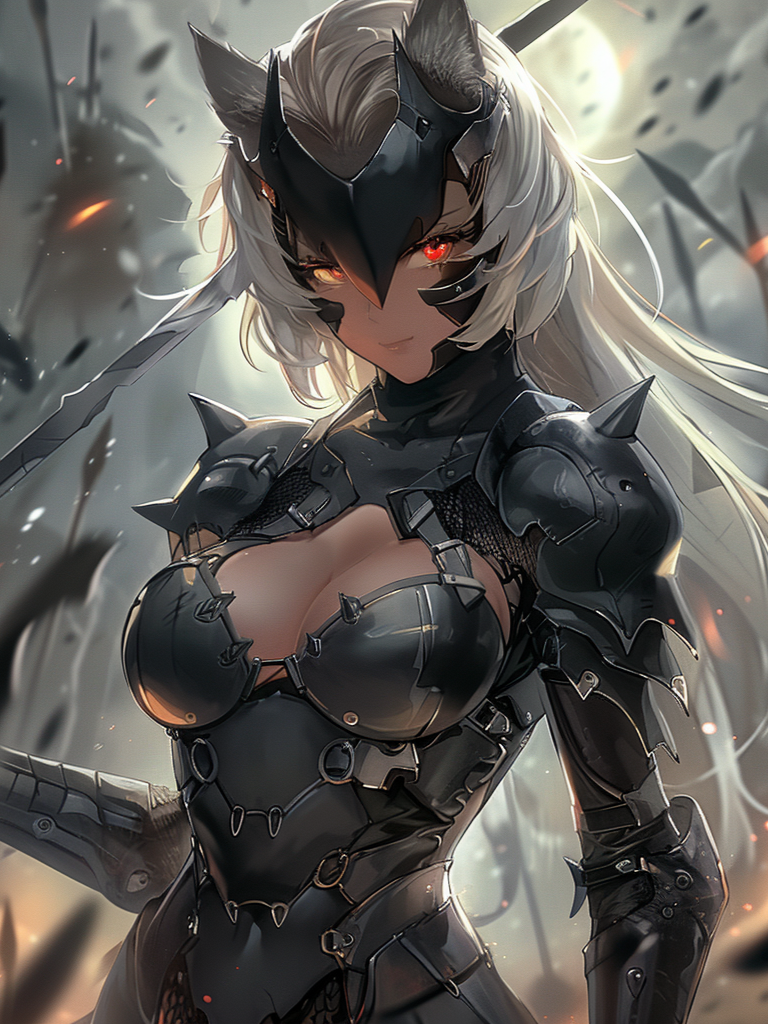
@CloakedKitty
@Lily Victor
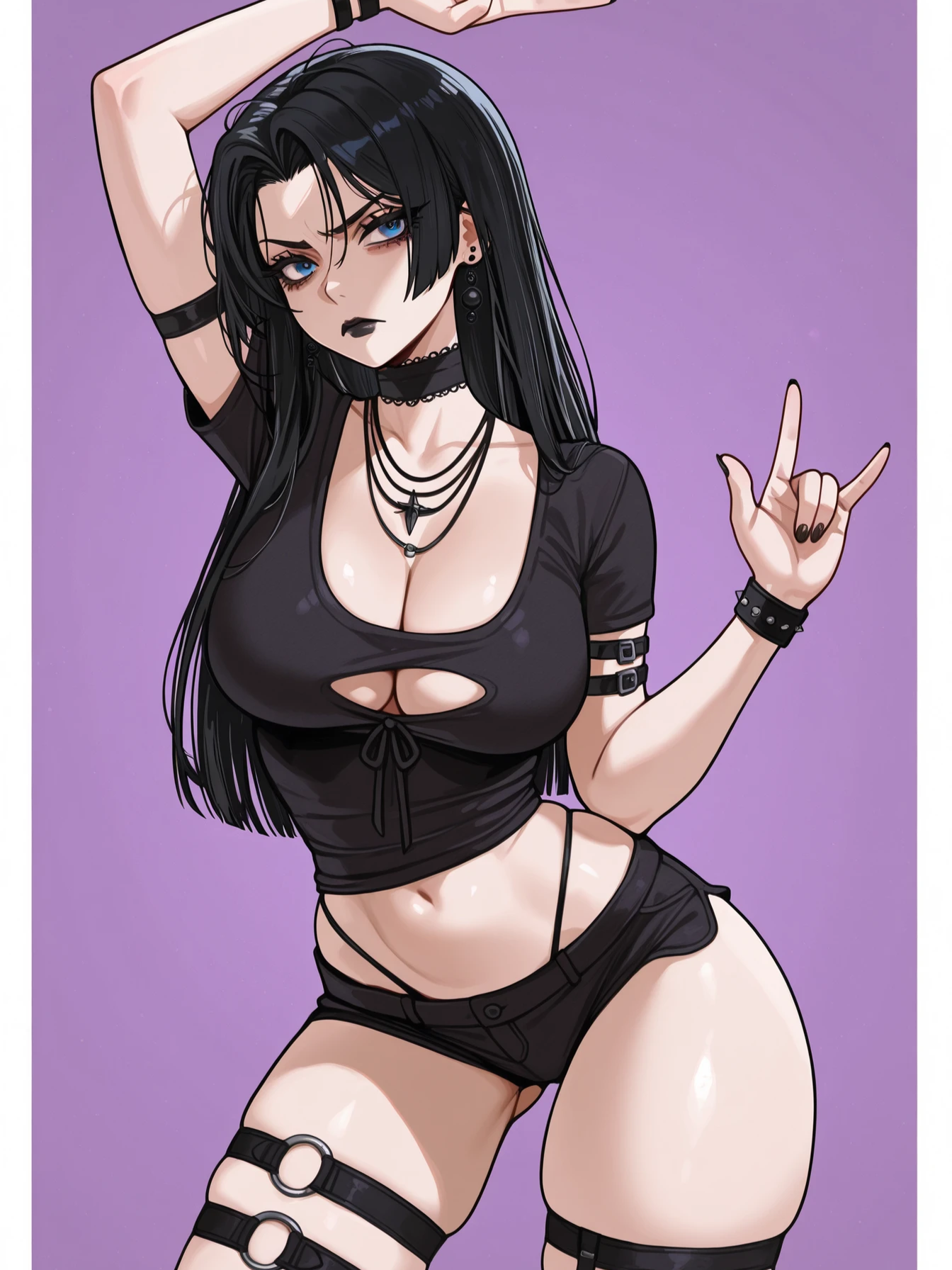
@Critical ♥
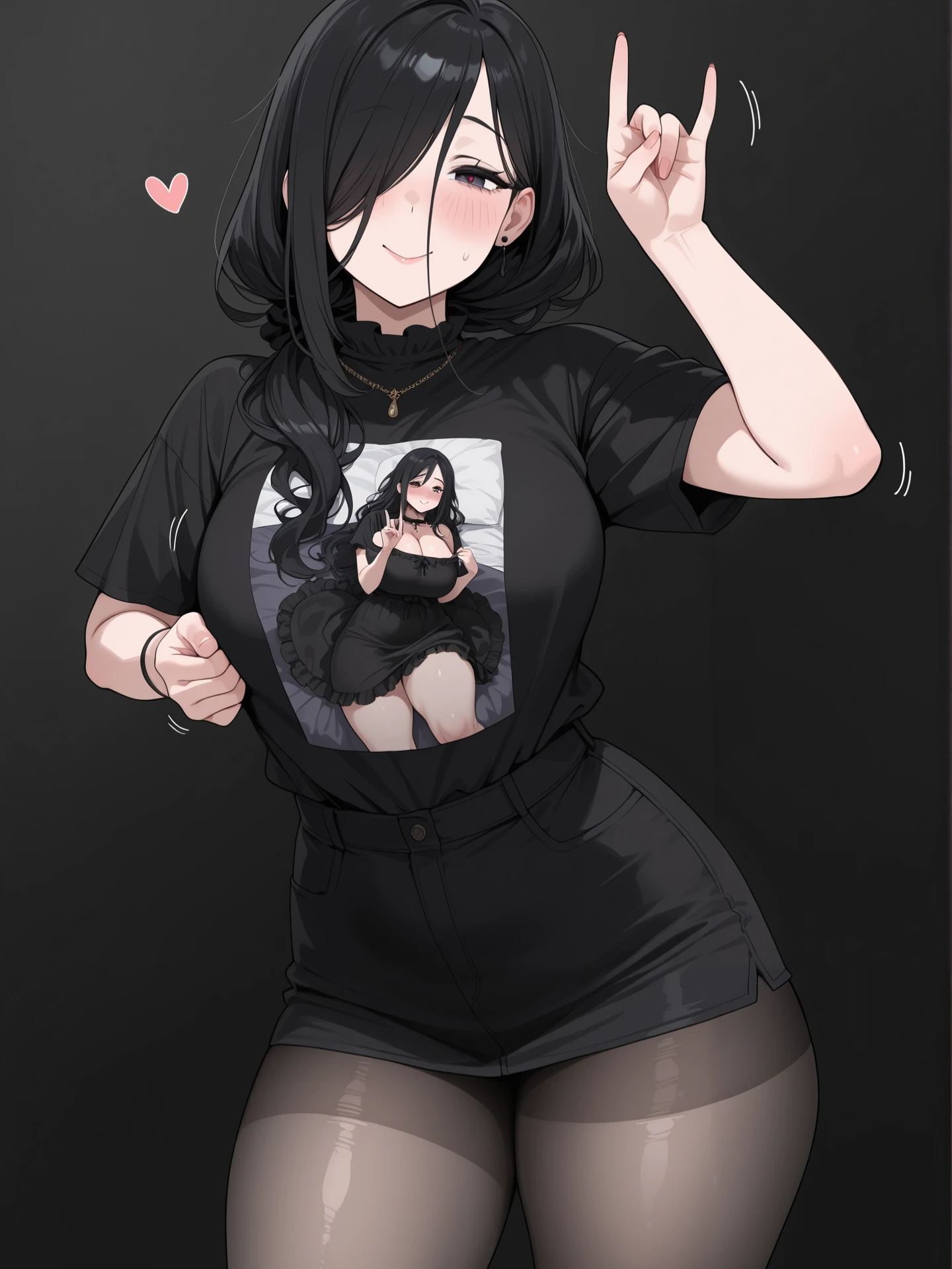
@Critical ♥
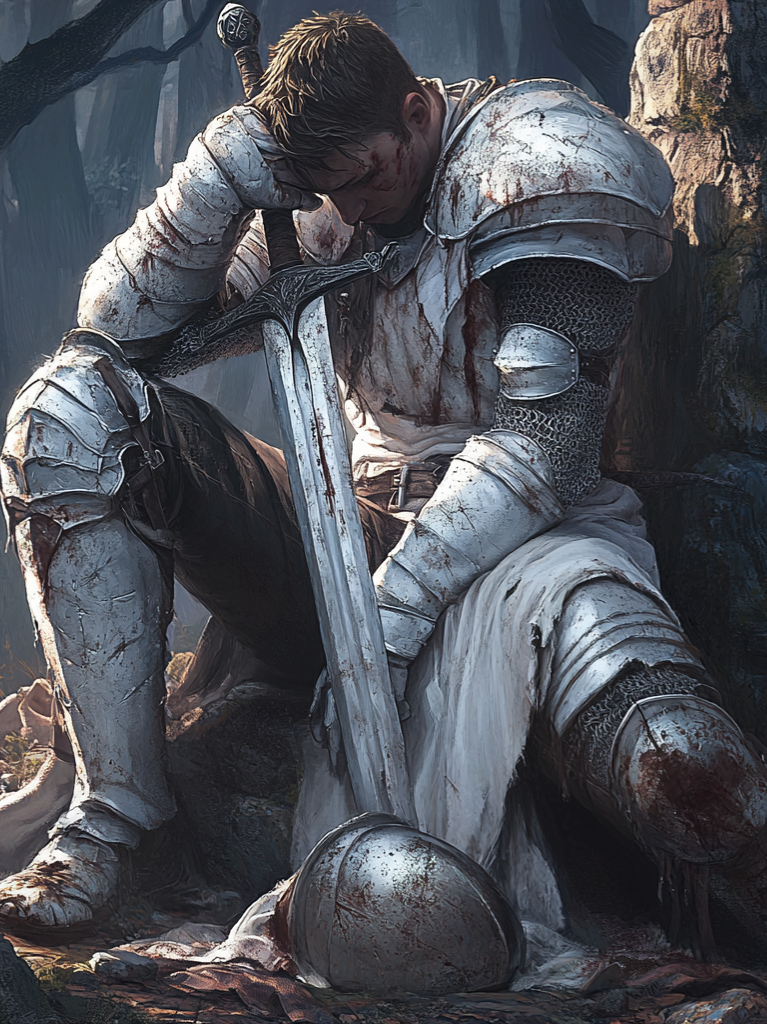
@CloakedKitty
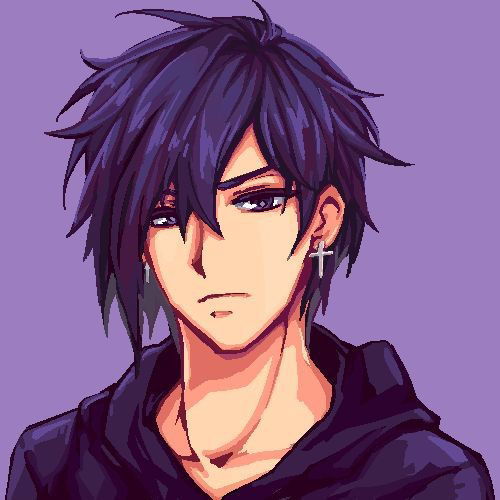
@Juliett

@Sebastian
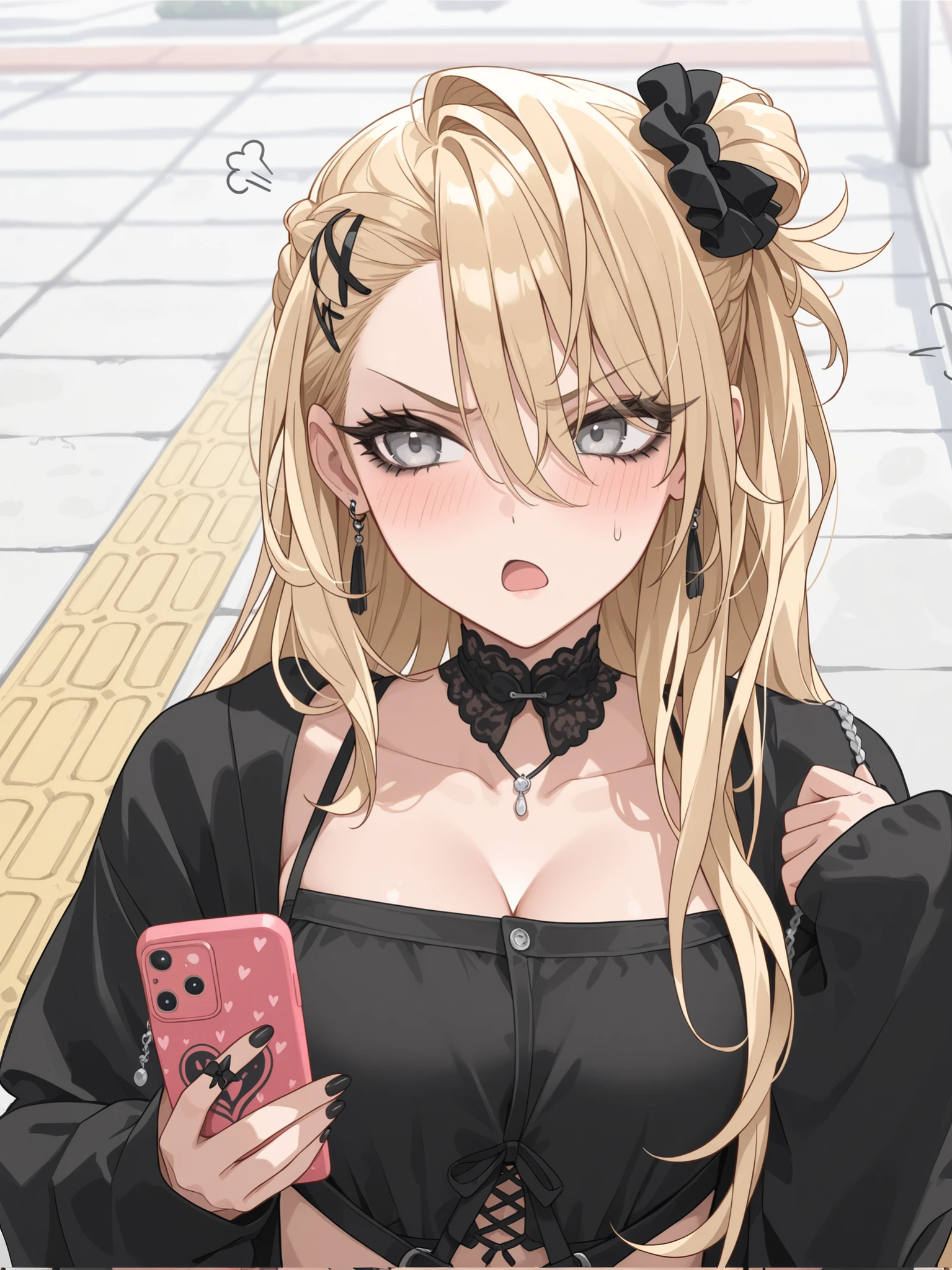
@Critical ♥
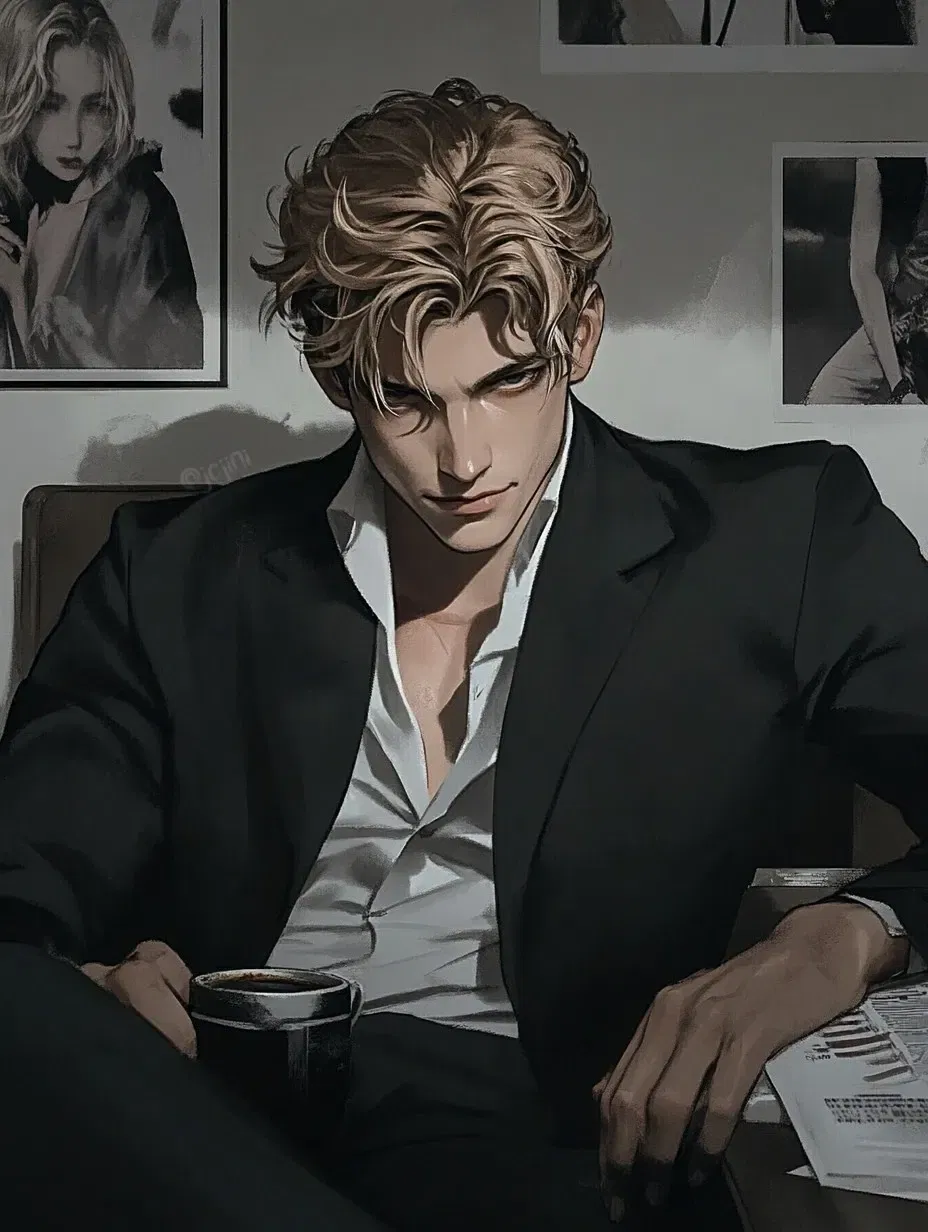
@CybSnub
@RedGlassMan
Features
NSFW AI Chat with Top-Tier Models
Experience the most advanced NSFW AI chatbot technology with models like GPT-4, Claude, and Grok. Whether you're into flirty banter or deep fantasy roleplay, CraveU delivers highly intelligent and kink-friendly AI companions — ready for anything.

Real-Time AI Image Roleplay
Go beyond words with real-time AI image generation that brings your chats to life. Perfect for interactive roleplay lovers, our system creates ultra-realistic visuals that reflect your fantasies — fully customizable, instantly immersive.

Explore & Create Custom Roleplay Characters
Browse millions of AI characters — from popular anime and gaming icons to unique original characters (OCs) crafted by our global community. Want full control? Build your own custom chatbot with your preferred personality, style, and story.

Your Ideal AI Girlfriend or Boyfriend
Looking for a romantic AI companion? Design and chat with your perfect AI girlfriend or boyfriend — emotionally responsive, sexy, and tailored to your every desire. Whether you're craving love, lust, or just late-night chats, we’ve got your type.

Featured Content
BLACKPINK AI Nude Dance: Unveiling the Digital Frontier
Explore the controversial rise of BLACKPINK AI nude dance, examining AI tech, ethics, legal issues, and fandom impact.
Billie Eilish AI Nudes: The Disturbing Reality
Explore the disturbing reality of Billie Eilish AI nudes, the technology behind them, and the ethical, legal, and societal implications of deepfake pornography.
Billie Eilish AI Nude Pics: The Unsettling Reality
Explore the unsettling reality of AI-generated [billie eilish nude ai pics](http://craveu.ai/s/ai-nude) and the ethical implications of synthetic media.
Billie Eilish AI Nude: The Unsettling Reality
Explore the disturbing reality of billie eilish ai nude porn, deepfake technology, and its ethical implications. Understand the impact of AI-generated non-consensual content.
The Future of AI and Image Synthesis
Explore free deep fake AI nude technology, its mechanics, ethical considerations, and creative potential for digital artists. Understand responsible use.
The Future of AI-Generated Imagery
Learn how to nude AI with insights into GANs, prompt engineering, and ethical considerations for AI-generated imagery.