Chinese Anime AI Art: A New Era

Chinese Anime AI Art: A New Era
The world of animation is experiencing a seismic shift, and at its epicenter lies the burgeoning field of Chinese anime AI art. This isn't just about replicating existing styles; it's about forging entirely new aesthetic pathways, blending the rich cultural heritage of Chinese animation with the cutting-edge capabilities of artificial intelligence. As a seasoned observer of this dynamic landscape, I've witnessed firsthand the incredible evolution, from rudimentary experiments to sophisticated, emotionally resonant creations.
The Genesis of AI in Chinese Animation
For decades, Chinese animation, or "donghua" as it's known domestically, has been carving out its unique identity. From the classic ink-wash styles of early productions to the modern, high-fidelity 3D CGI that dominates today's blockbusters, there's a deep-seated tradition of artistic innovation. However, the traditional animation pipeline is notoriously labor-intensive. Each frame, each character design, each background element requires countless hours of human effort. This is where AI enters the picture, not as a replacement for human creativity, but as a powerful augmentation tool.
Early explorations into AI art generation often focused on style transfer – taking an existing image and rendering it in the style of another. While impressive, these early attempts often lacked the coherence and narrative depth required for compelling animation. The real breakthrough came with the development of more advanced generative adversarial networks (GANs) and diffusion models. These models, trained on vast datasets of images and artistic styles, can now produce original artwork with remarkable detail and stylistic consistency.
Defining the Aesthetic: What Makes it "Chinese Anime AI Art"?
The term "Chinese anime AI art" is more than just a descriptor; it encapsulates a fusion of distinct elements. Firstly, it draws heavily from the visual language of Chinese animation. This includes:
- Character Design: Often characterized by delicate features, expressive eyes, and flowing hair, inspired by traditional Chinese aesthetics and modern donghua trends. Think of the ethereal beauty seen in series like Link Click or the dynamic character models in Genshin Impact, which, while a game, heavily influences animation aesthetics. AI models are learning to capture these nuances, generating characters that feel both familiar and novel.
- Color Palettes: A sophisticated use of color is a hallmark of Chinese animation. AI art generators are being fine-tuned to replicate and even innovate upon these palettes, often employing vibrant hues juxtaposed with subtle gradients, evoking specific moods and settings. We see a tendency towards rich reds, deep blues, and jade greens, often with a touch of gold or silver for emphasis.
- Backgrounds and Environments: From sprawling imperial palaces to mystical mountain landscapes, the settings in Chinese animation are often breathtaking. AI is proving adept at generating intricate and atmospheric backgrounds, imbuing them with a sense of place and history. Imagine AI generating a serene bamboo forest with dappled sunlight, or a bustling, neon-lit futuristic cityscape inspired by Shanghai.
- Narrative Tropes and Symbolism: While AI primarily generates visuals, the underlying training data often includes narrative elements. This allows AI-generated art to subtly incorporate themes and symbolism common in Chinese folklore and mythology, such as dragons, phoenixes, or traditional motifs like clouds and peonies.
Secondly, the "AI" component signifies the method of creation. This isn't traditional hand-drawn or 3D modeling; it's the result of algorithms processing prompts and generating images. The key here is the collaboration between human intent (the prompt engineer) and machine capability. The quality of the output is directly tied to the specificity and creativity of the prompts used.
The Technology Behind the Art
The engines driving Chinese anime AI art are primarily deep learning models. Let's break down the core technologies:
- Generative Adversarial Networks (GANs): These consist of two neural networks – a generator and a discriminator – locked in a perpetual game of one-upmanship. The generator creates images, and the discriminator tries to distinguish them from real images. Through this process, the generator becomes increasingly adept at producing photorealistic or stylistically accurate outputs. Early AI art often relied heavily on GANs.
- Diffusion Models: These have become the dominant force in AI image generation. They work by gradually adding noise to an image until it's pure static, and then learning to reverse the process, denoising the image step-by-step to create a new one. Models like Stable Diffusion, Midjourney, and DALL-E 3 are prime examples. Their strength lies in their ability to generate highly detailed and coherent images from complex text prompts.
- Fine-Tuning and LoRAs (Low-Rank Adaptation): To achieve specific styles, like that of Chinese anime, developers often "fine-tune" pre-trained models on curated datasets. This involves further training the model on a specific set of images – in this case, thousands of examples of Chinese animation. LoRAs are even more efficient, allowing for targeted style adaptation without retraining the entire model, making it easier to achieve niche aesthetics.
The process typically involves crafting detailed text prompts. For instance, a prompt might read: "A young female warrior with long, flowing black hair adorned with jade ornaments, wearing traditional Hanfu robes in crimson and gold, standing on a misty mountaintop overlooking a serene valley, in the style of modern Chinese donghua, cinematic lighting, high detail." The AI then interprets this prompt to generate the artwork.
Applications and Impact
The implications of Chinese anime AI art are far-reaching, impacting various sectors:
- Content Creation: Independent animators and small studios can now produce high-quality visuals with significantly reduced budgets and timelines. This democratizes animation production, allowing more diverse stories to be told. Imagine a solo creator crafting an entire animated short film using AI for backgrounds and character concepts.
- Game Development: The gaming industry is a major adopter. AI can generate concept art, character sprites, environmental assets, and even textures, accelerating the development cycle and enabling more visually rich game worlds. The aesthetic of many popular mobile games already shows strong influences from modern donghua.
- Concept Art and Storyboarding: Pre-visualization is crucial in animation and film. AI can rapidly generate multiple visual concepts for characters, scenes, and moods, allowing directors and artists to explore different creative directions efficiently. This iterative process, powered by AI, can lead to more refined final products.
- Personalized Content: The rise of AI-powered character creators and virtual companions hints at future possibilities for personalized animated experiences. Users might one day generate their own animated avatars or even short stories featuring characters designed to their exact specifications.
- Cultural Preservation and Innovation: AI can be used to analyze and replicate historical animation styles, aiding in the preservation of cultural heritage. Simultaneously, it fosters innovation by enabling artists to experiment with styles that would be impossible or prohibitively expensive to create manually.
Challenges and Ethical Considerations
Despite the immense potential, the field of Chinese anime AI art is not without its hurdles and ethical debates:
- Copyright and Ownership: Who owns the copyright to AI-generated art? The user who wrote the prompt? The company that developed the AI? The artists whose work was used in the training data? These are complex legal questions that are still being actively debated and litigated. The use of existing copyrighted material in training datasets raises significant concerns about intellectual property rights.
- Job Displacement: While AI can augment human creativity, there are valid concerns about its potential to displace traditional artists, illustrators, and animators. The industry needs to adapt, focusing on roles that involve AI supervision, prompt engineering, and the integration of AI-generated assets into larger creative workflows.
- Bias in Training Data: AI models are only as good as the data they are trained on. If the training data is biased (e.g., underrepresenting certain styles or demographics), the AI's output will reflect that bias. Ensuring diverse and representative datasets is crucial for equitable AI development.
- Authenticity and "Soul": A common criticism is that AI-generated art lacks the "soul" or emotional depth of human-created art. While AI can mimic styles and generate technically proficient images, the nuanced intent, personal experience, and emotional expression that a human artist brings are difficult, if not impossible, to replicate fully. The debate continues: can an algorithm truly be creative?
- Quality Control: While AI can produce stunning results, it can also generate nonsensical or aesthetically flawed images. Achieving consistent, high-quality output often requires significant skill in prompt engineering and post-processing. Misunderstandings in prompts can lead to bizarre artifacts or unintended interpretations.
The Future is Collaborative
The trajectory of Chinese anime AI art points towards a future where human creativity and artificial intelligence work in tandem. AI won't replace artists; it will empower them. Imagine a scenario where an animator uses AI to generate dozens of background variations in seconds, then selects the best one and refines it manually. Or a character designer uses AI to explore hundreds of facial expressions before settling on the perfect one for a pivotal scene.
The key lies in understanding AI as a tool – a sophisticated paintbrush, a tireless assistant, a boundless source of inspiration. The artists who thrive will be those who learn to wield these tools effectively, integrating them into their existing workflows and pushing the boundaries of what's possible.
We are witnessing the birth of a new artistic medium. The fusion of traditional Chinese aesthetics with the power of AI is creating visuals that are both deeply rooted in culture and strikingly futuristic. As the technology continues to evolve at an exponential pace, the possibilities for Chinese anime AI art are virtually limitless. It's an exciting, albeit complex, new chapter for animation and digital art as a whole. The question is no longer if AI will revolutionize animation, but how we will shape that revolution. Will we embrace it as a partner in creation, or resist it out of fear? The canvas is vast, and the AI is ready.
META_DESCRIPTION: Explore the exciting world of Chinese anime AI art, blending tradition with technology for stunning visuals. Discover AI's impact on animation.
Character
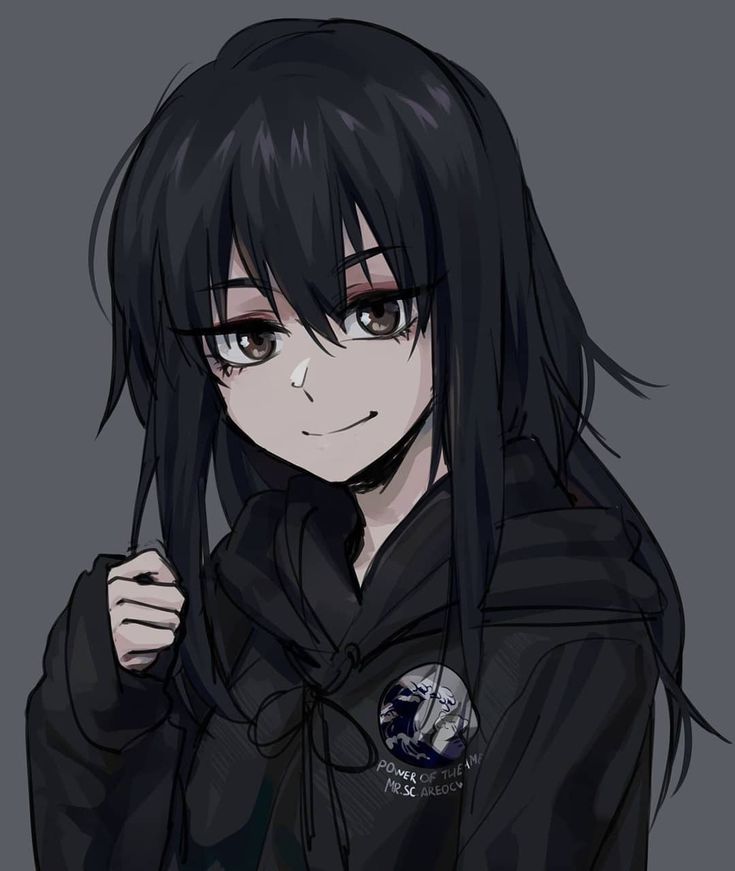
@RedGlassMan
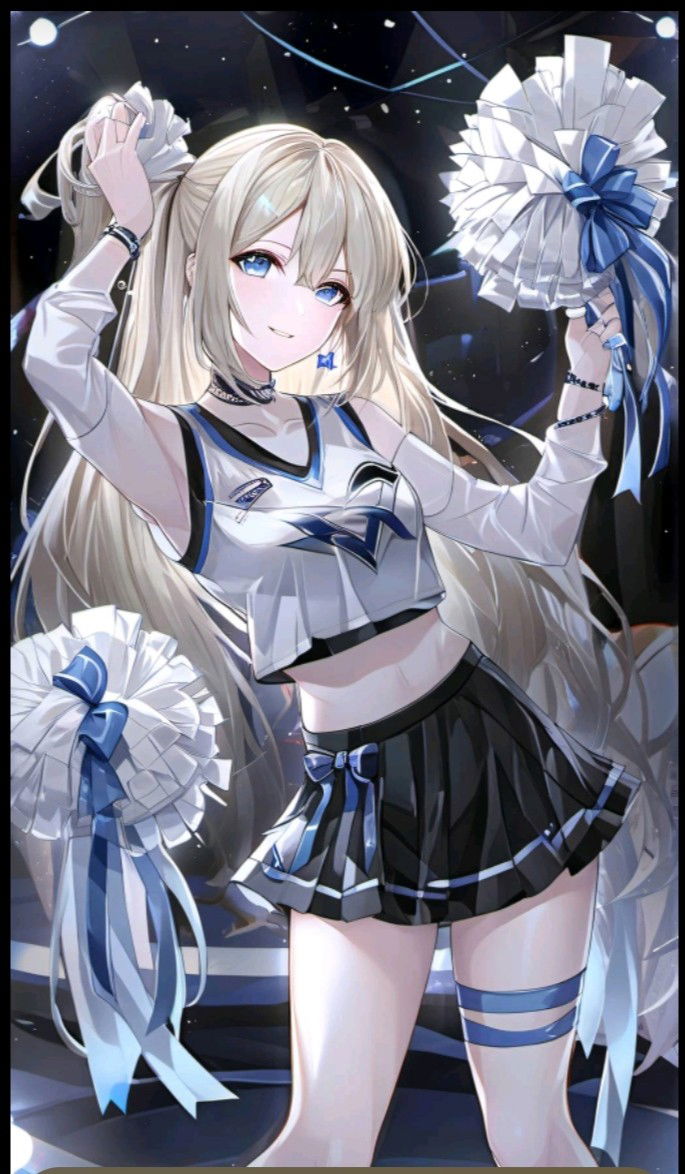
@DrD
@CoffeeCruncher
@SmokingTiger
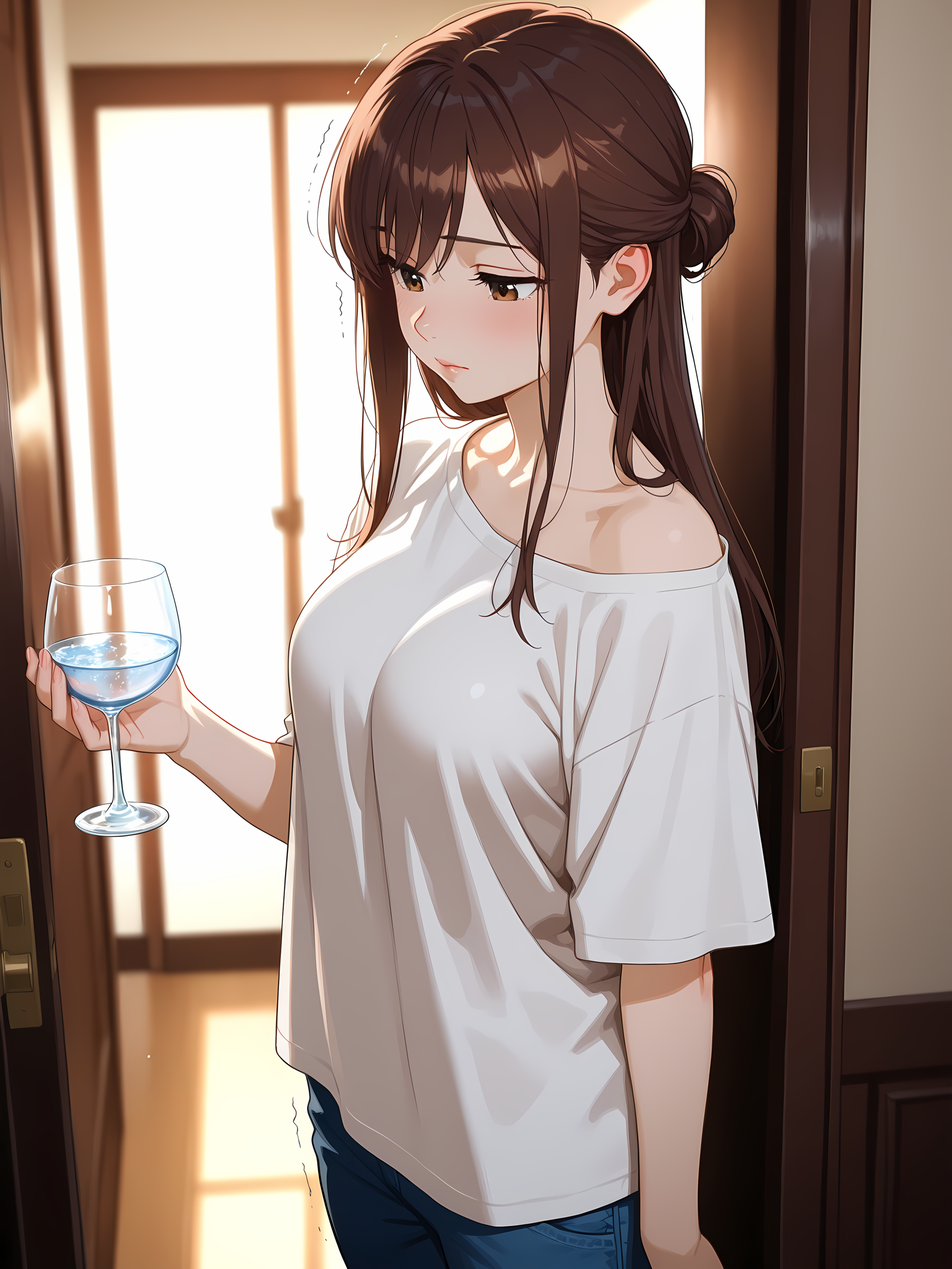
@Luckynohara
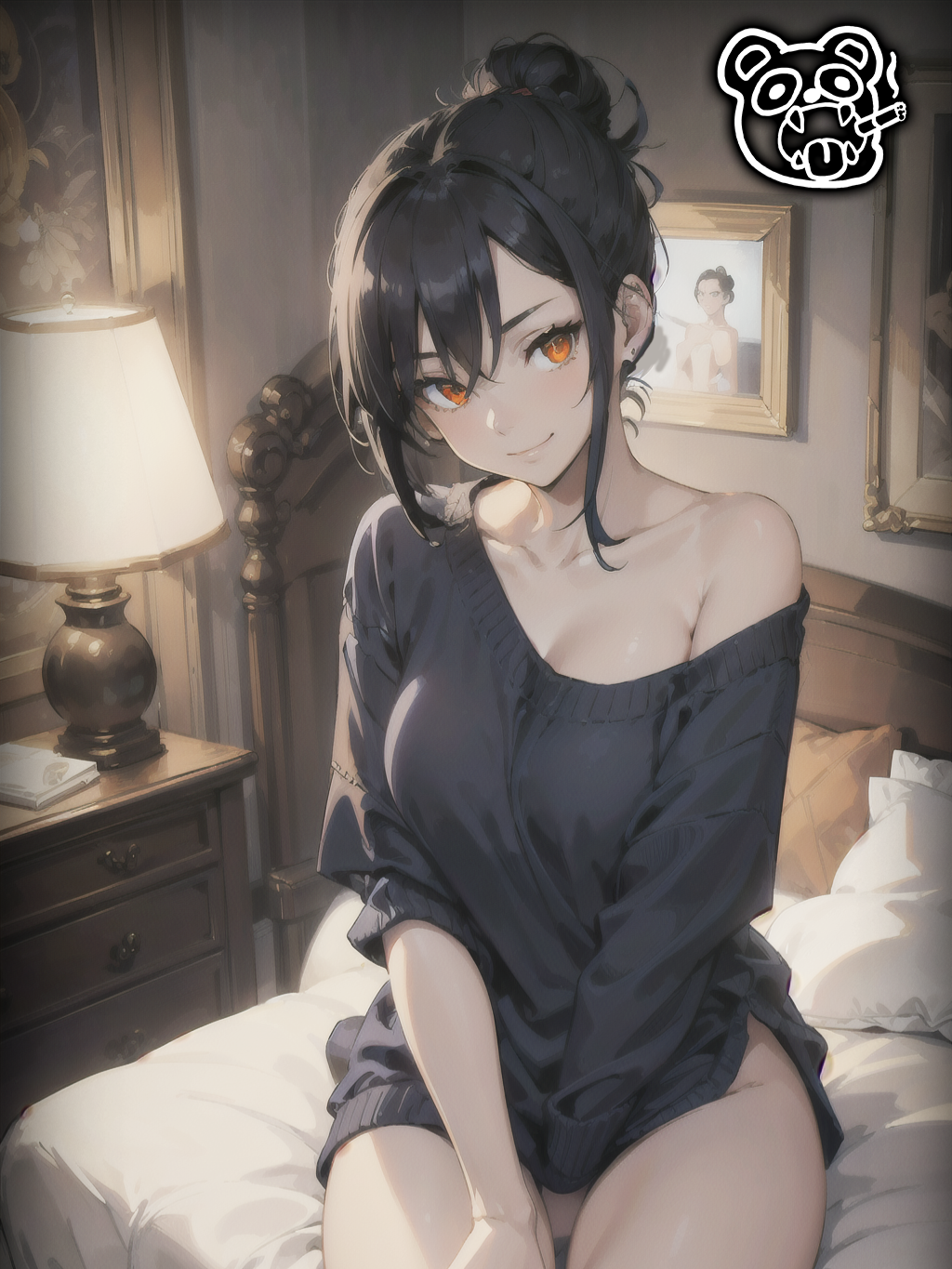
@SmokingTiger
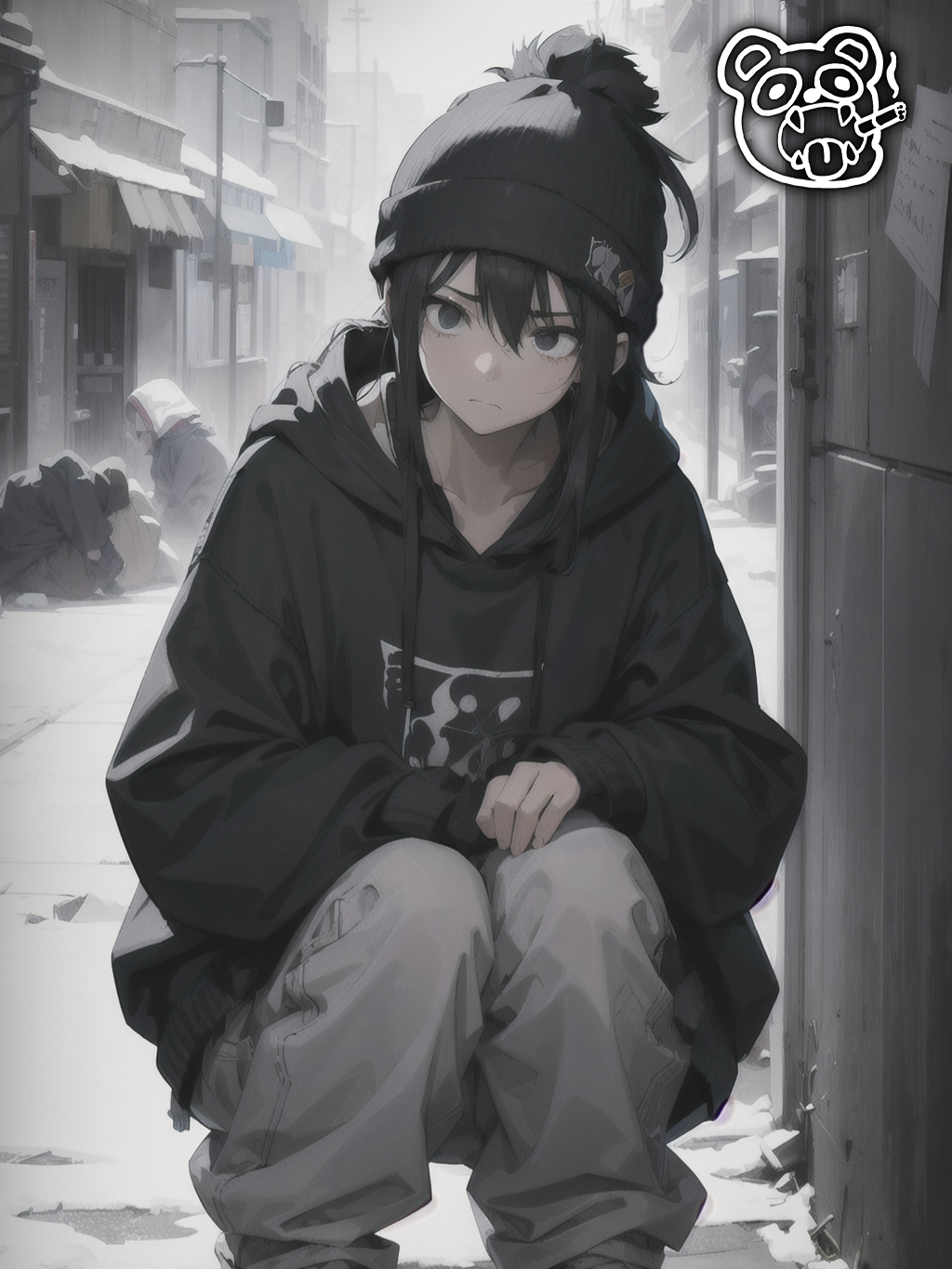
@SmokingTiger
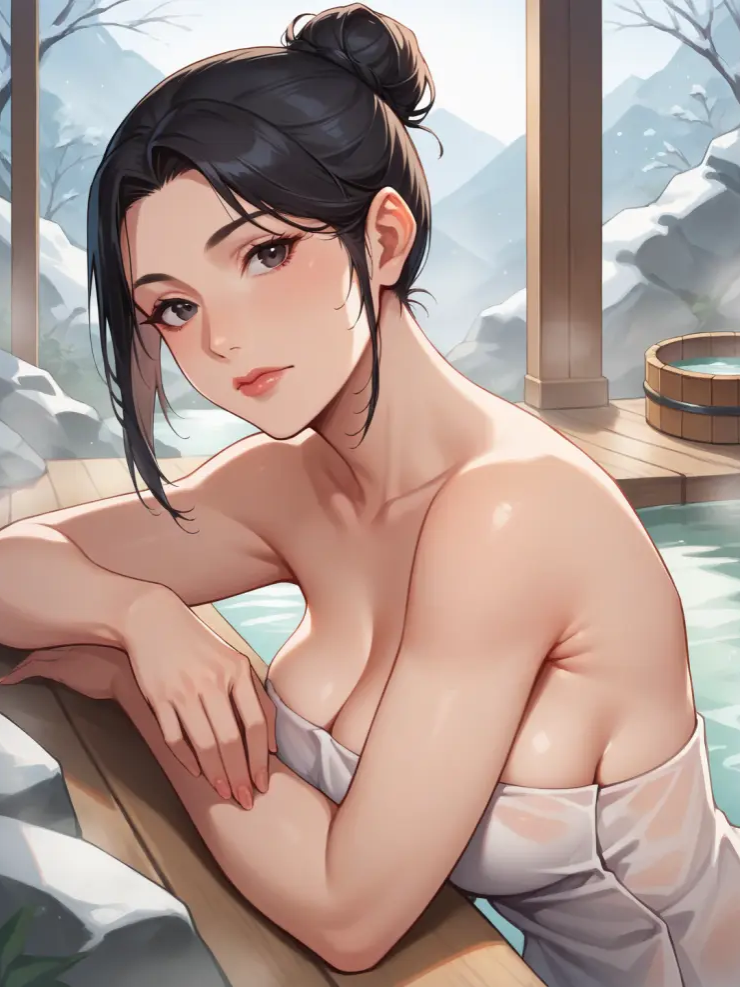
@Sebastian
@JohnnySins
@CoffeeCruncher
Features
NSFW AI Chat with Top-Tier Models
Experience the most advanced NSFW AI chatbot technology with models like GPT-4, Claude, and Grok. Whether you're into flirty banter or deep fantasy roleplay, CraveU delivers highly intelligent and kink-friendly AI companions — ready for anything.

Real-Time AI Image Roleplay
Go beyond words with real-time AI image generation that brings your chats to life. Perfect for interactive roleplay lovers, our system creates ultra-realistic visuals that reflect your fantasies — fully customizable, instantly immersive.

Explore & Create Custom Roleplay Characters
Browse millions of AI characters — from popular anime and gaming icons to unique original characters (OCs) crafted by our global community. Want full control? Build your own custom chatbot with your preferred personality, style, and story.

Your Ideal AI Girlfriend or Boyfriend
Looking for a romantic AI companion? Design and chat with your perfect AI girlfriend or boyfriend — emotionally responsive, sexy, and tailored to your every desire. Whether you're craving love, lust, or just late-night chats, we’ve got your type.

Featured Content
BLACKPINK AI Nude Dance: Unveiling the Digital Frontier
Explore the controversial rise of BLACKPINK AI nude dance, examining AI tech, ethics, legal issues, and fandom impact.
Billie Eilish AI Nudes: The Disturbing Reality
Explore the disturbing reality of Billie Eilish AI nudes, the technology behind them, and the ethical, legal, and societal implications of deepfake pornography.
Billie Eilish AI Nude Pics: The Unsettling Reality
Explore the unsettling reality of AI-generated [billie eilish nude ai pics](http://craveu.ai/s/ai-nude) and the ethical implications of synthetic media.
Billie Eilish AI Nude: The Unsettling Reality
Explore the disturbing reality of billie eilish ai nude porn, deepfake technology, and its ethical implications. Understand the impact of AI-generated non-consensual content.
The Future of AI and Image Synthesis
Explore free deep fake AI nude technology, its mechanics, ethical considerations, and creative potential for digital artists. Understand responsible use.
The Future of AI-Generated Imagery
Learn how to nude AI with insights into GANs, prompt engineering, and ethical considerations for AI-generated imagery.