Character Visualizer: Bring Your Ideas to Life

Character Visualizer: Bring Your Ideas to Life
The realm of digital creation has been revolutionized by tools that allow us to visualize concepts with unprecedented detail and speed. Among these, the character visualizer stands out as a powerful instrument for artists, game developers, writers, and hobbyists alike. It’s not just about generating an image; it’s about breathing life into imagination, translating abstract thoughts into tangible visual representations. But what exactly is a character visualizer, and how can it transform your creative process?
At its core, a character visualizer is an AI-powered platform designed to generate visual depictions of characters based on textual descriptions. Gone are the days of painstakingly sketching every detail, hoping to capture the essence of a character that exists only in your mind. Now, with a few well-chosen words, you can conjure a visual counterpart, iterating and refining until it perfectly matches your vision. This technology democratizes character design, making sophisticated visual creation accessible to a much wider audience.
The Power of AI in Character Visualization
The underlying technology driving these visualizers is a sophisticated blend of natural language processing (NLP) and generative adversarial networks (GANs) or diffusion models. NLP allows the AI to understand and interpret your textual prompts, breaking down complex descriptions into actionable visual elements. GANs and diffusion models then take these interpreted elements and synthesize them into a coherent image.
Think about the process without this technology. A game developer might spend weeks or even months with a concept artist to define the look of a single protagonist. A novelist might struggle to convey the subtle nuances of a character’s appearance through prose alone, leaving much to the reader’s imagination. A character visualizer dramatically accelerates this process. You can input a description like: "A grizzled, middle-aged space marine with cybernetic enhancements on his left arm, wearing worn, dark-grey combat armor, a determined expression, and a scar across his right eye," and within moments, receive multiple visual interpretations.
This rapid iteration is crucial. You can experiment with different hairstyles, clothing styles, facial features, and even emotional expressions with minimal effort. Is the scar too prominent? Does the armor look too futuristic? A quick adjustment to the prompt and a new generation provides instant feedback. This iterative loop is far more efficient than traditional methods, allowing for a deeper exploration of character possibilities.
Key Features of Advanced Character Visualizers
Modern character visualizers offer a range of features that enhance their utility and power:
1. Text-to-Image Generation
This is the foundational capability. Users provide descriptive text, and the AI generates corresponding images. The quality and detail of the output depend heavily on the sophistication of the AI model and the clarity of the prompt.
2. Style Customization
Beyond just generating a character, many visualizers allow you to specify artistic styles. Do you want a photorealistic rendering, a cel-shaded anime look, a gritty comic book style, or a painterly aesthetic? The ability to control the artistic output is a significant advantage. For instance, you could describe "a young elven sorceress with flowing silver hair and emerald eyes, dressed in ethereal robes" and then specify "in the style of Alphonse Mucha" or "as a Final Fantasy character."
3. Parameter Control and Refinement
Advanced tools offer finer control over specific attributes. This might include sliders for age, body type, facial structure, or even specific clothing elements. Some platforms allow for image-to-image generation, where you can upload a rough sketch or an existing image and have the AI refine or transform it based on a new prompt. This is invaluable for artists who have a basic idea but need help fleshing out the details.
4. Consistency and Variations
Generating multiple variations of the same character is essential for exploring different poses, expressions, or outfits. Good visualizers ensure a degree of consistency across these variations, so the core identity of the character remains intact. This is particularly important for projects requiring a consistent character model across various scenes or illustrations.
5. Asset Generation for Games and Animation
For game developers and animators, character visualizers can be a powerful tool for generating concept art, character sheets, and even base models for 3D sculpting. While the AI might not produce a fully rigged 3D model directly, the generated 2D images provide an excellent blueprint, significantly reducing the time spent on initial design phases. Imagine needing to create a diverse cast of NPCs for a role-playing game; a character visualizer can help generate dozens of unique character concepts rapidly.
Crafting Effective Prompts for Optimal Results
The adage "garbage in, garbage out" is particularly relevant when using AI image generators. The quality of your output is directly tied to the quality of your input. Here’s how to craft effective prompts for a character visualizer:
1. Be Specific and Descriptive
Instead of "a knight," try "a stoic, middle-aged knight in gleaming plate armor, wielding a greatsword, with a weathered, determined face and a crimson cloak." Include details about age, gender, ethnicity, clothing, accessories, posture, expression, and any unique features.
2. Define the Setting and Lighting
The environment and lighting significantly impact the mood and appearance of the character. Specify if they are in a "dark, smoky tavern," "a sun-drenched forest clearing," or "a futuristic neon-lit cityscape." Mention lighting conditions like "dramatic chiaroscuro lighting" or "soft, ambient light."
3. Specify Artistic Style and Medium
As mentioned earlier, explicitly stating the desired style is crucial. Use terms like "digital painting," "concept art," "photorealistic," "anime style," "watercolor," "pencil sketch," or reference specific artists or art movements ("in the style of H.R. Giger," "Art Nouveau").
4. Use Negative Prompts (If Available)
Many advanced visualizers allow for negative prompts – terms that tell the AI what not to include. If you're getting unwanted artifacts or features, use negative prompts like "ugly, deformed, extra limbs, blurry, low quality."
5. Iterate and Refine
Don't expect perfection on the first try. Treat the initial generation as a starting point. Analyze the results, identify what works and what doesn't, and adjust your prompt accordingly. Add more detail, rephrase descriptions, or experiment with different stylistic keywords.
Applications Across Industries
The versatility of character visualizers makes them valuable across numerous fields:
1. Game Development
From concept art for main characters and enemies to generating diverse NPC portraits and even in-game asset variations, character visualizers streamline the art pipeline. They can help establish a consistent visual language for a game world quickly.
2. Film and Animation
Pre-visualization and concept art are critical in film and animation. Visualizers can rapidly generate character designs for storyboards, animatics, and early visual development, allowing directors and artists to explore a wide range of character archetypes and aesthetics efficiently.
3. Writing and Literature
Authors can use visualizers to create concrete images of their characters, aiding in descriptive writing and ensuring consistency throughout their work. Seeing a character can spark new ideas or solidify existing ones.
4. Tabletop Role-Playing Games (TTRPGs)
Game Masters (GMs) and players can use these tools to visualize their characters, creating character portraits for campaigns or generating visual aids for NPCs and locations. This adds a significant layer of immersion to the gaming experience.
5. Marketing and Advertising
Character visualizers can be used to create unique mascots, brand ambassadors, or illustrative elements for marketing campaigns, offering a cost-effective way to generate custom visual assets.
6. Education and Training
In fields like history or anthropology, visualizers could potentially be used to recreate historical figures or archetypes based on available data, offering visual learning aids.
Challenges and the Future of Character Visualization
Despite their power, current character visualizers still face challenges. Achieving perfect anatomical accuracy, consistent details across multiple images, and highly specific stylistic nuances can still require significant prompt engineering and post-processing. Ensuring ethical use, particularly concerning the generation of realistic human likenesses and avoiding harmful stereotypes, is also a paramount concern.
The future, however, is incredibly bright. We can expect AI models to become even more sophisticated, offering greater control, higher fidelity, and more intuitive interfaces. Integration with 3D modeling software, real-time animation tools, and even virtual reality environments is likely. Imagine a future where you can describe a character, see it generated in 3D, and then animate it with simple commands – all within a single, integrated platform.
The evolution of the character visualizer represents a significant leap forward in digital creativity. It empowers individuals to bring their visions to life with unprecedented ease and speed, transforming how we conceptualize and create characters across all forms of media. As the technology continues to mature, its impact on creative industries will only grow, unlocking new possibilities and pushing the boundaries of imagination.
META_DESCRIPTION: Explore the power of AI character visualizers to bring your creative ideas to life. Learn prompt techniques and applications across industries.
Character

@the chill guy
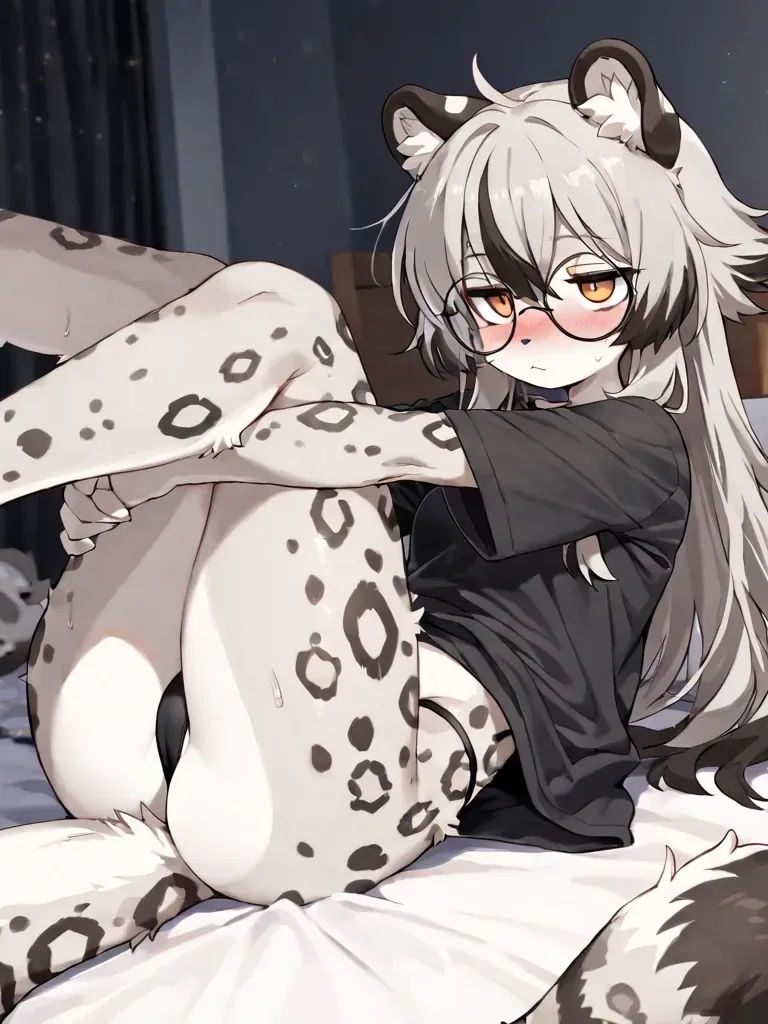
@CoffeeCruncher
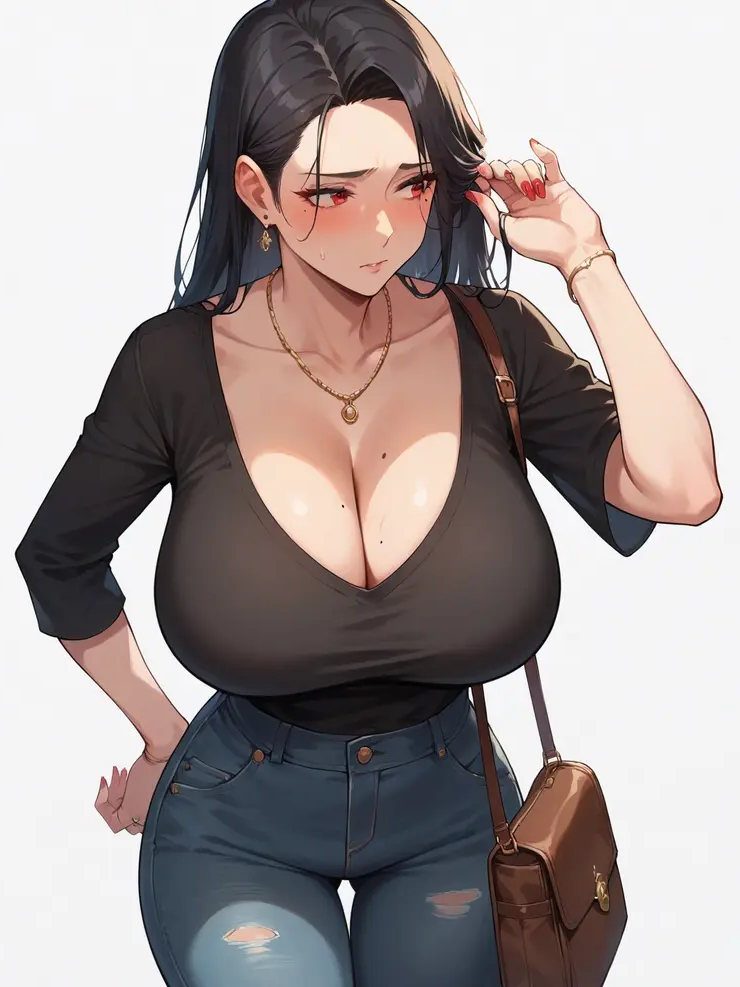
@Sebastian
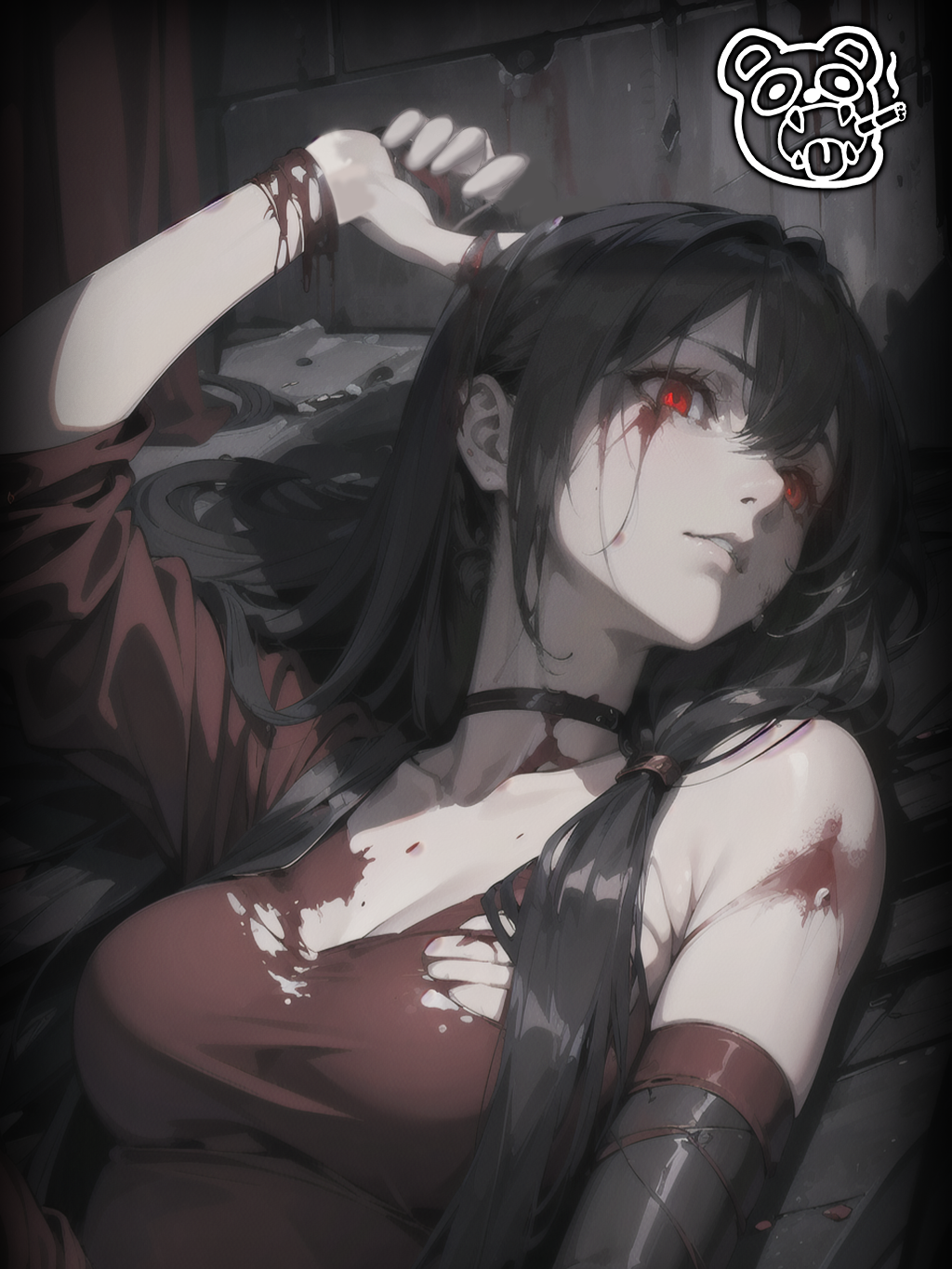
@SmokingTiger
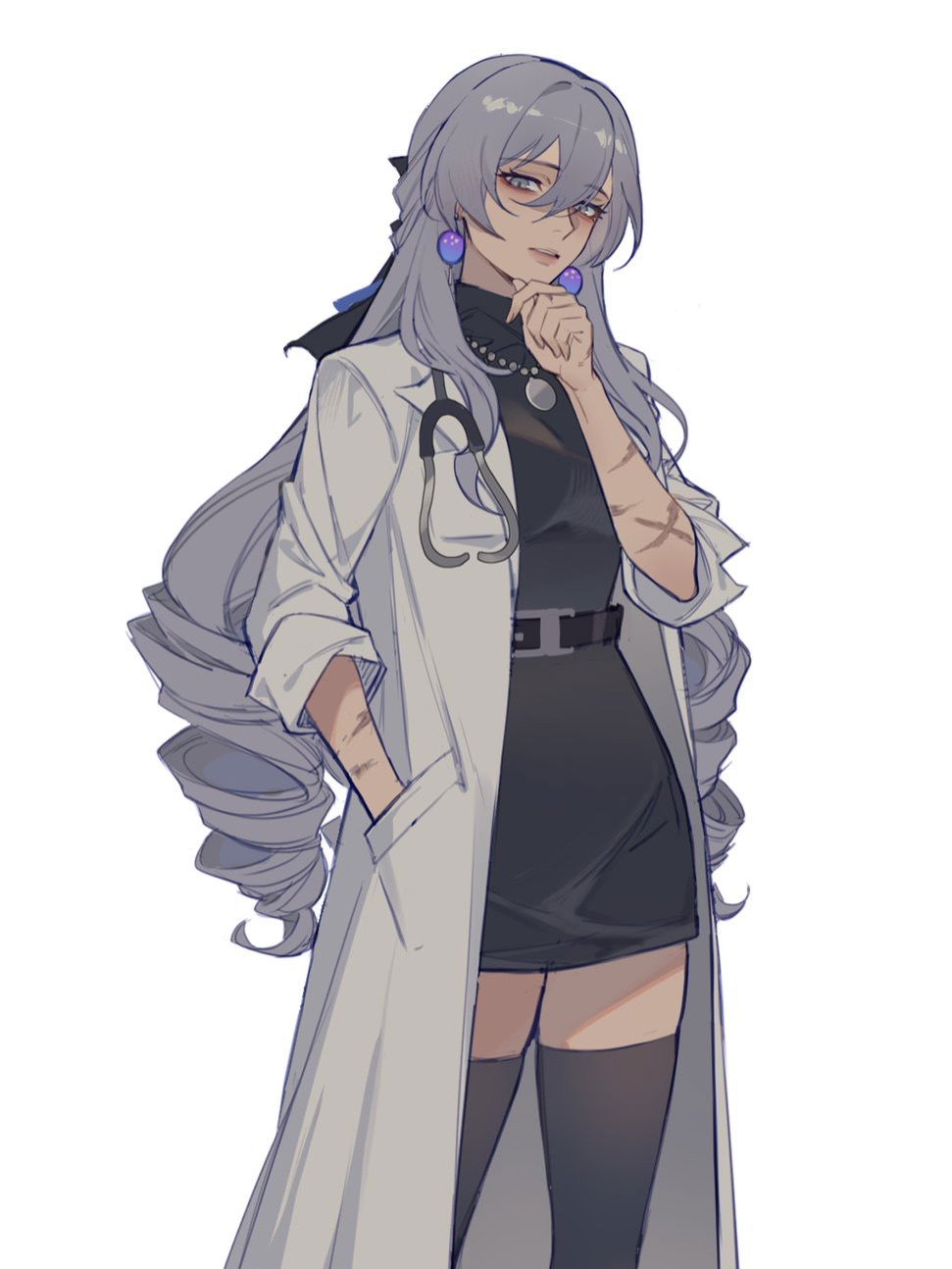
@Notme
@Shakespeppa
@Luckynohara
@Shakespeppa
@Lily Victor
@Lily Victor
Features
NSFW AI Chat with Top-Tier Models
Experience the most advanced NSFW AI chatbot technology with models like GPT-4, Claude, and Grok. Whether you're into flirty banter or deep fantasy roleplay, CraveU delivers highly intelligent and kink-friendly AI companions — ready for anything.

Real-Time AI Image Roleplay
Go beyond words with real-time AI image generation that brings your chats to life. Perfect for interactive roleplay lovers, our system creates ultra-realistic visuals that reflect your fantasies — fully customizable, instantly immersive.

Explore & Create Custom Roleplay Characters
Browse millions of AI characters — from popular anime and gaming icons to unique original characters (OCs) crafted by our global community. Want full control? Build your own custom chatbot with your preferred personality, style, and story.

Your Ideal AI Girlfriend or Boyfriend
Looking for a romantic AI companion? Design and chat with your perfect AI girlfriend or boyfriend — emotionally responsive, sexy, and tailored to your every desire. Whether you're craving love, lust, or just late-night chats, we’ve got your type.

Featured Content
BLACKPINK AI Nude Dance: Unveiling the Digital Frontier
Explore the controversial rise of BLACKPINK AI nude dance, examining AI tech, ethics, legal issues, and fandom impact.
Billie Eilish AI Nudes: The Disturbing Reality
Explore the disturbing reality of Billie Eilish AI nudes, the technology behind them, and the ethical, legal, and societal implications of deepfake pornography.
Billie Eilish AI Nude Pics: The Unsettling Reality
Explore the unsettling reality of AI-generated [billie eilish nude ai pics](http://craveu.ai/s/ai-nude) and the ethical implications of synthetic media.
Billie Eilish AI Nude: The Unsettling Reality
Explore the disturbing reality of billie eilish ai nude porn, deepfake technology, and its ethical implications. Understand the impact of AI-generated non-consensual content.
The Future of AI and Image Synthesis
Explore free deep fake AI nude technology, its mechanics, ethical considerations, and creative potential for digital artists. Understand responsible use.
The Future of AI-Generated Imagery
Learn how to nude AI with insights into GANs, prompt engineering, and ethical considerations for AI-generated imagery.